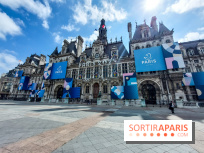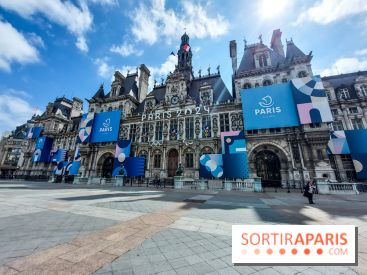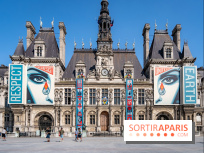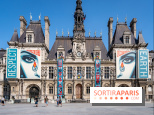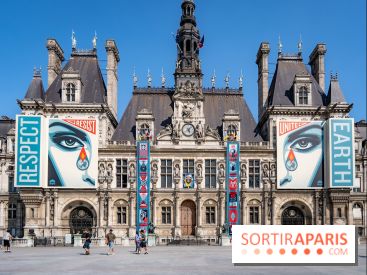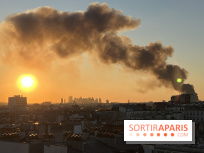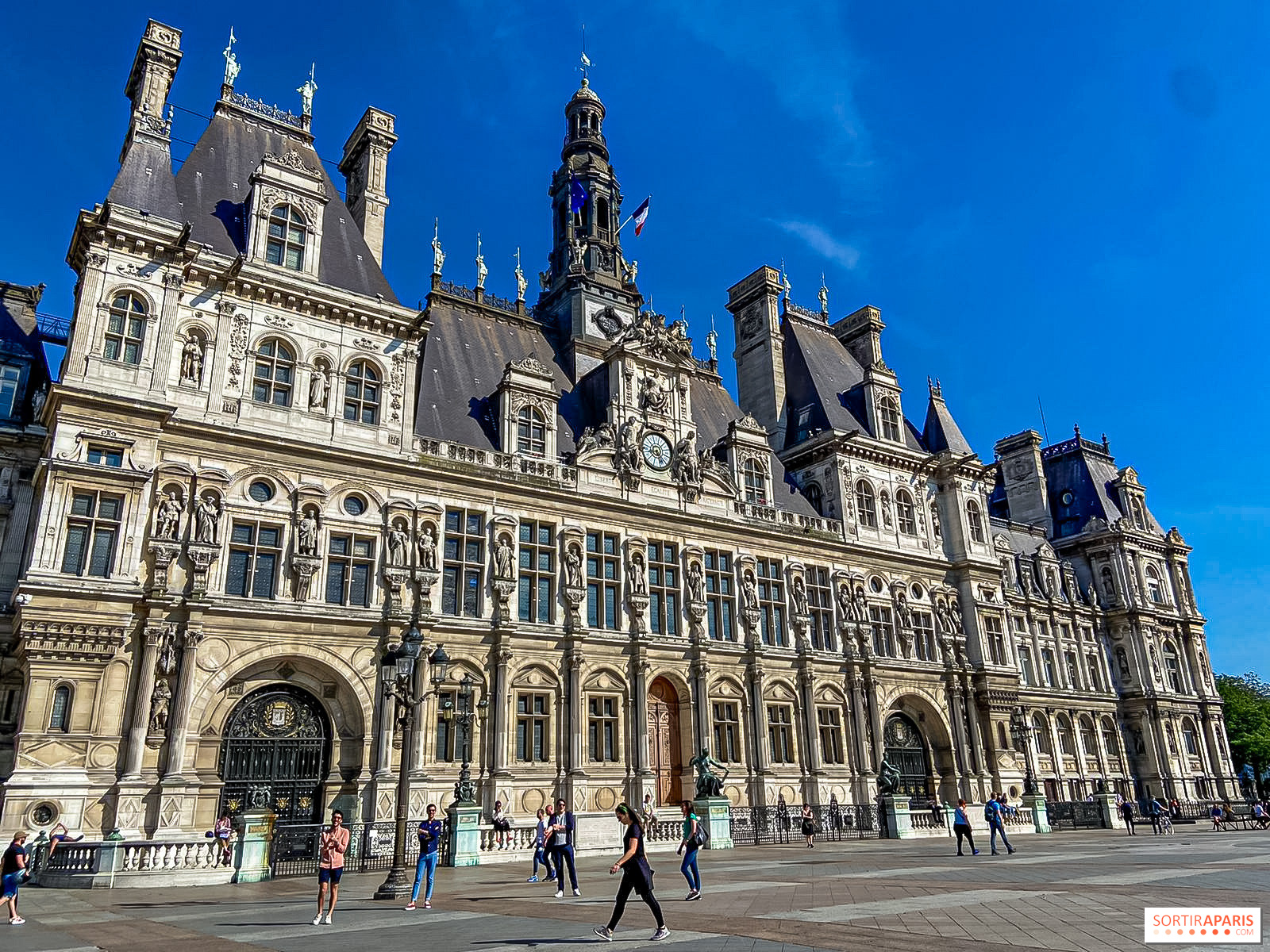
For several weeks, Paris City Hall employees were confronted with persistent gasoline odors emanating from this accidental contamination. According to Paris City Hall, on November 20, while supplying the petrol distribution station on rue de Lobau, an accidental fuel spill occurred, as reported in Le Canard Enchainé and Actu Paris. The firefighters intervened quickly, and recommended ventilation of the areas concerned to limit the risks.
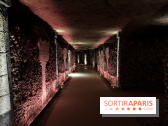
Analyses revealed air pollution in areas between the municipal buildings at 2 and 4 rue de Lobau, due to contamination of an underground gallery. The spilled petrol, containing benzene, a substance recognized as dangerous, caused concern. This chemical component, identified by the Institut National de Recherche et de Sécurité (INRS), can penetrate through inhalation or skin contact, with harmful effects on the nervous system and blood.
To limit environmental impact, a series of measures have been implemented:
On December 17, 2024, the Poison Control Center also intervened to provide a series of recommendations concerning the medical follow-up of exposed agents. The latter were relocated or invited to move to temporary sites. Telecommuting was recommended, whilecontaminated areas were condemned. At the same time, the CFTC requested that an inquiry be opened.
Benzene, commonly used in gasoline, is a recognized carcinogen. As the Ministry of Labor points out, gasoline vapors can affect the nervous system and cause serious alterations to the blood count.
This incident comes at a key moment for the capital, which is accelerating its ecological transition. The recently adopted Plan Climat 2024-2030 plans to transform Paris to achieve carbon neutrality by 2050. Key measures include:
While this accident underlines the risks involved in handling hazardous substances in urban environments, it also highlights the urgent need to reinforce safety protocols and pursue efforts towards a greener city.
Although Paris has embarked on ambitious projects to modernize and preserve its environment, it still has to reconcile urban planning and safety. This incident is a reminder that every detail counts in the fight against accidental pollution and the preservation of residents' quality of life.
An event that will hopefully encourage stronger preventive measures in the future.