To go from the Place de la Concorde to the Left Bank, a quick stroll across the Pont de la Concorde is in order. But do you really know the history of this Parisian bridge?
The idea of building a bridge at this site goes back to the reign of Louis XV. As early as 1724, the king approved a first wooden bridge that would never actually materialize. The construction of the present bridge, entrusted to the renowned engineer Jean-Rodolphe Perronet, finally began in 1787, under Louis XVI. Two years later, the Révolution française erupted and left a distinctly tangible mark on the structure.
After the storming of the Bastille on July 14, 1789, the fortress was razed and part of its ashlar stones were reused to continue the bridge’s construction. The Pont de la Concorde, then known as the Louis-XVI Bridge, therefore indeed contains stones from the old Parisian prison! Composed of five masonry arches, the neoclassical structure was completed in 1791, in the midst of the Revolution.
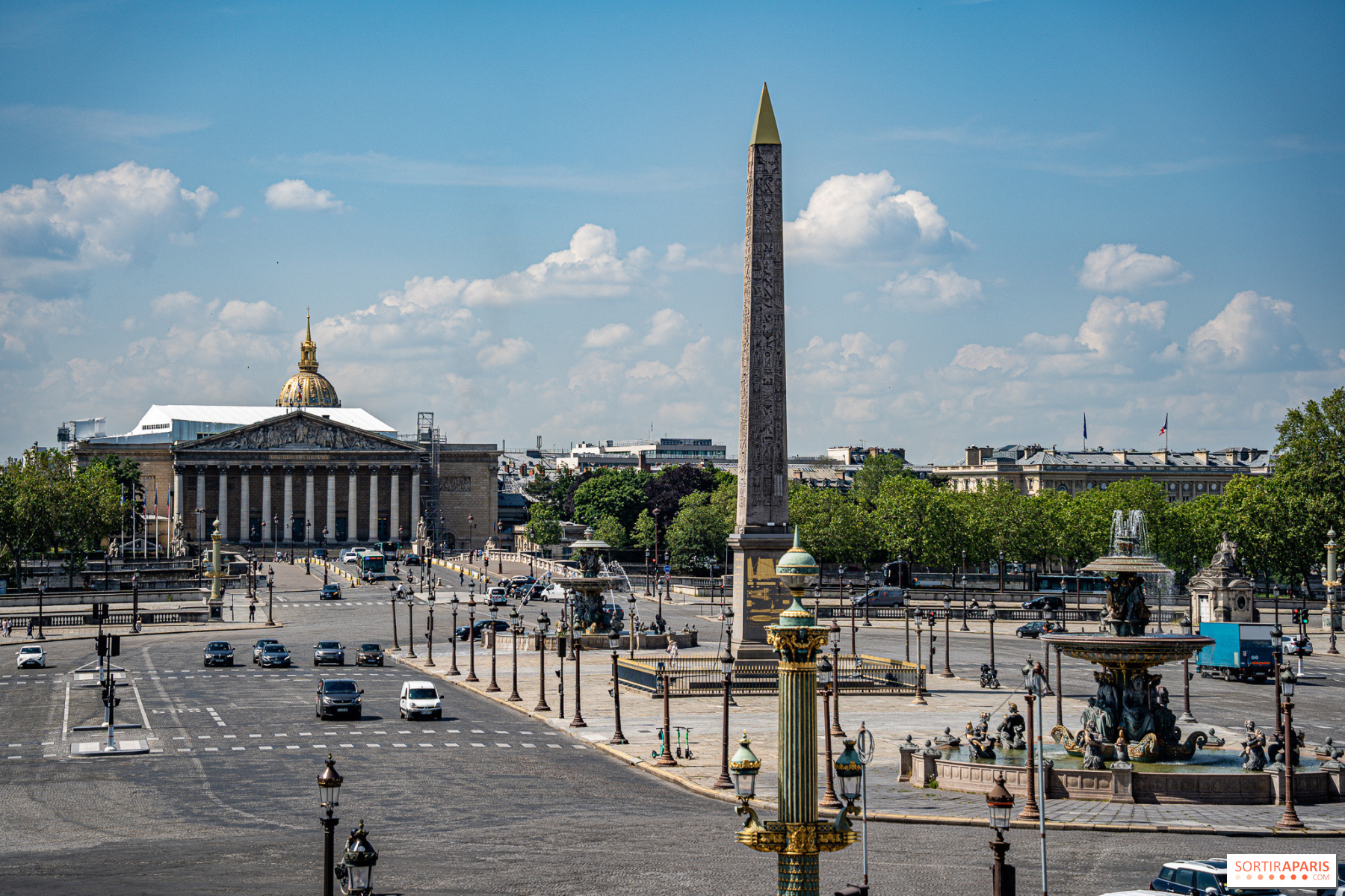
Its name has tracked the numerous regime changes that have rocked France. From the Louis-XVI Bridge, it became Pont de la Révolution, then Pont de la Concorde. The Restoration subsequently restored its Louis-XVI designation, before the July Monarchy finally bestowed on it the enduring title Pont de la Concorde in 1830.
Meanwhile, Napoleon I had envisaged giving the bridge a far more monumental silhouette. In 1810, the emperor launched a project to erect statues of generals who died in battle, but the fall of the Empire halted the plan. Under the Restoration, Louis XVIII took up the idea in his own way and had twelve imposing white marble statues installed on the bridge, depicting four great ministers, four military men, and four sailors of the Ancien Régime.

The decoration, however, would not stay in place for long. These monumental sculptures, some weighing several tons, proved too heavy for the structure. Under Louis-Philippe, they were removed from the Pont de la Concorde and transferred to the Château de Versailles, before later ending up at a variety of destinations.
The story of the bridge doesn’t end there! With the surge in automotive traffic in the early 20th century, its dimensions could no longer handle the flow between the Place de la Concorde and the Palais Bourbon. Between 1930 and 1932, the bridge was substantially widened. The project faced a major constraint: to preserve the look conceived by Perronet in the 17th century. Its width was nearly doubled, while retaining its five arches and its overall silhouette!
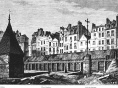
Paris's most beautiful bridges, wonders to discover along the Seine
From Pont-Neuf to the Bir-Hakeim Bridge, via the utterly romantic Pont des Arts, discover the history of Paris’s most beautiful bridges. [Read more]
Dates and Opening Time
Next days
Wednesday:
from 12:00 a.m. to 11:59 p.m.
Thursday:
from 12:00 a.m. to 11:59 p.m.
Friday:
from 12:00 a.m. to 11:59 p.m.
Saturday:
from 12:00 a.m. to 11:59 p.m.
Sunday:
from 12:00 a.m. to 11:59 p.m.
Monday:
from 12:00 a.m. to 11:59 p.m.
Tuesday:
from 12:00 a.m. to 11:59 p.m.
Location
Concorde Bridge
Pont De la Concorde
75007 Paris 7
Route planner




























 Paris's most beautiful bridges, wonders to discover along the Seine