Paris anecdotes

Collège de FranceCollège de FranceCollège de FranceCollège de France

Did you know? You can take free courses at the Collège de France, opposite the Sorbonne.

If you suddenly feel like sitting in on a course at the Collège de France, it’s possible! Since 1530, teaching there has been free and open to everyone, making knowledge more accessible. So, ready to explore the mysteries of the atom or the Mesopotamian civilization?
Le Château de Buc et son superbe domaine, parc paysagé aux nombreux trésorsLe Château de Buc et son superbe domaine, parc paysagé aux nombreux trésorsLe Château de Buc et son superbe domaine, parc paysagé aux nombreux trésorsLe Château de Buc et son superbe domaine, parc paysagé aux nombreux trésors

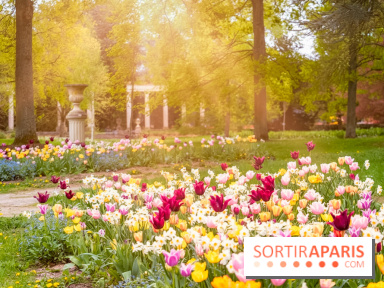
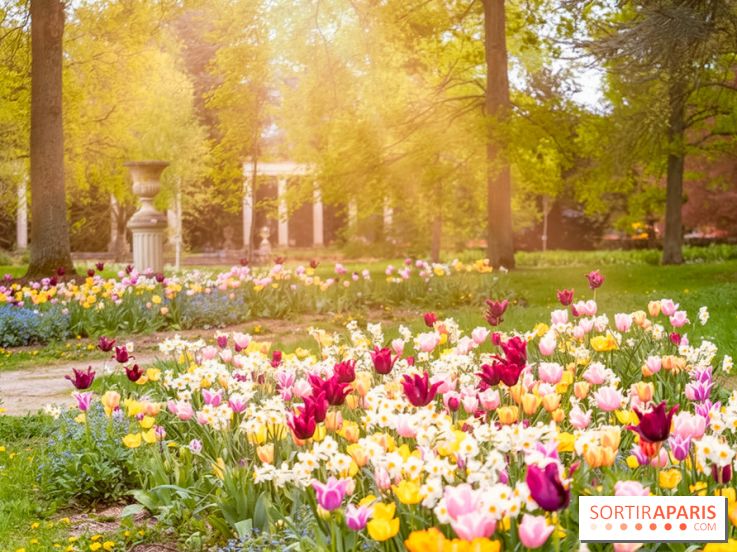
This flower-filled park in the Yvelines hides an arboretum, royal secrets, and has inspired Blake and Mortimer.

In Buc, in the Yvelines, the park of Haut-Buc Castle is freely accessible year-round. A pedagogical arboretum, Louis XIV’s secret child, an eccentric astronomer, and the backdrop for Blake and Mortimer: this estate has more than one story to tell. Here’s more about this superb place in full bloom, a must for tulip lovers.
Ce parc parisien dans le 6e arrondissement cache deux bancs en forme de livreCe parc parisien dans le 6e arrondissement cache deux bancs en forme de livreCe parc parisien dans le 6e arrondissement cache deux bancs en forme de livreCe parc parisien dans le 6e arrondissement cache deux bancs en forme de livre

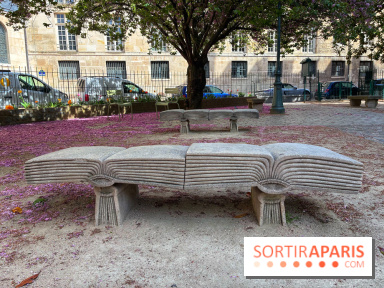
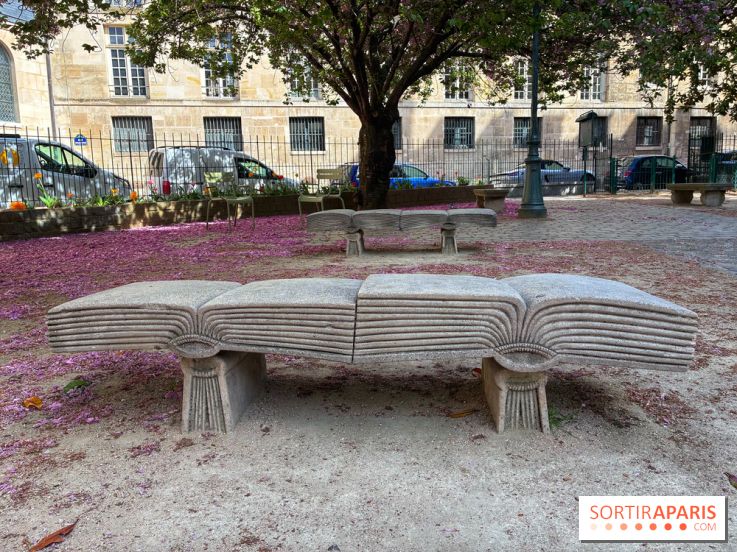
A Parisian square in the 6th arrondissement hides benches shaped like books under the shade of cherry trees.

Under the shade of the Institut de France’s dome, a small garden offers a sculpted homage to the literary soul of the 6th arrondissement, through striking limestone benches where you can read in the shadow of the cherry trees. A little secret that only reveals itself to passersby who aren’t in too much of a hurry.
Ce Donjon qui domaine les Hauts-de-Seine devait être la petite sœur du Sacré CœurCe Donjon qui domaine les Hauts-de-Seine devait être la petite sœur du Sacré CœurCe Donjon qui domaine les Hauts-de-Seine devait être la petite sœur du Sacré CœurCe Donjon qui domaine les Hauts-de-Seine devait être la petite sœur du Sacré Cœur

Hauts-de-Seine: the keep that dominates Île-de-France was meant to be the Sacré-Cœur’s little sister

High above Suresnes in the Hauts-de-Seine, a strange 25-meter neo-medieval fortress has watched over Paris since the early 20th century. Behind its machicolations and murder holes lies a delicious tale of unapologetic anticlericalism.
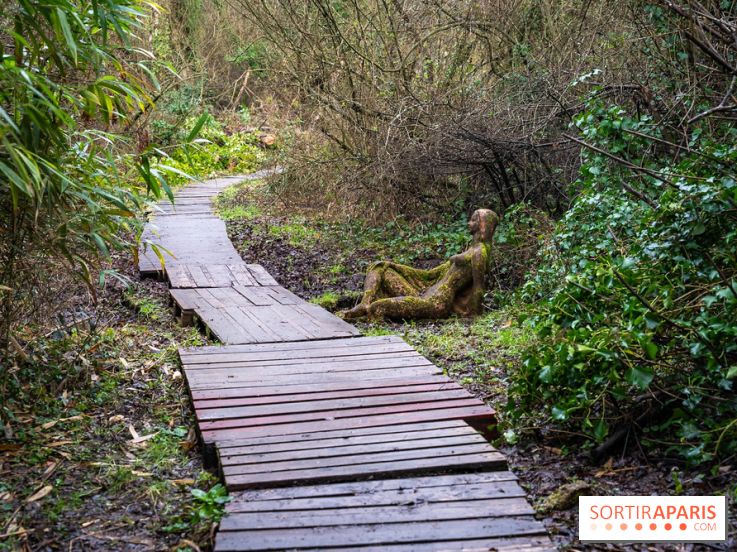
La source de l'Yvette : une statue mystérieuse dans les YvelinesLa source de l'Yvette : une statue mystérieuse dans les YvelinesLa source de l'Yvette : une statue mystérieuse dans les YvelinesLa source de l'Yvette : une statue mystérieuse dans les Yvelines

Yvelines: where does the name of this 78-numbered department, formerly known as Seine-et-Oise, come from?

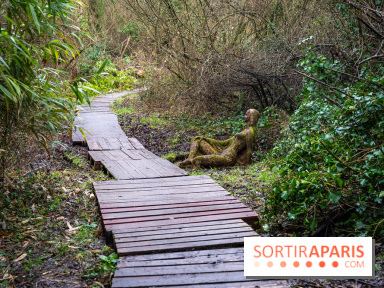
The Yvelines department (78), located to the west of Paris in Île-de-France, bears a name with surprisingly medieval roots. A vanished forest, ancient Latin, and a Versailles-born poet are behind this appellation, adopted by the National Assembly in 1968 to replace Seine-et-Oise. Here’s the full story.
Parc de la butte du chapeau rougeParc de la butte du chapeau rougeParc de la butte du chapeau rougeParc de la butte du chapeau rouge

Why is the Chapeau Rouge Hill in Paris called that?

In Paris’s 19th arrondissement, the Butte-du-Chapeau-Rouge Park has a name that sparks curiosity. Why is it called that? Here’s the story.
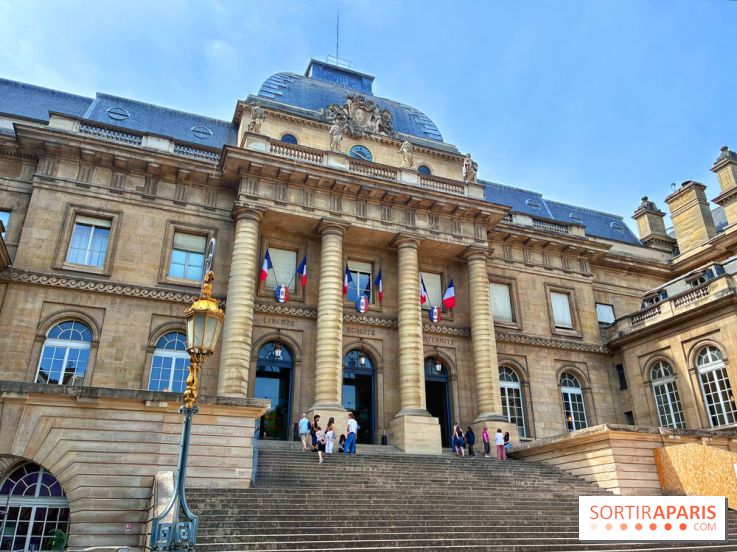
Tribunal de CommerceTribunal de CommerceTribunal de CommerceTribunal de Commerce

This stunning monument on the Île de la Cité exhibits an asymmetry, the result of a whimsical decision by Haussmann.

Located on the Île de la Cité, at the very heart of Paris's historic judiciary district, the Commercial Court building stands as an often-overlooked masterpiece of the Second Empire era. With its imposing dome and lavish interior, this architectural gem conceals a bold design choice: a deliberately offset dome crafted to accommodate the urban planning visions of Baron Haussmann.
Ombre est lumière, mémoire des lieux : une exposition d'art contemporain au cœur du PanthéonOmbre est lumière, mémoire des lieux : une exposition d'art contemporain au cœur du PanthéonOmbre est lumière, mémoire des lieux : une exposition d'art contemporain au cœur du PanthéonOmbre est lumière, mémoire des lieux : une exposition d'art contemporain au cœur du Panthéon

This little-known Parisian church has become France's largest burial site

This massive stone dome conceals one of the most turbulent histories of the capital. Originally built to serve as Paris’s most magnificent church, the Pantheon was eventually repurposed as a national necropolis. Discover how a sacred monument evolved into France’s greatest tomb, honoring the figures who have left an indelible mark on our history.
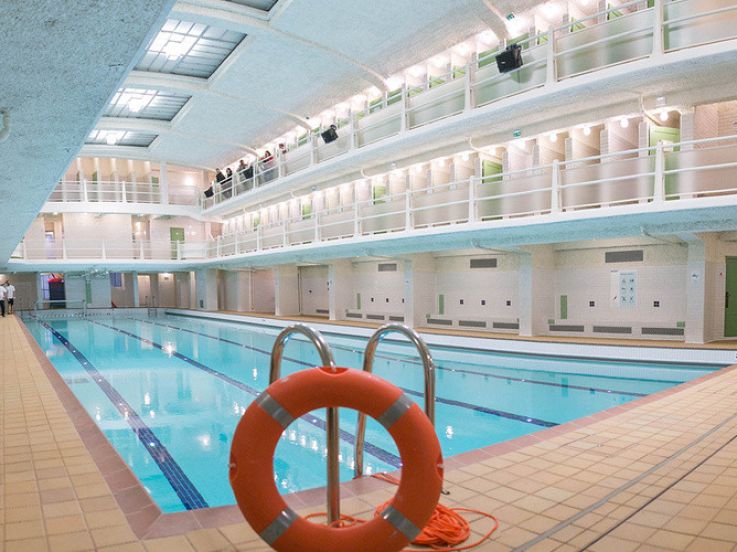
Cette piscine du 18e arrondissement de Paris a servi de décor à un célèbre filmCette piscine du 18e arrondissement de Paris a servi de décor à un célèbre filmCette piscine du 18e arrondissement de Paris a servi de décor à un célèbre filmCette piscine du 18e arrondissement de Paris a servi de décor à un célèbre film

This 18th arrondissement swimming pool in Paris once served as the filming location for a well-known movie.

A true Art Deco treasure tucked away in the 18th arrondissement, the Amiraux Pool is much more than just a public swimming pool. Recognized as a historic monument, this masterpiece by Henri Sauvage has become a legendary backdrop in cinema history, notably featured in the beloved film Amélie.
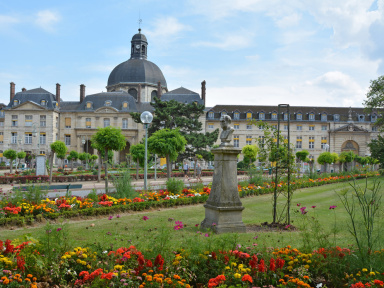
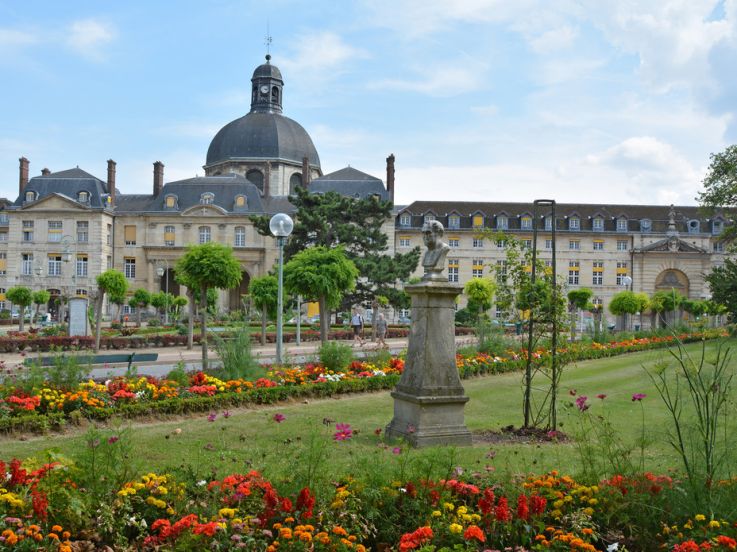
Ce célèbre hôpital parisien était à l'origine... une fabrique de poudre à canonCe célèbre hôpital parisien était à l'origine... une fabrique de poudre à canonCe célèbre hôpital parisien était à l'origine... une fabrique de poudre à canonCe célèbre hôpital parisien était à l'origine... une fabrique de poudre à canon

This famous Parisian hospital originally started out as... a gunpowder factory.

Did you know that one of Paris’s largest hospitals was once a gunpowder factory? Let’s take a look at this remarkable transformation at the heart of the city.
Musée d'art et d'histoire Paul Eluard de Saint-DenisMusée d'art et d'histoire Paul Eluard de Saint-DenisMusée d'art et d'histoire Paul Eluard de Saint-DenisMusée d'art et d'histoire Paul Eluard de Saint-Denis

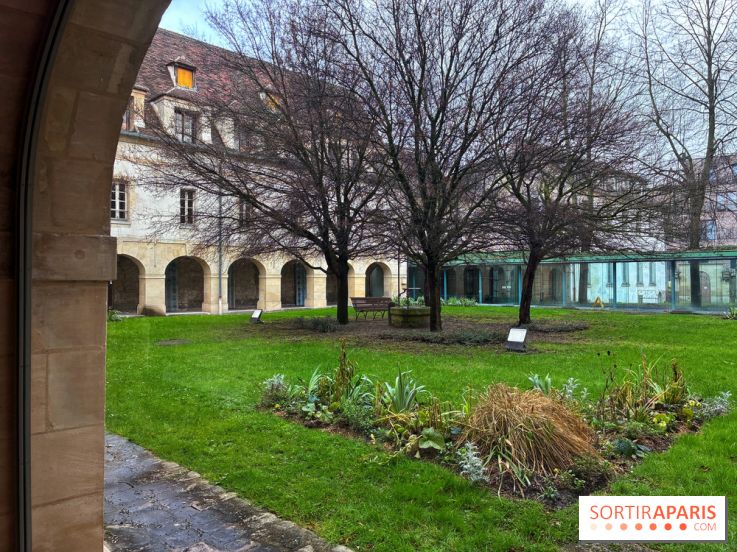
Did you know? This historic convent in Saint-Denis is home to a museum dedicated to art and history.

The Paul Éluard Museum of Art and History hides an architectural secret. Situated in a former 17th-century Carmelite convent, this unique site once sheltered Louise of France, daughter of Louis XV. From the old cells of the nuns to relics of the Paris Commune, explore a museum where treasures of social history peacefully coexist with the quietness of a cloister that has been remarkably preserved.
Le saviez-vous ? Le fondateur du Red Star est aussi l'homme qui a inventé la Coupe du Monde !Le saviez-vous ? Le fondateur du Red Star est aussi l'homme qui a inventé la Coupe du Monde !Le saviez-vous ? Le fondateur du Red Star est aussi l'homme qui a inventé la Coupe du Monde !Le saviez-vous ? Le fondateur du Red Star est aussi l'homme qui a inventé la Coupe du Monde !

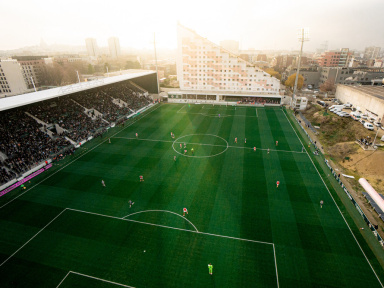
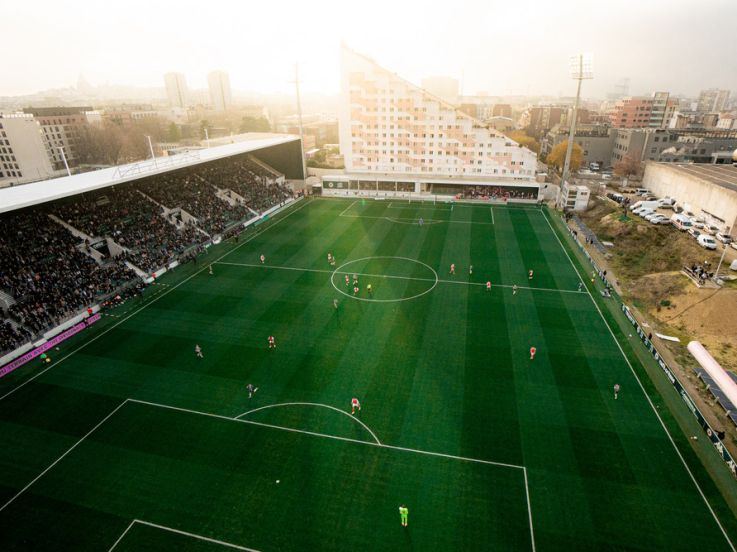
Did you know? The founder of Red Star was also the visionary behind the creation of the World Cup!

Red Star isn't just any club. Welcome to Saint-Ouen, inside the legendary Stade Bauer, where every goal tells a story over a hundred years in the making. Step into the saga of this iconic red star, founded by the visionary behind the World Cup.
mosaique gutenbergmosaique gutenbergmosaique gutenbergmosaique gutenberg

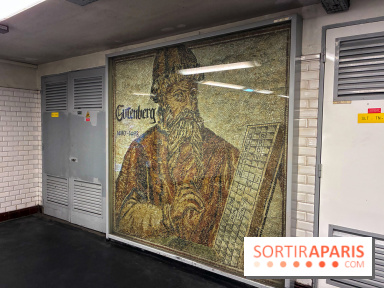
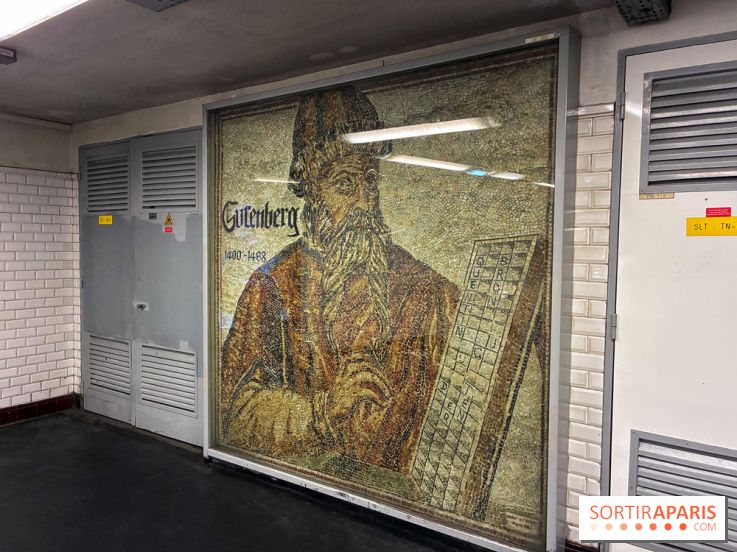
Did you know? An astonishing mosaic of Gutenberg can be found in this metro station on Line 4.

In the Saint-Germain-des-Prés station, away from the stark white corridors, lies a stunning mosaic dedicated to Johannes Gutenberg and the history of printing. An unexpected artistic pause before catching the metro!
square Félix desruelles art nouveausquare Félix desruelles art nouveausquare Félix desruelles art nouveausquare Félix desruelles art nouveau

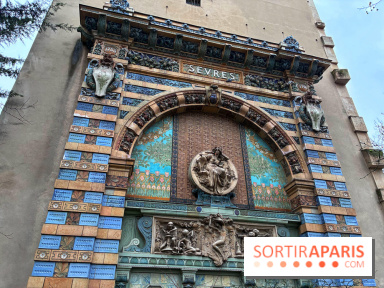
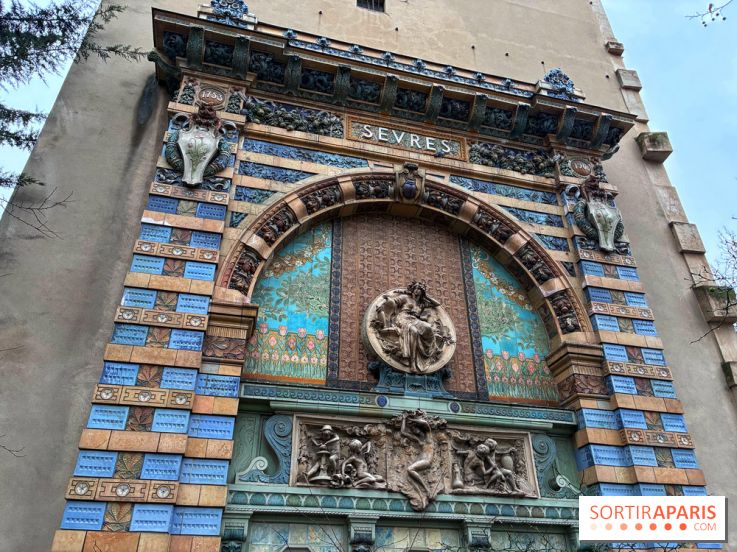
Where can you admire this stunning Art Nouveau ceramic portico tucked away in a square in Paris?

It’s one of the most stunning facades in Paris, yet it’s not part of a building. Hidden away in a quiet square, a multicolored ceramic wall has withstood the test of time since 1900. Discover the captivating history of the Sèvres portico, a masterpiece of Art Nouveau that survived the ages.
Partez sur les traces des médaillons Arago et leurs secrets, cachés sous nos pieds dans ParisPartez sur les traces des médaillons Arago et leurs secrets, cachés sous nos pieds dans ParisPartez sur les traces des médaillons Arago et leurs secrets, cachés sous nos pieds dans ParisPartez sur les traces des médaillons Arago et leurs secrets, cachés sous nos pieds dans Paris

Discover the story of the Arago medallions and their hidden secrets, tucked away beneath the streets of Paris.

It’s one of the longest monuments in the world yet remains almost invisible to the eye. Scattered throughout the heart of the city from north to south, 135 bronze discs conceal a captivating story: that of the Paris Meridian. From the Louvre to the pathways of the Luxembourg Gardens, embark on an unusual treasure hunt through history!
Le saviez-vous ? Cette pyramide à Villejuif a permis de créer la première carte de FranceLe saviez-vous ? Cette pyramide à Villejuif a permis de créer la première carte de FranceLe saviez-vous ? Cette pyramide à Villejuif a permis de créer la première carte de FranceLe saviez-vous ? Cette pyramide à Villejuif a permis de créer la première carte de France

Did you know? This pyramid in Villejuif was instrumental in creating the very first map of France.

Did you know that a small leaning monument in Villejuif played a key role in defining France's measurements and inventing the meter? The enigmatic Cassini Pyramid, once a vital reference point for mapping the kingdom during Louis XV’s reign, is still visible today.
Pavillon de l'ErmitagePavillon de l'ErmitagePavillon de l'ErmitagePavillon de l'Ermitage

The Pavilion of the Hermitage, the last remnant of the Château de Bagnolet, is a must-see curiosity in the 20th arrondissement.

Through its gates, you can glimpse a genuine relic from the 18th century: the Pavilion of the Hermitage, the last remaining structure from the Château de Bagnolet still standing, and a true folly of its era.
Visuel Paris 16e - Tour Eiffel automne IénaVisuel Paris 16e - Tour Eiffel automne IénaVisuel Paris 16e - Tour Eiffel automne IénaVisuel Paris 16e - Tour Eiffel automne Iéna

Did you know? Why does the city of Paris have a snail-shaped layout?

If you look at a map of Paris, you'll notice an intriguing spiral winding outward from the city center to the outskirts. Known as the "Parisian snail," this pattern is more than just a visual quirk. Beneath its artistic charm lies a subtle political and historical shift that transformed the daily lives of Parisians in 1860.
Visuels Paris - Pont MirabeauVisuels Paris - Pont MirabeauVisuels Paris - Pont MirabeauVisuels Paris - Pont Mirabeau

Left Bank or Right Bank: How to effortlessly remember which is which?

This is the classic dilemma faced by any Parisian stroller. While the Seine divides the city into two distinct banks, knowing exactly which side you're on after crossing a bridge isn't always straightforward. To avoid mixing up the Left Bank and the Right Bank forever, just remember an age-old rule as ancient as the river itself.
Pour fêter ses 150 ans, une fontaine Wallace fait son entrée au Musée du CarnavaletPour fêter ses 150 ans, une fontaine Wallace fait son entrée au Musée du CarnavaletPour fêter ses 150 ans, une fontaine Wallace fait son entrée au Musée du CarnavaletPour fêter ses 150 ans, une fontaine Wallace fait son entrée au Musée du Carnavalet

The Little History of Parisian Furniture: These 5 Iconic Pieces That Capture the Soul of Paris

You pass by them without always noticing, yet Paris wouldn’t quite be itself without their familiar presence. From the natural curves of the Metro stations to the chipped domes of newspaper kiosks, urban fixtures have been shaping the city’s character since the 19th century. Dive into the story of these everyday icons that keep the heart and soul of Paris beating.