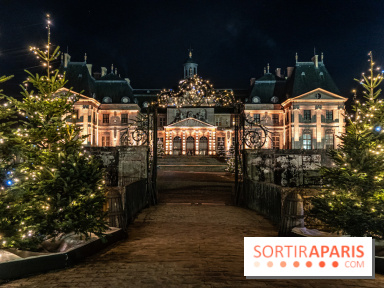
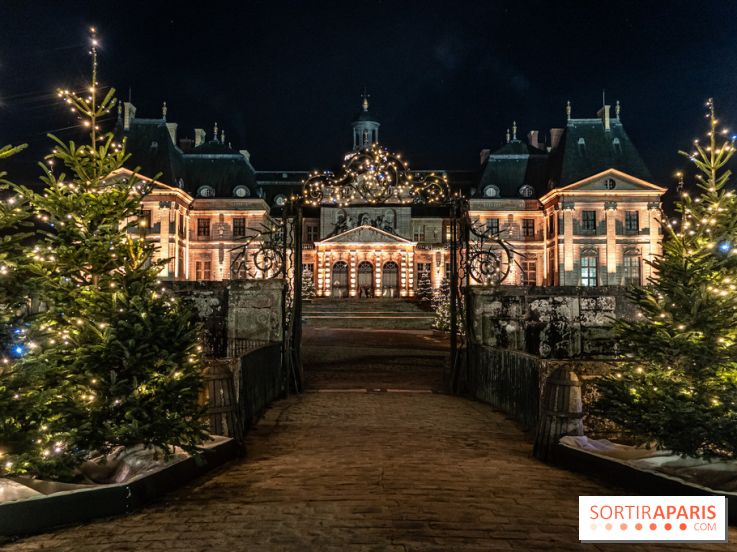
The Château de Vaux-le-Vicomte is certainly one of the most beautiful in the Paris region, and when it was built, it aroused a great deal of jealousy! King Louis XIV even punished its owner, Nicolas Fouquet, because of its splendor!
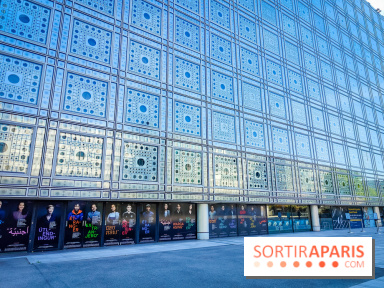
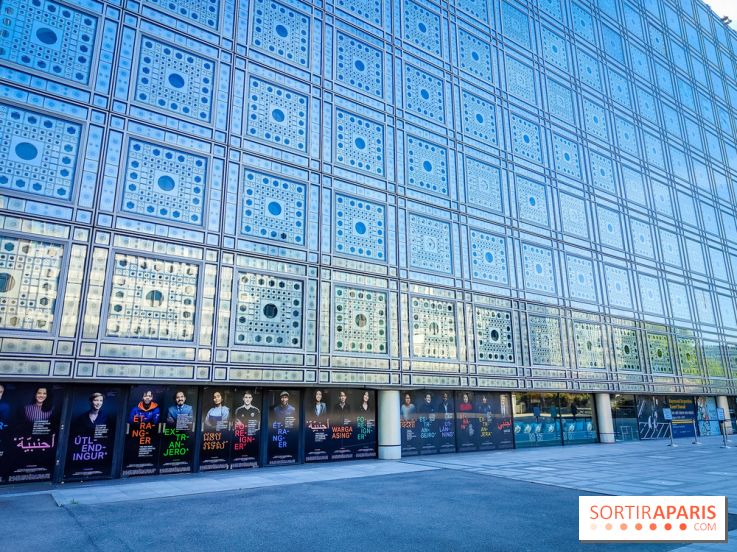
The facades of Parisian monuments are mysterious... In the 5th arrondissement of Paris, one of them moves according to the position of the sun, following the principle of Arab geometry!
Did you think that boats only sailed on the Seine in Paris? Well, no, they also snake under our feet, in the sewers, to clean those huge pipes, several times a year!
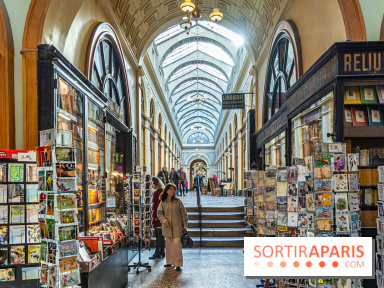
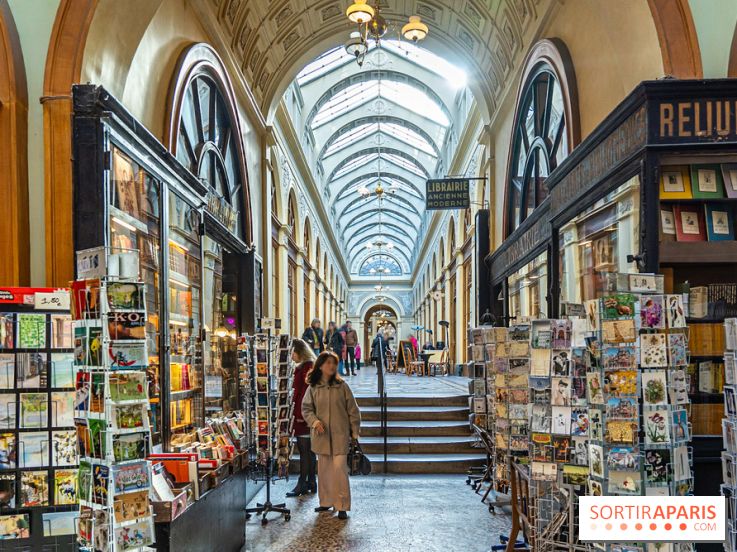
Discover the Galerie Vivienne, a historic gem in the heart of Paris, open since 1826 and listed as a historic monument. It's a must-see in Paris, especially when it rains.
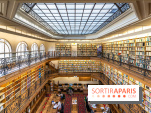
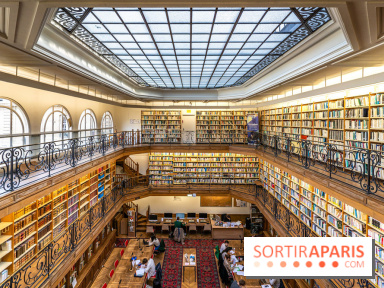
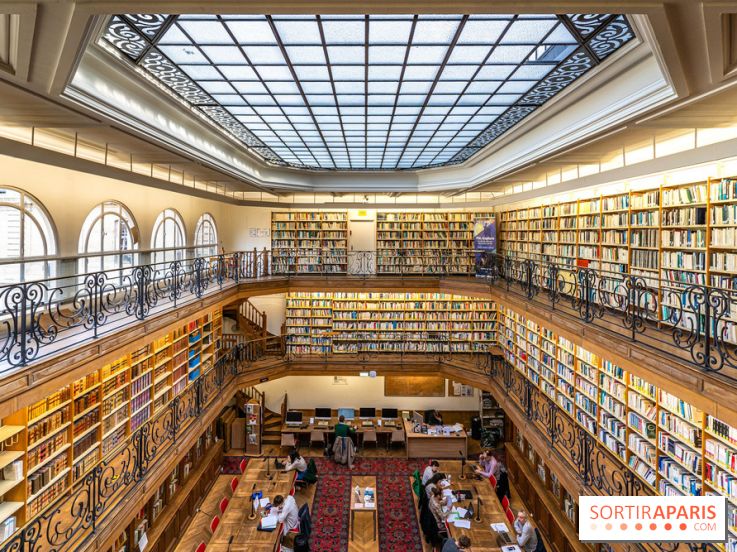
The sublime Bibliothèque des Mines Paris (PSL), nestled in the historic Hôtel de Vendôme in the Luxembourg Gardens, invites you to take a trip back in time to the 18th century. With over 200,000 documents, the library is open to all.
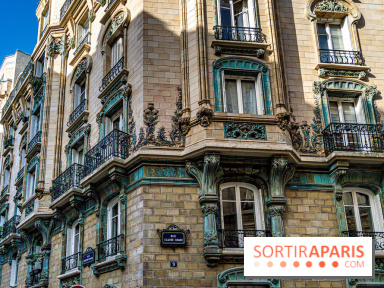
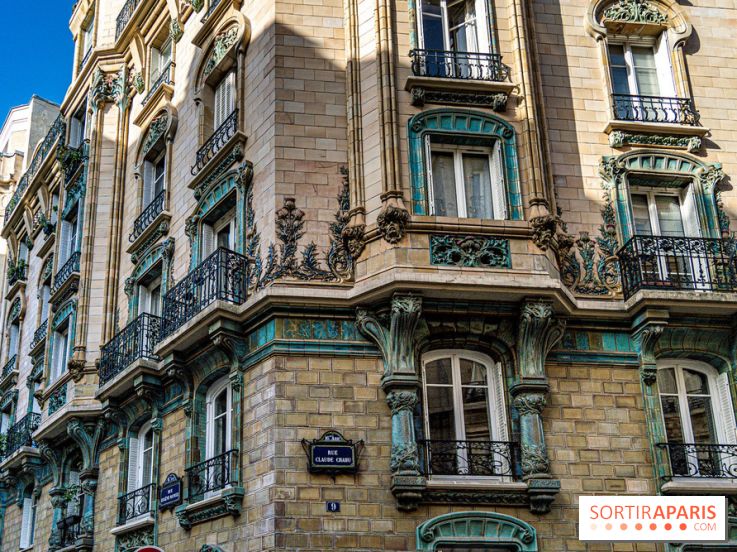
In the heart of Paris's 16th arrondissement, the Immeuble de Charles Klein stands out for its unique representation of thistles. Built in 1903, this Art Nouveau architectural jewel invites you on a voyage of discovery rich in history and aesthetics.
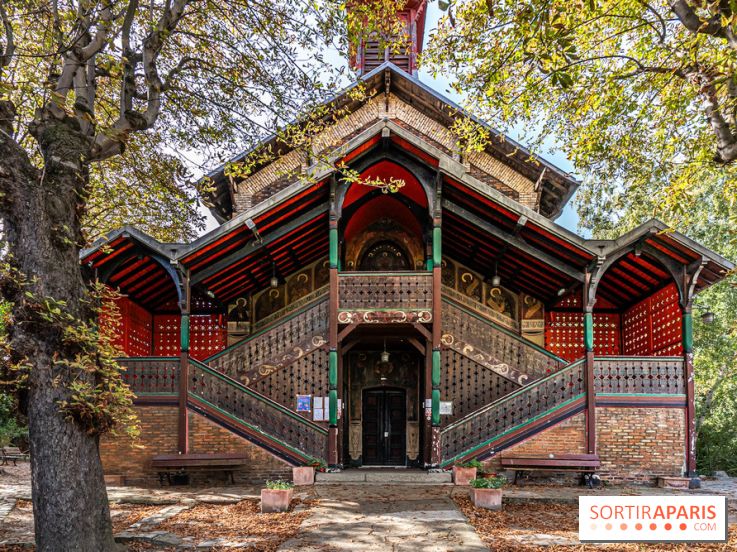
In the heart of Paris's Buttes-Chaumont district lies the unusual Saint-Serge de Radonège church. Not visible from the street, in the 19th arrondissement, this church is an architectural nugget waiting to be discovered.
Want to see the Earth spinning at the end of a wire? You're in luck, because two of Foucault's pendulums can be seen in Paris, in the heart of the Panthéon and the Musée des Arts et Métiers.
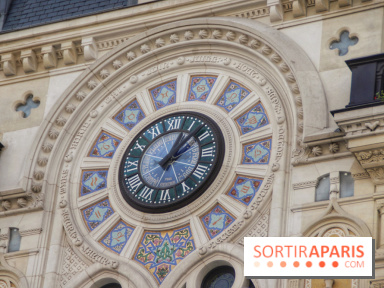
For a little architectural stroll, choose Paris's 2nd arrondissement, and rue Réaumur in particular. It's packed with exceptional facades, including a cathedral building with a clock and astrological wheel.
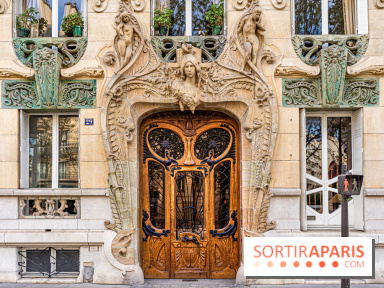
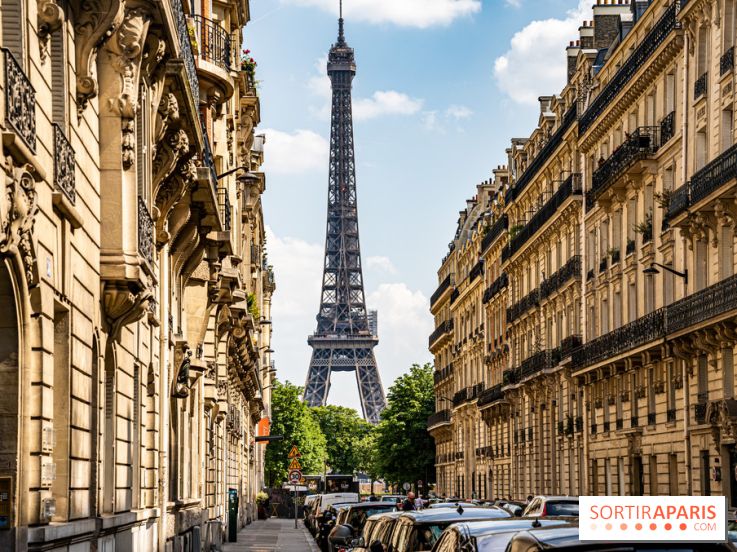
The Immeuble Lavirotte is a masterpiece of Parisian Art Nouveau, located on Avenue Rapp in the 7th arrondissement. Erected between 1900 and 1901 by Jules Lavirotte, this award-winning building's dreamlike facade is particularly appealing if you're walking near the Eiffel Tower.
Even though next year's Olympic Games will be held in France, it's customary to hear French spoken since the inception of the modern Games. But do you know why it's the official language of the competition?
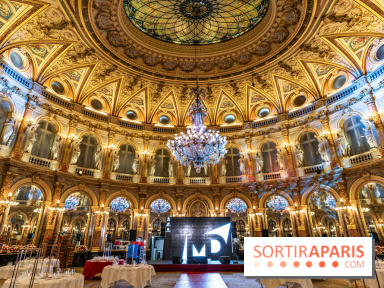
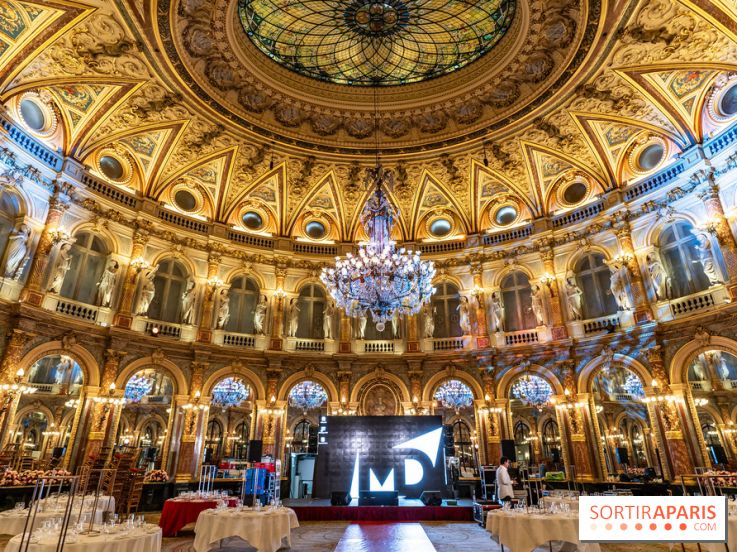
In the heart of Paris, the Intercontinental Paris Le Grand, formerly known as "Le Grand Hôtel", is a unique place that opened in 1862 and reveals exceptional historical treasures. Be sure to discover its hidden ballroom and sublime glass roof for a timeless break!
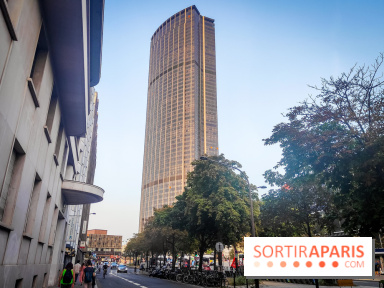
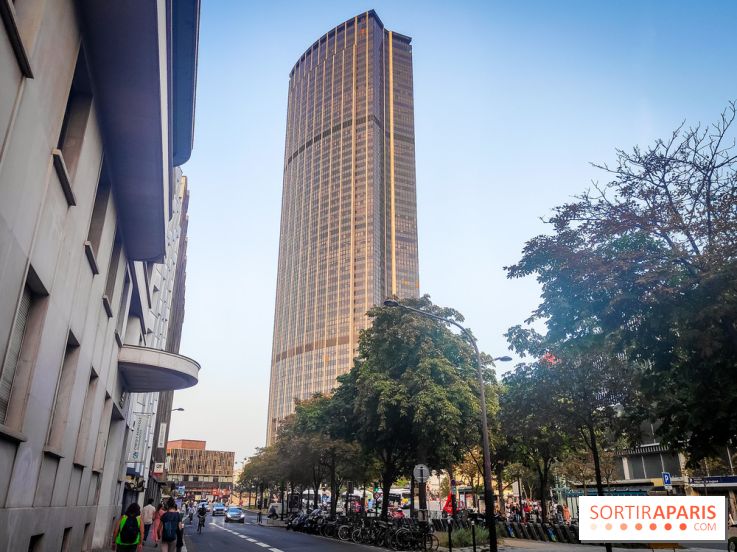
If you take the Paris metro on lines 6, 13, 4 or 12, you may have already got off at Montparnasse-Bienvenüe station, where you usually stop to enter the Montparnasse station in the south of Paris. But why call the station that?
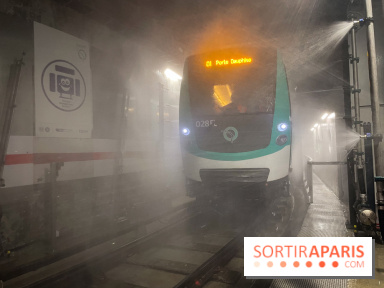
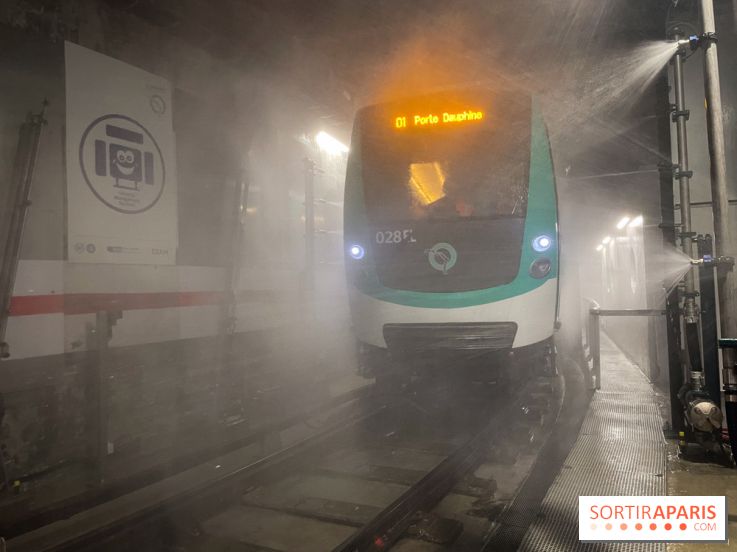
Have you ever seen a metro go through the washing machine? Under our feet, between Nation and the maintenance workshops on line 2, our trains are regularly sprayed to keep them clean!
Haussmannian buildings are one of Paris's most emblematic architectural styles. But do you really know them? Here's a brief history of Haussmann architecture and its characteristics!
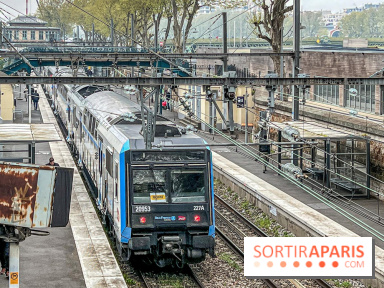
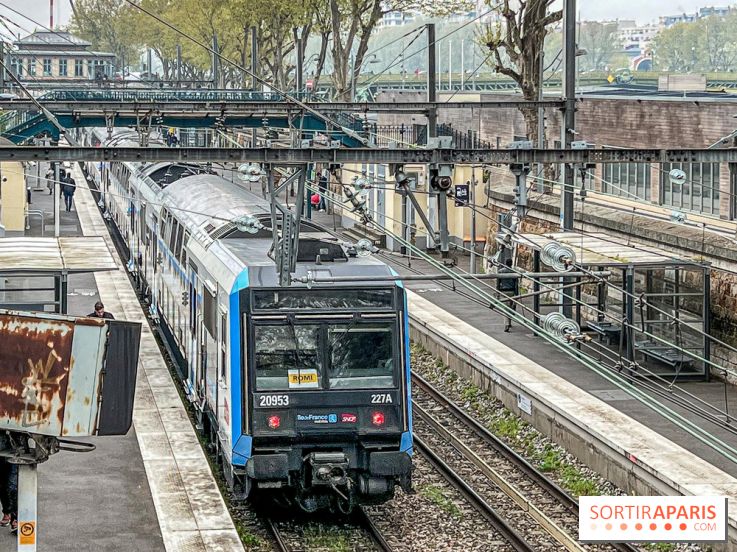
Did you know? In 1970, the iconic RER A, a fixture of Parisian transport, narrowly missed being christened "MERDE". A surprising anecdote thanks to the RATP and a vigilant painter.
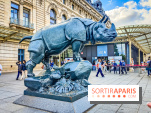
Large animal statues have long adorned the square surrounding the Musée d'Orsay. But do you know where they come from and what they represent? We tell you.
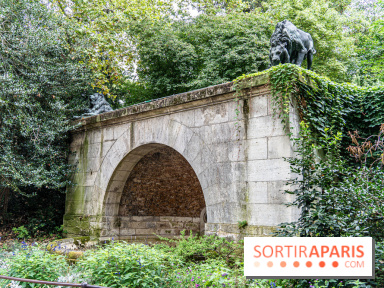
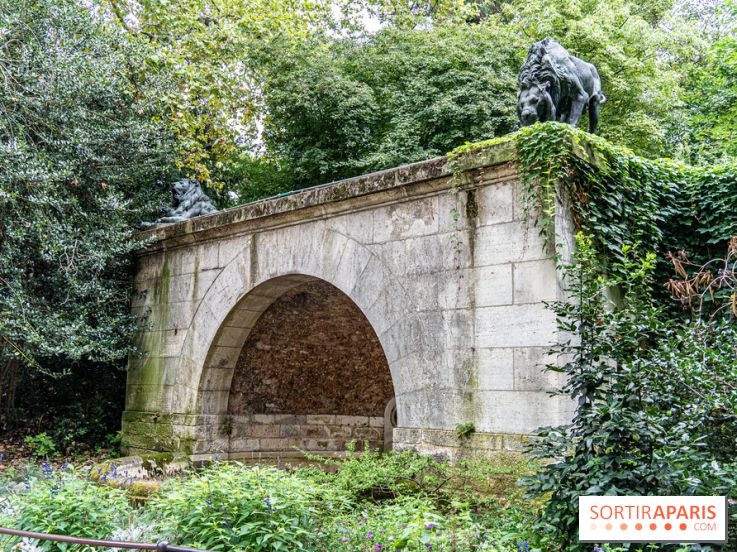
Do you know the Lion Fountain in the Jardin des Plantes? Located near the entrance on rue Geoffroy Saint Hilaire, this work of art dating from 1863 awaits you at the foot of Buffon's labyrinth. We tell you all about it.
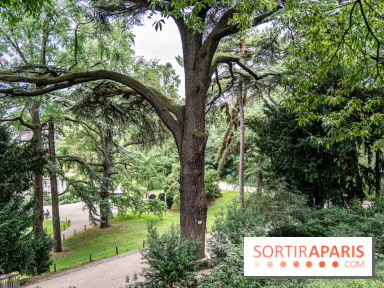
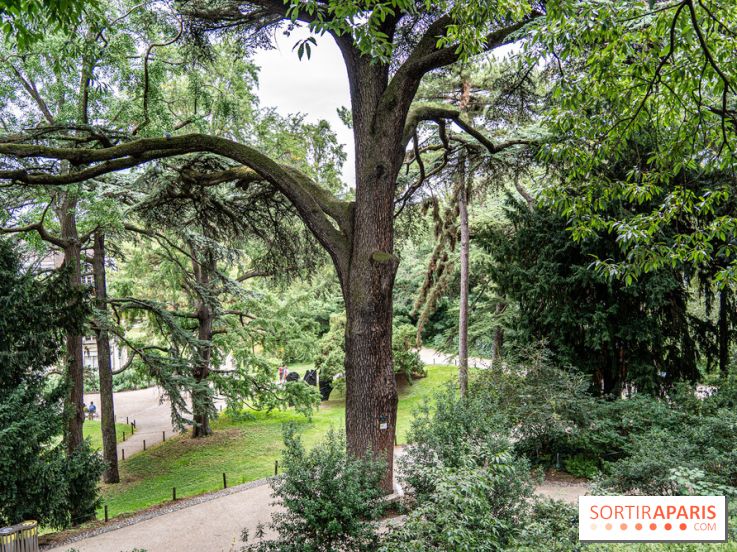
In the heart of Paris, the Jardin des Plantes is home to a historical curiosity: the oldest cedar of Lebanon in France. Planted in 1734, its history is a mixture of botany, legend and an incredible journey. Let's take a green walk through Buffon's labyrinth to discover this remarkable 300-year-old tree.