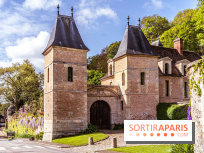
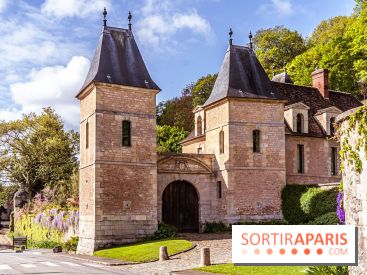
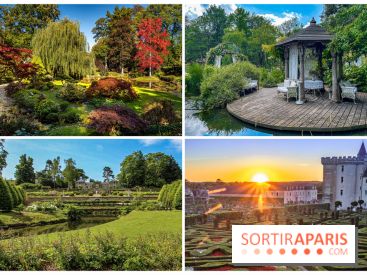
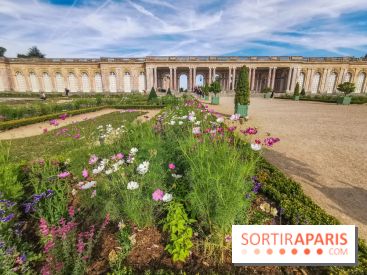
Let's discover the Domaine du Trianon! Established on the site of the former village of Trianon, bought by Louis XIV in 1661, the Trianon estate was gradually extended and transformed until the end of the Ancien Régime. For a change from the glitz and glamour of Versailles, the Domaine de Trianon looks like a small village.
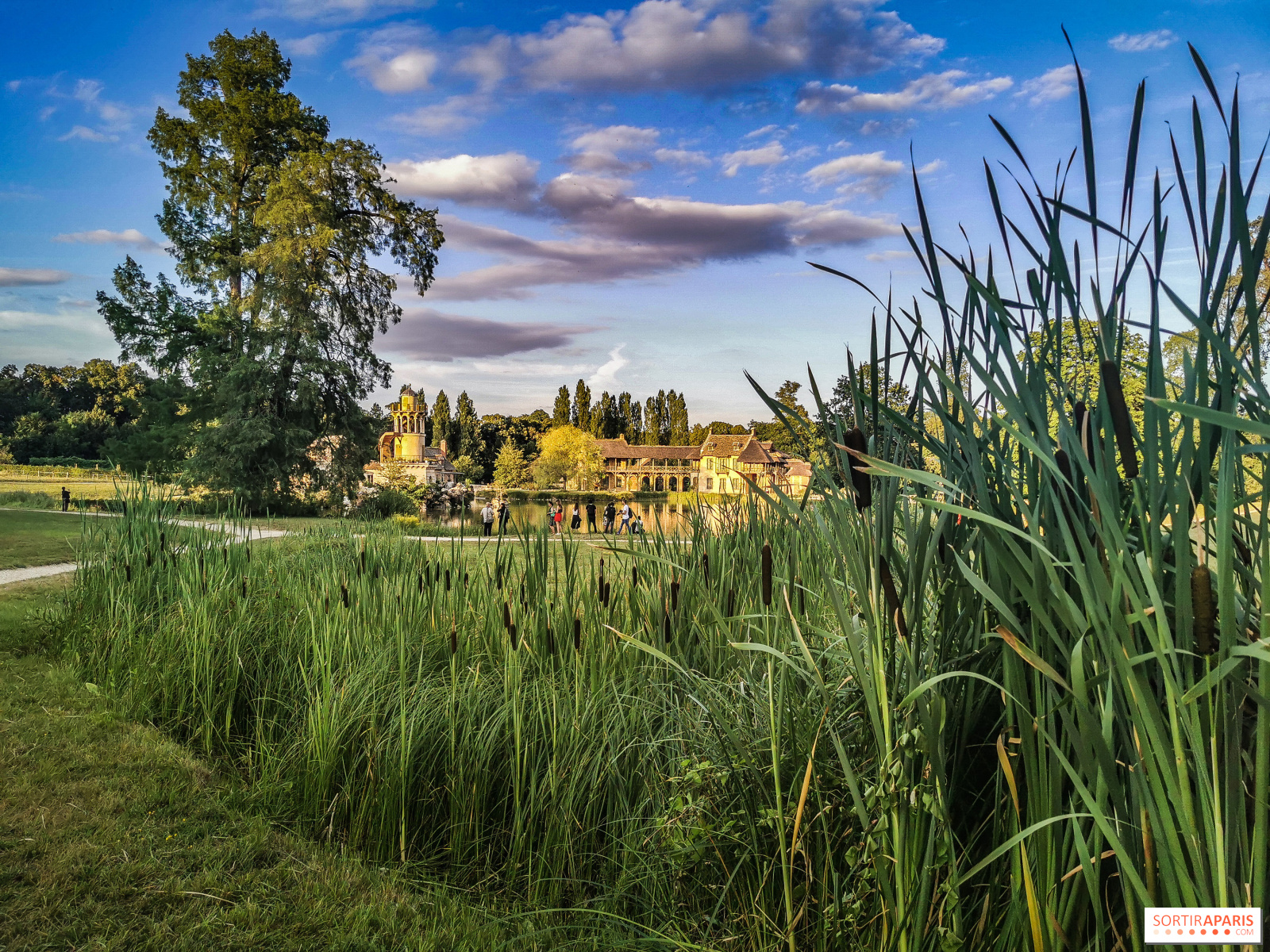
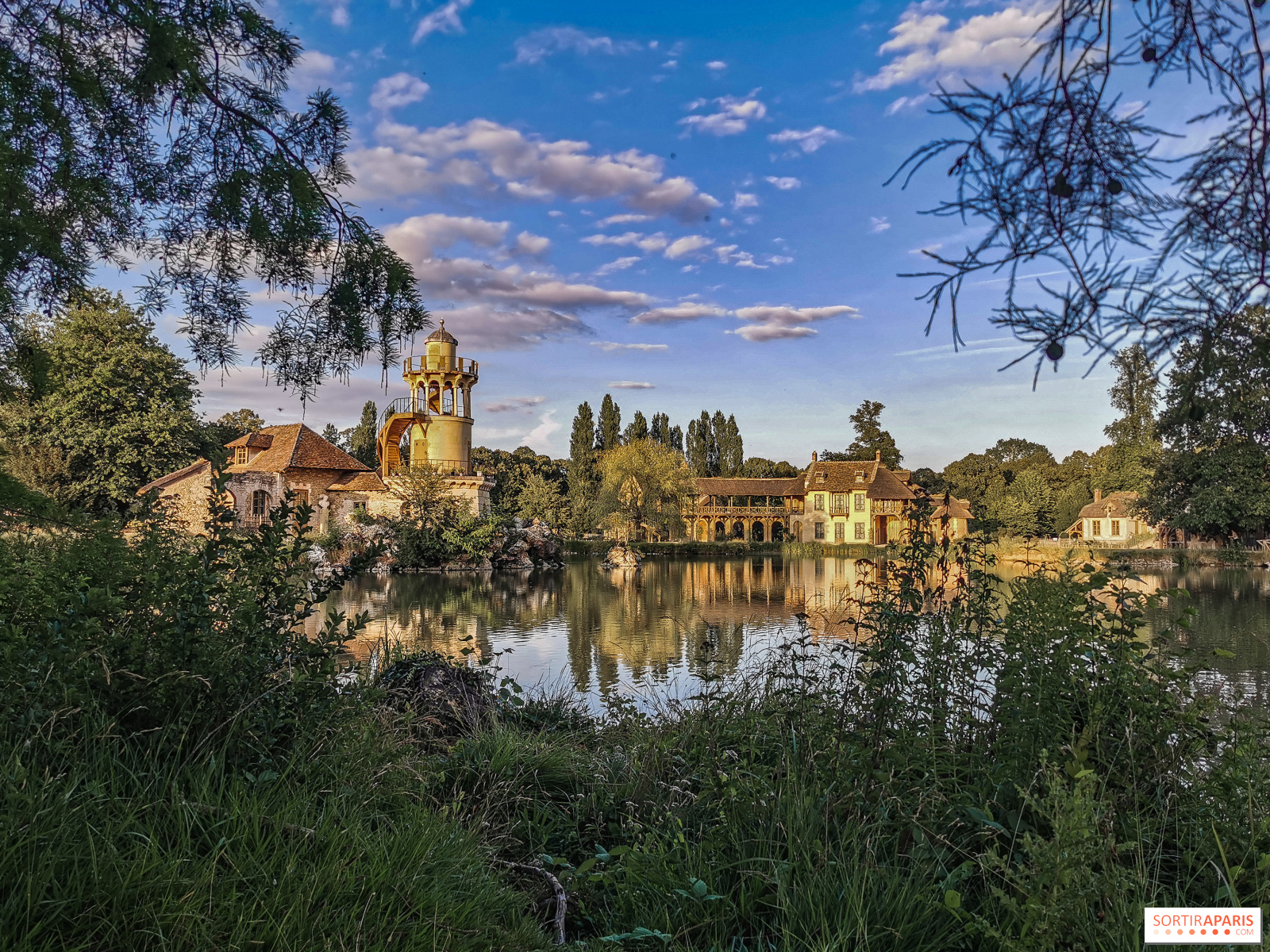
Originally, the estate comprised a single castle—the Grand Trianon—built by Jules Hardouin-Mansart for Louis XIV in 1687. It wasn't until 1761-1768 that a second palace, the Petit Trianon, was constructed by Ange-Jacques Gabriel for Louis XV. Queen Marie-Antoinette, who frequented the site often, later added a whimsical small village, the Hameau, designed by Richard Mique between 1783 and 1786.

This estate once served as a private retreat for monarchs during the reigns of Louis XV and Louis XVI. It offered an escape from court life during the summer months, hosting festivities, performances, and dinners.
In 1810, under Napoleon I, the Trianon estate was distinctively separated from Versailles, with new fences and barriers erected to delineate the boundary. A century later, in 1910, it was once again integrated into the Versailles site.
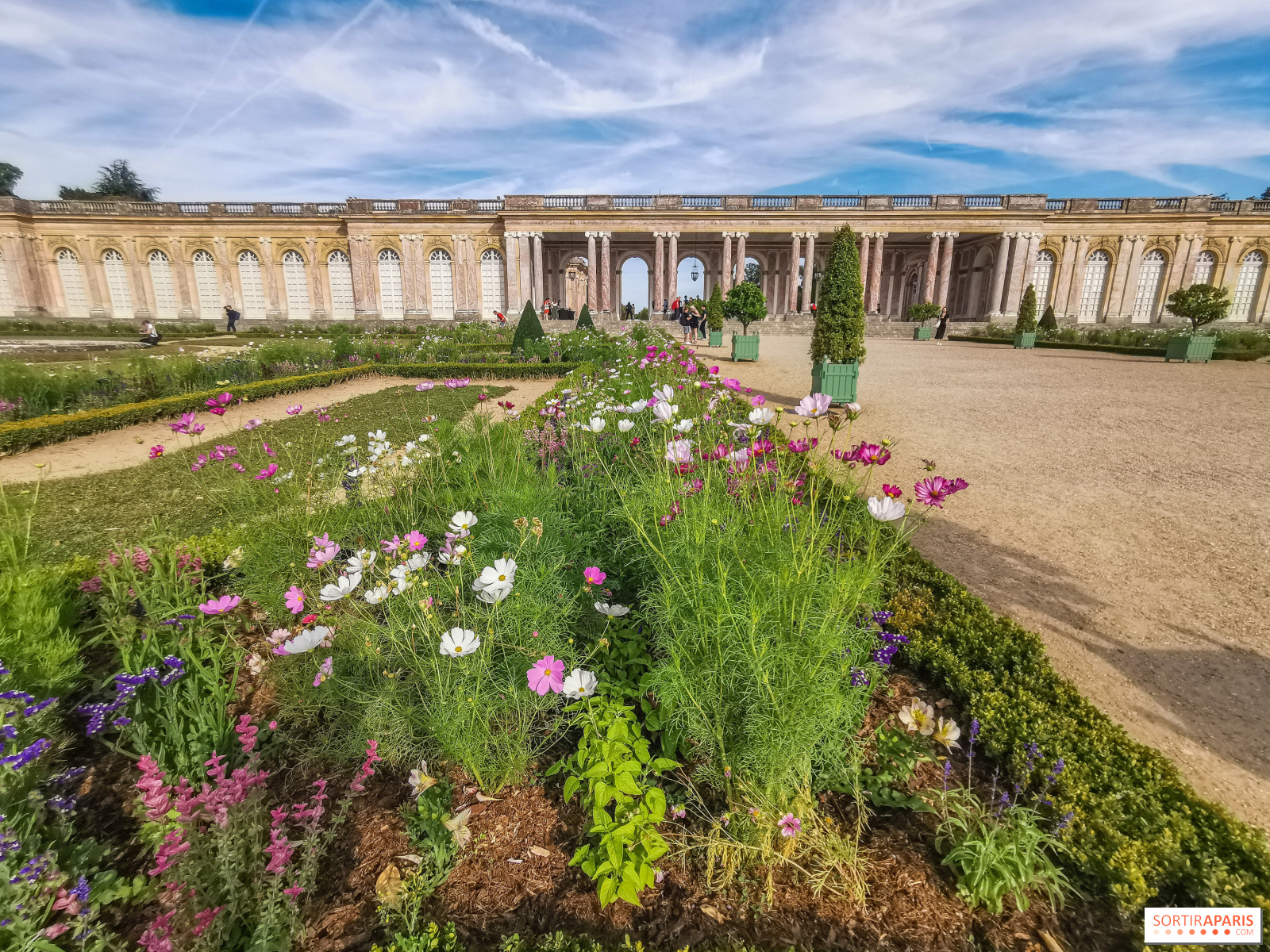
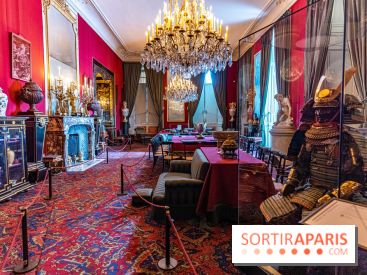
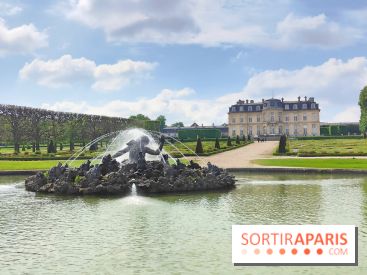
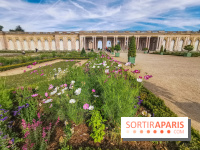
While the Grand Trianon features classical, rectilinear gardens, its architectural style breaks with the traditional three-storey castle design. Built on a single level, it boasts a marble peristyle in Languedoc pink, opening onto the gardens, with interiors decorated in wood paneling—an embodiment of 18th-century refined living. King Louis XIV often visited with his new wife, the Marquise de Maintenon, for brief sojourns.
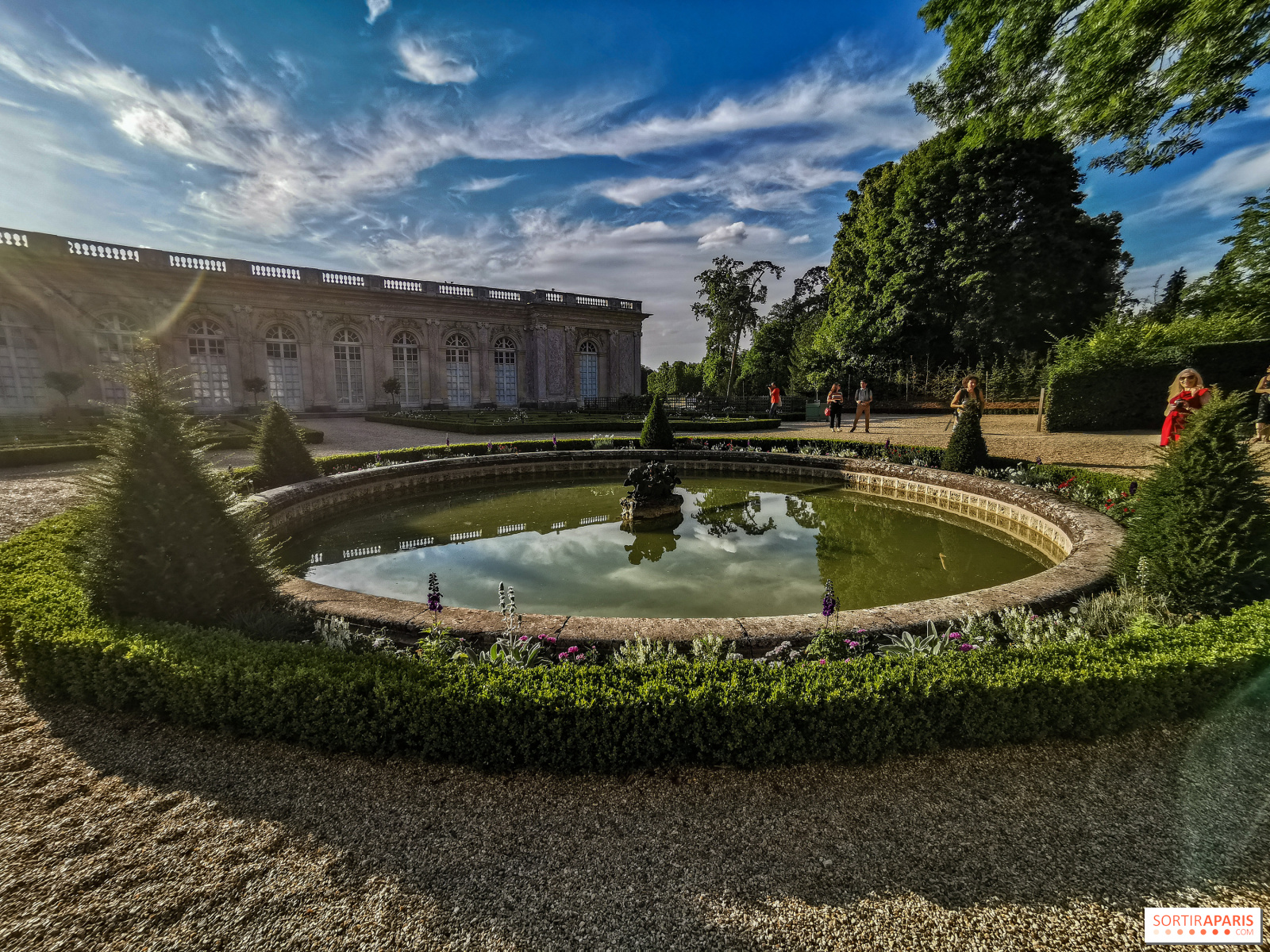
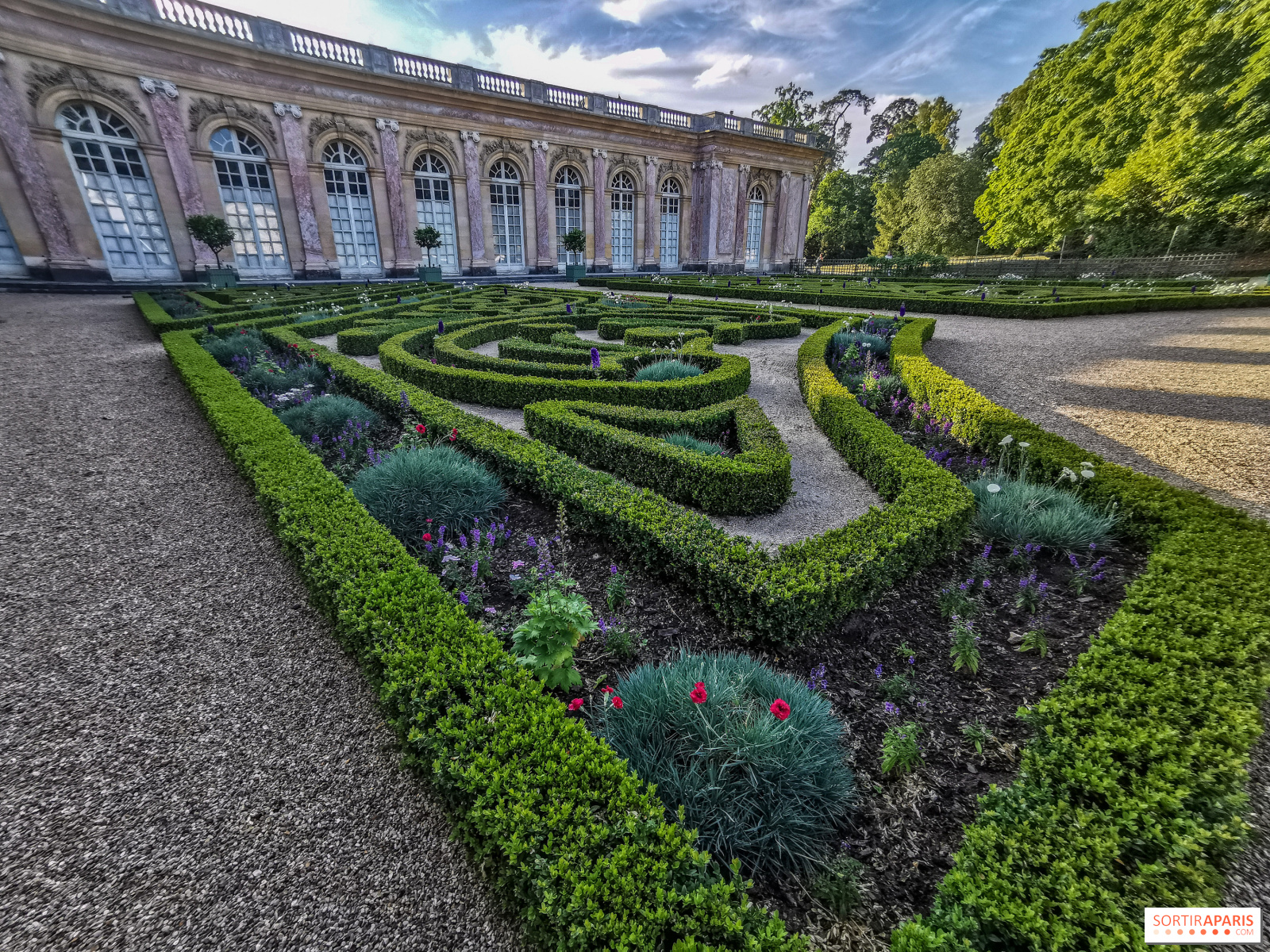
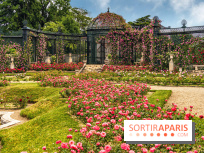
Overlooking the Grand Canal, which Louis XIV loved to cruise on by boat to reach Trianon, the French-style gardens were designed by Michel Le Bouteux, nephew of André Le Nôtre. Their orderly, geometric arrangement was filled with thousands of fragrant, precious plants—tulips, hyacinths, anemones, lilies, jasmines, daffodils, wallflowers...
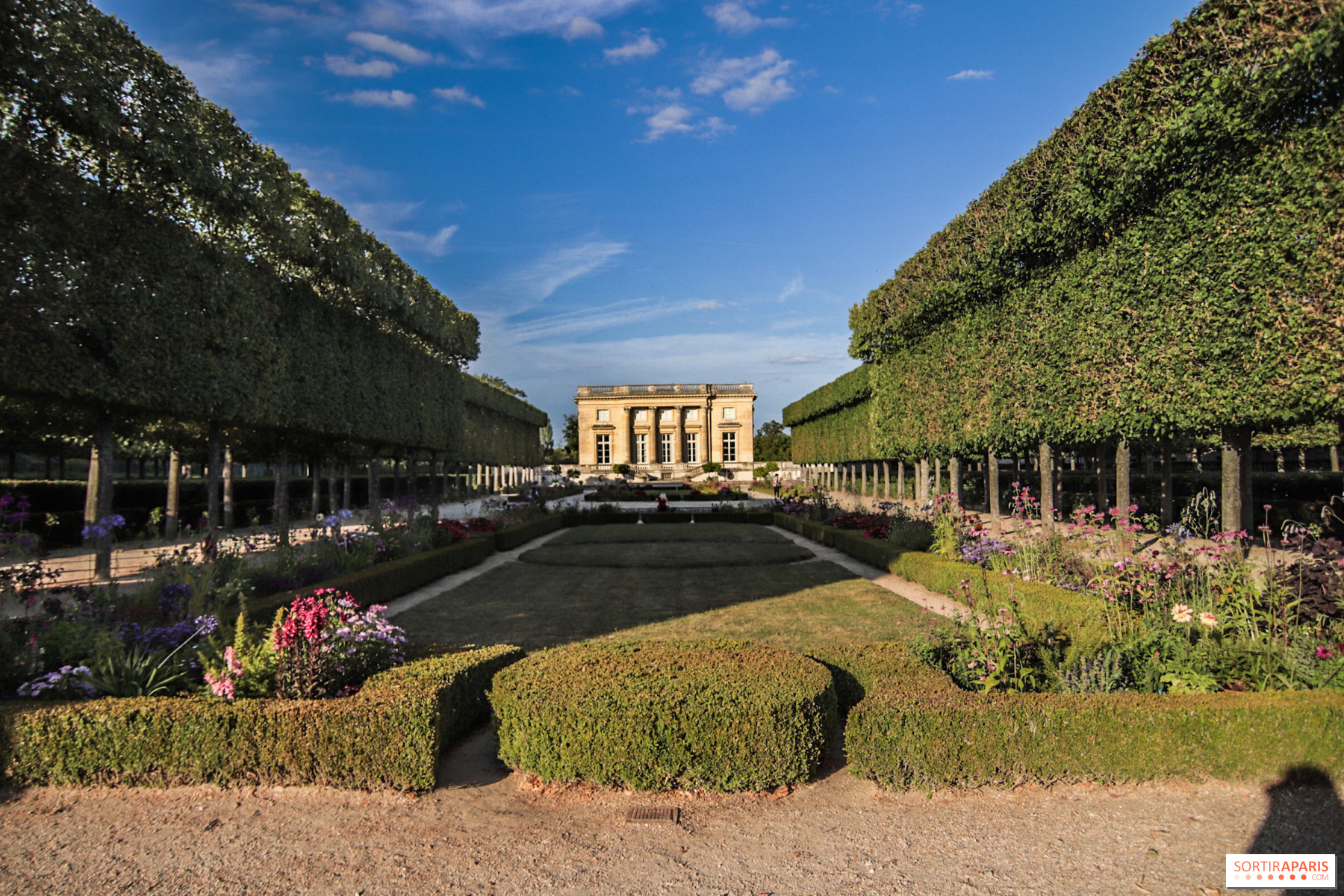
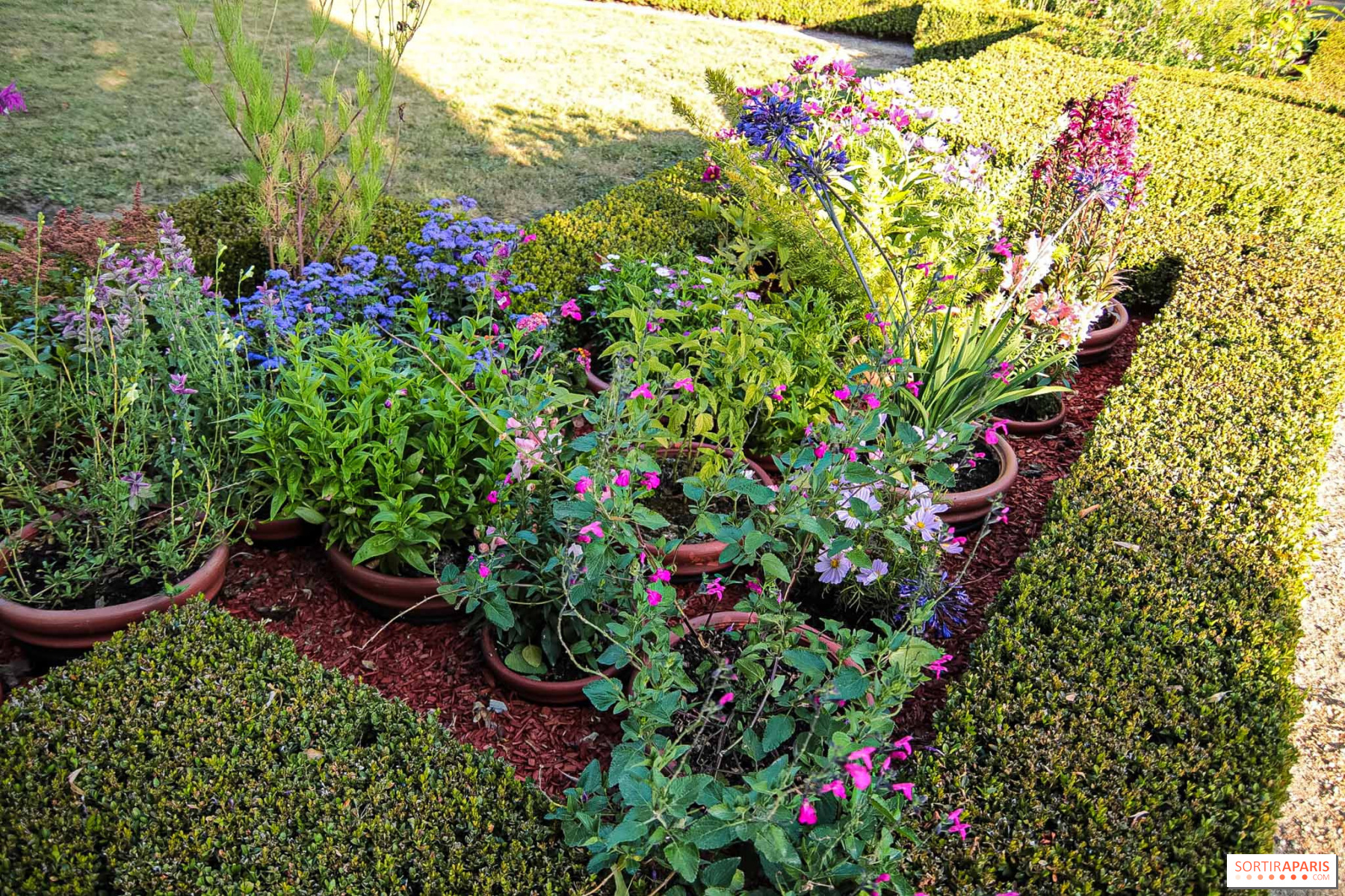
Unlike typical planting in open ground, these flowers were kept in pots, allowing for daily rearrangement and creating a vibrant, fragrant decor that perfectly complemented the architecture of the Grand Trianon—a true “Palace of Flora” open to the gardens.

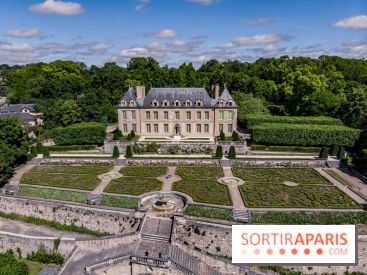
The Marquise de Pompadour prompted the King to enclose the garden’s perspective with a new castle: the Petit Trianon, built between 1761 and 1768 by Ange-Jacques Gabriel. Initially inhabited by Madame du Barry, Louis XV’s new favorite, after Madame de Pompadour’s death in 1764, this modest palace became a focal point for royal leisure.
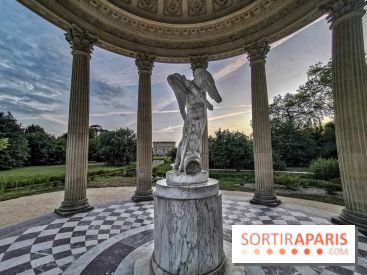
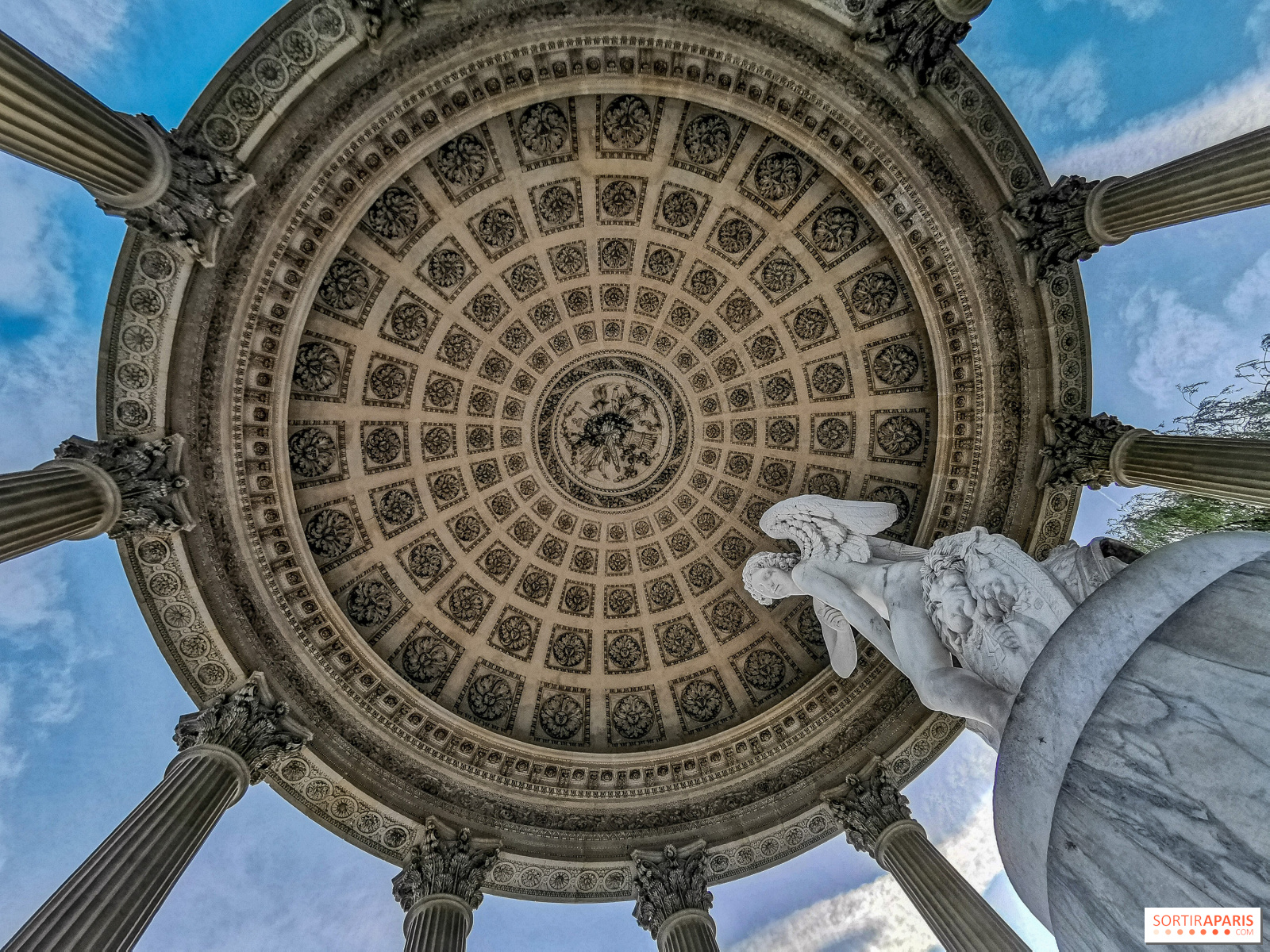
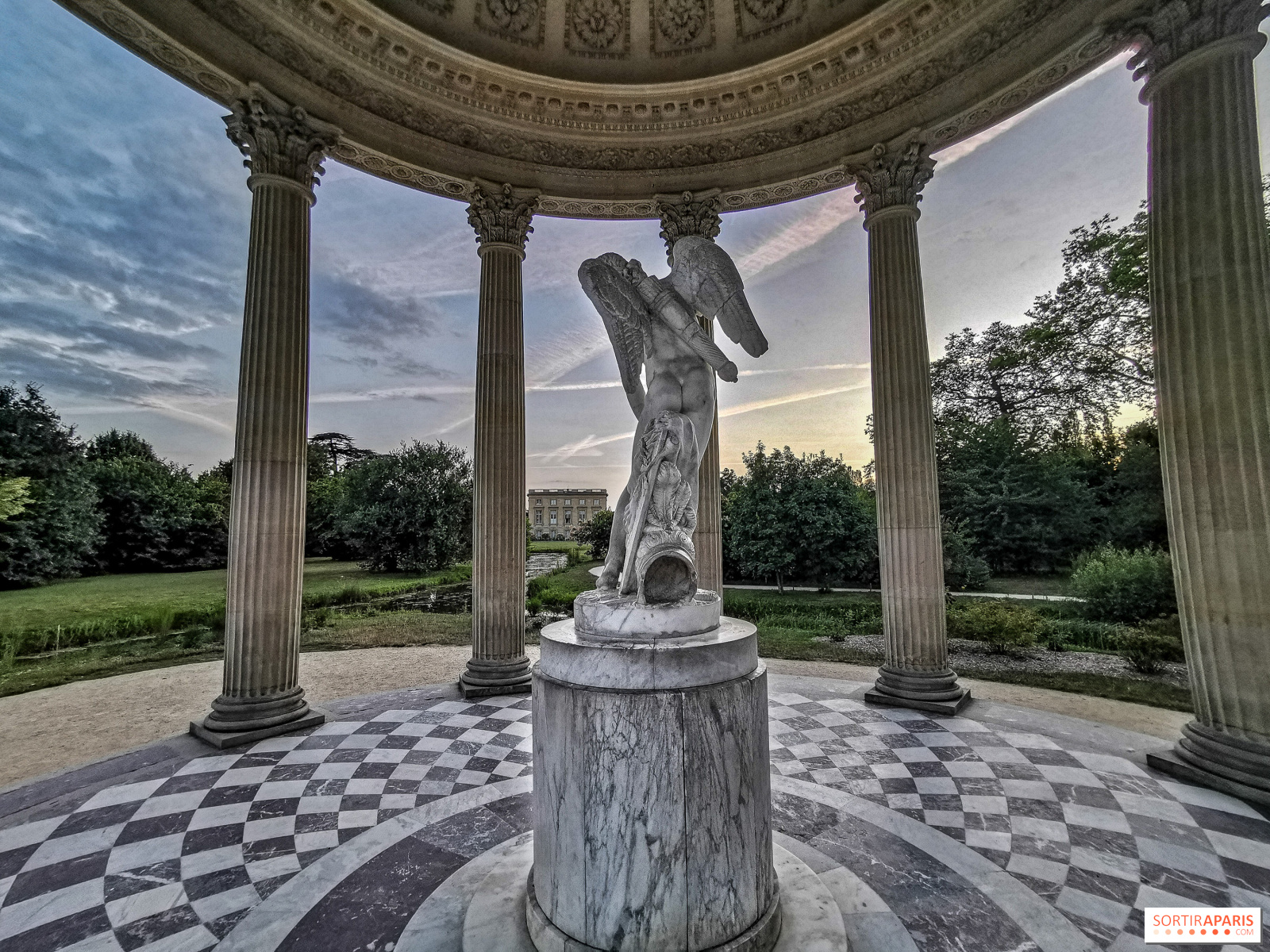
In 1774, Louis XVI gifted the Petit Trianon to his wife, Marie-Antoinette. She made it her private retreat, completely transforming the gardens into an Anglo-Chinese style landscape, featuring grottoes, waterfalls, and various follies designed by her architect Richard Mique. To the front of the Petit Trianon, she built the Temple of Love, an ancient rotunda housing a replica—crafted by Louis-Philippe Mouchy—of the sculpture Love Carving an Arrow from Hercules’ Mace, giving the site its name.
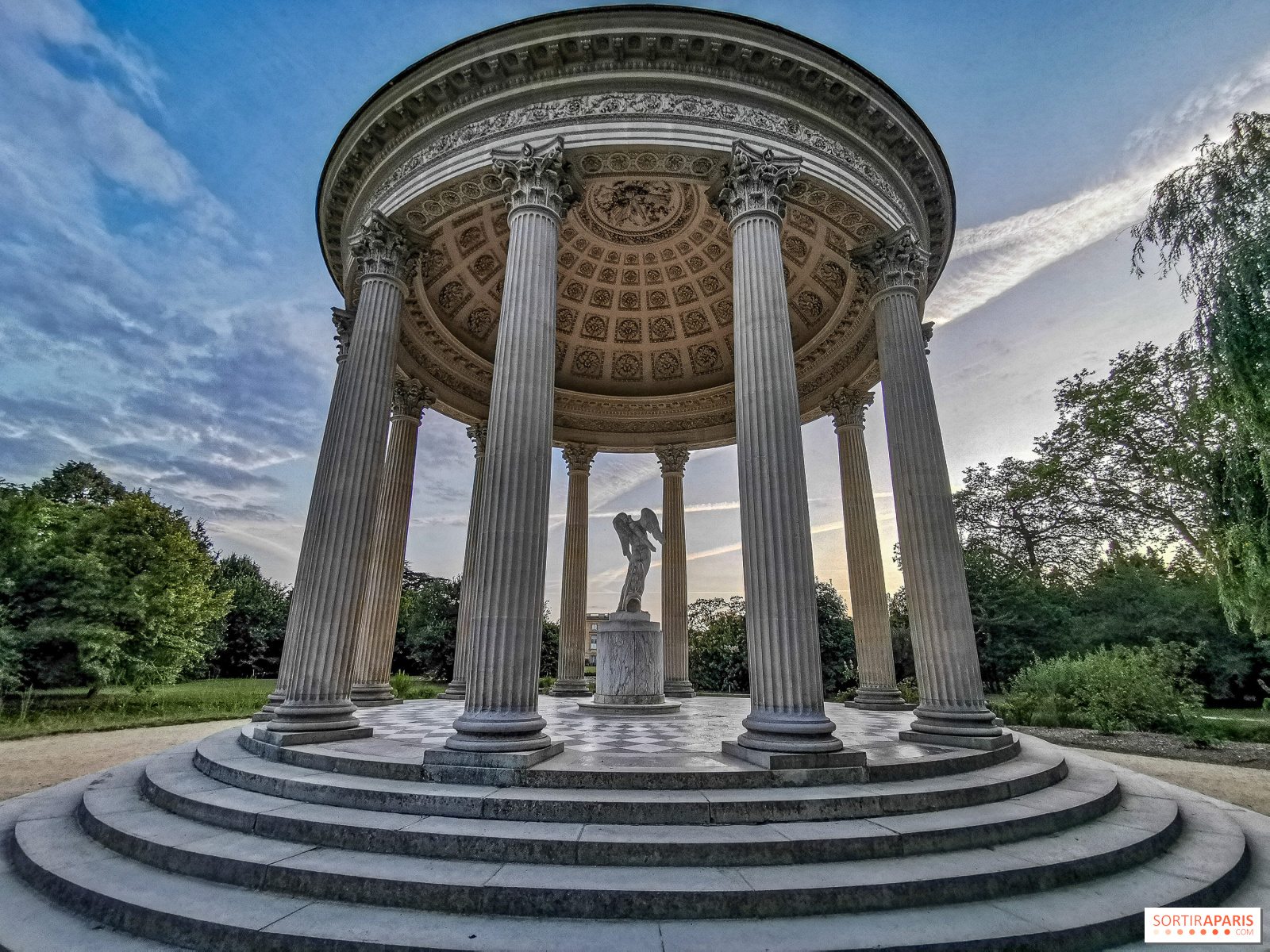
Among other creations, the Belvedere and the Queen’s Theatre also came into being here.

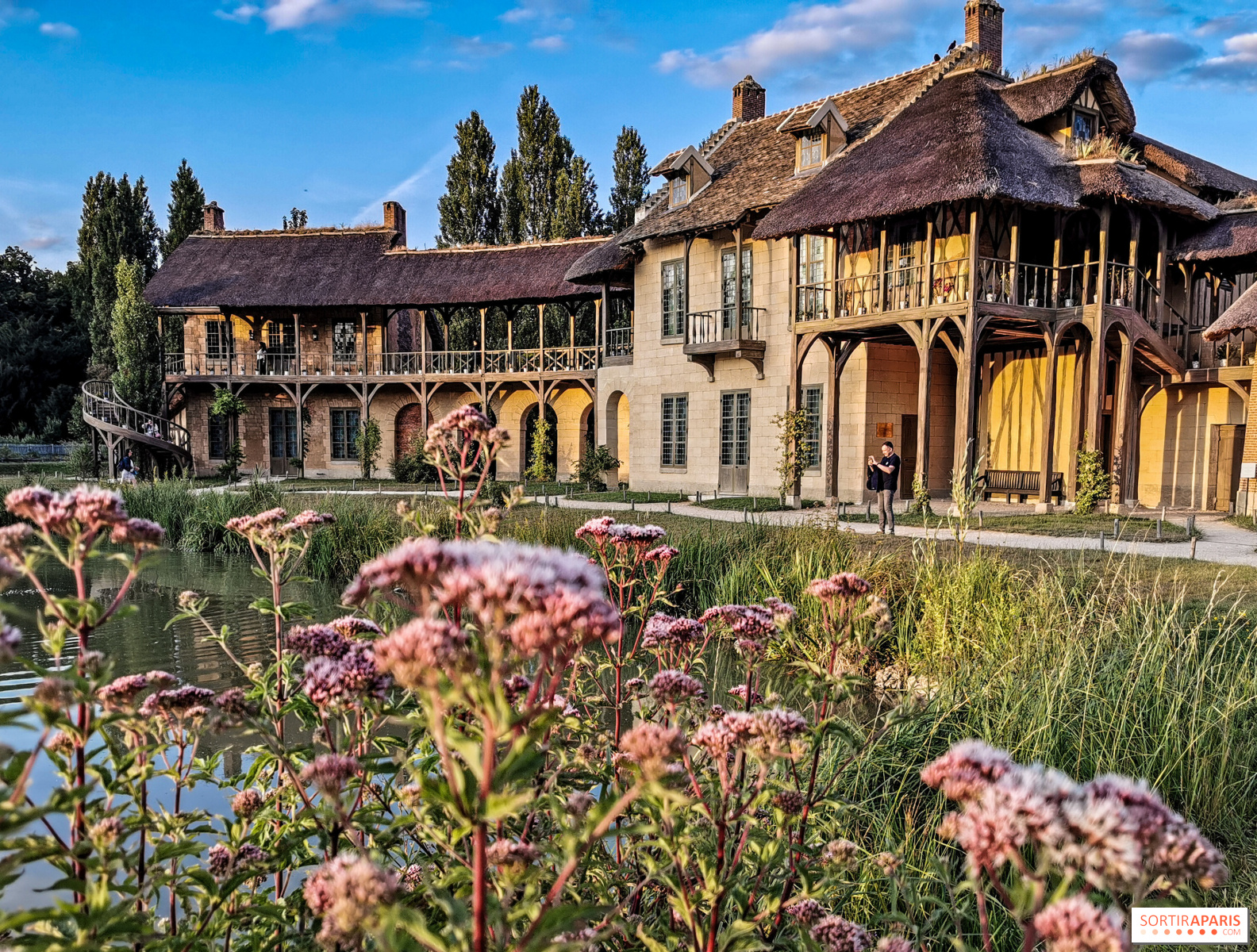
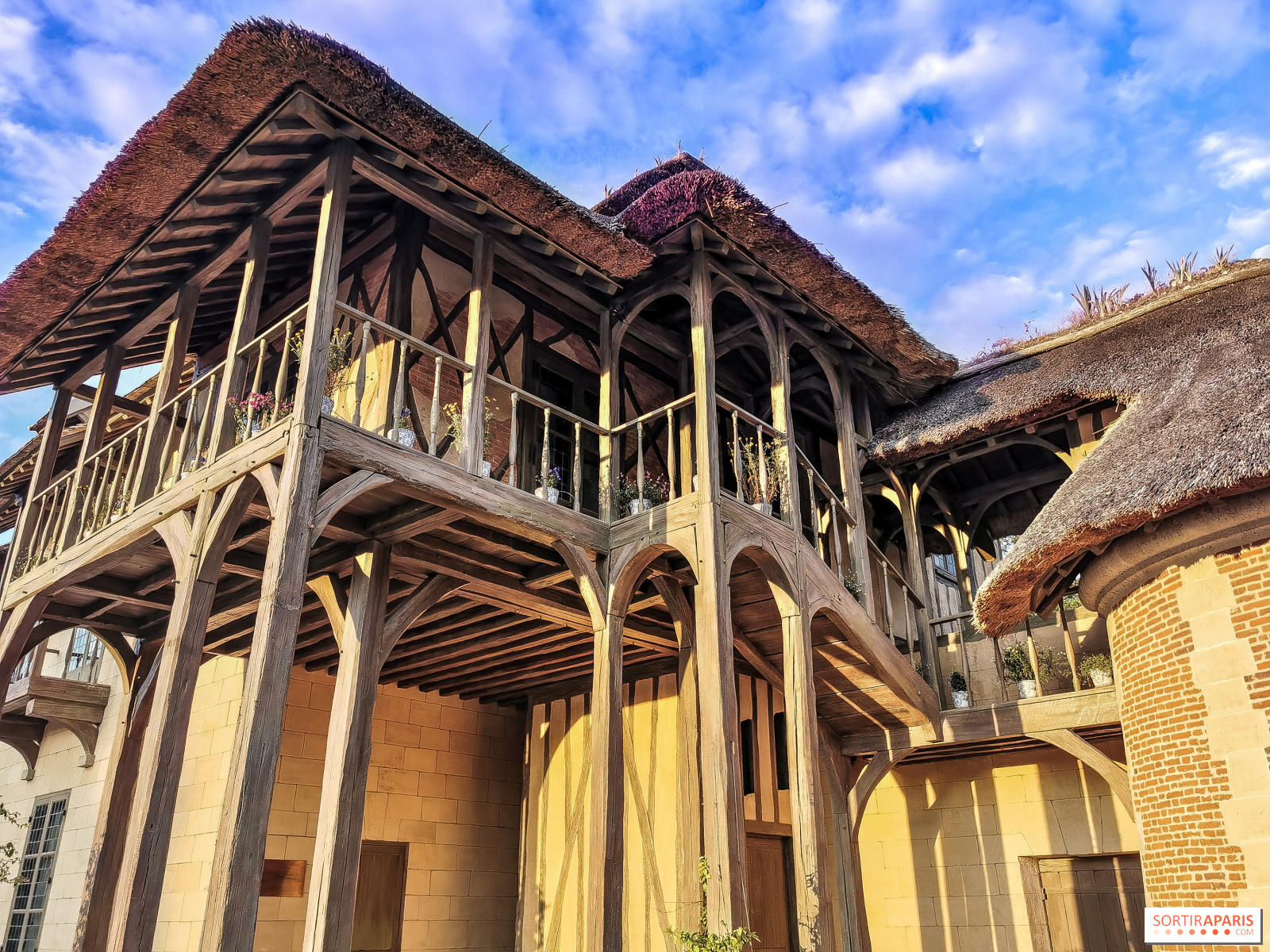
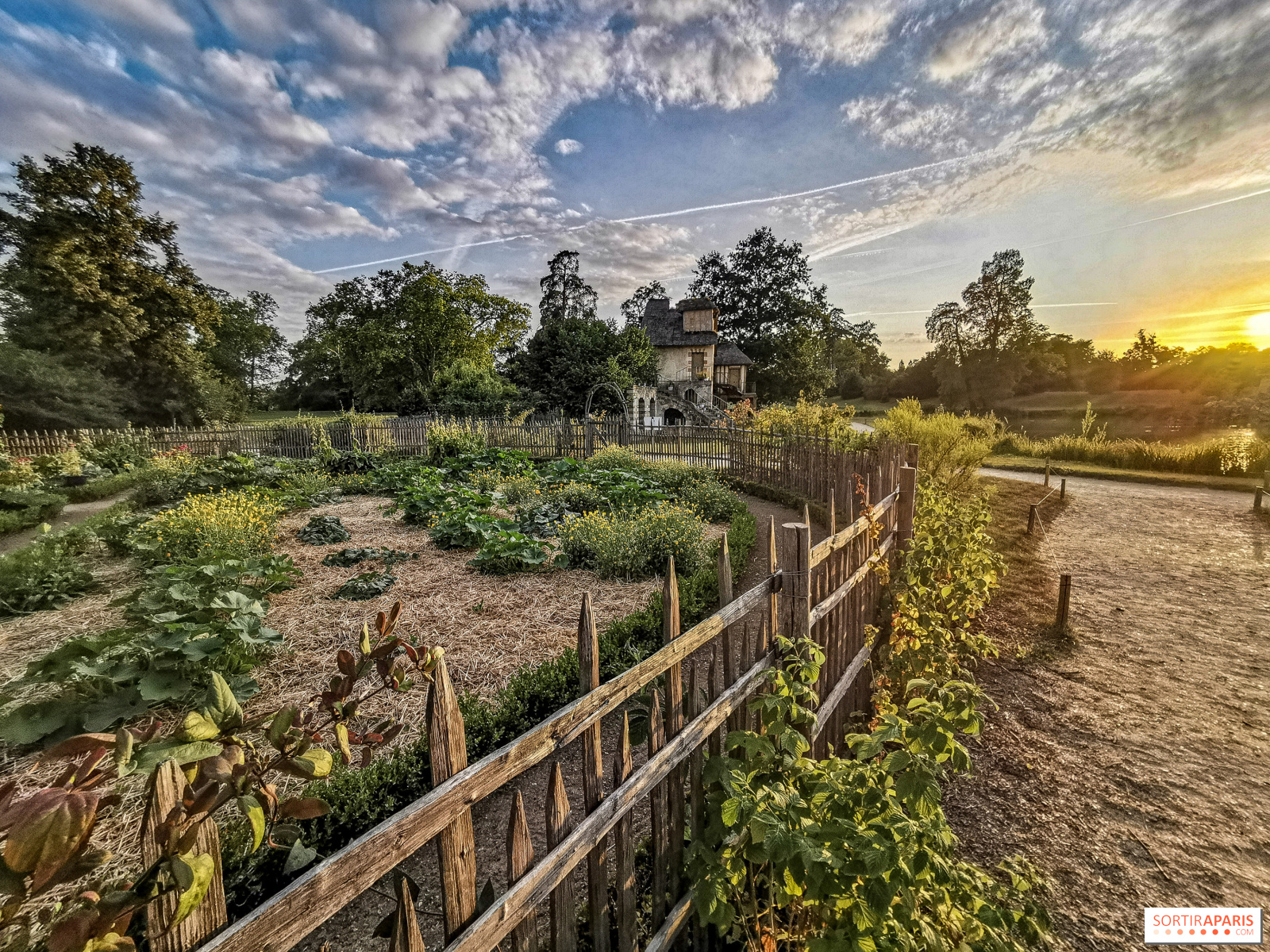
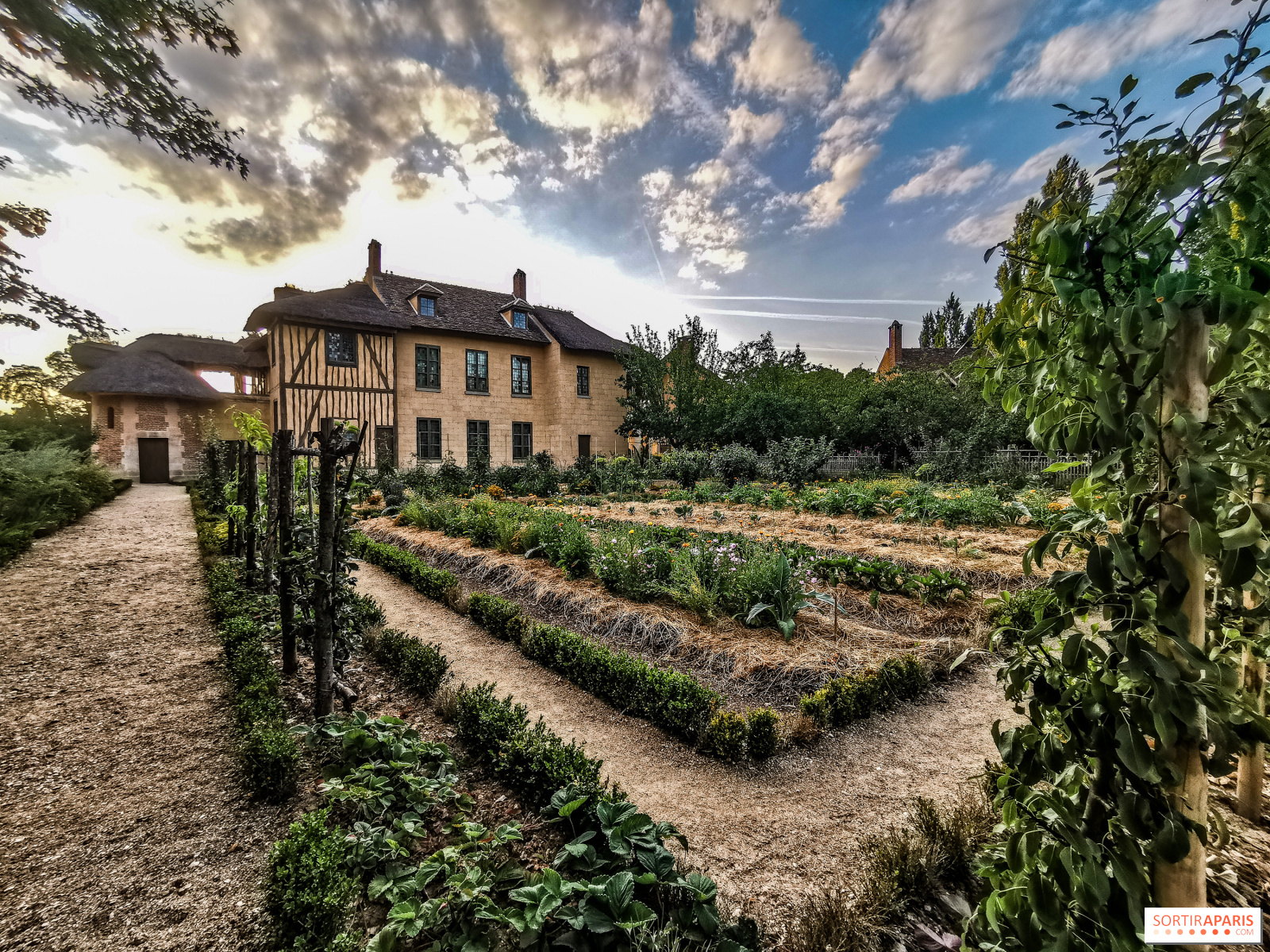
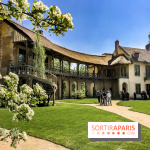
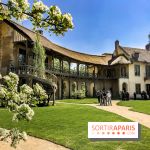
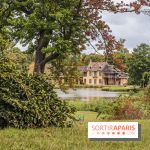
The highlight of my visit was the Queen’s Hameau, a rustic village composed of ten small houses inspired by Hubert Robert’s paintings. Completed in 1786, these quaint structures feature richly decorated interiors despite their simple facades. Note that access to the Queen’s House is only possible via guided tour.

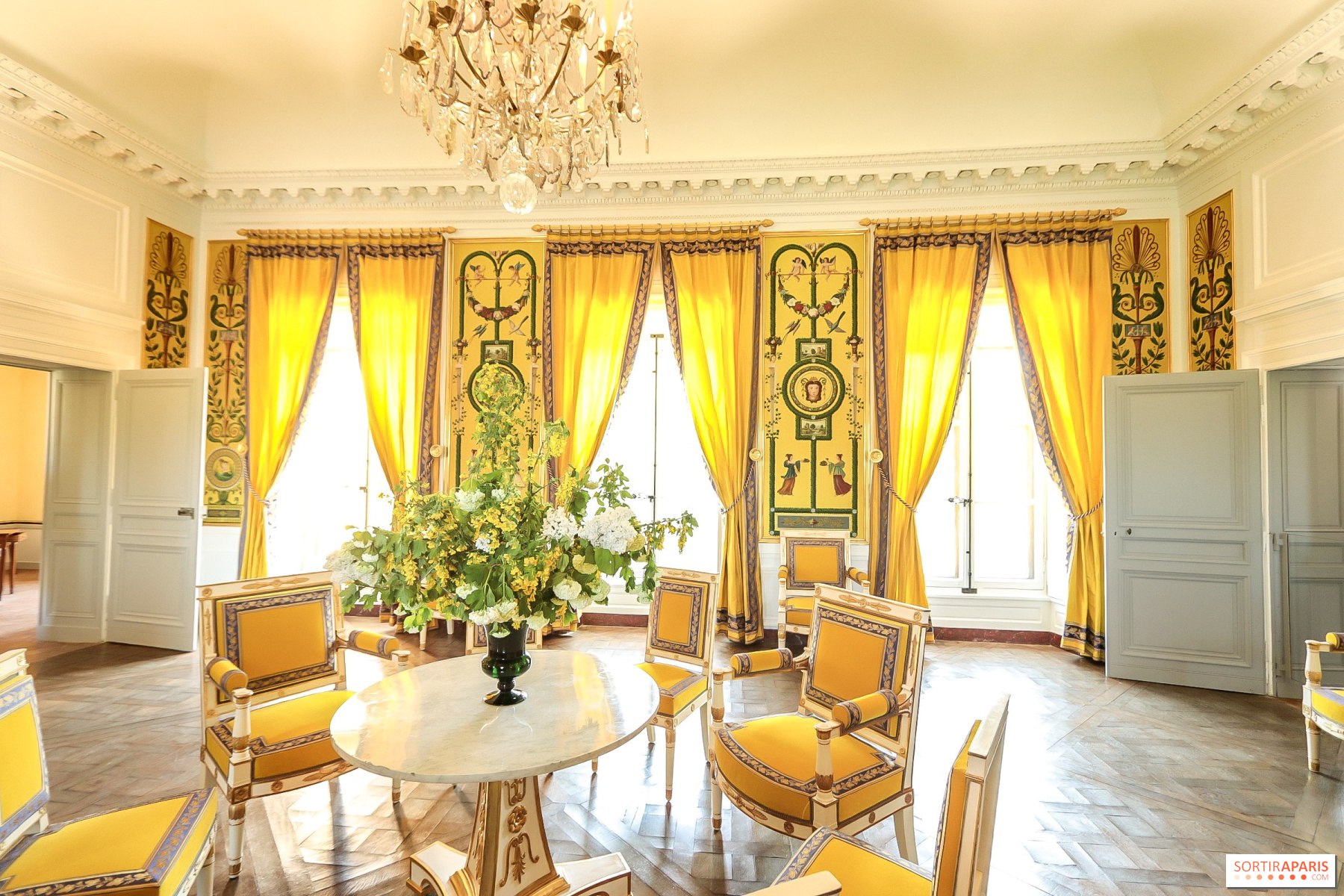
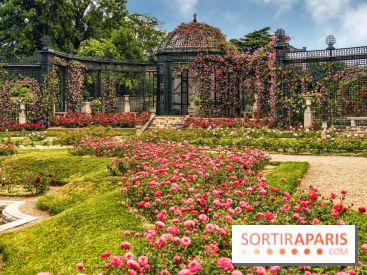
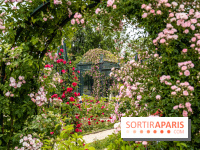
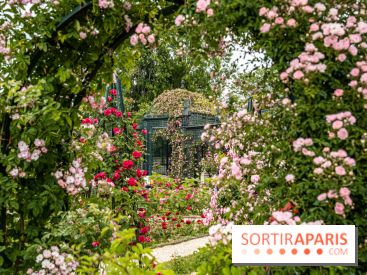
Most of the small buildings, except for Marlborough Tower, had their own gardens: the Mill, the Queen’s House, the Garde’s House... These were primarily vegetable gardens, with the exception of the Coop Garden, which was mainly aromatic plants.
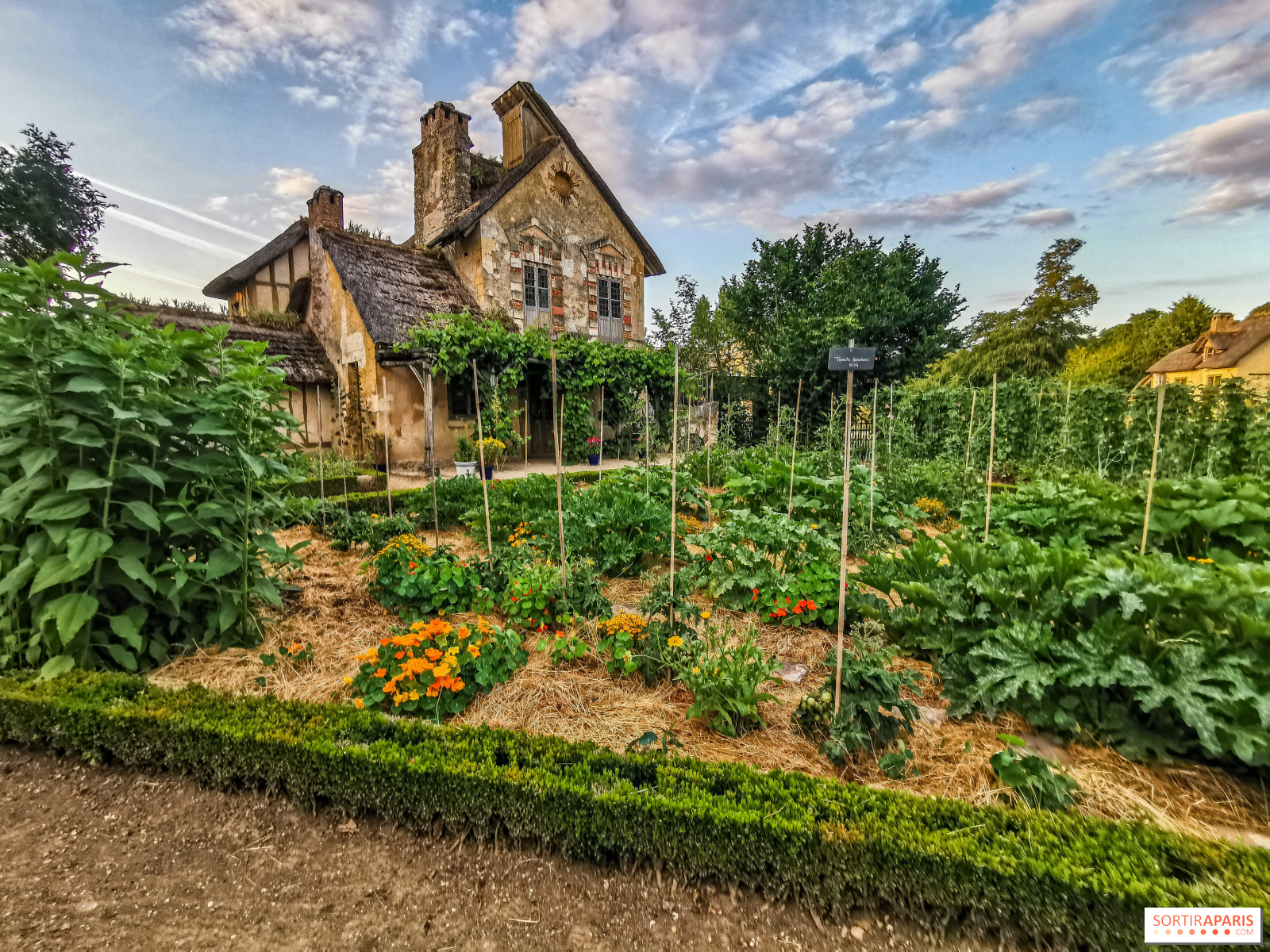
Two orchards, including one located behind the Queen’s House, hold the fruit trees—apples, cherries, peaches, plums, nashi pears, regular pears, and quinces—forming lush orchards within the estate.
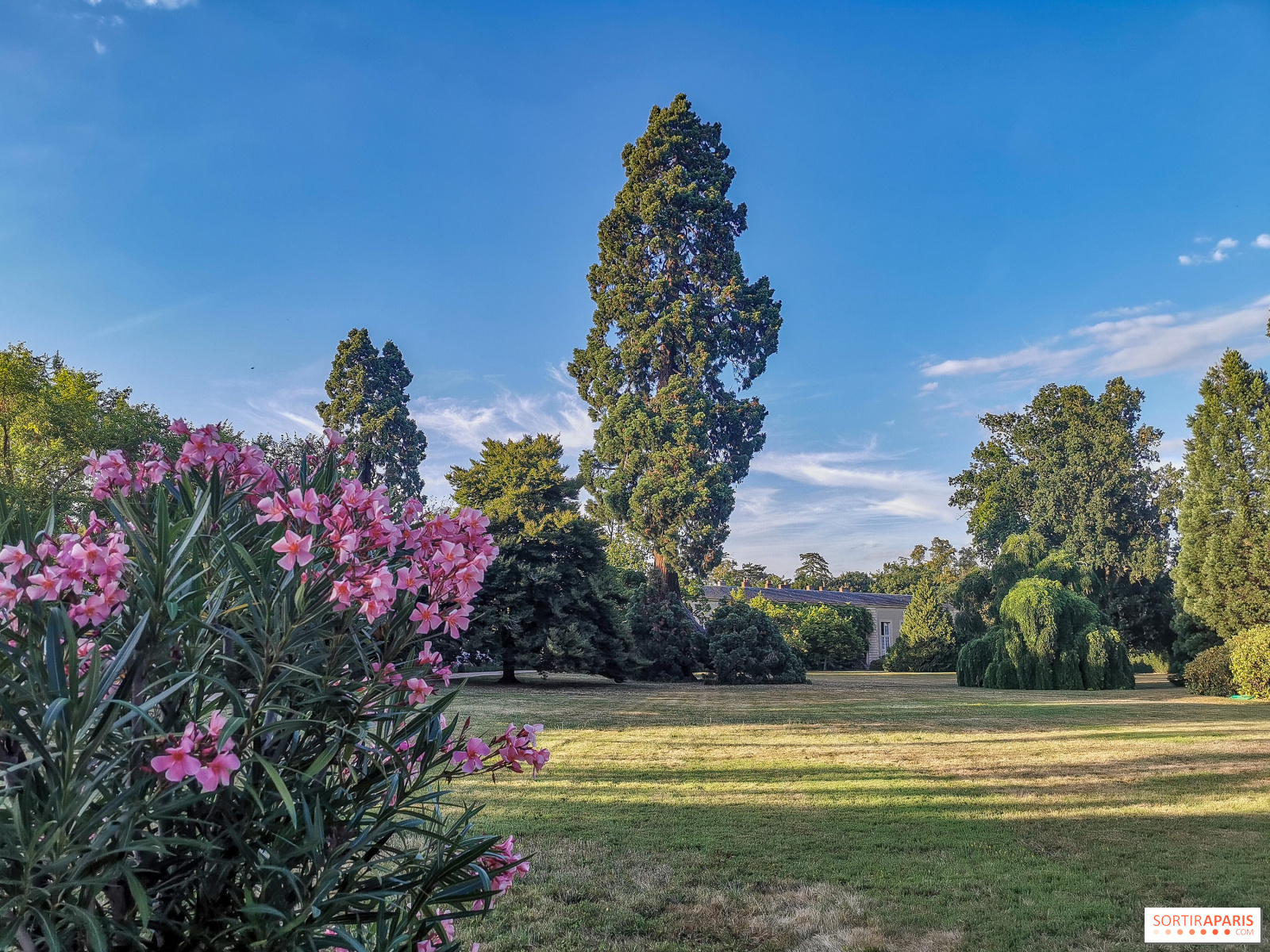
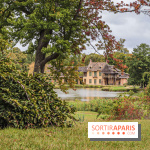
A visit to the estate also reveals the remarkable trees. From the formal French garden in front of the castle to the English Garden at Trianon, the grounds of Versailles are dotted with extraordinary specimens. Originally composed mainly of local linden and horse chestnuts, the park’s flora has grown to include rare species from distant lands—cedars of Lebanon, tulip trees, Virginia junipers, and Japanese sophoras. While some historic trees did not survive the storm of 1999, many outstanding examples remain, still admired today.
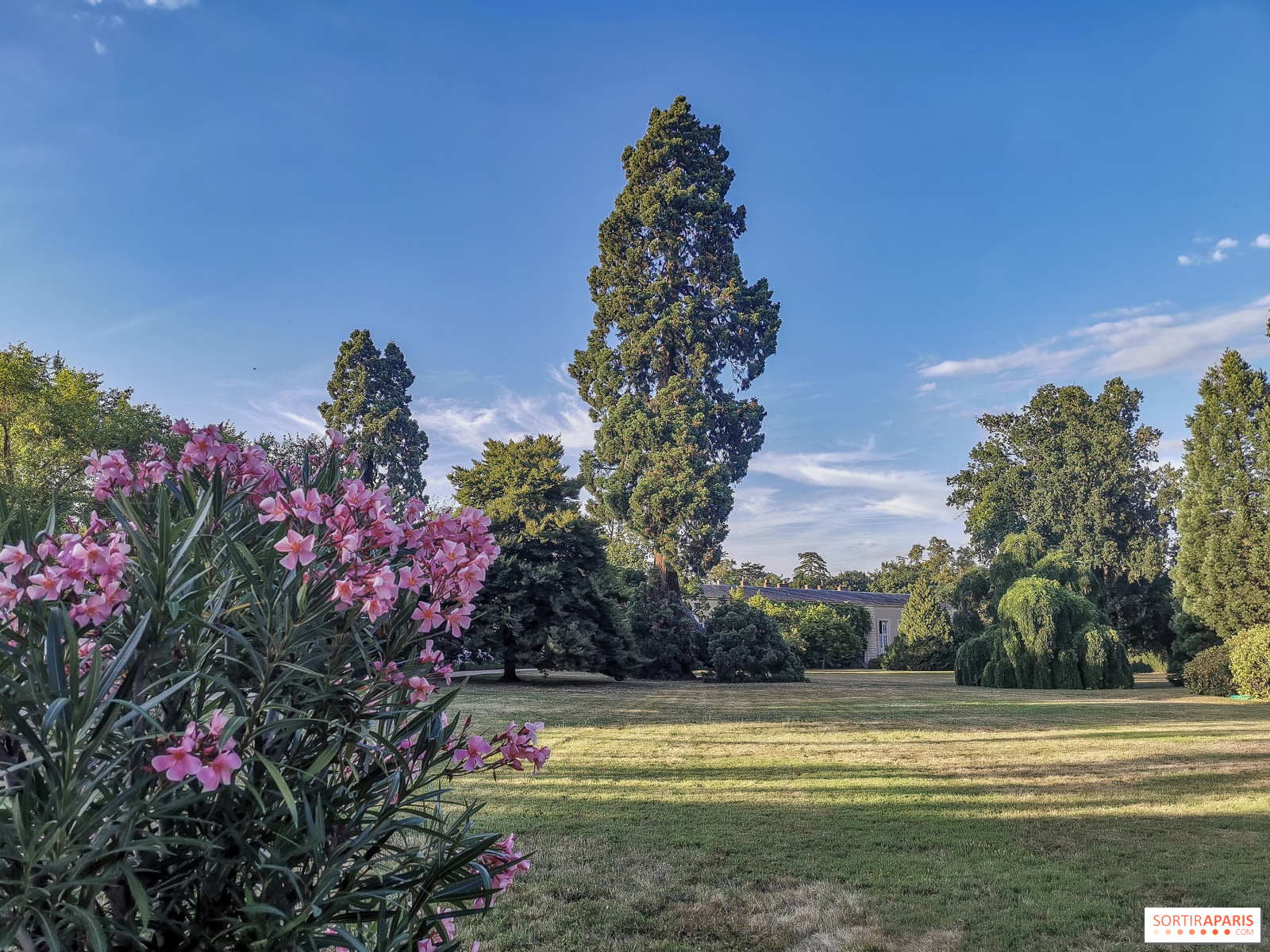
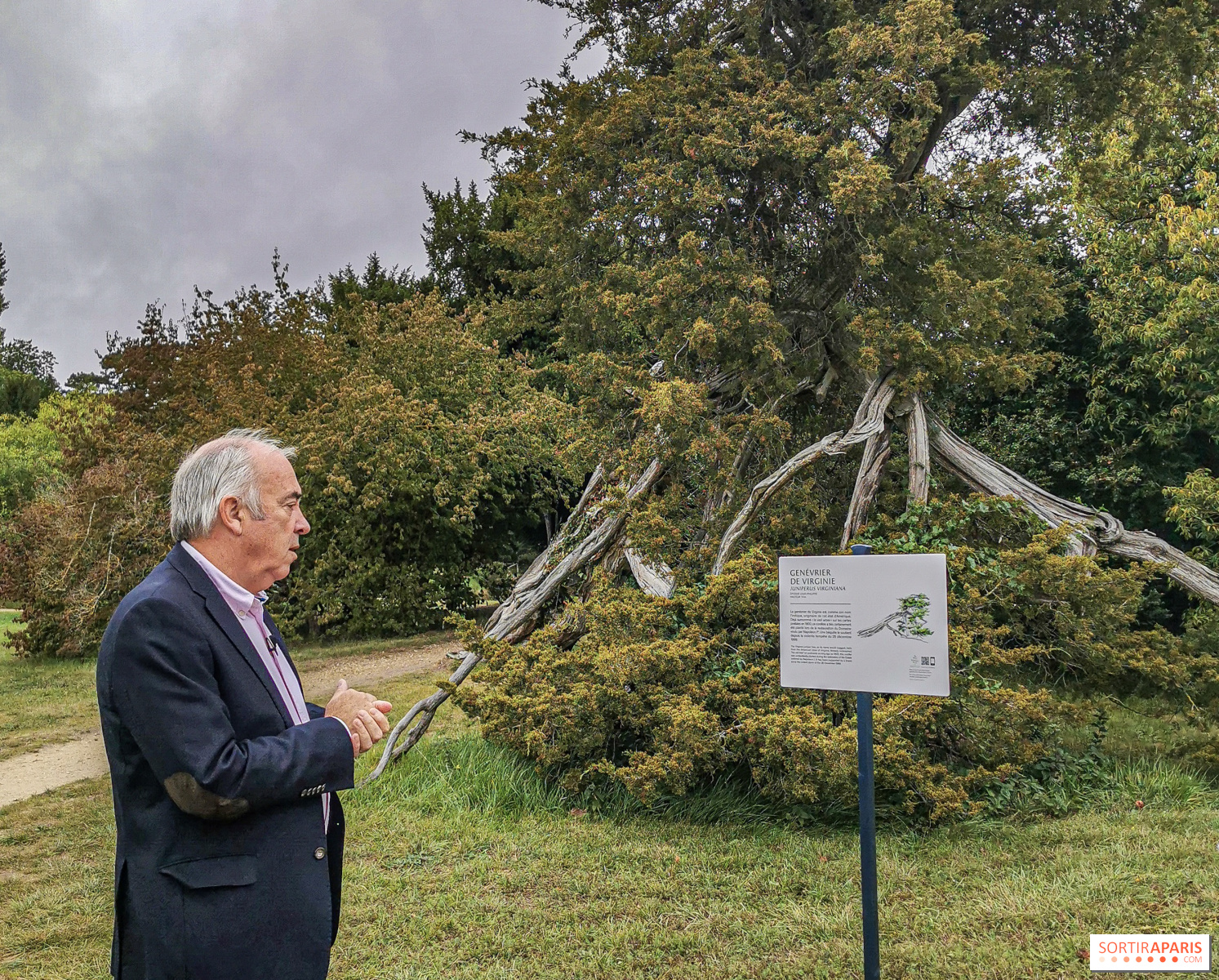
In short, beyond the Château de Versailles itself, the Trianon estate is a treasure trove waiting to be explored. To do so, a special ticket for the Trianon estate grants access to the grounds, temporary exhibitions, the gardens, and the park.
Discover:
The renovated Maison de la Reine at the Château de Versailles
The Maison de la Reine and the adjoining Réchauffoir, completely renovated and refurnished, open their doors to us from May 12, 2018. For the first time in 2 centuries, Marie-Antoinette's residence, which is located within the Parc du Petit Trianon in the grounds of the Château de Versailles, reveals itself to us. Refinement and dapper colors blend with the country and nature feel of the exterior, a visit that's both bucolic and historic and a must-do. [Read more]
The Palace of Versailles unveils a new walk to discover the "Admirable Trees" of the Versailles estate. These trees are full of history and are the living heritage of the estate. By their size, their beauty or their anecdotes, these subjects are a mine of discoveries. [Read more]
The Château de Versailles, its gardens and grounds, are a world heritage site. The official residence of the kings of France, the Château de Versailles holds the record as the largest château in the world, and of course the most visited in France. [Read more]
Please note that it's been over 4 years since our last visit, so the place and experience may have changed.
Dates and Opening Time
Next days
Thursday:
open
Friday:
open
Saturday:
open
Sunday:
open
Monday:
open
Tuesday:
open
Wednesday:
open
Location
Château du Petit Trianon
Château de Versailles
78000 Versailles
Prices
Billet domaine, parc et exposition temporaire: €12
Recommended age
For all
Official website
www.chateauversailles.fr






 The renovated Maison de la Reine at the Château de Versailles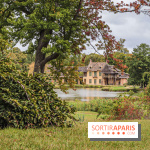

 The Admirable Trees of the Domaine de Versailles


 A visit to the Château de Versailles and its program