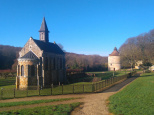
On September 19 and 20, 2026, the Heritage Days will once again open doors to places that tell the story of Paris and the Île-de-France from angles that are sometimes little known. Alongside the castles, museums or iconic monuments, this event also highlights an industrial and technical heritage that few have access to. In Châtillon, the Auboin quarry winch stands as one of the most remarkable witnesses.
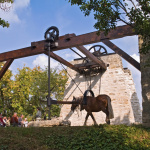
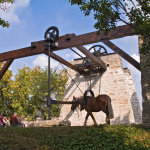
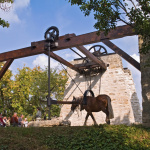
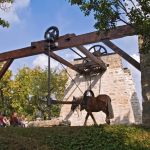
Listed as a Historic Monument, this winch is the last surviving example of its kind in Île-de-France. Built in the second half of the 19th century, it was used to extract massive blocks of limestone from an underground quarry 35 meters below the surface. Weighing up to eight tonnes, these stones were raised by a drum driven by a gear system connected to a horse-powered mechanism.
In the Hauts-de-Seine, this winch stands as one of the few remaining relics of a former quarry.
In the Hauts-de-Seine, a mysterious mechanism made of stone and wood evokes an industrial past that has largely faded into history. This rare remnant of the former stone quarries of the Paris basin is still occasionally brought to life during demonstrations, especially during the European Heritage Days. [Read more]
This limestone has played a major role in the building and expansion of Paris in the 19th century, notably during Haussmann’s grand renovations. The Châtillon quarries were among the many extraction sites that supplied the capital’s construction sites with building materials. Although mining stopped at the start of the 20th century, the winch remains a precious witness to this activity that left a lasting mark on the Île-de-France landscape.
Restored by volunteers from the PICAR association, the monument today helps visitors understand how the old quarries operated and the methods used by the quarrymen. Its standout feature is that it can be brought back to life during select public openings, thanks to its original horse-powered mechanism, delivering a demonstration that has become increasingly rare.
On the occasion of the 2026 Heritage Days, the winch at the Auboin quarry will thus offer visitors an immersion into the industrial history of the Hauts-de-Seine and will highlight the vital role played by the quarries of Île-de-France in the construction of Paris.
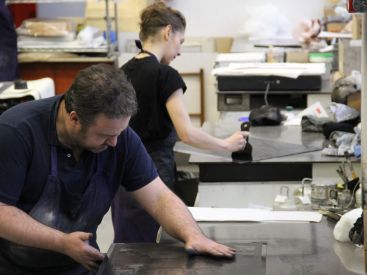
Introductory workshop on stone carving and a meeting with a bookstore specializing in the underground world and quarries
Introduction to stone-cutting initiation and a meeting with a bookstore specializing in the underground world and quarries.
The opening of the Treuil, an emblematic historic monument, is the occasion for Île-de-France residents and Châtillonnais alike to discover the last horse-drawn quarry winch and to dive into the local history. This visit, made possible by the passion of PICAR’s volunteers, who ardently share anecdotes of the past, graffiti found underground, and the work of the quarrymen, is set against the backdrop of the era’s enduring witness: the stones beneath Châtillon that helped rebuild the capital. Limestone and gypsum have been mined in the city’s soil since 1762. From 1770 up to the Revolution, the “Entrepreneurs de la Madeleine,” the builders of La Madeleine Church, opened more than thirty extraction wells in Châtillon. The Treuil itself dates from the 1850s–1870s, during the great Haussmann works, and provides access 35 meters deeper to a two-level limestone quarry.
Participation conditions: Admission €3.50 - Free for under 18s - Reduced rate | No reservations
Hours: Sunday, September 20, 2026 — 10:00 AM–12:00 PM, 2:00 PM–6:00 PM
Spotlight on industrial heritage: the winch at the Auboin quarry
A unique industrial remnant of limestone quarrying in Île-de-France during the 19th century, the Treuil made it possible to hoist blocks weighing 4 to 8 tonnes from an underground quarry 35 meters deep. It comprises two large stone piers supporting a drum used to wind the cable. The drum is driven by gears linked to a mechanism pulled by a horse, lifting the blocks. It ceased activity at the beginning of the 20th century and has been restored by the PICAR association, a member of the Union REMPART.
Guided tour: the history of building-stone quarrying, the extraction method used, a demonstration of the tools, the winch’s operation with a horse, and the monument’s restoration history.
Participation terms: Adult: €3.50. Free for under 18. - Special rate | No reservation required
Schedule: Sunday, September 20, 2026 - 10:00 ⤏ 12:00, 14:00 ⤏ 17:30
Geology Workshop: "The Quarries and Mineral Wealth of the Paris Basin"
Geology workshop “The quarries and mineral riches of the Paris Basin (limestone, chalk and gypsum)”
The opening of the Treuil, an emblematic historic monument, is a chance for Francilians and Châtillonnais to discover the last horse-operated quarry winch and to immerse themselves in local history.
This visit, made possible thanks to the passion of volunteers from the PICAR association, who recount with zeal the anecdotes of yesteryear, the graffiti unearthed underground, the work of the quarrymen, and in the background the story of the era’s sole witness, where the stones from Châtillon’s subsoil were used to rebuild the capital.
Limestone and gypsum have been extracted from the town’s soil since 1762. From 1770 up until the Revolution, the “Entrepreneurs de la Madeleine”—the builders of the Church of La Madeleine—opened more than thirty extraction wells in Châtillon. The Treuil itself dates from the 1850s–1870s, the Haussmannian era, and provides access 35 meters deeper to a limestone quarry spread over two levels.
Participation conditions: Admission: €3.50 - Free for under 18s - Reduced fare | No reservation required
Schedule: Sunday, September 20, 2026 — 11:00–12:00, 15:00–16:00, 16:30–17:30
This page may contain AI-assisted elements, more information here.
Dates and Opening Time
From September 19, 2026 to September 20, 2026




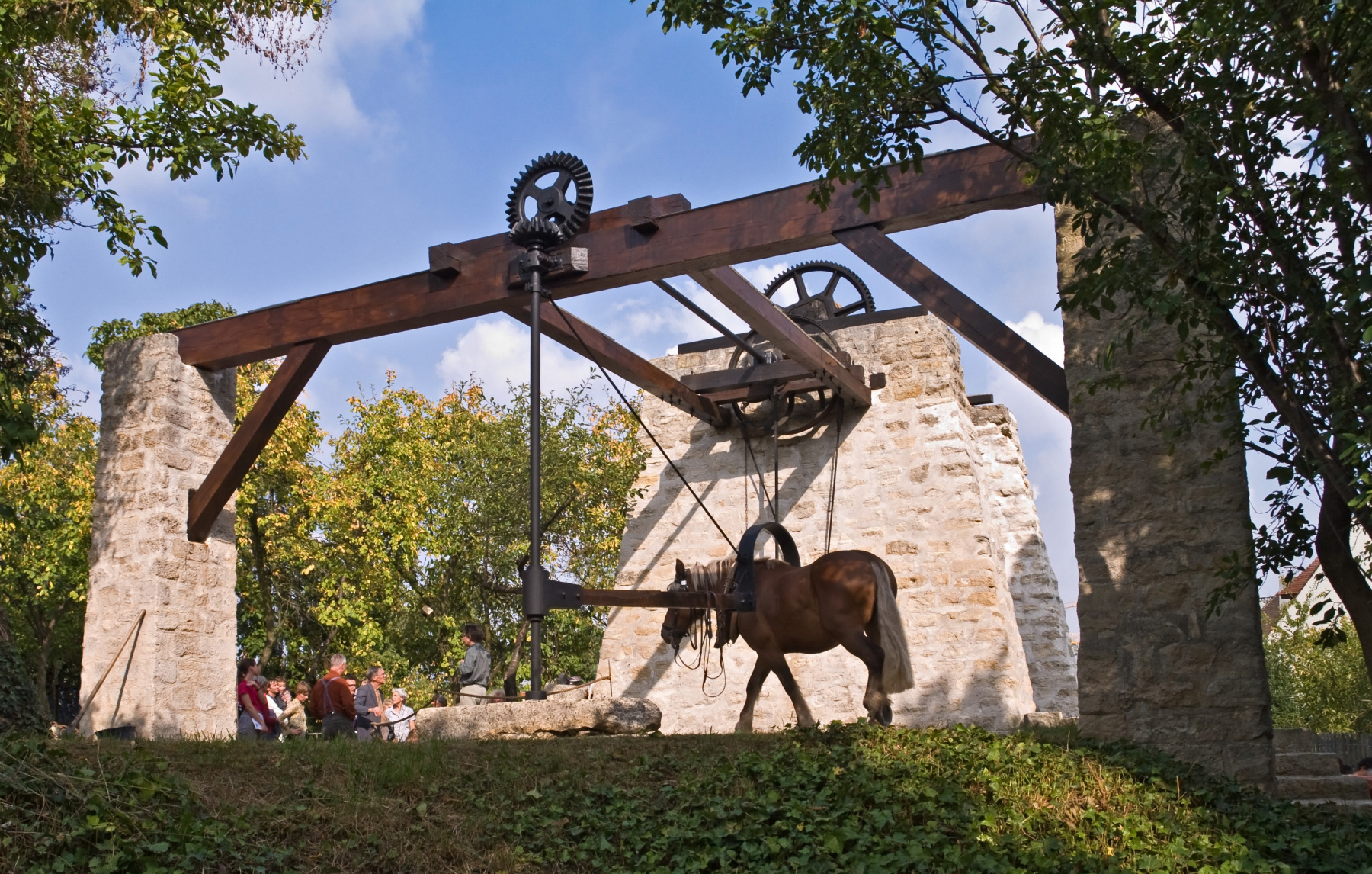
 In the Hauts-de-Seine, this winch stands as one of the few remaining relics of a former quarry.