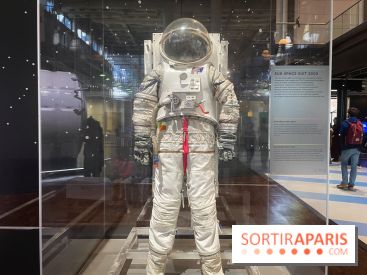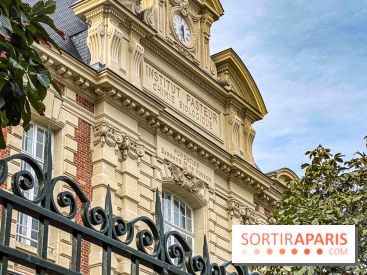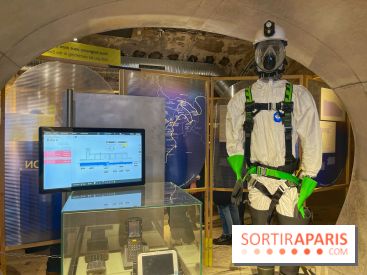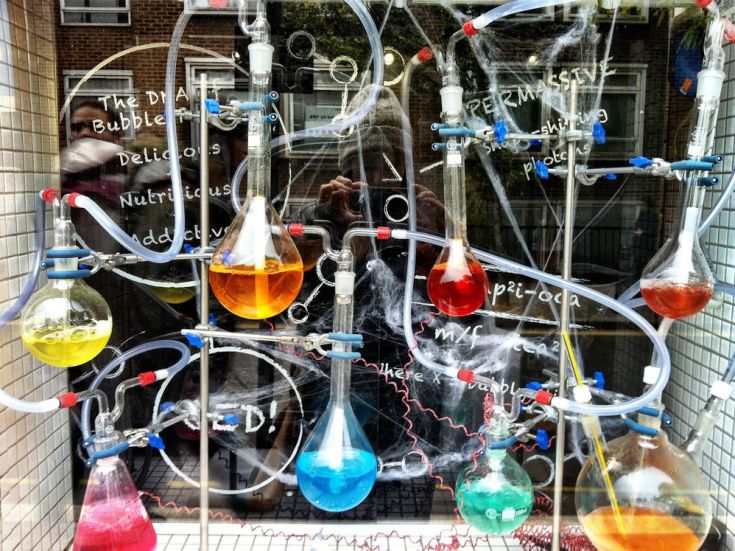
The Fête de la Science is the perfect opportunity for children and adults alike to take part in fun activities and learn about biology, chemistry, archaeology and scientific investigation from professionals. During the week-long event, you can take advantage of open doors at Paris universities, science-related museums and other institutions to broaden your knowledge.
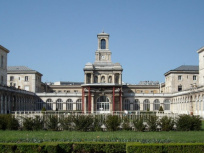
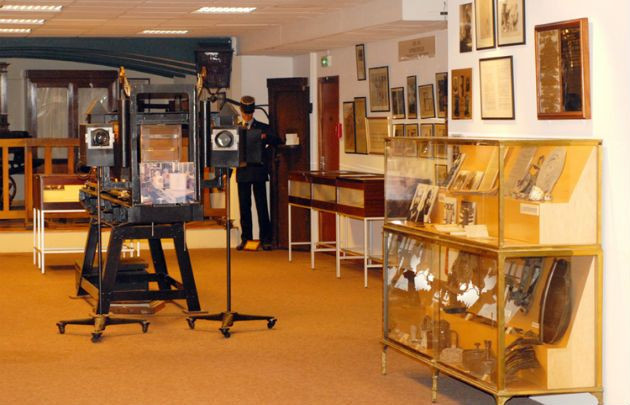
Why not take a look at the forensic police? Head for the Musée de la Préfecture de Police, located in the Hôtel de Police in the 5th arrondissement. Created in 1909 by Prefect Louis Lépine, it traces the history of the Paris police from the 17th century to the present day. More than 2,000 works of art highlight the different professions and missions of the Prefecture, from investigators to forensic scientists.
Science Festival 2026: the lineup of activities and events in museums, in Paris and Île-de-France
From October 2 to 12, 2026, the Science Festival makes its grand return for a new edition with exciting programming in Paris and Île-de-France. Are you ready? [Read more]
During the Science Festival, the Police Prefecture Museum offers a variety of tours and activities that highlight the links between science and policing. The museum has scheduled several sessions on October 8, 15 and 17, 2026. Note that this program is not suitable for the youngest visitors!
Issei Sagawa, the taste for human flesh
Former divisional commissioner of police, Jacques Poinas, notably served with the prestigious Criminal Brigade at 36, quai des Orfèvres, where he faced some of the era’s most high-profile cases. On the occasion of the Science Festival, he will revisit one of the most singular cases of his career: Issei Sagawa, known as the “Japanese cannibal.” In 1981, this Japanese student living in Paris killed Renée Hartevelt, a Dutch student, before consuming part of her body. The case drew enormous attention in both France and Japan, and remains one of the most perplexing criminal dossiers in French judicial history.
Through his police perspective and his experience of criminal investigations, Jacques Poinas will recount the crime’s circumstances, how the investigation unfolded, and the inquiries conducted by the officers of the 36th division. He will also address the questions raised by this case—between criminal inquiry, psychiatric assessment, and the media treatment of an extraordinary crime.
Participation requirements:
• Target audiences: 15–18, 18–25, 25 and up
• Conditions: Booking required
Hours: Thursday, October 8 — 5:30 PM to 7:00 PM
Miasma Without the Daffodil: The Odors at the Paris Morgue in the 19th Century
Bruno Bertherat is a lecturer in modern history at Avignon and a member of the Centre Norbert Elias (UMR 8562). He is also the author of a doctoral thesis titled The Morgue of Paris in the 19th Century (1804-1907), defended in 2002 under the supervision of Alain Corbin.
The lecture The Miasma and the Daffodil: The Smells at the Morgue of Paris in the 19th Century offers a sensory voyage inside a singular institution that sits at the crossroads of medicine, education, policing and justice, where the dead and the living coexist.
Between sanitary concerns, technical innovations and social sensitivities, this talk illuminates an aspect of the history of the senses and hygiene in the 19th century that is as little known as it is revealing.
Participation requirements:
• Target audiences: 15–18, 18–25, 25 and up
• Requirements: Advance reservation is essential
Hours: Thursday, October 15 — 5:30 PM to 7:00 PM
Can a necrophile be punished? Justice and deviance in the 19th century
A PhD in history and civilizations, Amandine Malivin leads research on the history of death and the dead body, as well as on questions of gender and sexuality. An independent researcher, she is the author of a thesis devoted to necrophilia in 19th‑century France, Voluptés macabres: la nécrophilie en France au XIXe siècle (2012), as well as the book Thanatomanies: Death, from Repulsion to Addiction (2025).
Building on the emblematic case of the “Vampire of Montparnasse” (1848–1849) and on other less-known instances, Malivin revisits the impact necrophilia had on sensibilities and imagination, and the difficulties faced by the justice system in regulating a transgression that struggled to find its place in the ordinary order of crimes and offenses. How, then, can we grasp and punish this deviance, still largely unfamiliar to the 19th century?
Participation requirements:
• Eligible audiences: 15–18, 18–25, 25 and up
• Conditions: Reservation required
Schedule: Saturday, October 17 — 3:30 PM to 5:00 PM
Dates and Opening Time
From October 8, 2026 to October 17, 2026
Location
Préfecture de Police Museum
4 Rue de la Montagne Sainte Geneviève
75005 Paris 5
Route planner
Prices
Free
Recommended age
From 16 years old
Official website
www.fetedelascience.fr






























 Science Festival 2026: the lineup of activities and events in museums, in Paris and Île-de-France