Every year, as Easter approaches, gardens are transformed into egg-hunting grounds as chocolate bunnies and decorated bells invade the stalls. But where do these traditions come from? Between Christian symbols and pagan heritages, here's a look back at the history of these Easter emblems.
What to do for Easter 2025 in Paris and the Ile-de-France region? Ideas for outings
Looking for ideas for Easter weekend outings in Paris and the Ile-de-France region? Between egg hunts, chocolate creations, entertainment and Easter vacations, here's what's in store for you this year in the Paris region. [Read more]
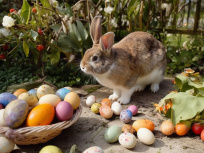
Why is the rabbit associated with Easter?
The Easter Bunny has its origins in Germanic and Anglo-Saxon traditions. In these cultures, the hare was a symbol of fertility and springtime renewal. As early as the 16th century in Germany, legend had it that the "Osterhase", a magical hare, laid colorful eggs in the gardens of well-behaved children. This custom then spread to other European countries, and to America with the arrival of German settlers in the 18th century.
Unlike the rabbit, Easter bells are directly linked to Christian tradition. According to Catholic liturgy, church bells remain silent from Maundy Thursday to Holy Saturday as a sign of mourning for the death of Christ. A popular legend has it that they then leave for Rome and return on Saturday night, pouring eggs and sweets into the gardens. This belief, deeply rooted in France and Belgium, contributes to the magic of Easter for children.
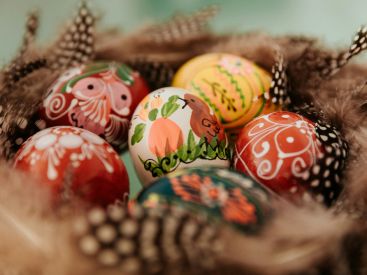
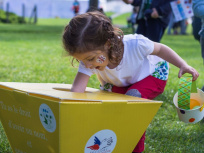
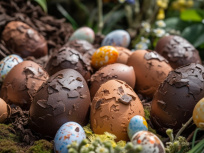
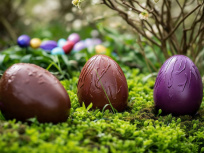
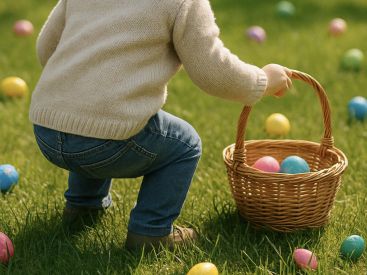
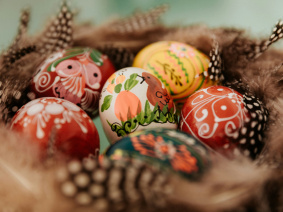
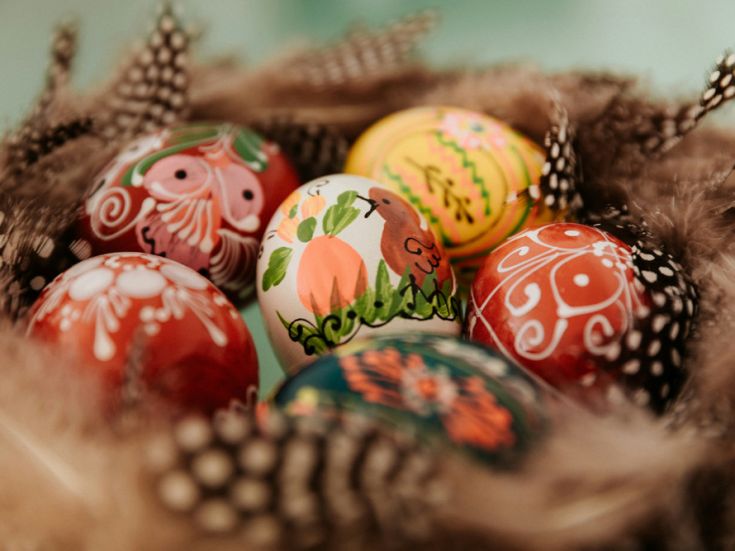
TheEaster egg is one of the oldest symbols of this holiday. In ancient times, Egyptians, Persians and Romans offered decorated eggs to celebrate spring and the renewal of nature. With the rise of Christianity, this tradition took on religious significance: the egg represents the resurrection of Christ. In the Middle Ages, the consumption of eggs was forbidden during Lent, so they were kept until Easter to be offered and eaten. Egg hunts, meanwhile, have their origins in European traditions, where eggs were hidden in gardens to amuse children.
Between pagan roots and Christian traditions, the symbols of Easter have evolved over the centuries to give rise to the festive rituals we know today. Whether it's searching for eggs in the garden or enjoying a chocolate bunny, these customs continue to delight young and old every year.
It's a fact: gourmands and gourmets feast on kilos of chocolates during Easter 2023. But exactly where does this tradition come from? [Read more]
It's one of the most important dates in the Christian religious calendar, if not the most important. As you may have guessed, we're talking about Easter. By the way, do you know what Catholics and Protestants celebrate on this day? And do you know why Easter Monday, which this year falls on April 21, 2025, is a public holiday? We'll tell you. [Read more]
This page may contain AI-assisted elements, more information here.








 What to do for Easter 2025 in Paris and the Ile-de-France region? Ideas for outings


 Why do we eat chocolate at Easter?


 Why is Easter Monday a public holiday in France? History and origins