We're taking advantage of the Journées du Patrimoine 2025 to discover the sights of the capital, and there are plenty of them! You probably won't have enough time over the weekend of September 20 and 21 to see everything, but so many museums, churches, institutions and unusual, little-known places are waiting to reveal their secrets to you, during guided tours and events, often free of charge. This year's cultural event is full of surprises!
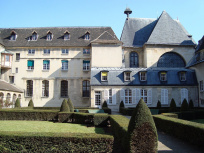
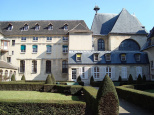
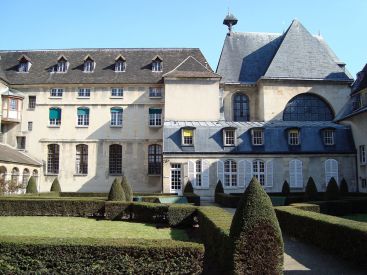
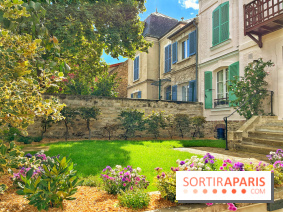
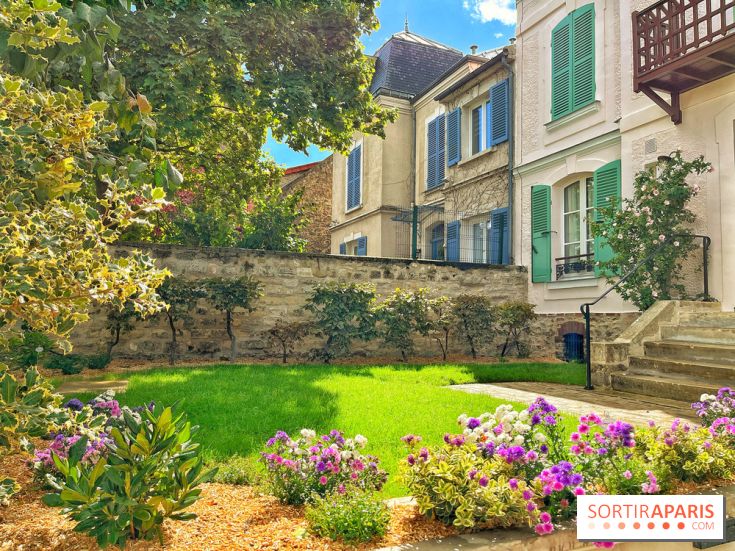
What if, after the Catacombs or the Carrière des Capucins, we stayed underground, visiting the Maison du Fontainier? It's an ideal opportunity to delve into the bowels of Paris, through thehistory of water. Built between 1619 and 1623 in the Faubourg Saint-Jacques, this ashlar house's interest lies in its relationship with the 13km-longMédicis aqueduct, of which it is the 27th and last manhole (a masonry device used to inspect an underground pipe).
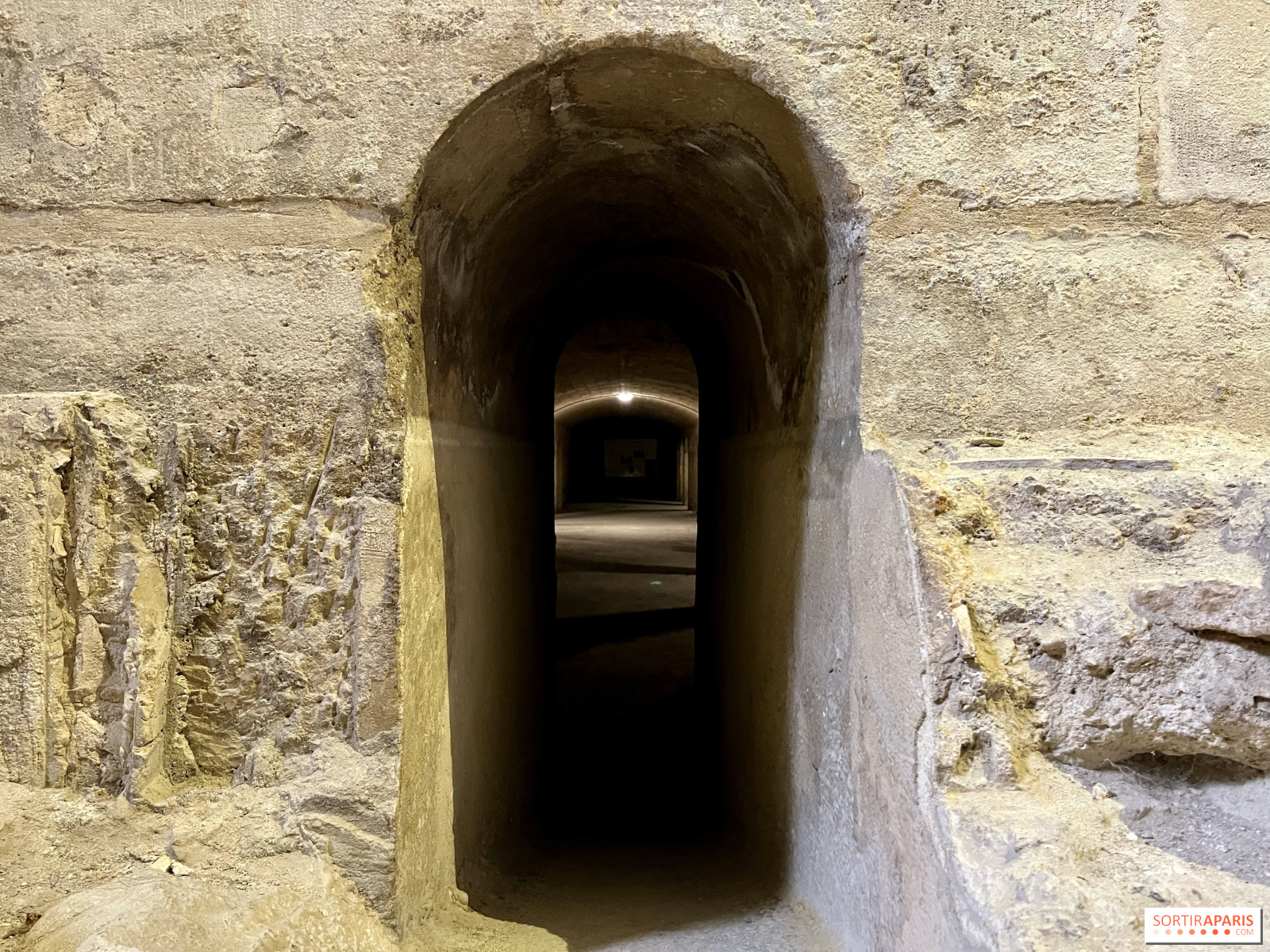
The King's fountain-maker, Thomas Francine, lived here to oversee water distribution in the capital. The liquid circulating in the aqueduct arrived in the basements of this house, divided into three basins: the Carmelite basin, intended for the clergy; the King's basin, which supplied the Luxembourg palace and its fountains; and the City basin, intended for public fountains. The latter, however, had the least water!
The house, with its beautiful stone dormers, lost its function in 1870, and only became a Monument Historique in 1994.
Guided tour of the exterior and basement of this last look at the Medici aqueduct (17th century).
Also known as the Grand Regard de l'Observatoire and the 27th of its kind, the Maison du Fontainier was built at the request of Henri IV and then Marie de Médicis to improve the water supply to Paris, particularly on the Left Bank. An outlet of the so-called "de Médicis" aqueduct, it drains water from the water table in and around Rungis. This aqueduct, which runs parallel to the ancient Gallo-Roman route, begins its course at the Carré des eaux (manhole no. 1) in Rungis, enters Paris through the present-day Porte de Gentilly, passes under the Parc Montsouris, through the new Alésia-Montsouris district, the La Rochefoucault nursing home, the Parc de l'Observatoire and ends at the Maison du Fontainier. Built between 1613 and 1623 by contractors Jean Coing and his son-in-law Jean Gobelin, it is almost 13 km long. Its course is punctuated by 27 manholes to control and maintain the flow system, as well as aerating the water to keep it constantly fresh. The final distribution of the water takes place in the basement, above which, in 1619, the fountain-maker's house was built in the beautiful Louis XIII style. Until the French Revolution, it served as the official residence of the King's Intendant Général des Eaux et Fontaines. Today, the basement is listed as a historic monument. They are divided into three rooms, each containing a basin known respectively as the King's, the Contractors' (Carmelite) and the City's basin. The aqueduct, a vaulted gallery, leads into the central Entrepreneurs basin. From these basins run the three pipes that distributed water throughout Paris until the mid-19th century.
Dates and Opening Time
From September 20, 2025 to September 21, 2025
Location
Fountain maker's house
42 Avenue de l'Observatoire
75014 Paris 14
Prices
Free