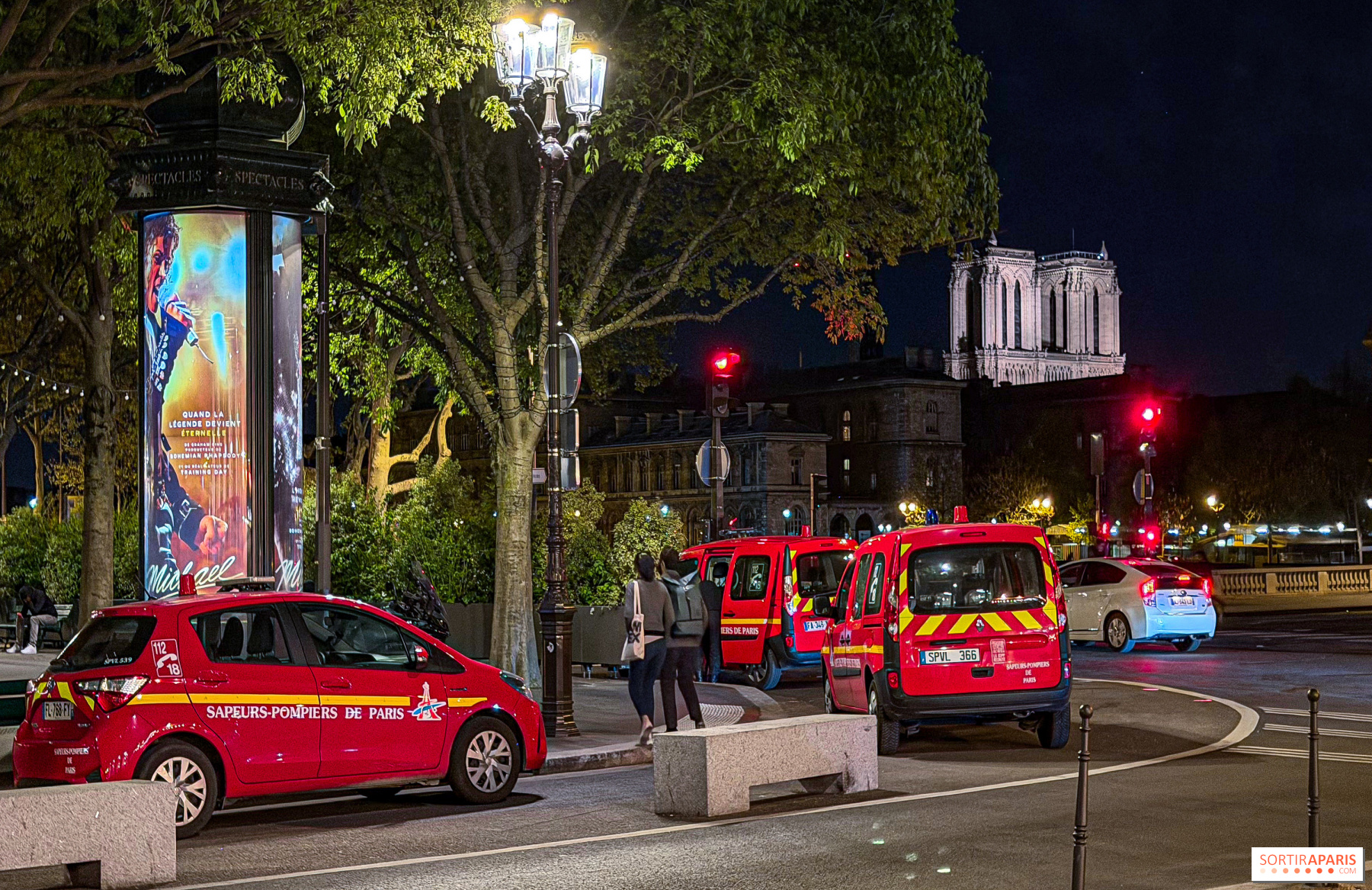
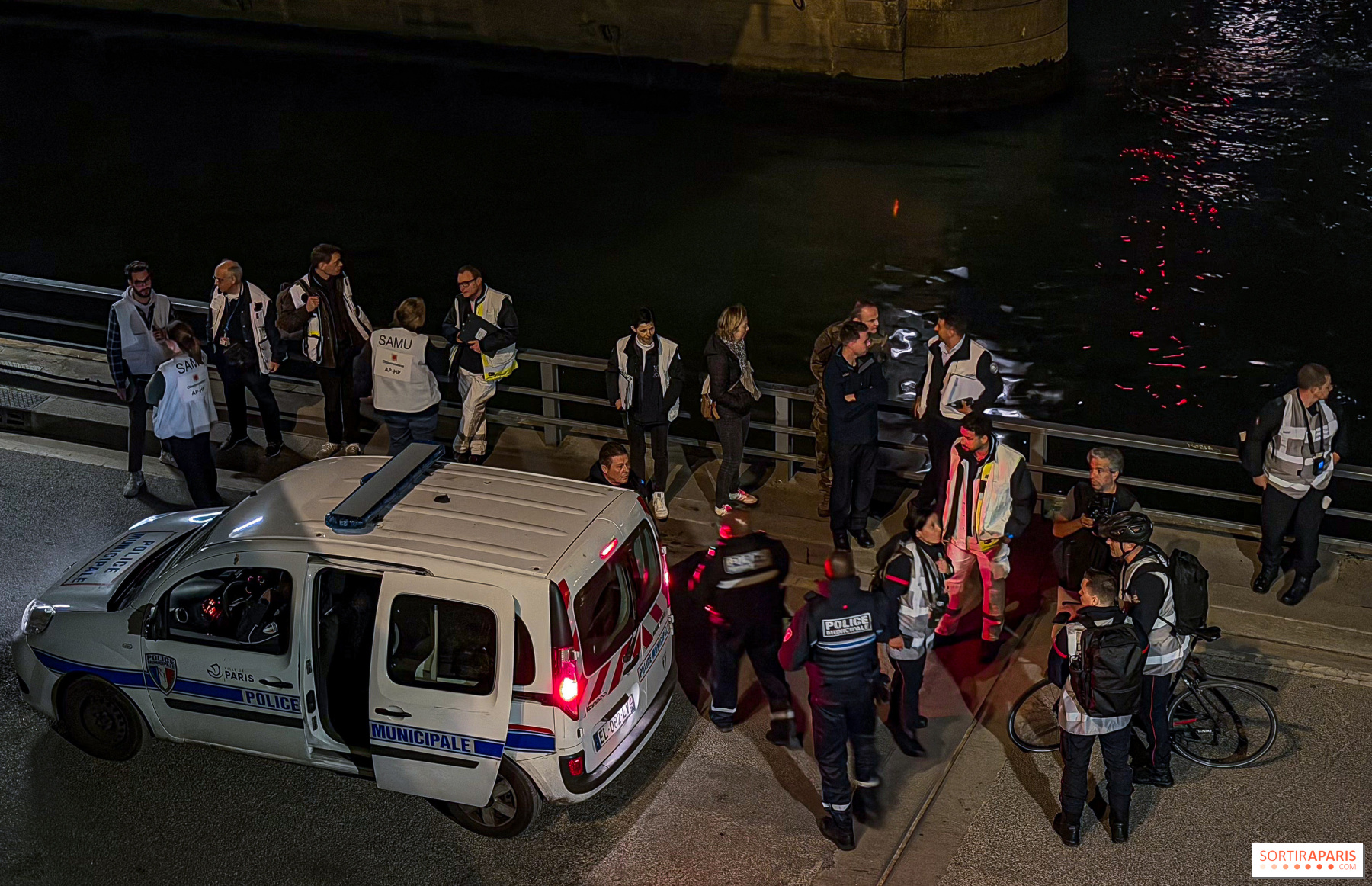
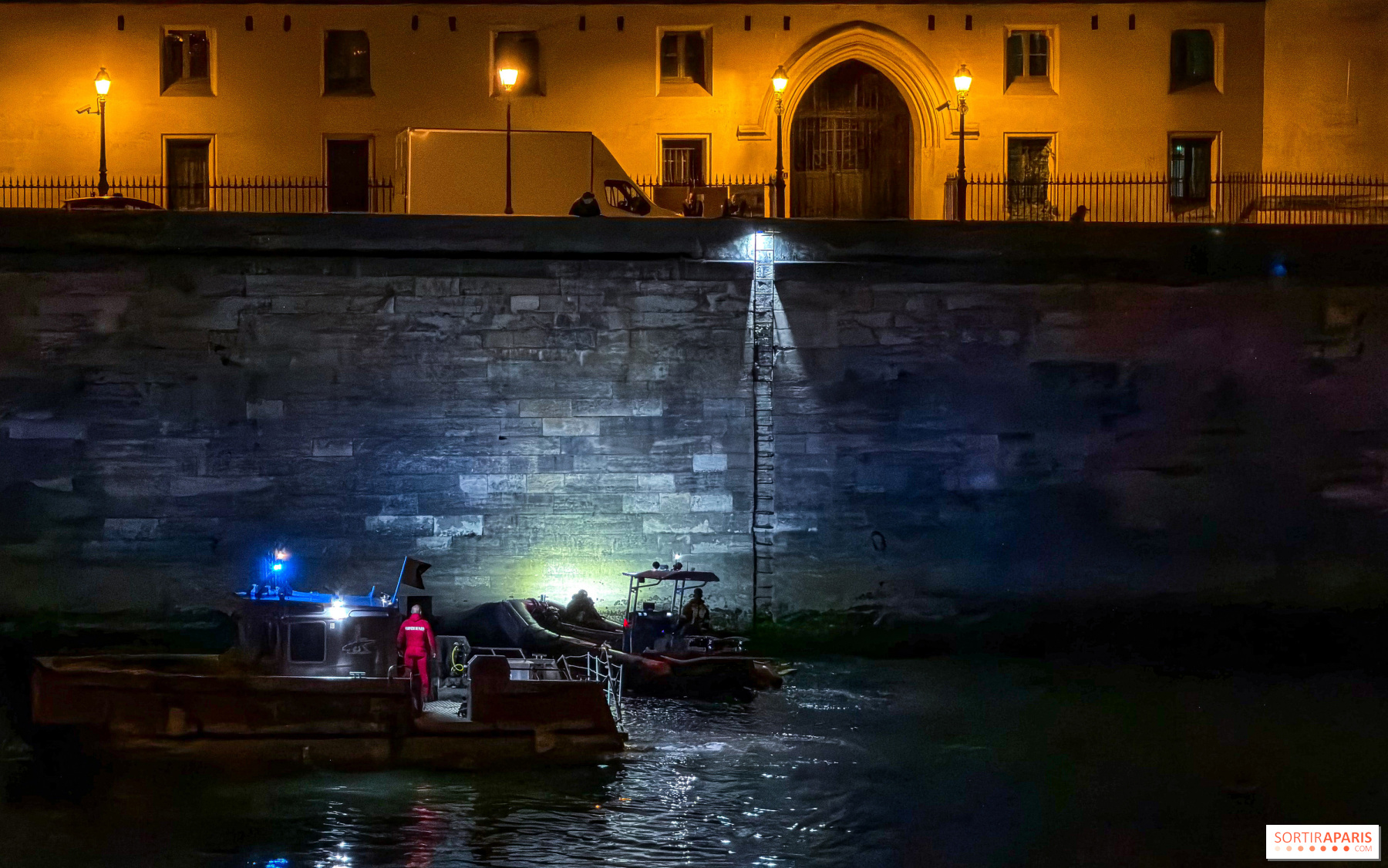
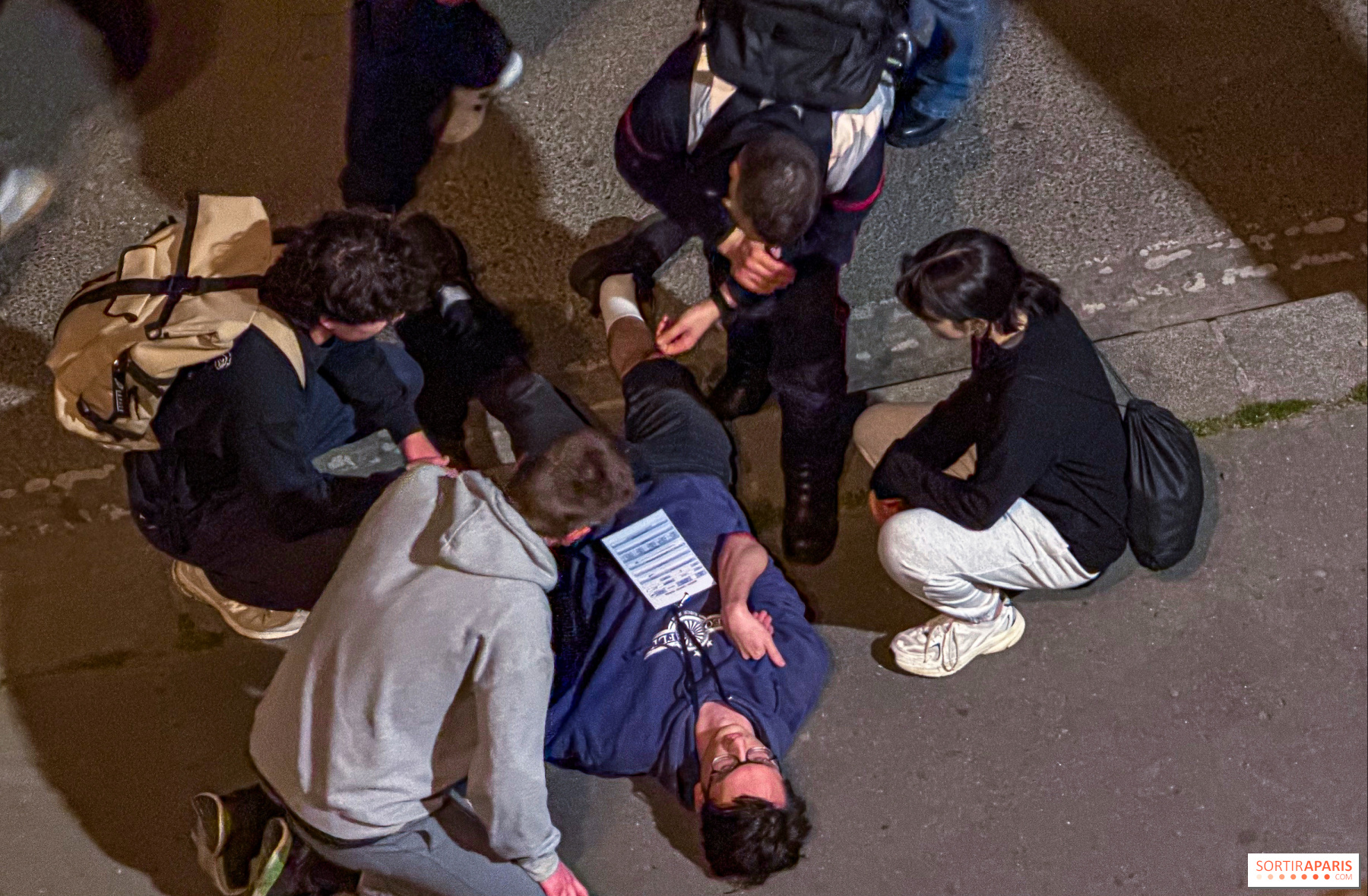
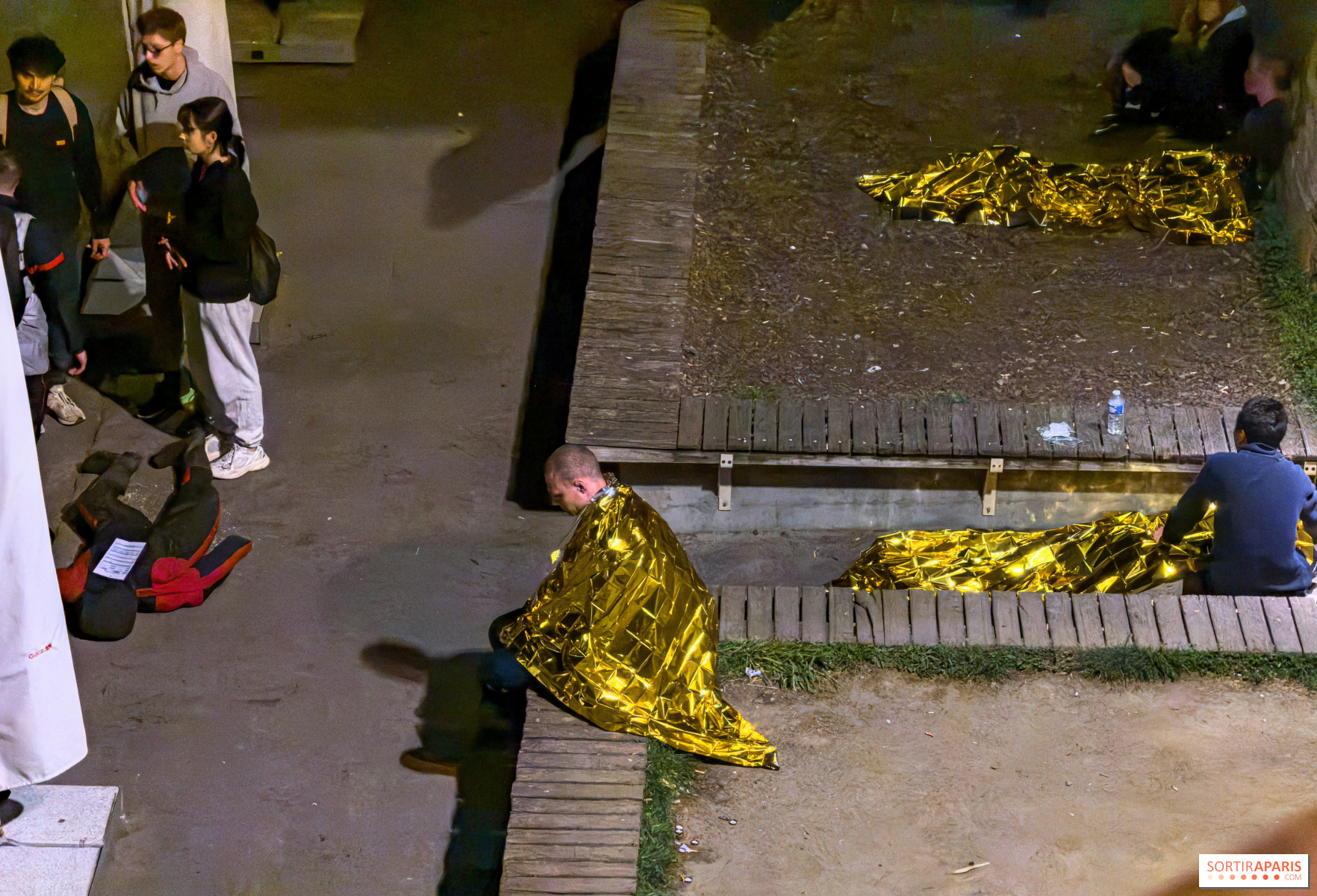
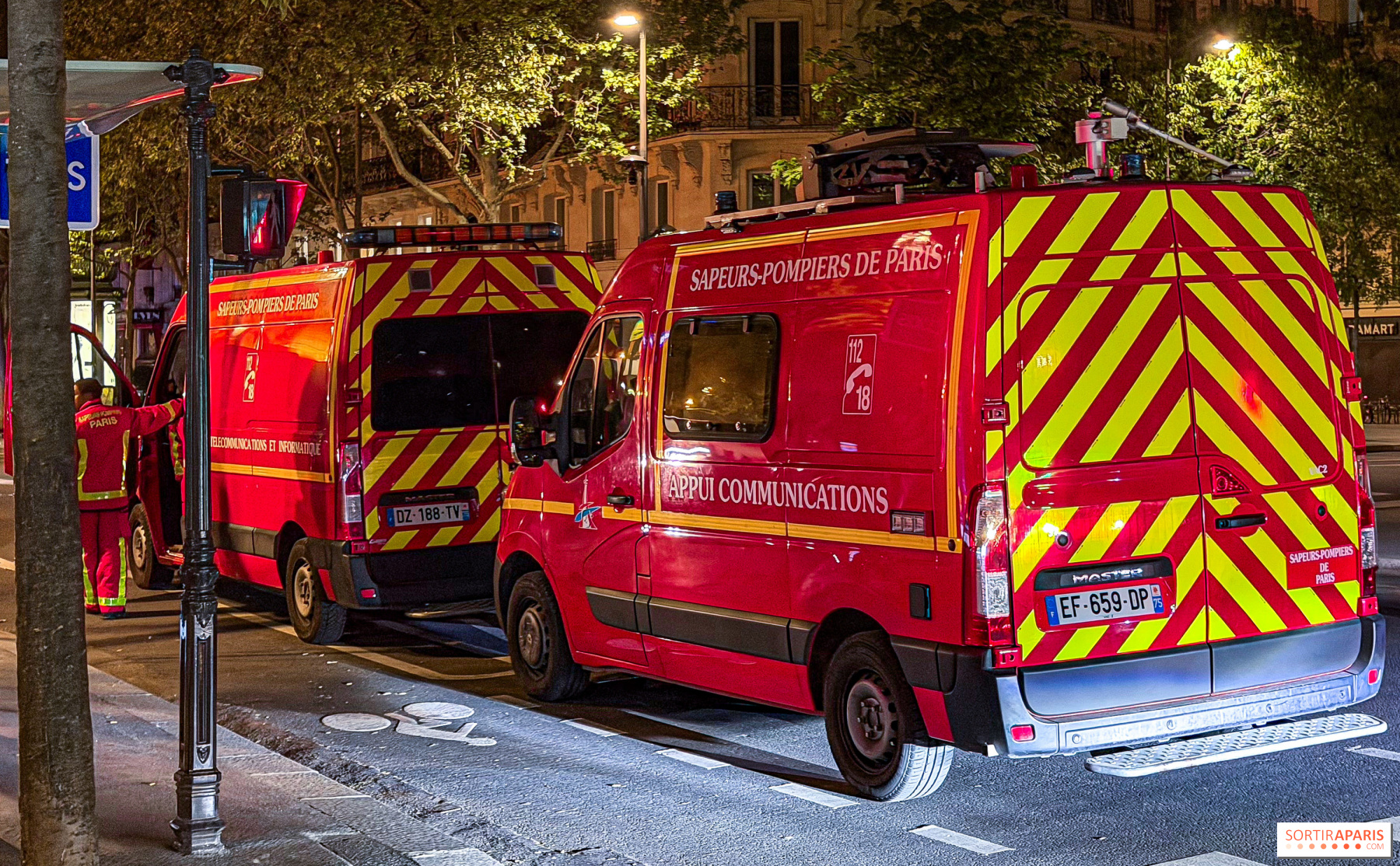
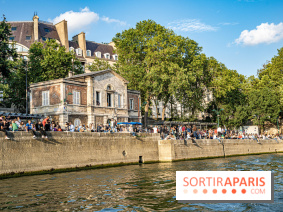
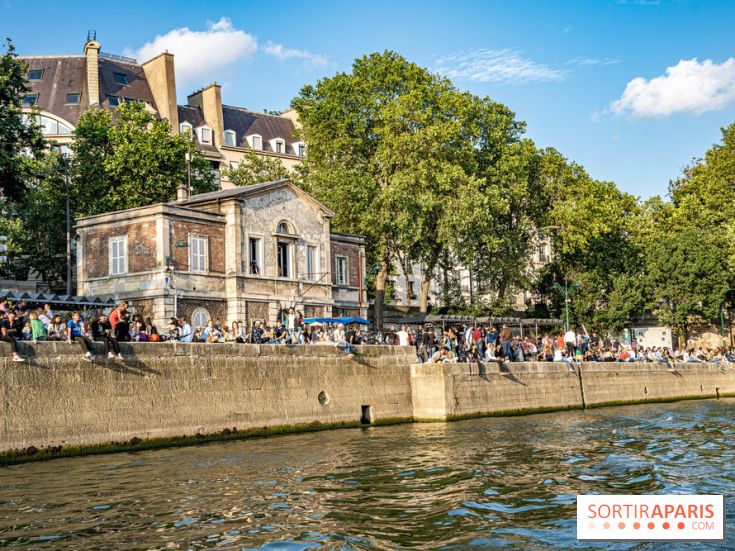
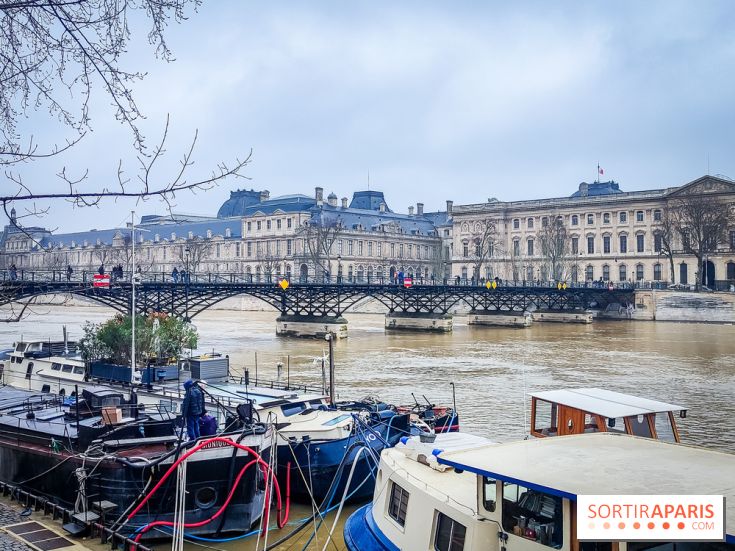
What happened on the Paris quays in the night of April 16-17, 2026 that so many sirens wailed and dozens of rescue teams converged at the same spot? For passers-by and local residents, the scene was unsettling—some even believed it was a real operation, or worse, a tragedy. On the side of Pont au Change and the Quai de la Mégisserie, where we filmed, tourists posing for photos with the Eiffel Tower in the background were taken by surprise, while several bystanders stopped to ask if someone had drowned in the Seine. In fact, it was a full-scale drill.
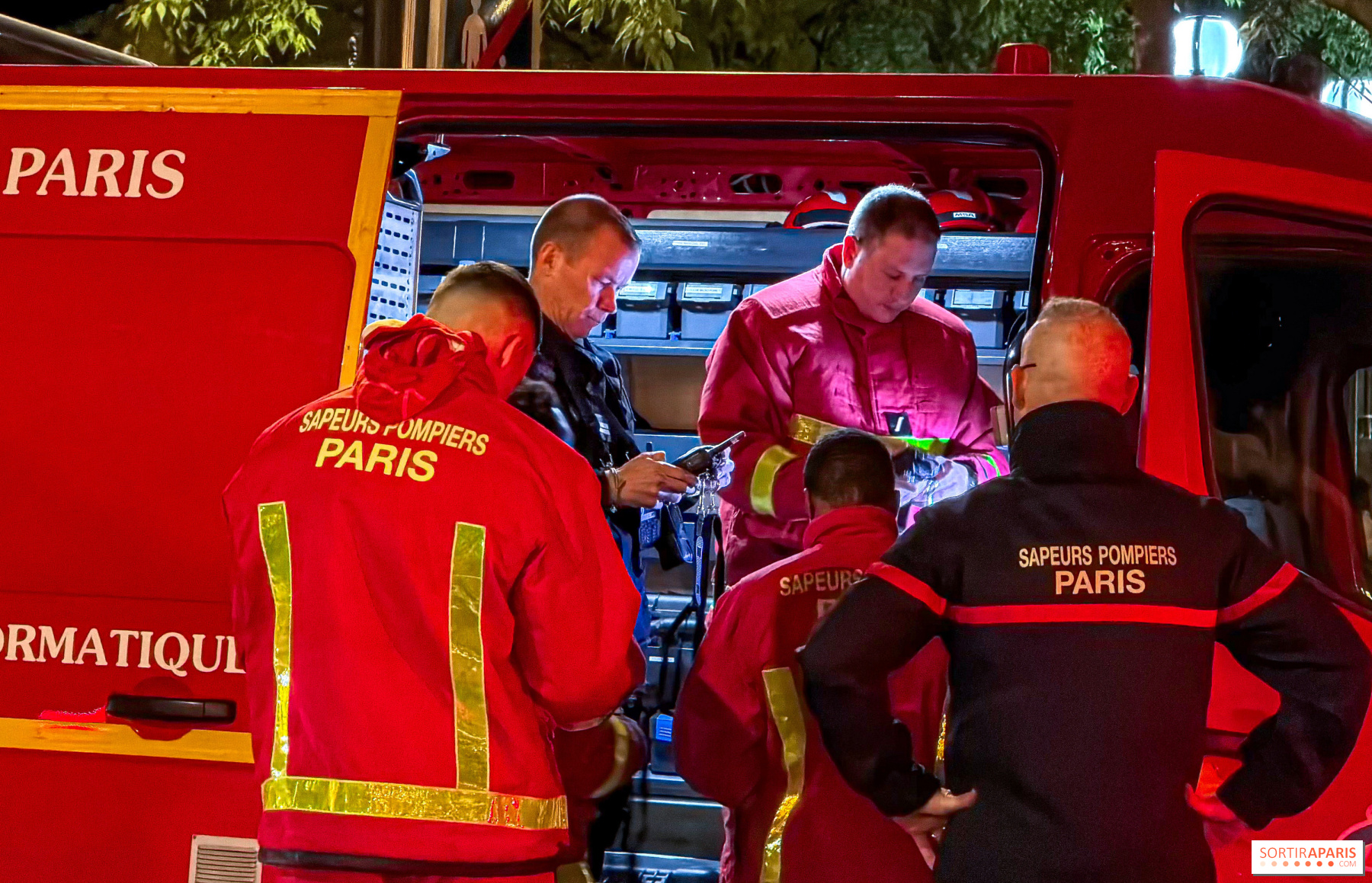
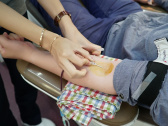
For over four hours, the Brigade de sapeurs-pompiers de Paris conducted an unprecedented large-scale attack drill. The scenario: a ram-vehicle attack over a long distance, directly inspired by the July 14, 2016 incident in Nice on the Promenade des Anglais, according to Brut. To mirror real conditions as closely as possible, more than 150 extras portrayed victims, made up and positioned along the quays.
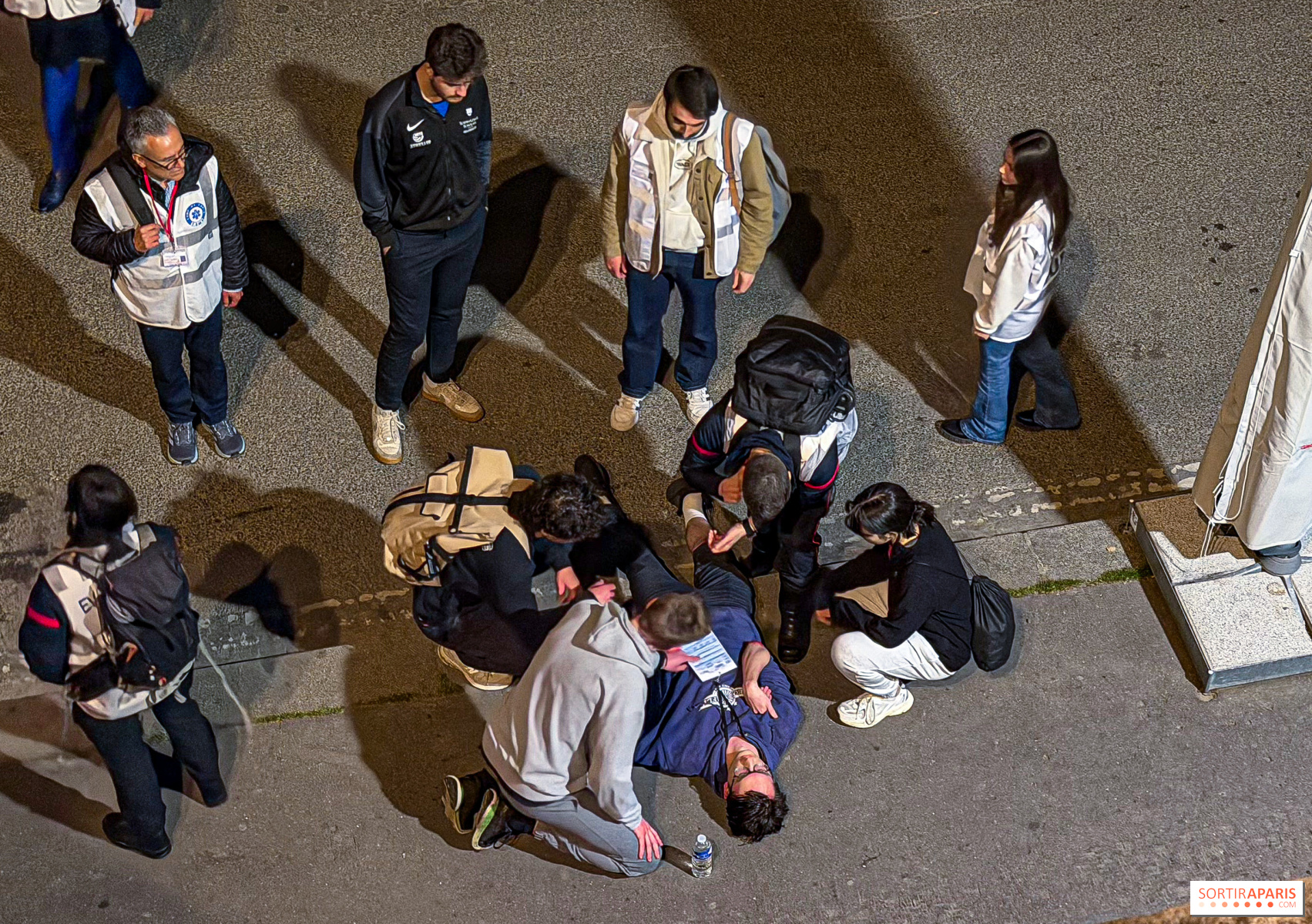
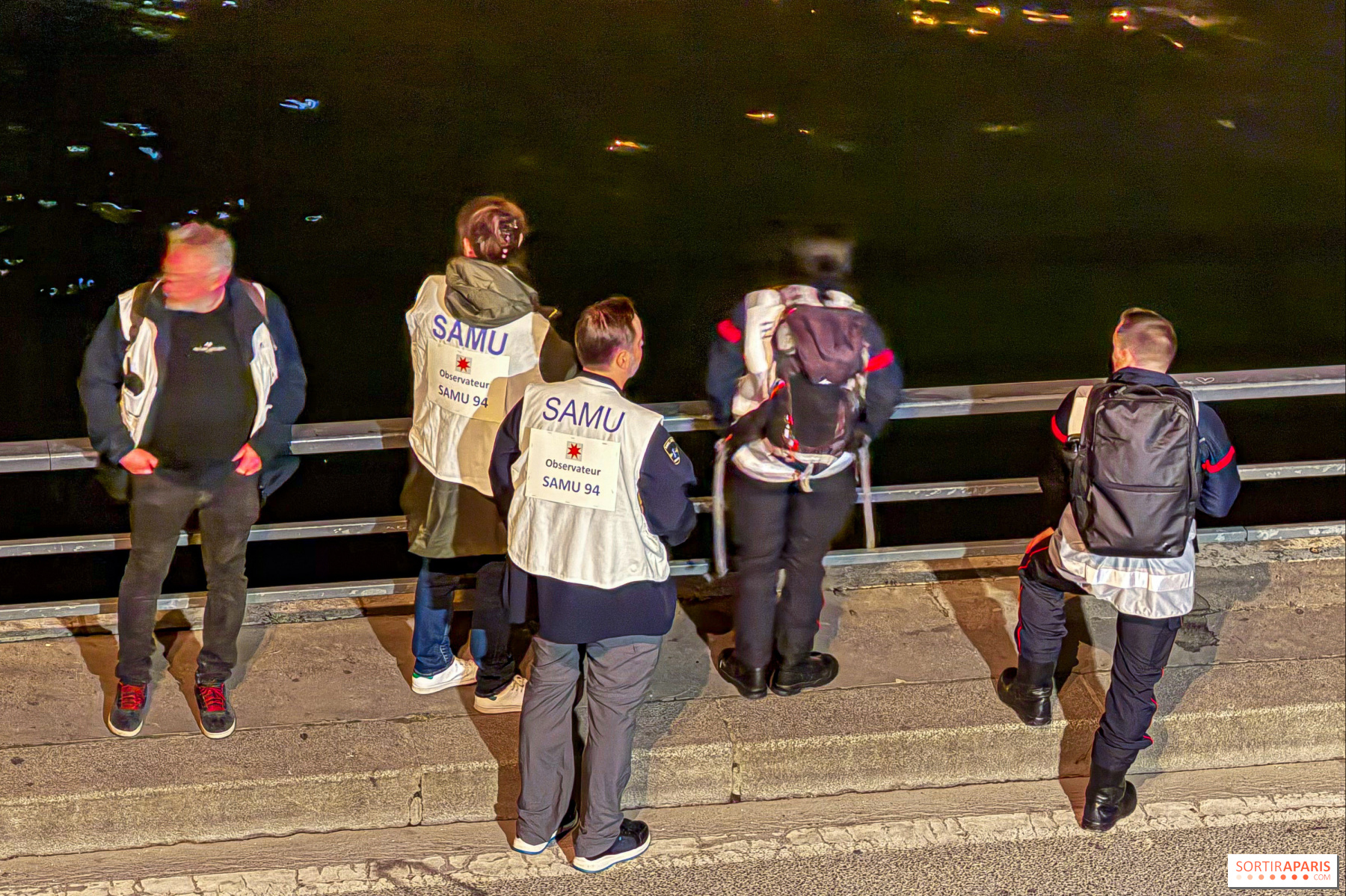
In total, nearly 400 firefighters were mobilized, alongside the SAMU, the Red Cross and the Civil Protection. A large-scale demonstration of coordination among the different emergency services, with a clear objective: to test their responsiveness, their complementarity, and the effectiveness of their procedures in the face of an extreme situation.
This kind of exercise is part of an approach that has been underway since the attacks that struck France starting in 2015. While these drills are regularly organized across the country, a simulation of this scale in the heart of Paris is rarer. The aim is to test the intervention concepts, the doctrine and the strategies devised, under conditions as close to real life as possible.
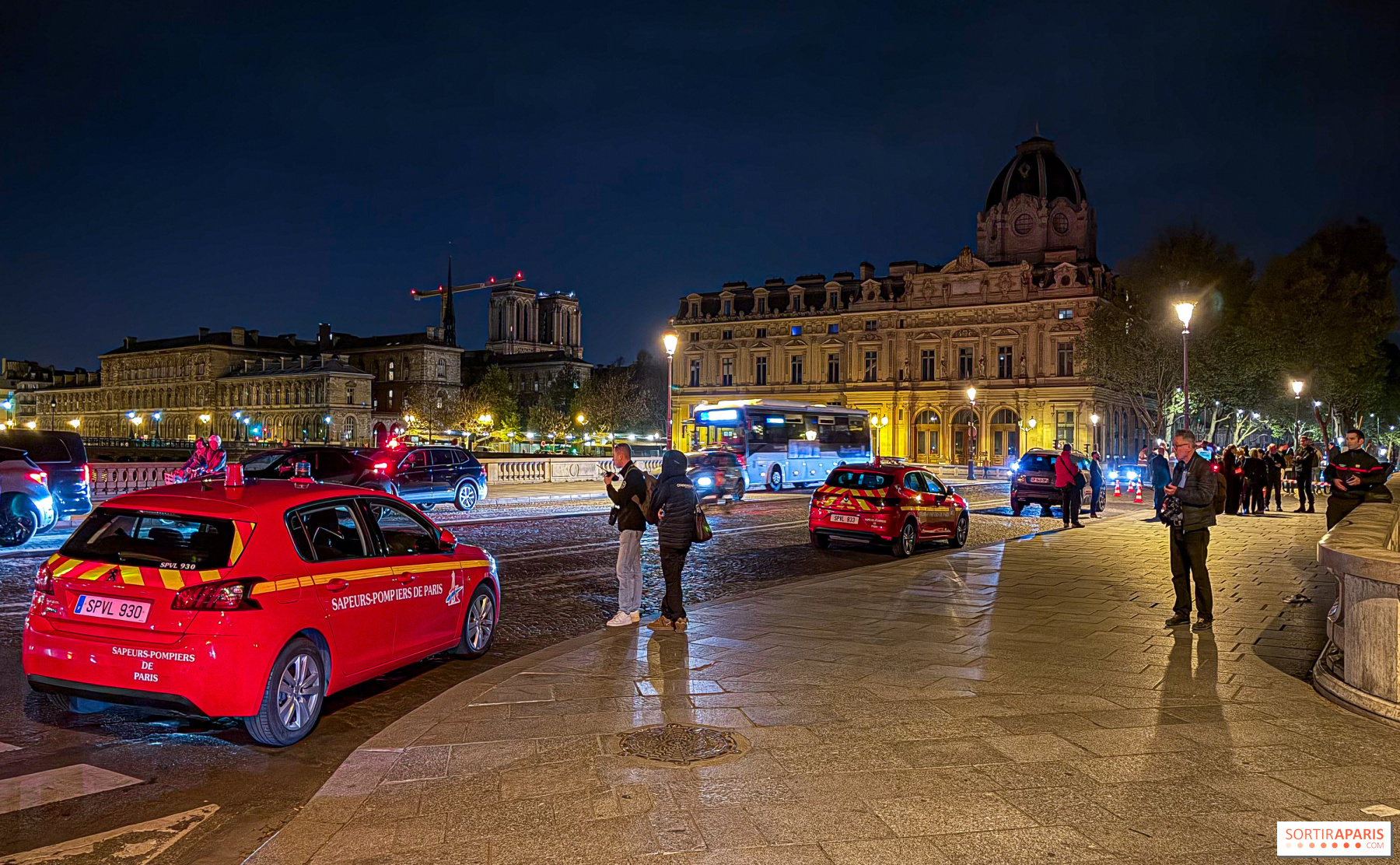
In the run-up, traffic and parking restrictions had been put in place as of the evening on several stretches of the quays, notably between Georges Pompidou Avenue, the Solférino port, and the Léopold Sédar Senghor footbridge.
A massive mobilization essential to ready the emergency response for the unpredictable.