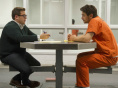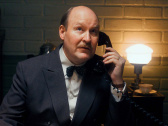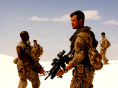
September 5 is a drama directed by Tim Fehlbaum, co-written with Moritz Binder, and starring Peter Sarsgaard, John Magaro, and Ben Chaplin. The film looks back at a significant episode in media history. Broadcast on Canal+ on Tuesday, October 28, 2025, at 9:10 p.m.
Inspired by real events, September 5 recounts the live coverage of the hostage-taking that occurred during the 1972 Munich Olympics. Through the eyes of an American television crew, the film explores the moral and professional dilemmas involved in broadcasting a global tragedy to a billion viewers. Young producer Geoff is faced with crucial choices as information becomes a double-edged sword.
By following the growing tension between ambition, ethics, and truth, the film highlights the role of the media in the face of tragedy and questions the limits of live broadcasting. This immersive story reveals how the desire to inform can clash with the responsibility to protect human dignity.
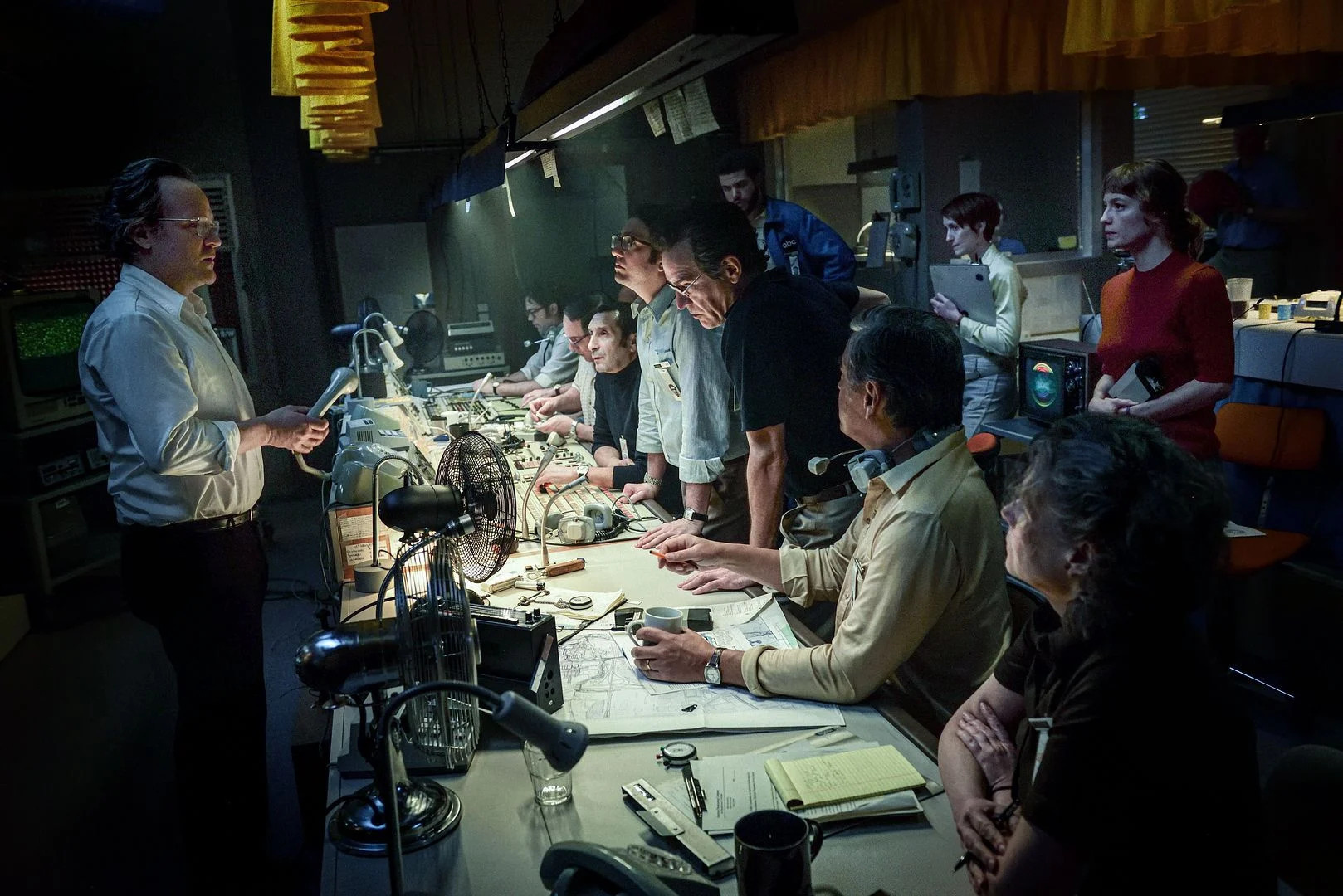
Shot between Germany and Hungary, the film faithfully recreates the sets and technology of the time. Analog cameras, cathode ray tube screens, and satellite lines illustrate the technical constraints of 1970s television. Tim Fehlbaum's direction favors continuous tension and documentary realism.
With its subject matter, September 5 appeals to viewers interested in contemporary history, journalism, and reflections on media ethics. Accessible to all audiences, it combines narrative rigor with dramatic tension.
September 5
Film | 2025
Broadcast on Canal+ on October 28, 2025, at 9:10 p.m.
Original title: September 5
Nationality: Germany/United States
From the very first scenes, September 5 immerses viewers in the excitement of the Munich Olympics. The camera follows ambitious producer Geoffrey Mason(John Magaro) and TV executive Roone Arledge(Peter Sarsgaard) as they juggle sports coverage and broadcasting imperatives. But when hostage-taking erupts in the Olympic Village, the tone changes dramatically: what was supposed to be a festive event becomes the first attack to be broadcast live worldwide, watched by 900 million viewers.
The film excels in its historical reconstruction, both visually and technically. The meticulous art direction takes us back to the 1970s, with heavy cameras, precarious satellite links, and tense negotiations to retain exclusive rights to the images. The useof archival footage integrated into the narrative adds a striking dose of authenticity, while highlighting the porosity between reality and media staging.
The main trio works perfectly. John Magaro aptly portrays a young producer caught up in an ethical and professional spiral, oscillating between ambition and awareness of the real stakes of his profession. Peter Sarsgaard, charismatic and implacable, plays a visionary Roone Arledge, ready to do anything to establish ABC as the benchmark for sports journalism. But it is perhaps Leonie Benesch, in the role of Marianne Gebhardt, a German interpreter, who brings the most humanity to this drama, putting into perspective the distress of the hostages in the face of the media machinery in motion.
Where 5 September stands out is in its frenetic pace and omnipresent tension. The film is not directly concerned with the hostages or the terrorists, but with those who shape the live narrative. Every decision becomes a strategic one: how to film the hostage-taking without interfering with the intervention of the forces of law and order? Should we continue to broadcast live, at the risk of informing the terrorists themselves? The film exposes these power struggles, in particular between ABC Sports and ABC News, each of which claims to cover the event.
One of the most striking scenes shows journalists disguising a reporter as an athlete, so that he can move around freely and report never-before-seen images. Later, as the operation to free the hostages turns deadly, a fatal communication error prompts several channels to prematurely announce their rescue... when in fact they have all been killed. A chilling sequence, reminiscent of the devastating impact of unverified news.
Tim Fehlbaum's cinematography is nervous, with multiple tight shots in the control room to accentuate the claustrophobia and the build-up of pressure. Alternating with general shots of the Olympic Village, captured with period grain, we feel the magnitude of the tragedy in progress.
Thesubdued lighting, in cool ochre tones, reinforces the dramatic tension and 70s atmosphere. The sound design plays a key role, immersing the viewer in the urgency of live broadcasting, with its newsroom hubbub, ponderous silences and choppy radio conversations.
More than just a thriller, September 5 is a reflection on the place of the media in modern society. It raises questions that still resonate today: how far should a journalist go to inform the public? Where does the line lie between reporting and voyeurism? Through the chaos of Munich 72, the film illustrates how the live broadcasting of a tragedy can influence the way it unfolds, an issue that is more topical than ever in the age of social networking.
Admittedly, the film could be criticized for taking a very American-centric approach, somewhat neglecting German crisis management and the geopolitical tensions of the time. But in its field - that of journalism under pressure - September 5th is a powerful and captivating work.
By accurately reconstructing a historic turning point in television journalism, September 5th questions the media's responsibility in the face of tragedy and real-time truth.
To go further, check out our selection of movies, series, and shows to watch on television this week, our guide to releases on all platforms, and today's selection of What to watch today on streaming.