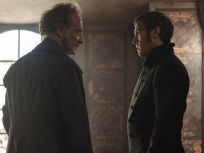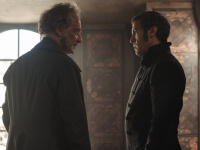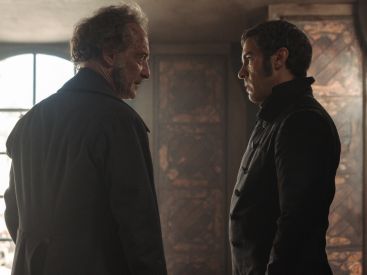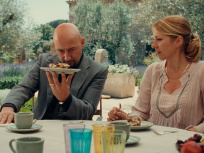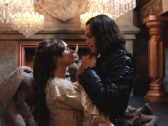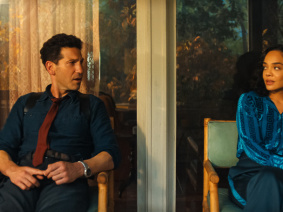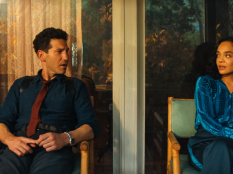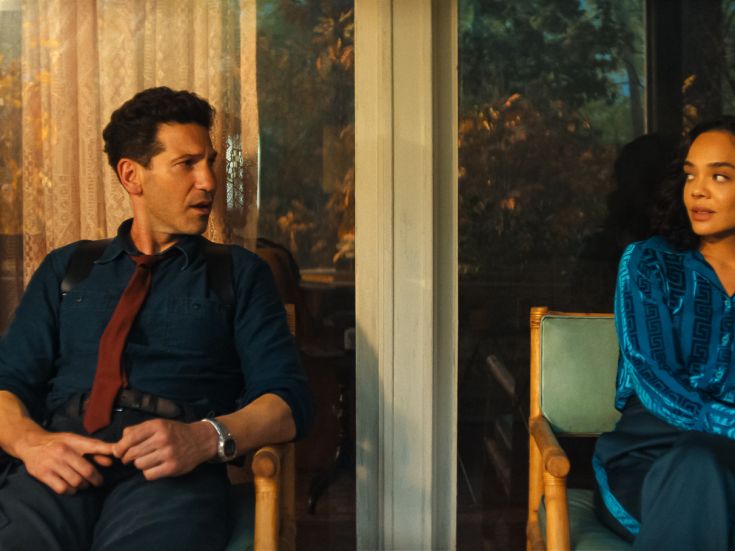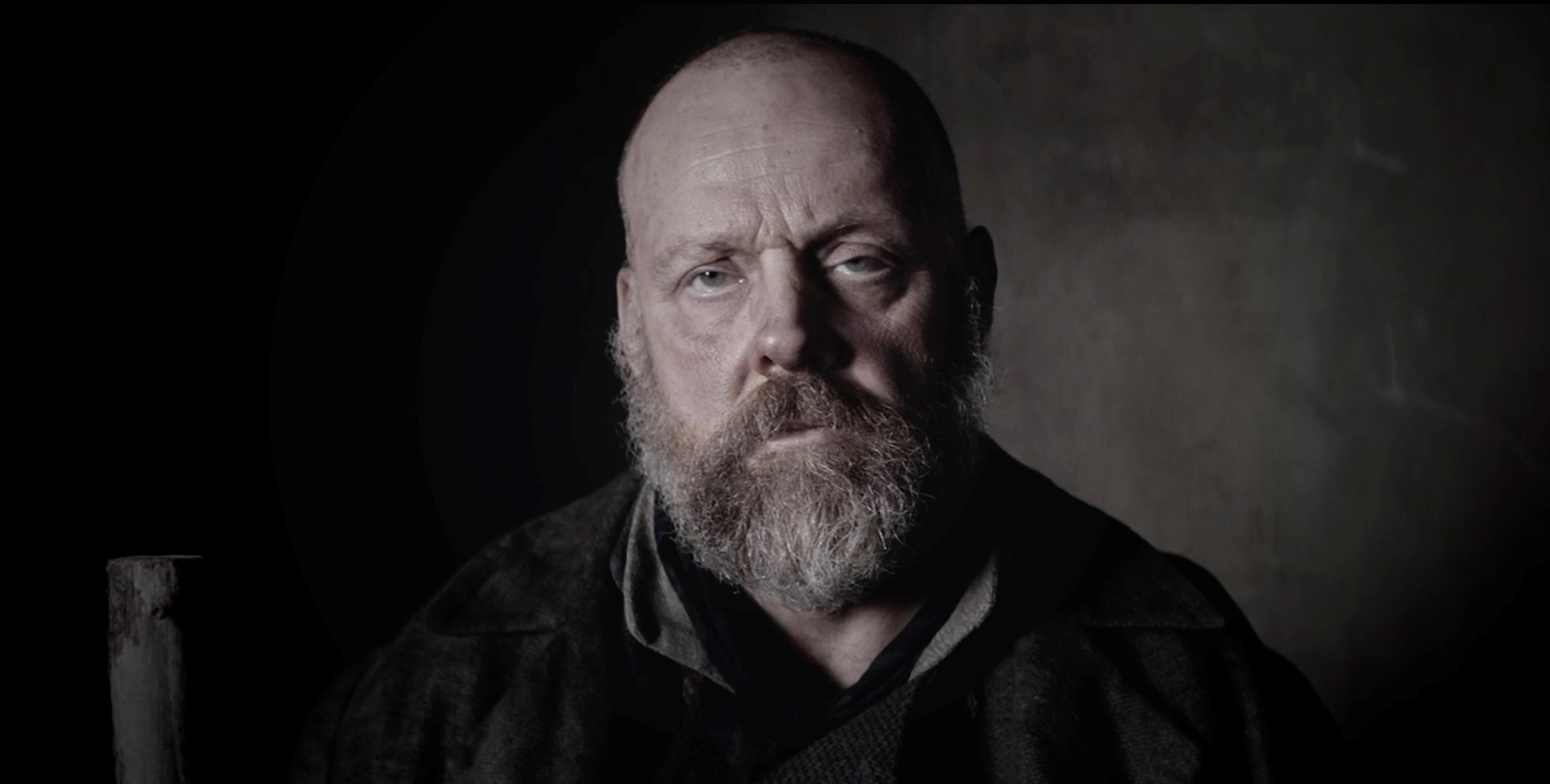
Directed by Éric Besnard, this historical drama stars Grégory Gadebois, Bernard Campan, Alexandra Lamy, and Isabelle Carré. Distributed by Warner Bros. Pictures, the film will be released in France on November 19, 2025, and revisits the origins of the character created by Victor Hugo.
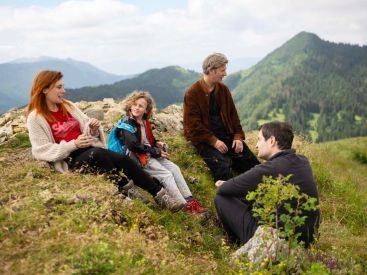
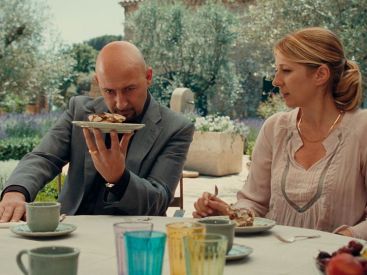
The story explores Valjean's release from prison in 1815. Rejected by society, he finds refuge with a man of the church and his family. This unexpected help leads him to reevaluate his path. The character's journey revolves around redemption and the choice of a new identity.
The film follows the protagonist's wanderings as he faces widespread hostility. The welcome he receives in this house marks a turning point, forcing him to assess the impact of his past actions and consider a path guided by trust and solidarity.
The film is co-produced by Radar Films, Mediawan, and France 3 Cinéma. The project is supported by the CNC, the Provence-Alpes-Côte d'Azur Region, and the Department of Vaucluse. Filming took place in several towns in the south of France. Éric Besnard is reunited here with Grégory Gadebois, who also appeared in Délicieux. International distribution is handled by Ginger & Fed.
The tone favors a dramatic approach centered on moral dilemmas. The story will particularly appeal to audiences interested in literary adaptations, character portraits, and films rooted in historical reconstruction. The themes address forgiveness, social injustice, and personal transformation.
Jean Valjean
Film | 2025
In theaters on November 19, 2025
Historical drama | Runtime: TBA
Directed by Éric Besnard | Starring Grégory Gadebois, Bernard Campan, Alexandra Lamy
Original title: Jean Valjean
Country: France
Jean Valjean, directed by Éric Besnard, brings together Grégory Gadebois, Bernard Campan, Alexandra Lamy, and Isabelle Carré to revisit the first two books of Victor Hugo's novel, "A Man of Honor" and "The Fall." By opting for a condensed adaptation—from his release from prison to his fateful encounter with Bishop Myriel—Besnard does not seek to compete with Hugo's grand epics, but rather to return to the very origins of the character. The result is a film that is modest in its means but ambitious in its intention: to capture the moment when a broken man chooses to be reborn.
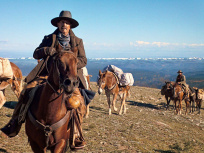
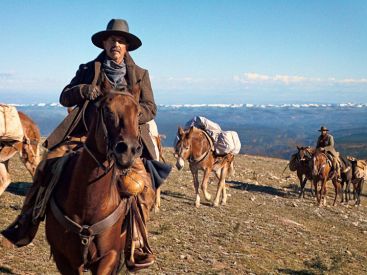
From the opening line, " Before there was a hero, there was a man, a wretch," the tone is set. The film favors an intimate approach, focusing on redemption,social exclusion, and the possibility of forgiveness. In this respect, it is fully in line with Hugo's legacy. The cinematography, dominated by the "mineral grayness" evoked by several critics, is never a mere mannerism: it conveys the harshness of a world where injustice and fear seem to be set in stone. The image, austere but carefully crafted, creates an atmosphere that gives the story an almost physical anchor. The claimed influence of the Western is evident in the loneliness of the protagonist, a heavy silhouette advancing through a landscape that crushes him like a moral horizon.
There is also a clear fidelity to Hugo's letter, with a very present voice-over, temporal digressions, and a fragmentary structure. This choice may seem academic to some, but it is also one of the film's strengths: rather than oversimplifying or modernizing, Besnard prefers to let the music of the original prose be heard, entrusting his images with the mission of embodying it rather than reinventing it. The result is not always perfectly fluid, but the overall coherence prevails, giving the impression of a narrative that progresses with seriousness and respect.
At the heart of the film, Grégory Gadebois impresses with his ability to make Valjean's inner turmoil palpable. His performance, powerful yet sensitive, offers several moments of grace, particularly in the silences where we sense the moral struggle playing out. Bernard Campan brings a simple gentleness to the role of Bishop Bienvenu, capturing the character's essential humanity, while Isabelle Carré stands out with a delicate presence that provides welcome breathing space in the film. Although the cast is not always evenly matched, each actor seems guided by the same desire to embody rather than overact.
Where Jean Valjean is most convincing is in his ability to reinscribe the myth in a deeply human trajectory. The scene in which Valjean states, " Not believing in the virtue of holy water, in the virgin birth, in the resurrection of a man tortured with a crown of thorns, is not the same as not believing," sums up the film's philosophy: a moral, non-dogmatic quest in which man redefines himself through his actions. The ending, carried by the words " The story of a man is not only the story of a man, it is also the story of those he meets," completes this universal dimension without ever sinking into bombast.
Of course, not everything is perfect: some of the staging choices remain conservative, a few transitions lack scope, and the visual austerity can seem repetitive. But overall, Jean Valjean strikes a rare balance, that of a film that prefers sincerity to excess. It is aimed primarily at viewers who appreciate faithful adaptations, introspective dramas, and the discreet power of stories of transformation. Those looking for a more epic feel may remain aloof, but those who accept to slip into this contemplative rhythm will come away enriched.
This reinterpretation of Valjean's early life highlights his inner evolution and the encounters that shaped his trajectory.
To extend the theater experience, check out November's new movie releases, films currently showing, and our selection of French films of the year.