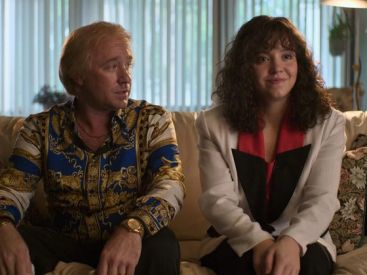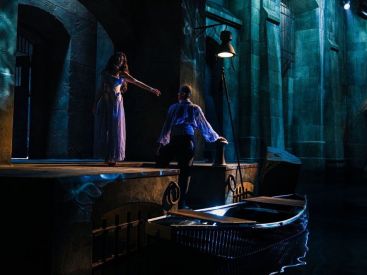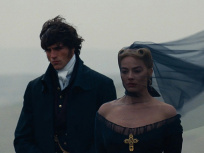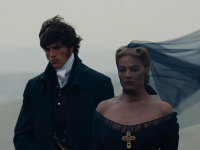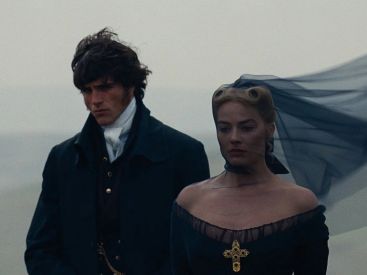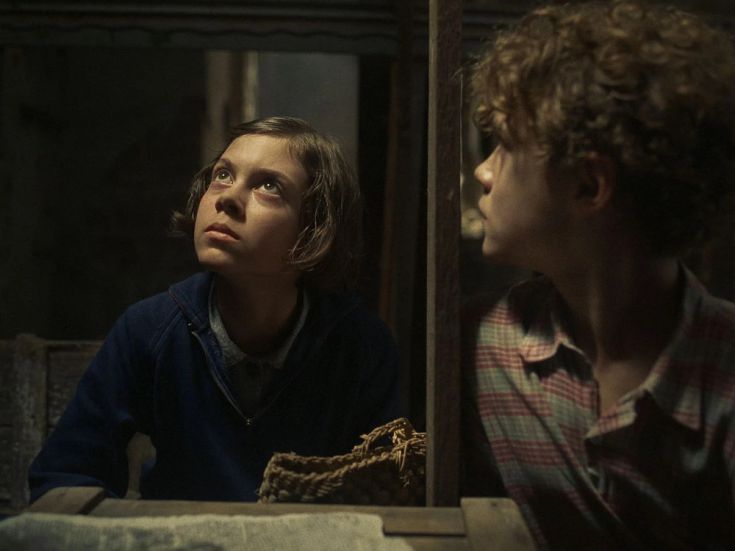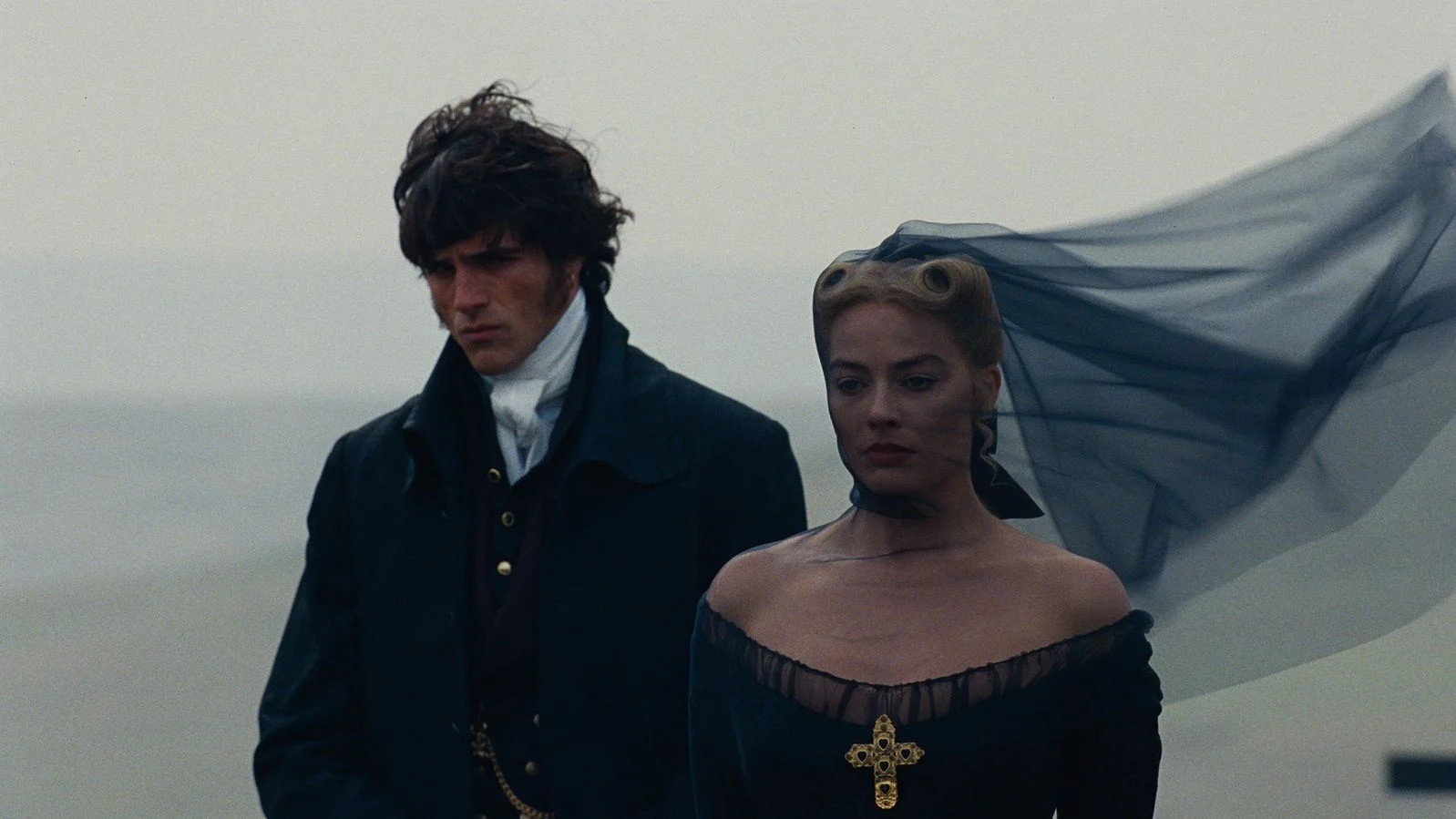
Directed and written by Emerald Fennell, this romantic drama starring Margot Robbie, Jacob Elordi, and Hong Chau hits theaters in France on February 11, 2026. Based on Emily Brontë's novel Wuthering Heights, the film is distributed by Warner Bros. Pictures and offers a reimagining set within a gothic, passionate atmosphere.
The story recounts the tormented relationship between Cathy Earnshaw and Heathcliff. Their bond transforms into a series of emotional tensions, shaped by family and social obstacles. The evolution of their story highlights the impact of this passion on their environment.
The plot explores the destructive feelings that bind the two characters together. Their attachment fuels a spiral marked by breakups, reunions, and lasting effects on several generations.
Warner Bros. Pictures describes the film as an ambitious reinterpretation of the novel. The project is produced by Emerald Fennell, Josey McNamara, and Margot Robbie. Tom Ackerley and Sara Desmond are executive producers. The film features the director's regular collaborators, including Linus Sandgren as director of photography, Suzie Davies as production designer, Victoria Boydell as editor, and Jacqueline Durran as costume designer. The original score includes songs composed by Charli XCX.
This version highlights natural settings and a dramatic atmosphere. The themes include thwarted love, emotional violence, and the characters' difficulty in escaping their fate. The film is aimed at audiences attracted to classic stories adapted with a contemporary approach.
Our review of "Wuthering Heights":
With Wuthering Heights, Emerald Fennell boldly confronts one of the most iconic works of English literature—not with a reverent adaptation, but with a visceral, sensory experience that is as much felt as seen. From the opening shots, the film sets the tone: the moors become a playground of raw emotions, bodies surrender to decadence, and the director’s approach aims less to tell a story than to evoke sensations. The wild celebration of the hanging figures that kicks off the film acts as an aesthetic manifesto: here, excess isn’t a flaw but a guiding principle.
This deeply polarizing approach is woven throughout the entire film. Fennell prioritizes emotional intensity and surface sensations over strict narrative logic or the social complexities of Emily Brontë’s novel. The passionate affair between Cathy and Heathcliff is portrayed as a toxic obsession, fueled by misplaced pride, revenge, and primal desire, threatening to strip the story of its tragic and political undertones. The film avoids analysis; it hits hard, overflows, and saturates both images and sound.
Visually, however, Wuthering Heights is undeniably impressive. Linus Sandgren’s stunning cinematography elevates the rugged landscapes, costumes, and scenery through a painterly light that seems almost cinematic in itself. Every shot feels deliberately crafted like an iconic image, occasionally bordering on illustrative, but always breathtaking. The soundtrack, throaty and omnipresent, bathes the entire film in a suffocating atmosphere, leaning more towards an intoxicating vertigo than traditional storytelling.
This aesthetic excess is both the film’s strength and its limitation. While the lush spectacle is undeniably captivating, little of it endures once the credits roll. The emotions are immediate—almost physical—but struggle to maintain their impact over time. The moral darkness, societal violence, and generational cruelty embedded in the novel are sidelined here, replaced by an erotic melodrama that favors visual shock over thematic depth.
Wuthering Heights mainly appeals to viewers drawn to provocative, pop-infused reinterpretations of classic works, and to cinéma that embraces the too much as an artistic statement. Those seeking an immersive experience, driven by music, striking visuals, and deliberately contemporary iconography, will find a hypnotic, sometimes mesmerizing film, never tepid. Fans of Fennell’s provocative style in her previous works will recognize her signature here as well.
Conversely, readers who cherish the literary complexity of Wuthering Heights, its social critique, and moral grit may find themselves alienated. The film doesn’t dialogue with the novel; it crosses through it, transforms it, and sometimes drains it of its substance. The somewhat elongated ending reinforces the sense of an object increasingly lost in its own vertigo, unsure of how to find its way out.
As a deeply divisive piece, Wuthering Heights functions less as a faithful adaptation than as a radical reimagining. Visually stunning yet unsettling at times, often frustrating at a thematic level, it confirms Fennell’s penchant for extreme sensory experiments. An audacious but uneven cinematic gesture, it will leave viewers divided: those willing to surrender to the storm of sensations, and others lamenting that amid this visceral fury, Brontë’s tragic darkness and depth have been somewhat diminished.
"Wuthering Heights"
Film | Release Date: February 11, 2026
Romantic Drama | Runtime: 2h16
Directed by Emerald Fennell | Starring Margot Robbie, Jacob Elordi, Hong Chau
Original Title: Wuthering Heights
Countries: United Kingdom / United States
The film offers a new adaptation of Emily Brontë's novel, focusing on the intensity of the relationships and the tragic dimension of this seminal story.
To make your theater experience last even longer, check out the February movie releases, the must-see films of the moment, and our list of the year's best dramas.
This page may contain AI-assisted elements, more information here.