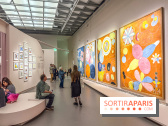
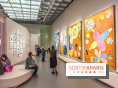
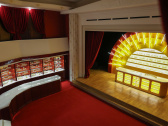
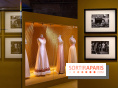
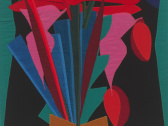
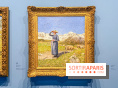
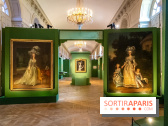
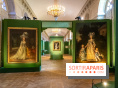
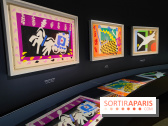
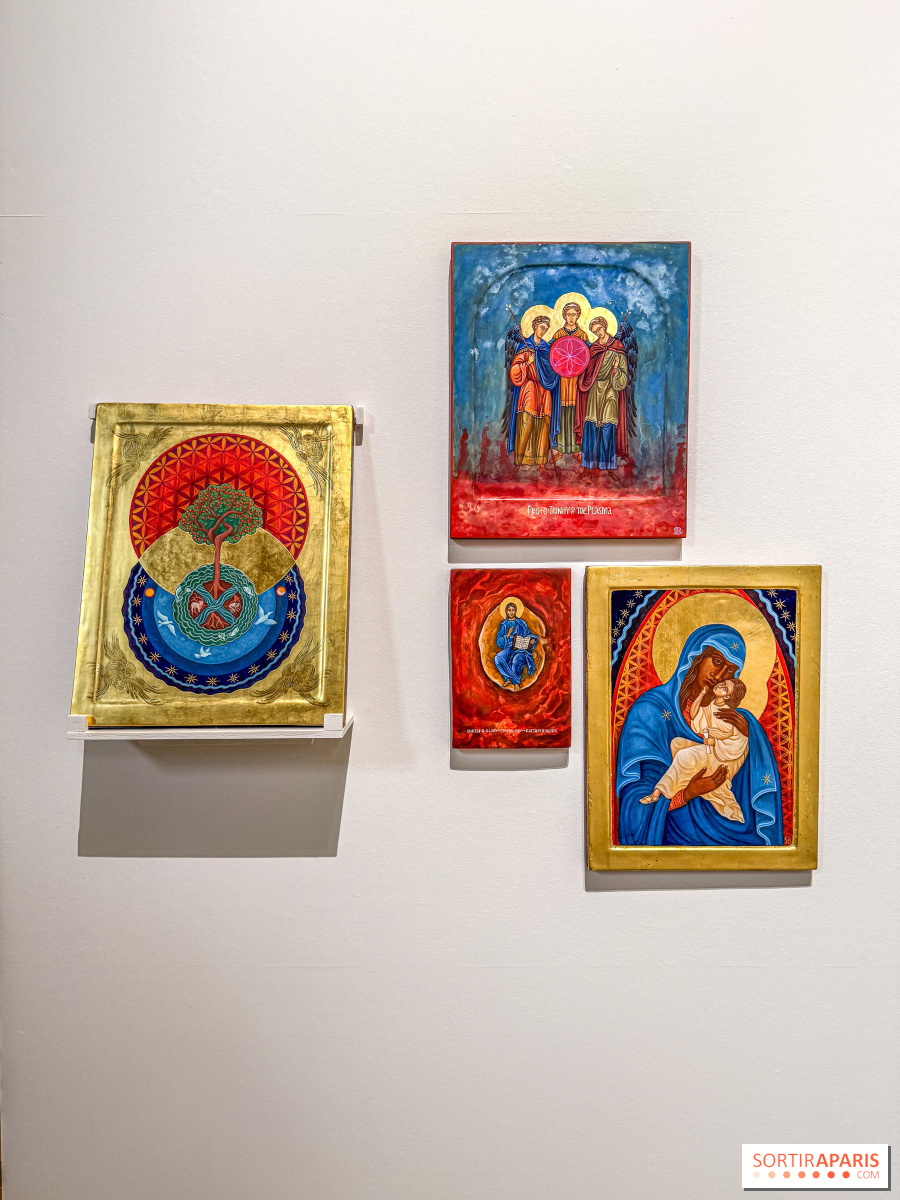
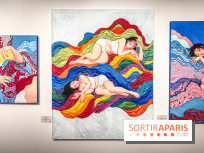
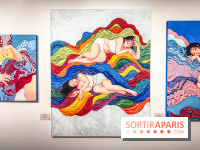
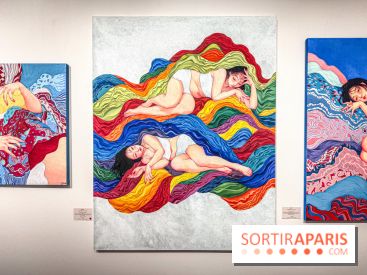
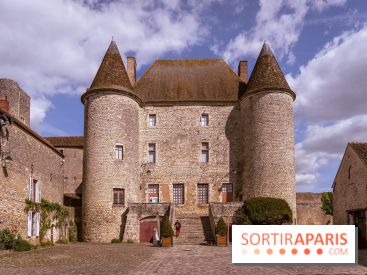
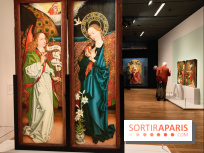
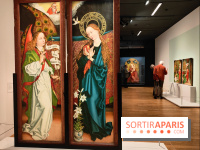
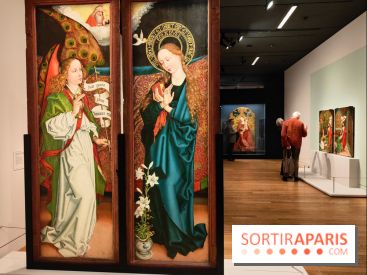
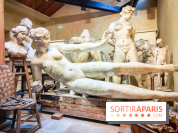
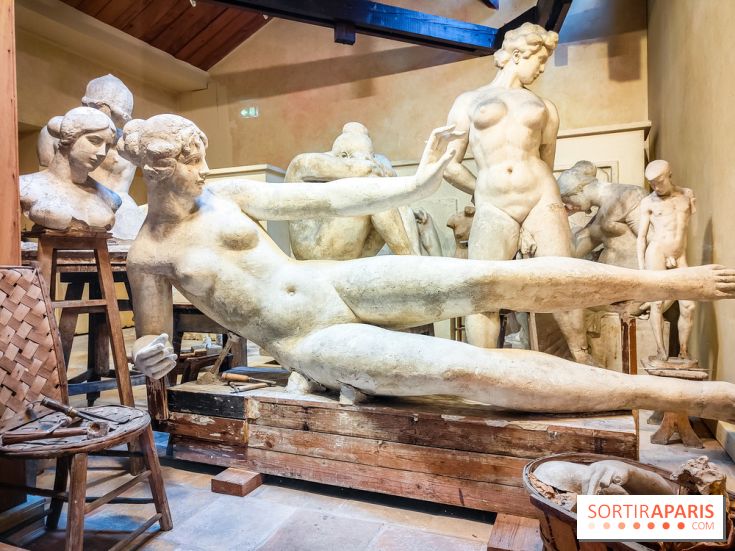
Discover Mandorla, the collective exhibition presented atthe Abbaye de Maubuisson in Saint-Ouen-l'Aumône, in the Val-d'Oise, until March 8, 2026. This first part of the cycle Les Métamorphoses du sacré (The Metamorphoses of the Sacred) offers a unique artistic and spiritual experience, combining contemporary art and medieval sculptures. Through a dialogue between eras and cultures, the exhibition explores the links between the body, the mind, and the sacred in an exceptional heritage setting.
Within the silent walls of this former Cistercian abbey, sacred art is reinvented, questioning the boundary between the carnal and the spiritual. Mandorla, named after the almond shape found in Christian iconography that "glorifies" everything at its center, becomes here a meeting place for opposites: masculine and feminine, living and inert, sacred and profane.The exhibition, which will run until March 2027 with two further sections, takes its starting point in this symbolic oval shape, evoking the intersection of heaven and earth—which becomes a narrative and aesthetic thread—but also the matrix of women, a symbol of life.

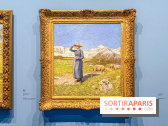
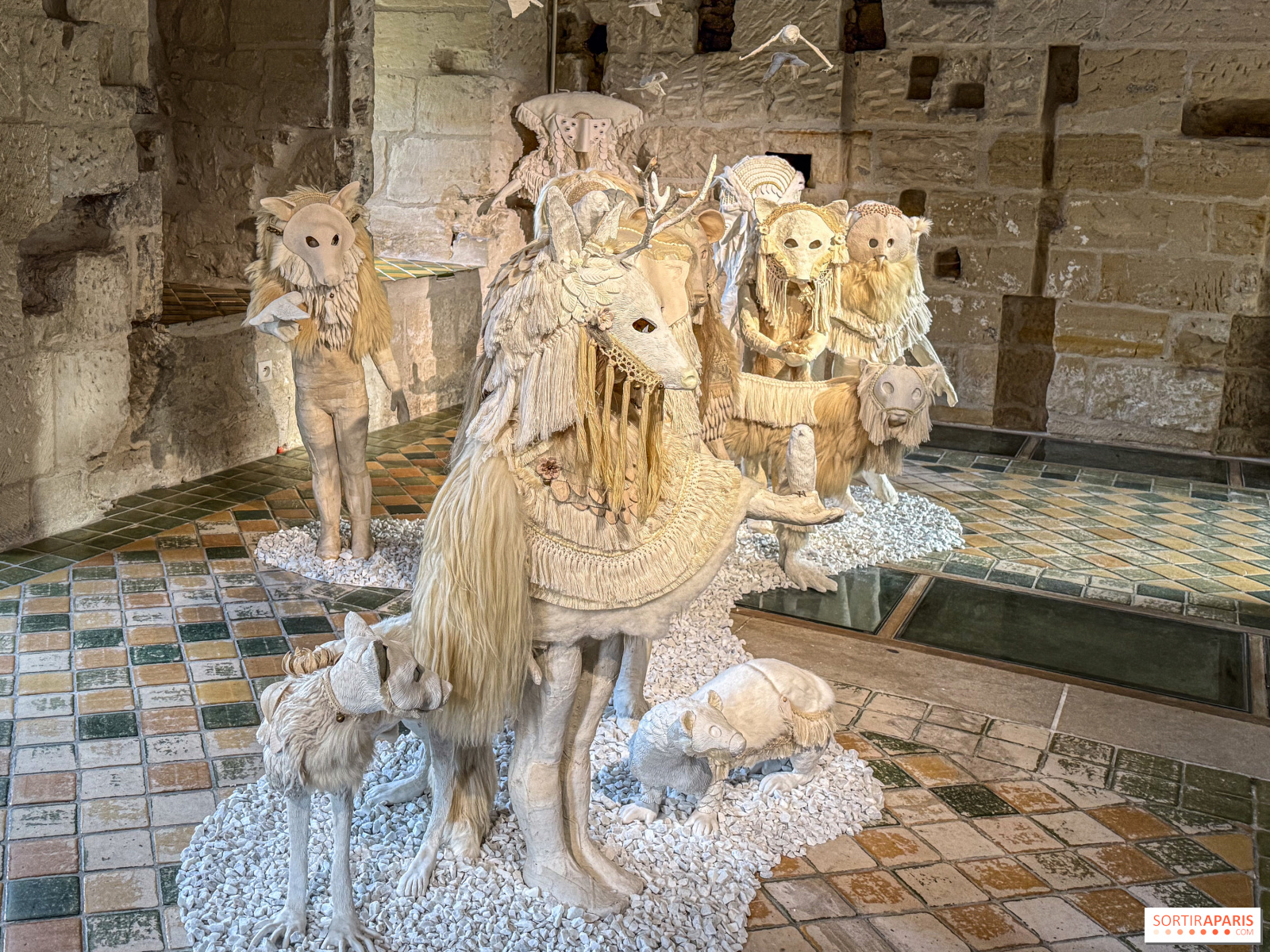
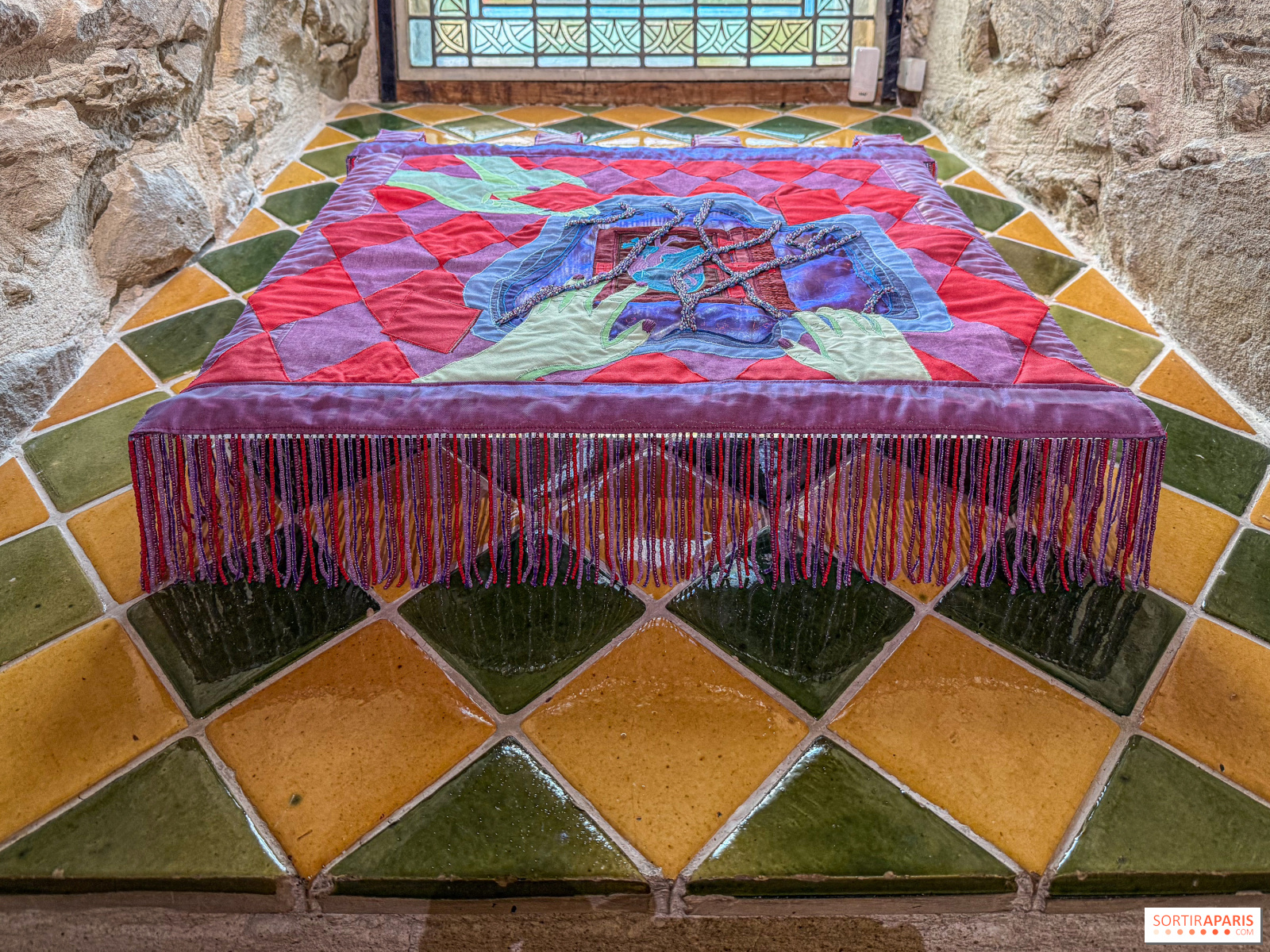
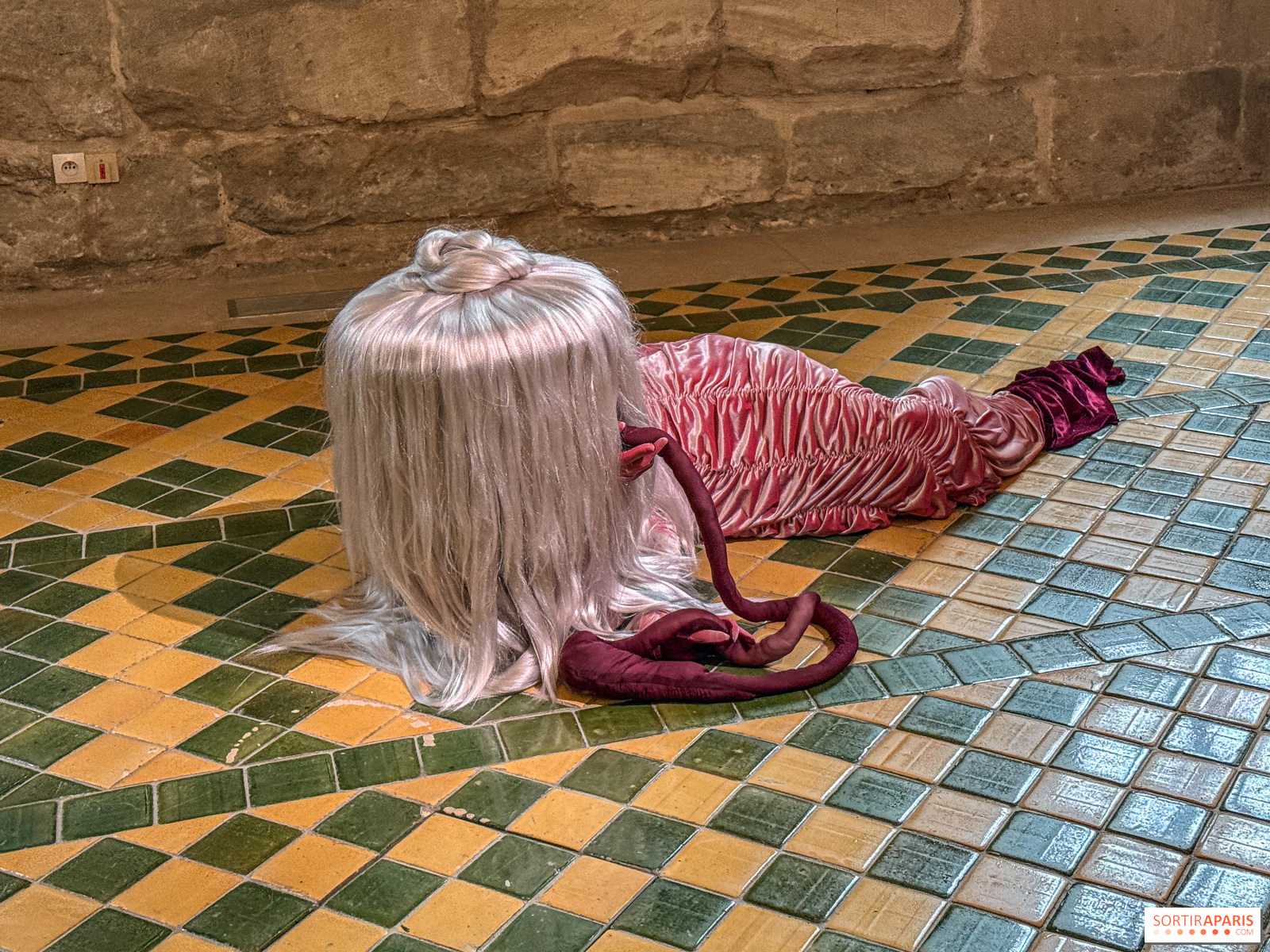
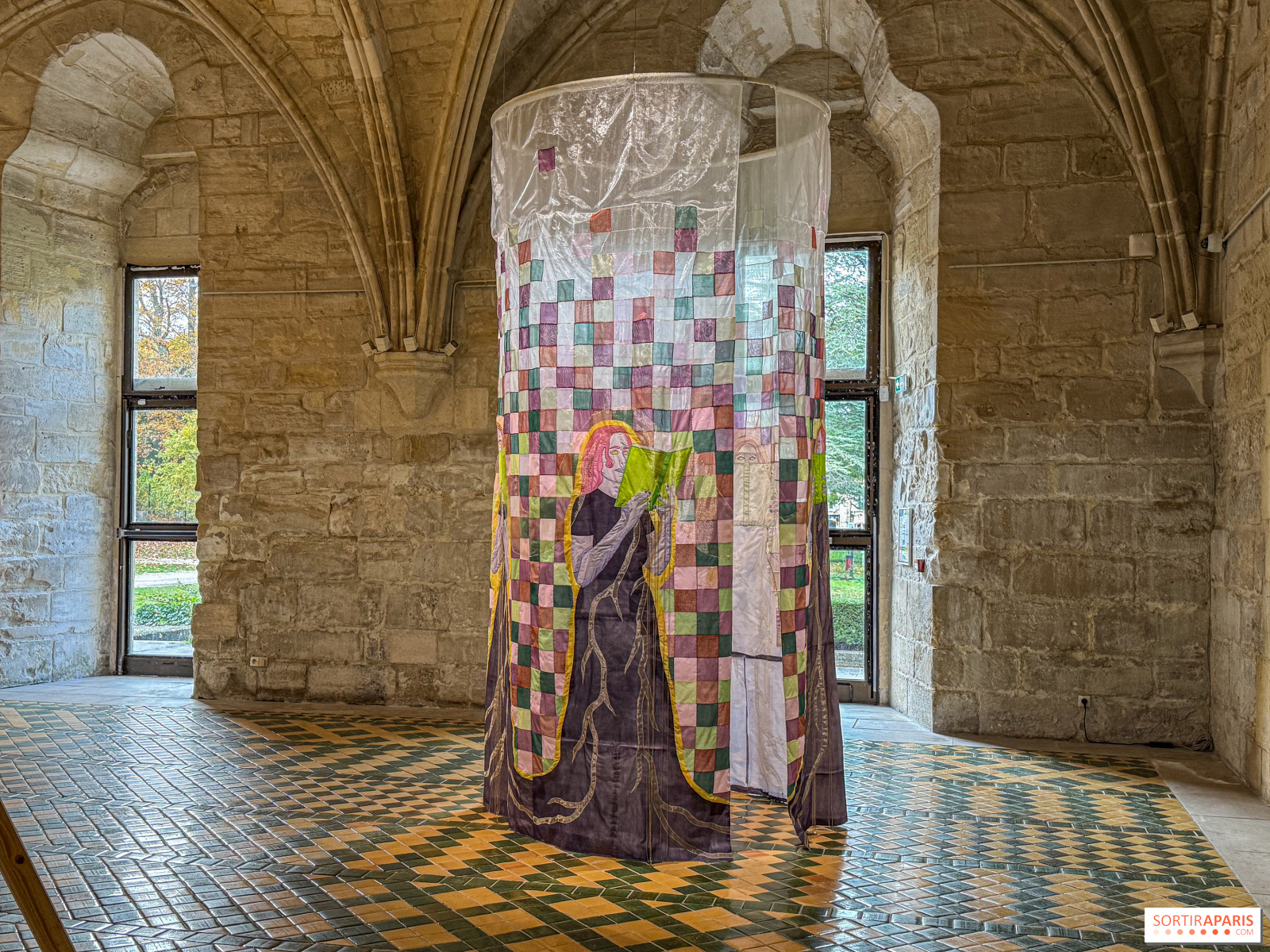
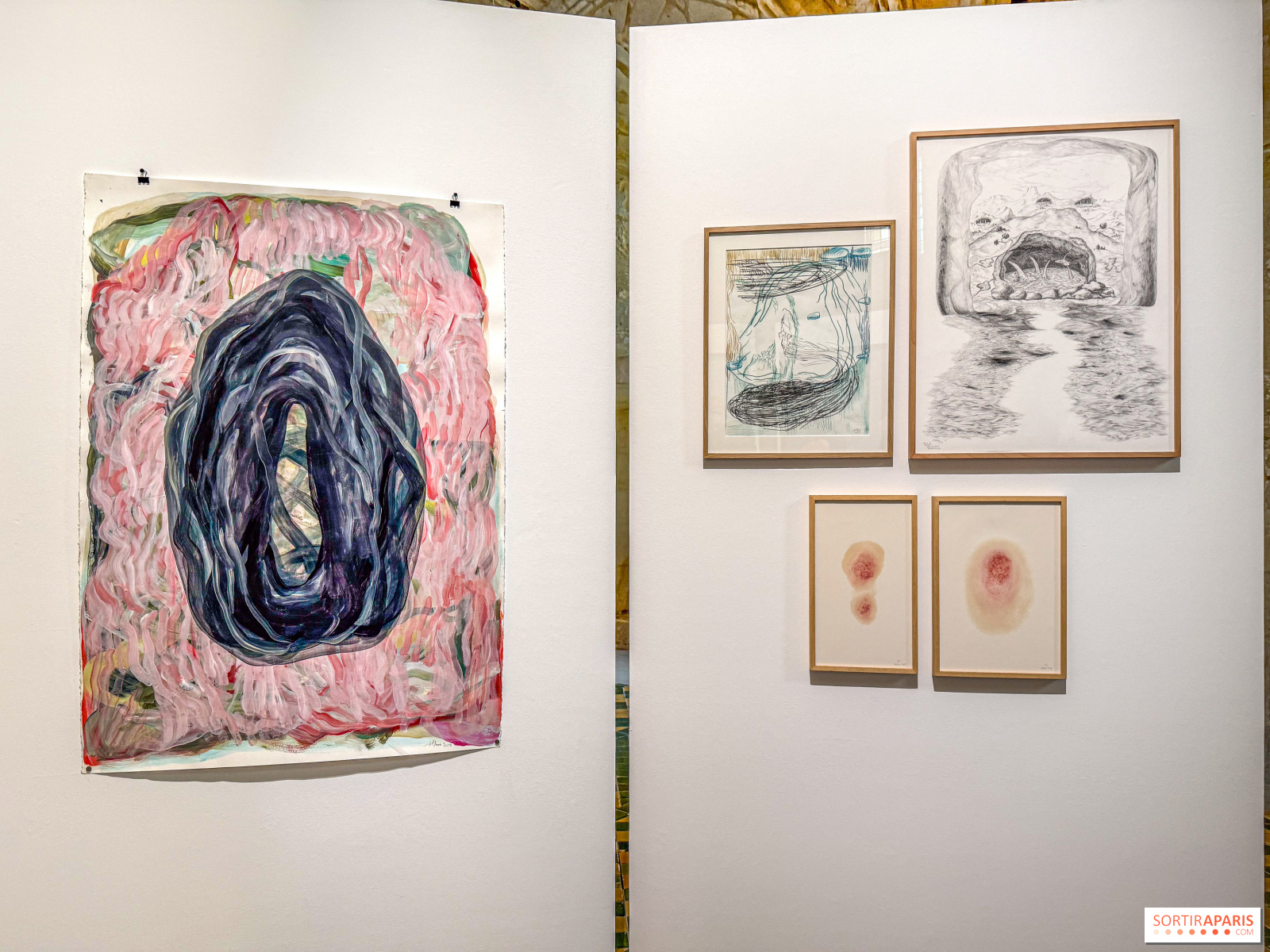
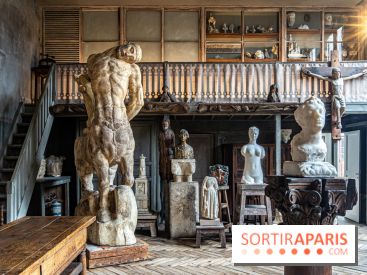
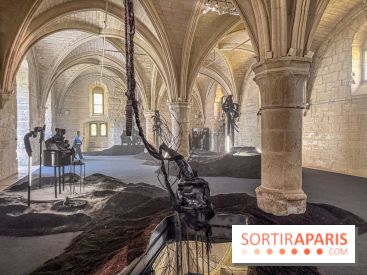
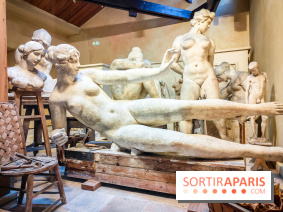
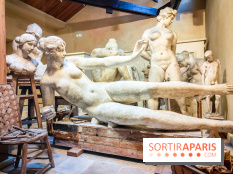
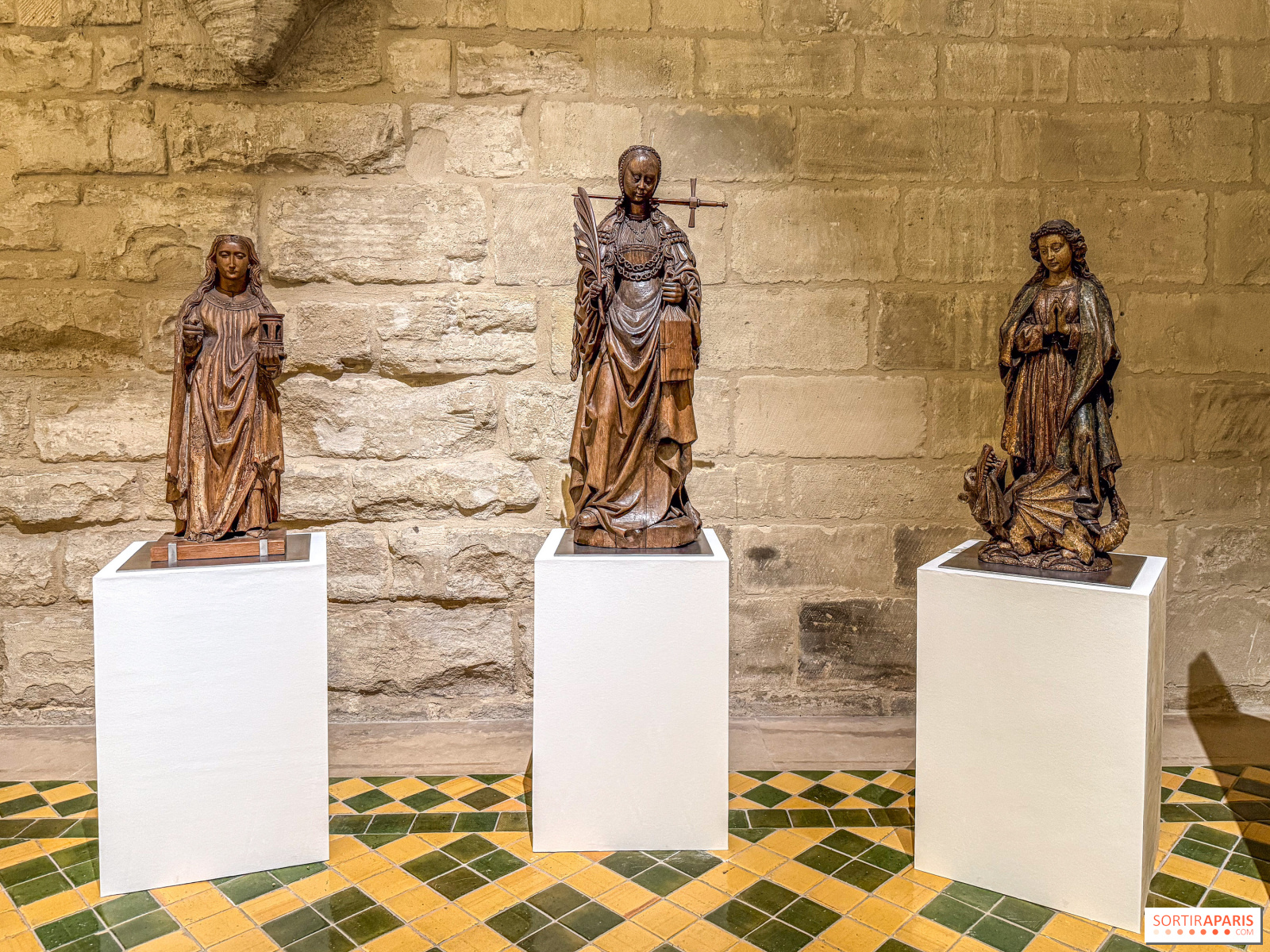
Mandorla unfolds like an initiatory journey, a crossing between worlds, where visitors are invited to confront powerful and sometimes disturbing works. You will encounter medieval sculptures of female martyrs from the Krona Museum in Uden, Netherlands, whose imposing presence dialogues with contemporary creations in contrasting forms and materials. Drawings, installations, videos, ritual objects, and photographs compose a dense and immersive visual journey, oscillating between contemplation and confrontation.
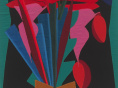
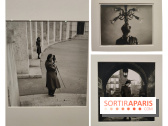
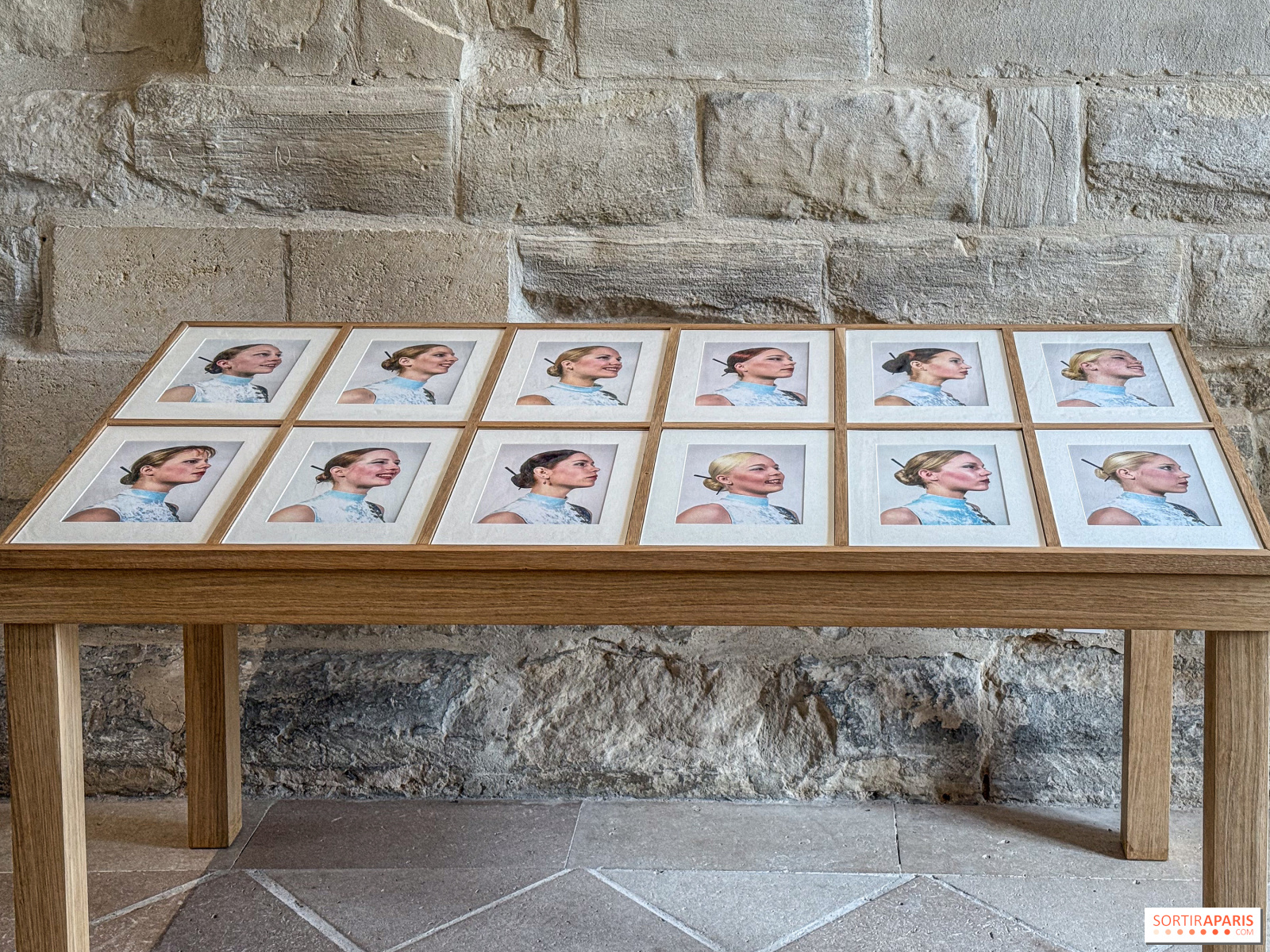
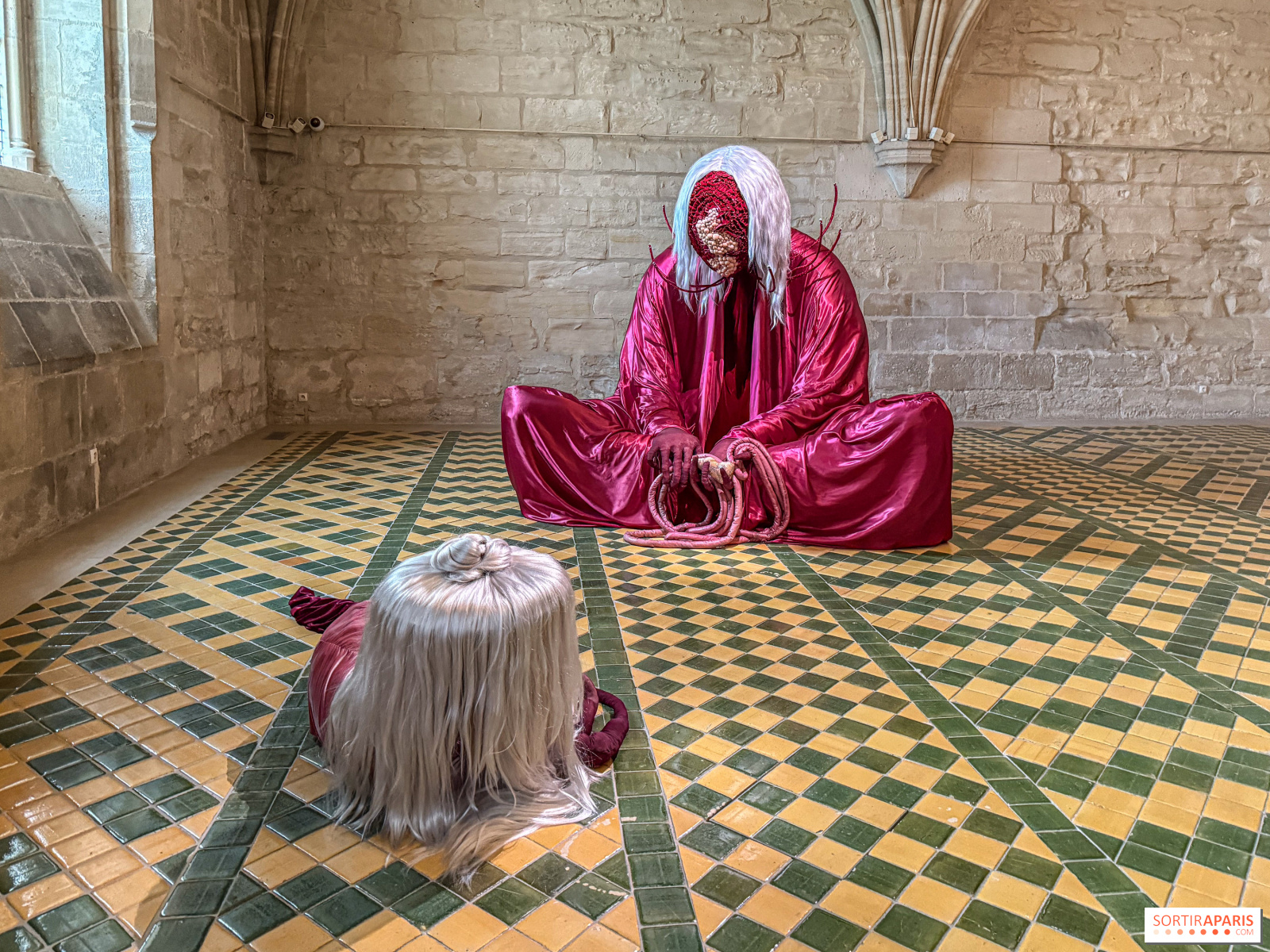
Artist Charles Fréger presents several iconic series, including Winner Faces (2002) and a diptych from the Yokainoshima series (2013-2015), exploring masks, performance, and identity. Chloé Viton, for her part, opens the exhibition with a huge installation, Hematie, the birth of Oni Baba, revealing ayōkai, a spirit or ghost in Japanese culture. Here, it is a woman caring for a sick and fragile child. One night, a vision reveals to her how to save the girl: she must remove the liver of a fetus. Torn apart, she finds herself facing a terrible dilemma—should she take two lives to save one? Driven by love and despair, she eventually finds a pregnant woman. But after killing her, she discovers to her horror that it was her own daughter. Devastated by her mistake, she gradually sinks into madness and becomes a true monster.
They are accompanied by a dozen artists from a variety of backgrounds: Gaylene Barnes, Lara Blanchard, Alexandra Duprez, Balthazar Heisch, Kate MccGwire, and Yosra Mojtahedi, to name but a few. Each of them questions in their own way the resonances between the intimate and the universal, the visible and the invisible.
Are you curiousabout contemporary art? Are you interested in questions of the sacred, the body, rituals, and representations of the feminine? Then this exhibition should be of interest to you. But the questions of the sacred here go beyond the religious, even if they use religious media: the exhibition is open to all curious lovers of contemporary art, without delving into religiosity, which is here only a tool to support the messages of the works. Whether you are an art lover, passionate about religious symbolism, or simply looking for a cultural experience that challenges traditional norms, Mandorla offers a contemplative, introspective, and sometimes disturbing interlude.
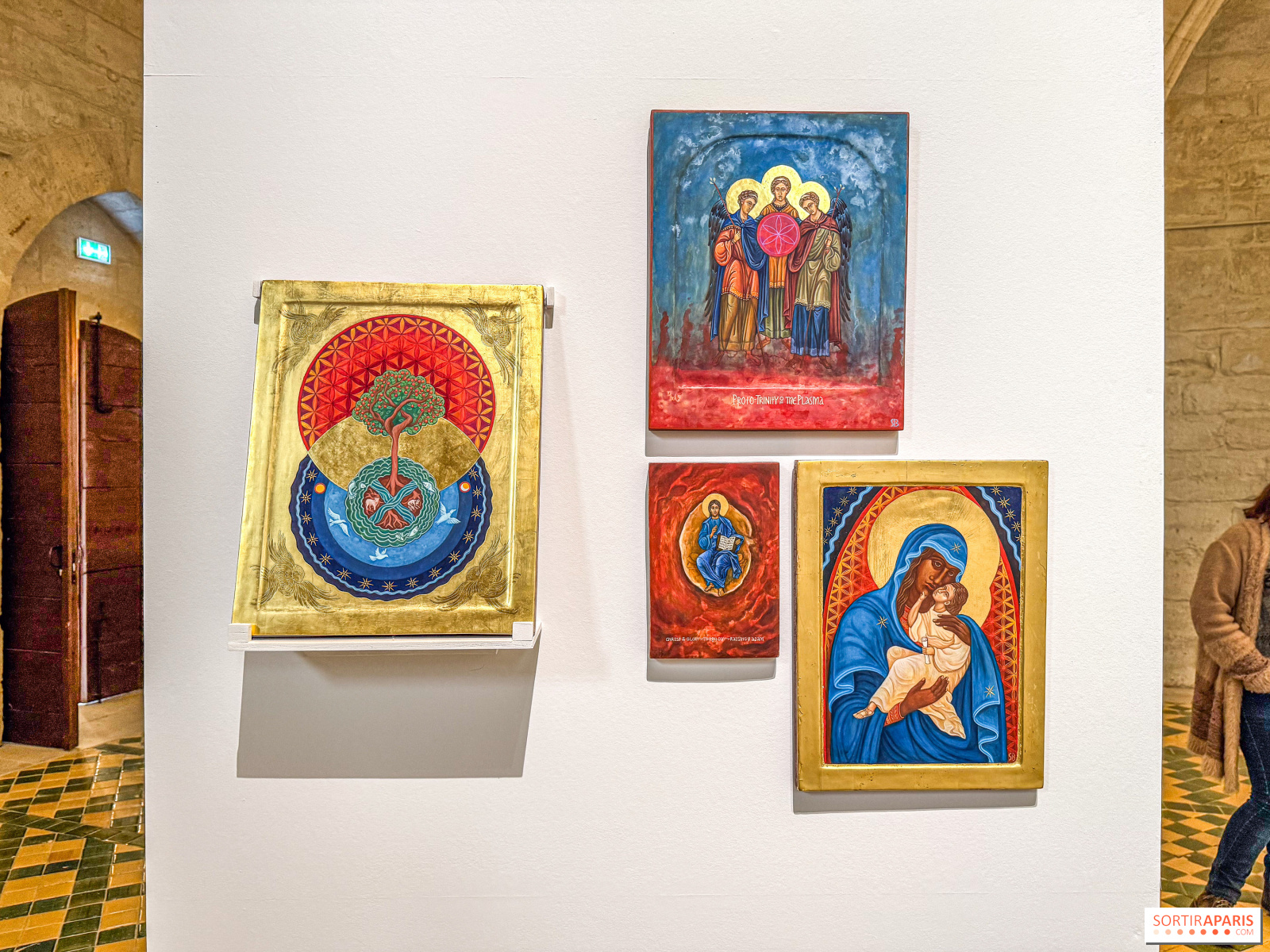
However, if you are looking for a light-hearted, fun or simply entertaining outing for the whole family with young children, this dense and symbolically charged exhibition may not be suitable. Mandorla is best experienced in a calm, slow-paced atmosphere, inviting an almost meditative relationship with time and space. In addition, some of the works are not necessarily suitable for all audiences. For informed visitors only.
And for those who might be concerned about the Abbey's somewhat "remote" location, it is very easy to reach by public transport (Line H or RER C), just a five-minute walk from the station. So there's no excuse not to go, and if the weather is nice, take the opportunity to stroll through the Abbey park for a peaceful break in nature.
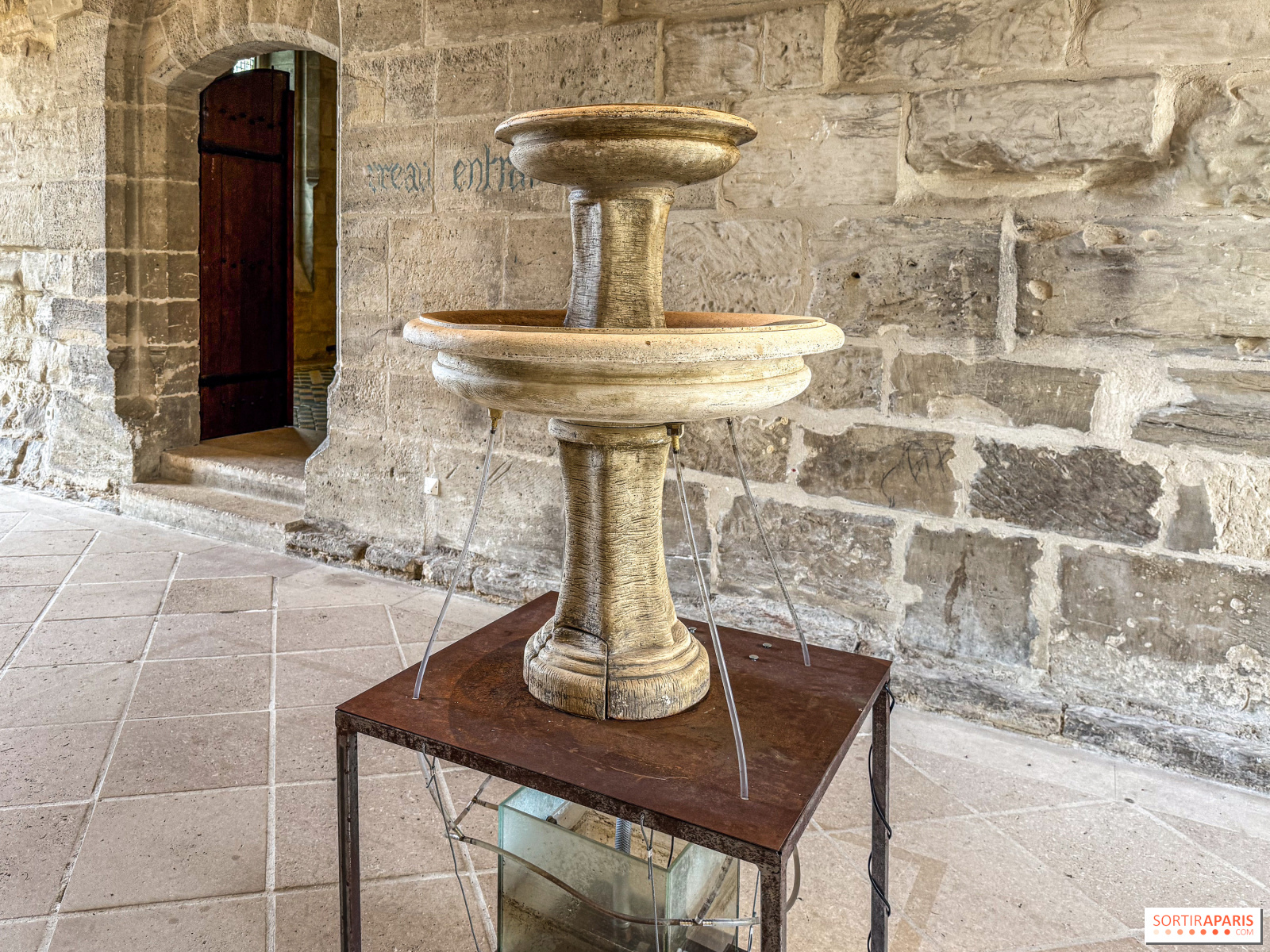
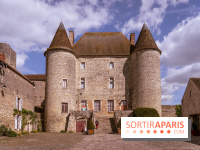
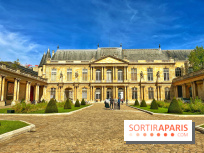
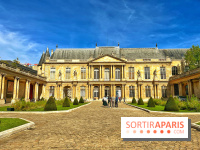
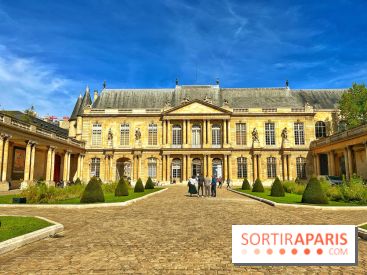
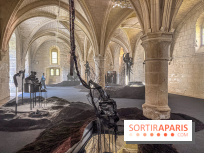
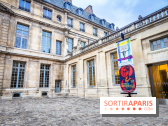
The Abbey of Maubuisson, a listed historical monument, provides a unique setting for this exhibition. The stone setting reinforces the spiritual dimension of the artistic message, while highlighting the tension between the past and the present. The natural light, the Gothic vaults, and the silence of the rooms all contribute to enhancing the sensory and emotional experience of the visit. Each work finds an echo here, each artistic gesture seems to respond to the architecture of the place.
Easily accessible from Paris, less than an hour away by public transport, the Mandorla exhibition is a rich and challenging cultural getaway, ideal for a weekend or an autumn afternoon. Let yourself be carried away by this experience that speaks to the body, memory, and the invisible, in a serene and contemplative atmosphere. You may come out transformed, or at least with new questions in mind.
This page may contain AI-assisted elements, more information here.
Dates and Opening Time
From October 5, 2025 to March 8, 2026
Location
Maubuisson Abbey
Avenue Richard de Tour
95310 Saint Ouen l'Aumone
Access
Transilien Line H or RER C at "Saint-Ouen-L'Aumône" station
Prices
€3
Official website
abbaye-de-maubuisson.fr
More information
Wednesdays from 9:30 a.m. to 11:45 a.m. and from 1 p.m. to 5:45 p.m. Thursday to Monday from 1 p.m. to 5:45 p.m. Closed on Tuesdays. Open on public holidays from 1 p.m. to 5:45 p.m. except December 25 and January 1.