Some people think it doesn’t exist. Don’t take the word of those dreary fellows who’ve lost any sense of whimsy: the unicorn is very real! Proof? You can see it everywhere—in shops, on TV series, in films, on clothes, in museums, in books... This magical horned horse has become a pop culture icon, even more famous than Bigfoot or the Dahu.
And this enduring love story between humans and unicorns is nothing new: you can even spot unicorns in medieval tapestries. But where does this legend that has crossed the centuries come from? A quick history lesson...
The unicorn is a creature that has crossed borders and has many cousins: you can find similar beings in the mythologie chinoise (the qilin), in the oral traditions of the ancient kingdom of the Kongo (the abada), or in the Chili (Camahueto).
In European culture, the unicorn is often a symbol of purity. It seems to have taken shape in works of art. The first written mention of this creature is found in an Alexandrian bestiary of the IVe century. Theologians, however, believe the legend existed long before that.
In this religious text, the unicorn is depicted as a wild and sturdy creature, resembling a goat. Only a pure virgin can capture this wild beast that comes to nestle in her bosom: the unicorn thus becomes a symbol of the couple, whose blatant 'érotisme is often "forgotten" by the Church.
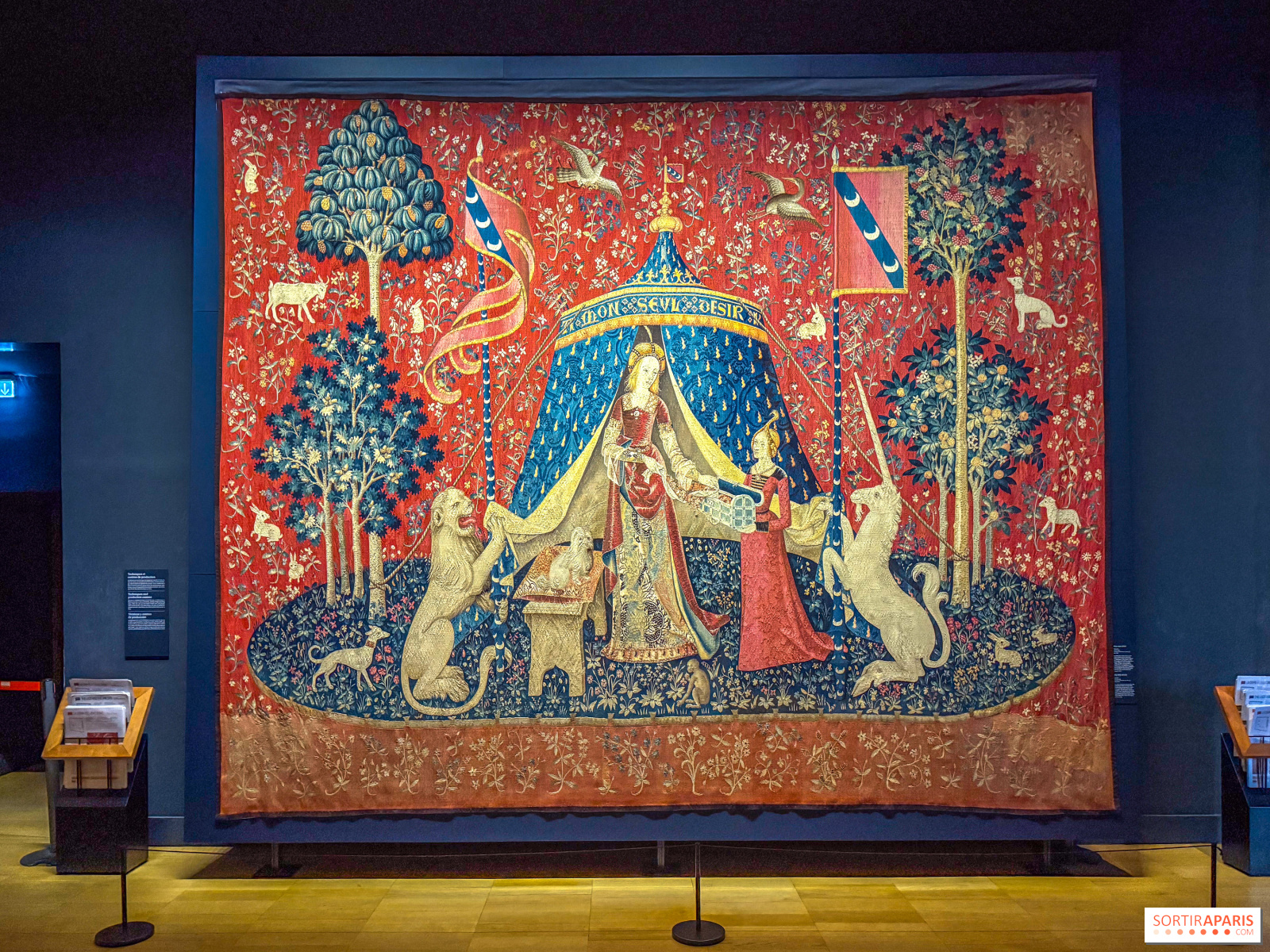
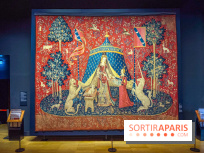
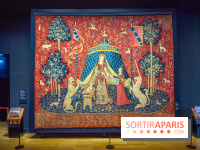
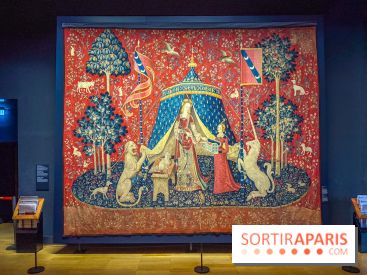
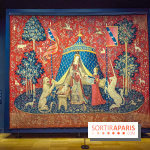
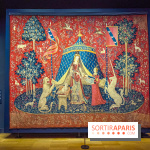
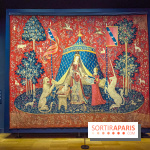
The first graphic depiction of the unicorn dates back to the 16th century: the famous tapestry series "The Lady and the Unicorn" portrays a woman alongside an imaginary creature—a white horse with a goat’s beard, cloven hooves, and a horn atop its head.
Across the centuries and in countless stories, the unicorn has been credited with a multitude of properties and magical powers. Until the eighteenth century, a thriving trade in "unicorn horn powder" raged across Europe. This powder was regarded as a potent antidote and a purifier.
A prehistoric unicorn?
It’s possible this myth sprang from the discovery of prehistoric fossils. The Elasmotherium sibiricum, also nicknamed the “Siberian Unicorn,” was a creature that roamed the Earth more than 29,000 years ago. It could have shared the era with Homo Sapiens! According to researchers, this unicorn would have resembled a large, shaggy rhinoceros of immense size.
According to a study published by Russian researchers from Tomsk State University in the revue American Journal of Applied Sciences, this animal could reach up to two meters tall and four meters long. A hefty four-ton creature, with the horn expected to measure about 1.5 meters in length! It would have been made of keratin (the material found in hair, claws, and hooves...) and it likely weighed several kilos.
Another theory suggests the unicorn was born from an approximate description of a rhinoceros. Travelers who glimpsed an exotic creature tried to describe the unknown beast as best they could. In The Devisement du monde (1298) by Marco Polo, there is a rhinoceros account that could just as well pass for a unicorn: “(…) barely smaller than an elephant, with the buffalo’s fur, the feet like those of an elephant, a very large black horn in the middle of the forehead. It does not harm humans or beasts with its horn.”
Now you know everything there is to know about unicorns! So make the most of this World Day dedicated to this magical horse to fill your lives with beauty and sweetness.
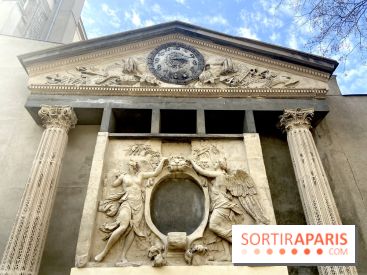
Unicorns! : The Cluny Museum in Paris showcases an exhibition delving into the myth of the legendary creature
In Paris, the Musée de Cluny – National Museum of the Middle Ages – is showcasing the exhibition Unicorn!, dedicated to the legendary creature that has captivated the medieval imagination and lore. Running from March 10 to July 12, 2026, this major exhibition brings together nearly a hundred pieces from around the world to explore the symbolism, legends, and centuries-old fascination with the unicorn—spanning medieval art, mythology, and spirituality. [Read more]









 Unicorns! : The Cluny Museum in Paris showcases an exhibition delving into the myth of the legendary creature