Before Haussmann's major urban renovation, the boulevard du Temple was a bustling hub of popular entertainment. It was home to as many as fifteen theaters lined up side by side, drawing thousands of spectators each evening eager to cheer, shiver, be moved, or be outraged by the latest performances.
During that era, the most popular entertainments were melodramas: plays known for their gripping plots filled with twists, sudden turns of fate, and heroically battered characters. And within these stories… an incredible number of crimes — of course, all fictional. Betrayals, kidnappings, revenge schemes, fake deaths, heartbreaking reunions — everything was fair game, delighting audiences hungry for drama and excitement.
It was out of jest and affection that the Parisians began calling this boulevard “the Boulevard of Crime”. Not because it was dangerous, but because the number of crimes depicted on stage each evening was mind-boggling. Legend even has it that in a single day, theater characters experienced more adventures than an entire neighborhood over several years.
This nickname became legendary, lasting through the centuries. Today, it still symbolizes the golden age of a vibrant, accessible popular theater—an era when attending a show was as commonplace as going to the movies is today.
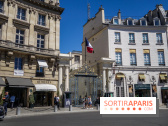
But starting in 1862, Haussmann's renovations radically transformed this landscape. Most of the theaters were demolished to make way for the future Place de la République. The only theatre to escape the wrecking ball was Théâtre Déjazet, which remains open today. As the last survivor of the Boulevard du Crime, it continues to honor that era with a daring and poetic programming.
This page may contain AI-assisted elements, more information here.