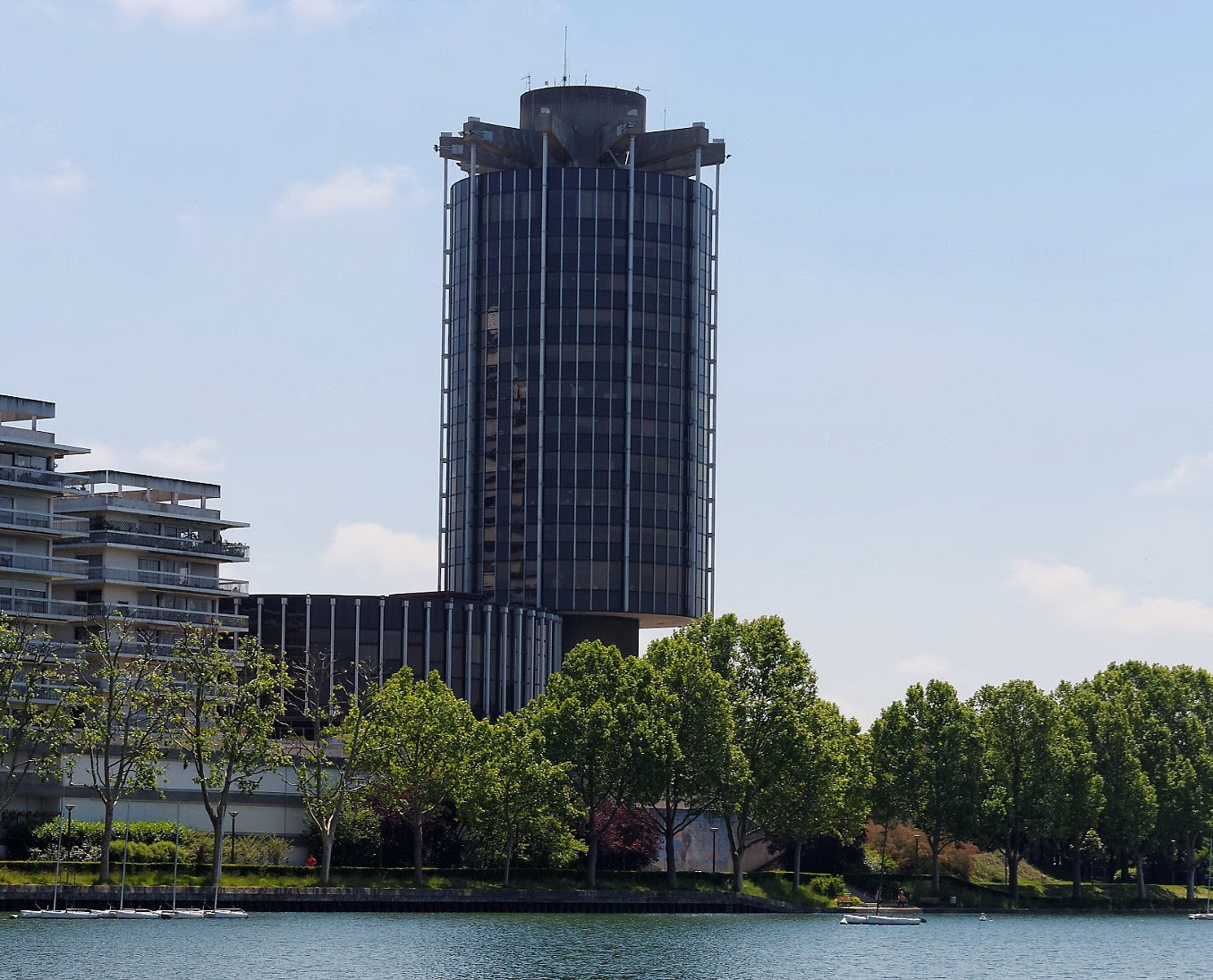
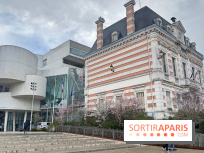
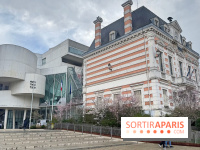
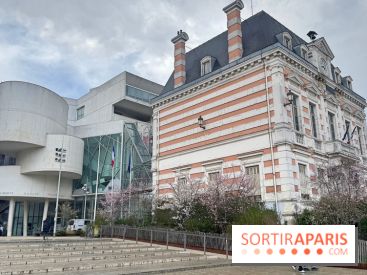
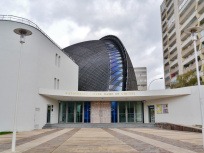
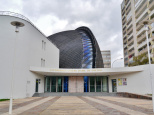
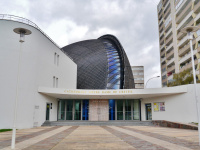
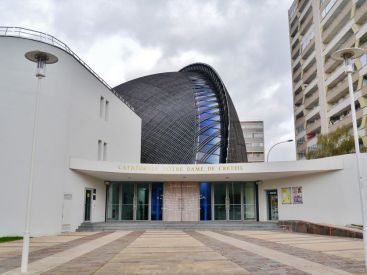
When you arrive in Créteil, it’s hard not to notice the striking glassy tower of the town hall. Its rounded shape, imposing height, and glass pedestal give it a look that’s quite different from the traditional town halls of neighboring Île-de-France communities. Unlike the classic structures with columns or stone façades, Créteil’s town hall resembles a contemporary skyscraper you'd expect to see in a business district. But what prompted this choice? The answer lies in the city’s history and the ambitions that fueled its development in the 1970s.
In the 1960s and 1970s, Créteil underwent a major transformation. To address growing population pressures and the housing crisis, the government initiated a large-scale urban development plan. The goal: to create a modern downtown area from land that was still largely undeveloped, including former sand quarries.
It was in this context that the "New Créteil" project was conceived—an ambitious plan to create a cohesive community space that would integrate housing, shops, public facilities, and a city hall serving as the symbolic heart of this emerging city.
Architect Pierre Dufau, a prominent figure in post-war urban planning, was tasked with designing the city hall. He devised a bold concept: a two-part structure featuring a horizontal, glass-paneled base for public reception and a 75-meter-high circular tower to house administrative offices.
The tower’s round shape is no accident: it optimizes the arrangement of offices around a central core, while giving the building a distinct and instantly recognizable silhouette. Additionally, its height serves as a prominent visual landmark in the Créteil landscape, which at the time lacked a central focal point.
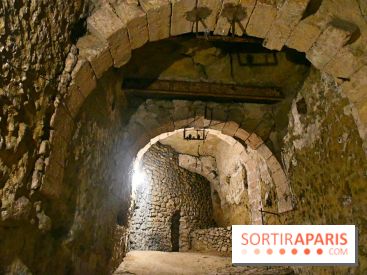
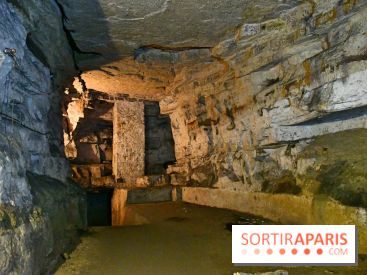
The site selected for building the city hall presented a significant challenge: it was situated above ancient, unstable quarries. To support such a large structure, the architects employed advanced foundation techniques, including deep piles and a central load-bearing core.
This technical challenge led to the creation of a unique architectural design, centered around this core, and built to stand the test of time. While it isn't a skyscraper in the strict sense, the hotel de ville tower remains to this day one of the tallest structures in Créteil.
Since opening in 1974, Créteil's town hall has become a fixture in the daily lives of its residents. Beyond its administrative functions, it stands as a symbol of a pivotal chapter in the city’s urban history, a time when everything was still to be built.
With its distinctive 1970s style—sometimes criticized, sometimes praised—the town hall leaves no one indifferent. It serves as a reminder that architectural choices also reflect societal values, and that even unconventional designs can become lasting landmarks within the Île-de-France landscape.
This page may contain AI-assisted elements, more information here.