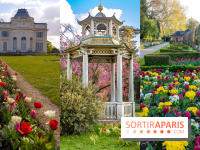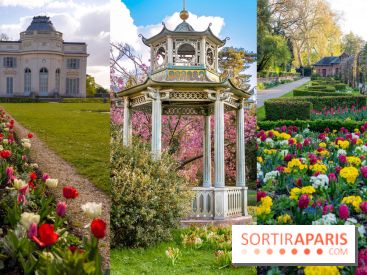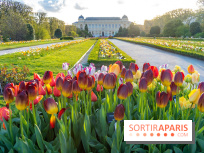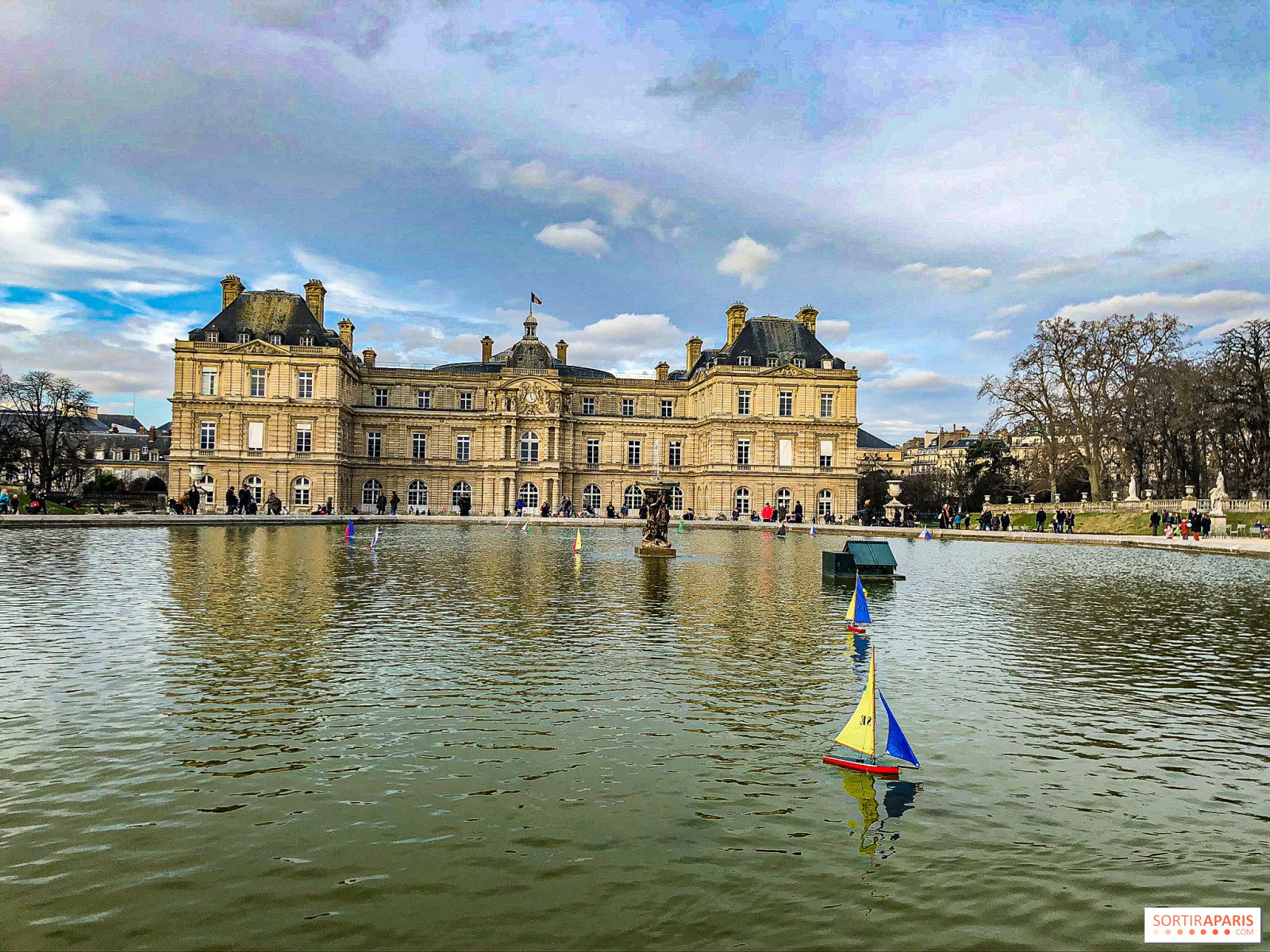
The Luxembourg Garden, nestled in the heart of the 6th arrondissement of Paris, is now one of the most popular green spaces in the city. Created in the early 17th century by Marie de Médicis around the Pavilion of Luxembourg, it beckons visitors with its grand alleys, colorful flowerbeds, and a large octagonal basin set centrally among its lawns.
While primarily known as a place for strolling and relaxation, this garden has also played a very different role at certain times of the year. During the cold enough winters of the 19th century, the large central basin would freeze over. When the ice became thick and strong, it attracted eager Parisians ready to enjoy natural sliding on the transformed waters—turning the space into a winter playground and a popular ice rink.
In a city still lacking many dedicated ice rinks, nature often stepped in to fill the gap. When temperatures remained consistently low for several weeks, the surface of the basin — now famous for the miniature sailboats that children enjoy floating — would turn into a perfect ice mirror. Children, families, and winter enthusiasts would flock to it, lured by the simple pleasure of skating outdoors in the heart of a central garden.
This activity was more than just a sport: it was an invitation to enjoy winter with lightness and creativity. Whereas in the warmer months, people strolled or admired statues and flowers, now they took to the ice, sometimes armed with nothing more than polished leather shoes or borrowed skates.
During a time when Parisian winters were often harsh, these spontaneous moments of ice skating became an essential part of the city's seasonal joys. They took place in a garden frequented by artists, writers, students, and families, all of whom saw these fleeting ice rinks as a chance to reconnect with nature — even in the heart of Paris.
With urbanization and the advent of artificial ice rinks, the tradition of skating directly on frozen waterways has gradually faded in Paris. Winters are now milder and no longer guarantee natural ice formation, and for obvious safety reasons, using the Luxembourg Basin as a skating rink has been forbidden. Today, Parisians eager to skate are drawn to numerous pop-up rinks set up each winter across various neighborhoods — safe, well-equipped spaces suitable for skaters of all levels.
This page may contain AI-assisted elements, more information here.