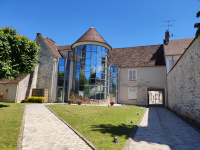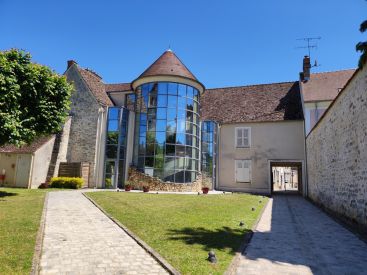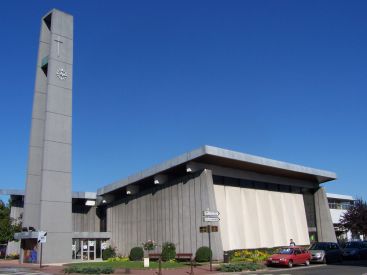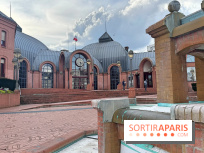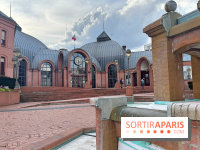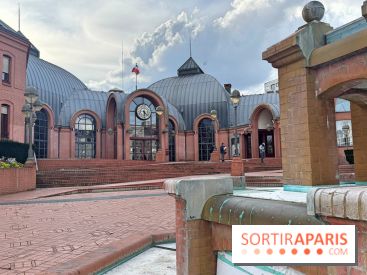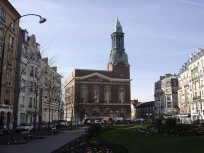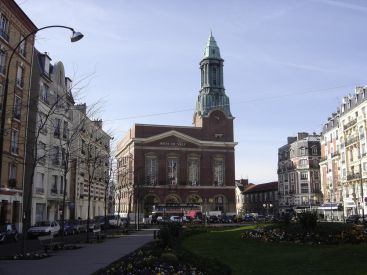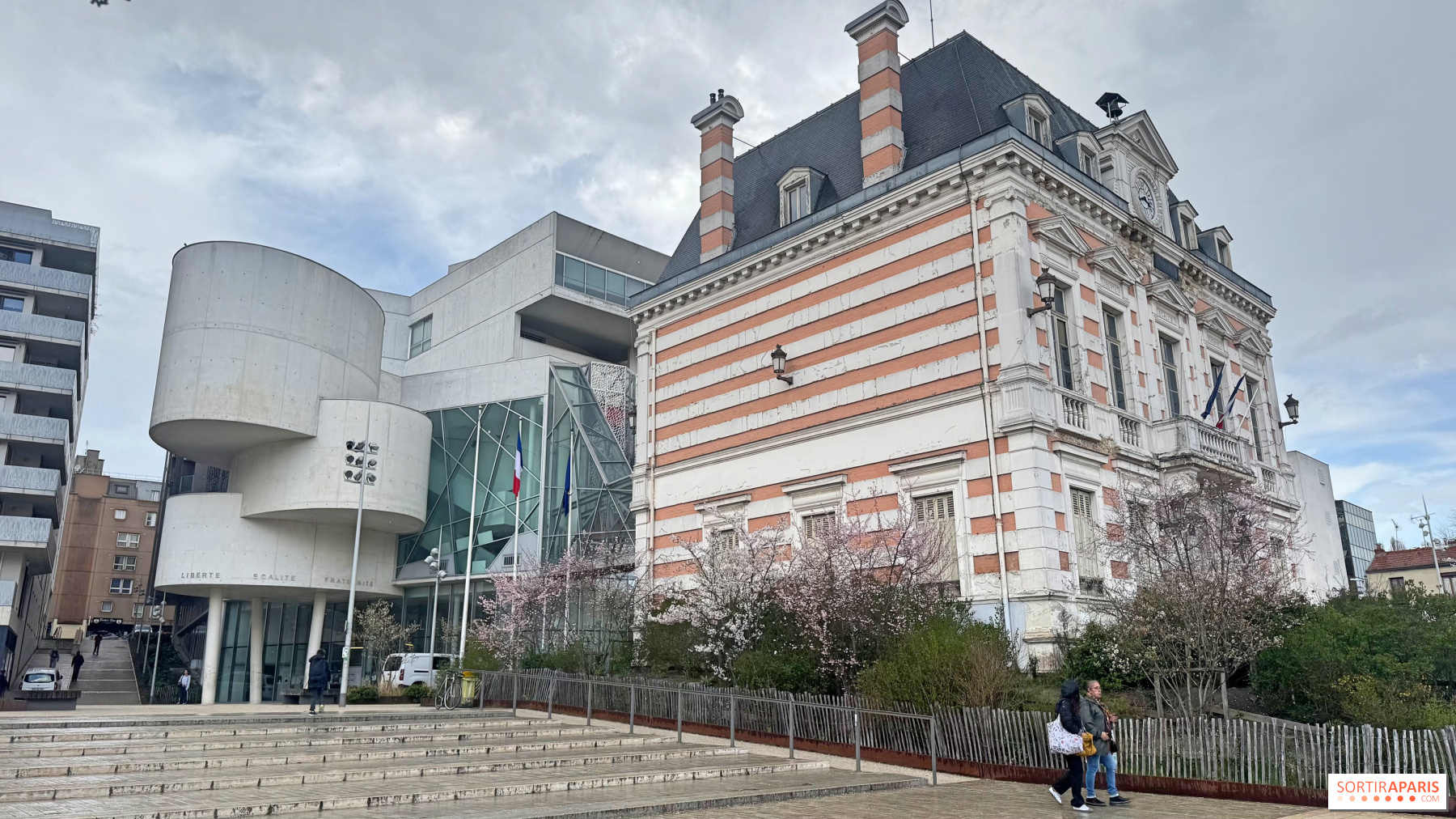
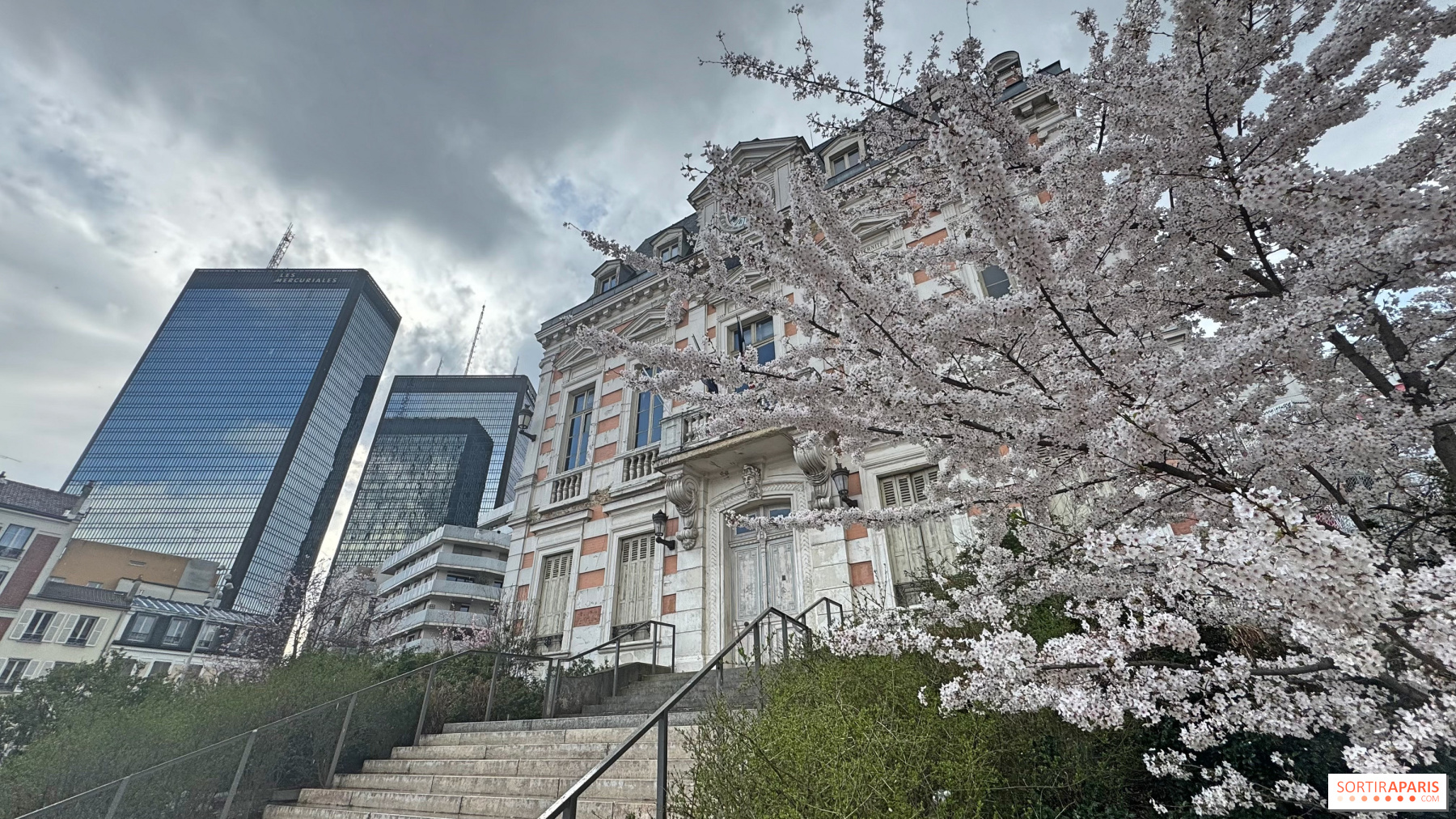
The Bagnolet City Hall is impossible to ignore. It’s one of the few municipal buildings in the Paris region to showcase brutalist architecture. Here, you find a structure characterized by curves, rounded volumes, and exposed concrete that immediately catches the eye—creating a striking contrast with the nearby historic town hall, which is connected by a pedestrian bridge.
When this new city hall was built, Bagnolet was no longer a quiet village. The population was growing, along with administrative needs. The old town hall had become too small for a city now integrated into the greater Paris area. The new building provides more spacious areas, a more efficient layout, and a capacity suited to this evolving reality.
Despite its strikingly modern appearance, the brutalist Town Hall of Bagnolet is rooted in the town’s local history. It represents a natural evolution from the modest old town hall, a legacy of a small, close-knit Bagnolet. Both buildings tell the same story, just at different points in time. One reflects the governance of a small municipality, while the other embodies a city that has grown dense and urbanized.
Like many brutalist structures, the Bagnolet Town Hall has often faced criticism. Its concrete façade and bold shapes have sometimes been seen as cold or austere. However, over time, public perception has shifted. Today, this building is increasingly recognized as a rare example of public architecture from the 1960s and 1970s, making it all the more valuable considering it’s a city hall—a type of building usually characterized by tradition and classicism.
This page may contain AI-assisted elements, more information here.
Location
Bagnolet Town Hall
Place Salvador Allende
93170 Bagnolet
Official website
www.ville-bagnolet.fr