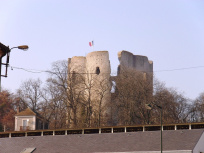
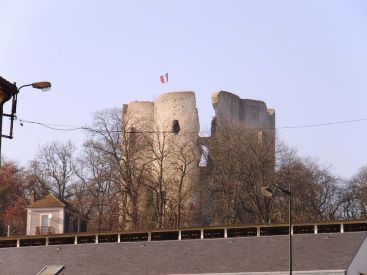
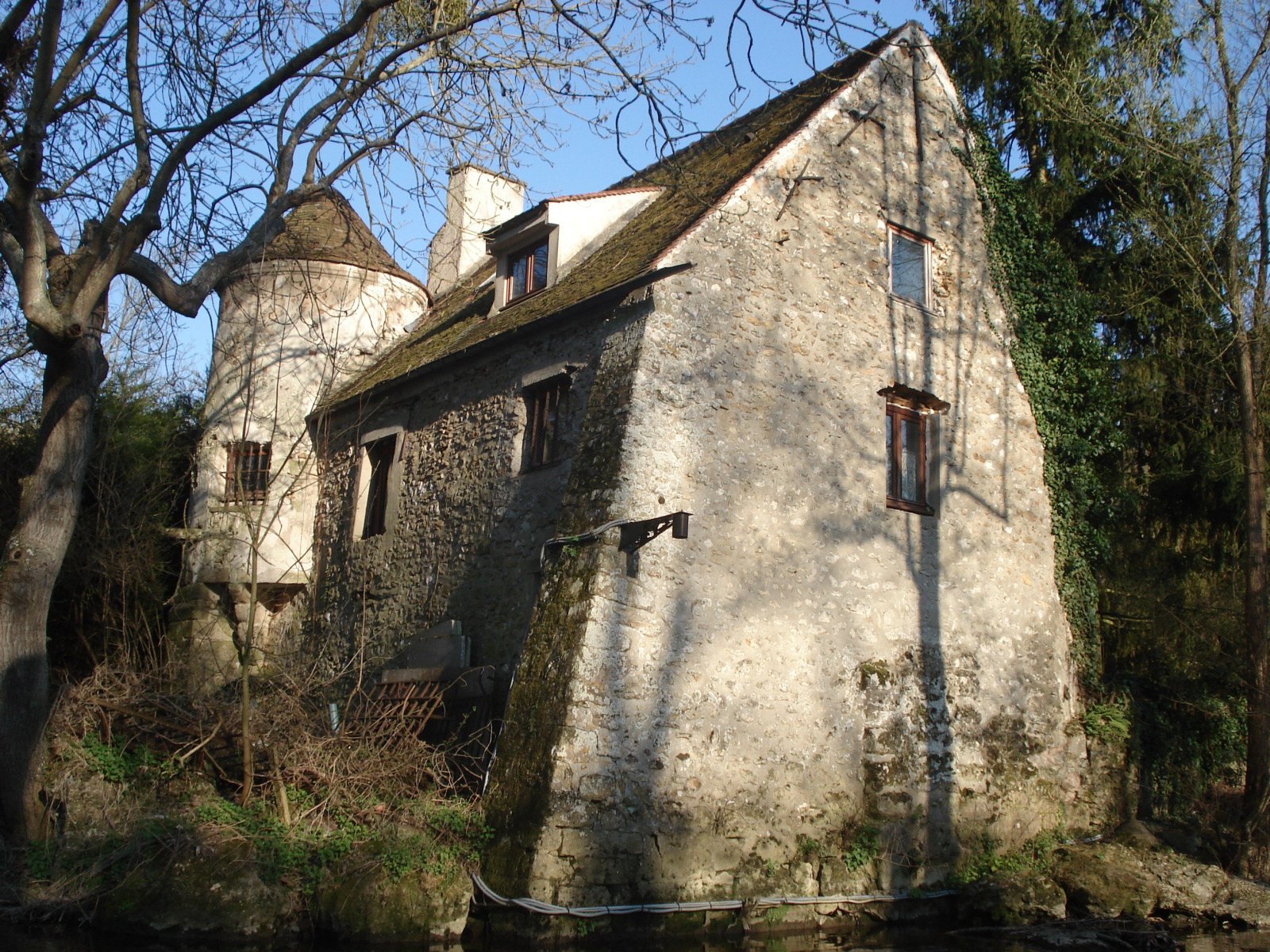
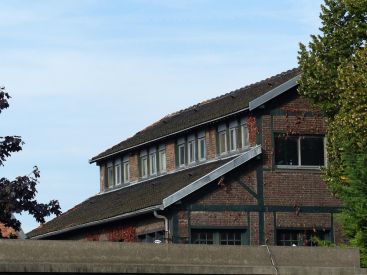
In Boussy-Saint-Antoine, in Essonne, lie the remnants of a mill over 800 years old. At first glance, it may not be immediately noticeable, but the former Rochopt Mill is an integral part of the region's history. Nestled in a valley carved by the Yerres river, water was harnessed here as an energy source from an early period. This mill stands as one of the oldest witnesses to that legacy.
The Rochopt Mill was built in the early 13th century, around 1224. At that time, watermills were vital to rural life. They played a crucial role in grinding grain, a fundamental step in feeding the local population. Situated along the Yerres River, the mill harnessed the power of the flowing water to operate its mechanisms. Owning a mill was therefore a significant economic asset. It was a strategic facility, often linked to feudal authority and territorial rights.
Though the mill has been out of operation for years, its remains still stand today. One can still see parts of the masonry, foundations, and structures related to water flow. These remnants offer a glimpse into the ingenuity of medieval builders and highlight the site's historical significance.
Like many windmills in Île-de-France, the Rochopt Mill has undergone a series of adaptations over the years. Some of the structural features visible today reveal that the site was modified to accommodate changes in the river's flow and natural constraints. These alterations likely contributed to the mill's ability to operate for several centuries. Local legends even suggest that the site was occasionally used as a refuge or a discreet passage point.
The Rochopt mill ceased operating as a watermill around 1847, after more than six centuries of activity. Subsequently, the site was repurposed several times before the building was finally demolished in 1970, during a period of regional development. Today, a dam on the Yerres stands in its place, along with visible remnants on the ground: foundations, masonry, and traces of hydraulic structures. Though these remains are accessible to walkers, they offer a glimpse into the site's historical significance and its central role in local life for centuries.
The Rochopt Mill serves as a reminder of the pivotal role that mills have played in the history of Essonne. Long before the advent of industrialization, these structures were at the heart of local production and social organization. Their presence shapes the landscape and reflects an ancient mastery of water power. Today, the remains of the Rochopt Mill invite us to view the scenery of Boussy-Saint-Antoine from a new perspective. They demonstrate that history often lies hidden in modest, almost unnoticed places, yet remains deeply rooted in the local landscape.
This page may contain AI-assisted elements, more information here.
Location
Old Rochopt Mill
moulin de rochopt
91800 Boussy Saint Antoine
Route planner