Heritage curiosity secret guide

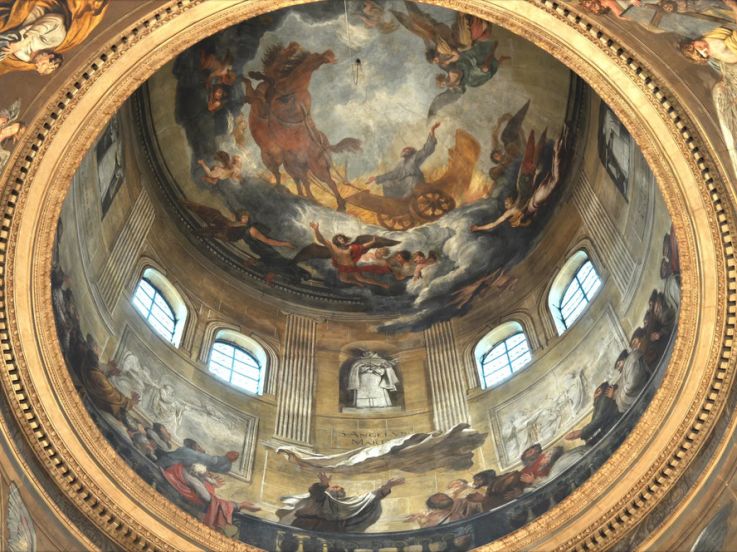
Collège de FranceCollège de FranceCollège de FranceCollège de France

And what if the vineyards of Montmartre weren’t actually the oldest in Paris after all?

Far from Montmartre, the capital’s true viticultural elder leads a quiet, protected life in the 5th arrondissement. This solitary vine, planted in 1874, holds Paris’s longevity record, tucked away in a courtyard at the Collège de France. Discover its astonishing story!
La HublotièreLa HublotièreLa HublotièreLa Hublotière

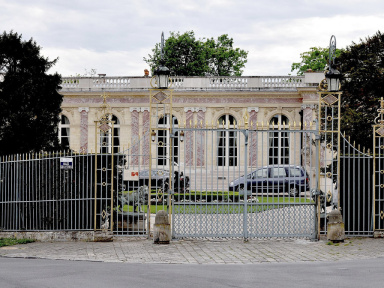
Visit La Hublotière, Hector Guimard's Art Nouveau villa, this summer 2026 in the Yvelines.

Do you know Hublotière? This Art Nouveau villa, designed by Hector Guimard, hides in the heart of Le Vésinet in the Yvelines. Although it is inhabited year-round, it opens its doors to the public each summer, for just a few euros.
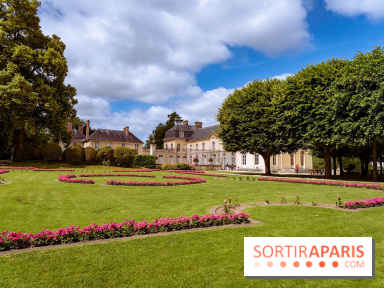
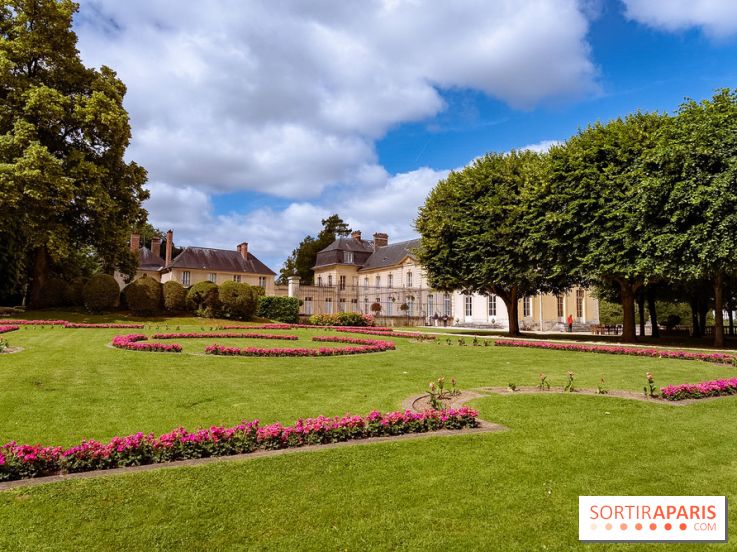
Le Château de Maintenon - les photosLe Château de Maintenon - les photosLe Château de Maintenon - les photosLe Château de Maintenon - les photos

The château of Louis XIV’s secret wife, and where Vauban left his only unfinished aqueduct.

Less than an hour from Paris, the Château de Maintenon in Eure-et-Loir reveals the astonishing rise of Madame de Maintenon and the remnants of Vauban’s only civil project. We set off to explore this sublime château and its gardens, and we’ll tell you everything about this heritage treasure.
Découvrez la maison natale de Louis Braille à l'occasion de la Nuit des Musées 2026Découvrez la maison natale de Louis Braille à l'occasion de la Nuit des Musées 2026Découvrez la maison natale de Louis Braille à l'occasion de la Nuit des Musées 2026Découvrez la maison natale de Louis Braille à l'occasion de la Nuit des Musées 2026

The inventor of Braille hails from Seine-et-Marne: his former home has been turned into a museum.

In Seine-et-Marne, the museum brings to life the birthplace of the inventor of braille. We tell you more about this little-known cultural venue and the story of Louis Braille, the man who created the language that now bears his name.
Domaine National de Port-Royal des Champs dans les YvelinesDomaine National de Port-Royal des Champs dans les YvelinesDomaine National de Port-Royal des Champs dans les YvelinesDomaine National de Port-Royal des Champs dans les Yvelines

Saint-Quentin-en-Yvelines: the surprising origin of its name

The name of Saint-Quentin-en-Yvelines, this vast agglomeration in the Yvelines about 20 km southwest of Paris, derives from a small medieval chapel dedicated to a 3rd‑century Roman martyr. A story that few Île-de-France residents know. Here's the story.
cette église en face de Notre-Damecette église en face de Notre-Damecette église en face de Notre-Damecette église en face de Notre-Dame

This church facing Notre-Dame, one of the oldest in Paris, houses a Byzantine treasure.

In the shade of René-Viviani Square, the church of Saint-Julien-le-Pauvre defies time with quietly captivating discretion. While its façade may look modest, it houses one of Paris's most singular liturgical treasures: a monumental iconostasis. A sacred pause just steps from the bustle of the Seine riverside scene.
Ce bâtiment de région parisienne est le dernier vestige du premier aérodrome du MondeCe bâtiment de région parisienne est le dernier vestige du premier aérodrome du MondeCe bâtiment de région parisienne est le dernier vestige du premier aérodrome du MondeCe bâtiment de région parisienne est le dernier vestige du premier aérodrome du Monde

This building in the Paris region is the last surviving remnant of the world's first airfield.

In Viry-Châtillon, in the Essonne department, the Port-Aviation Officers' Mess hides an astonishing tale: the story of the world's first organized airfield, inaugurated in 1909, where aviation pioneers let their quirky flying machines roar.
Caché dans un village d'artiste, cet ancien moulin à eau abrite un muséeCaché dans un village d'artiste, cet ancien moulin à eau abrite un muséeCaché dans un village d'artiste, cet ancien moulin à eau abrite un muséeCaché dans un village d'artiste, cet ancien moulin à eau abrite un musée

Hidden in an artists' village, this former water mill now houses a museum.

Nestled in a village of artists in the Yvelines, this former water mill has found a new life and been converted into a museum. A discreet, picturesque place steeped in history, it reveals an unexpected facet of Île-de-France heritage.
sanctuaire gallo romain septeuilsanctuaire gallo romain septeuilsanctuaire gallo romain septeuilsanctuaire gallo romain septeuil

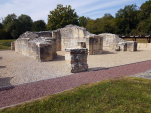
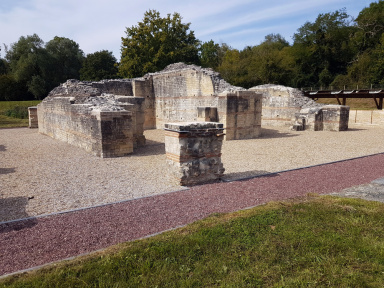
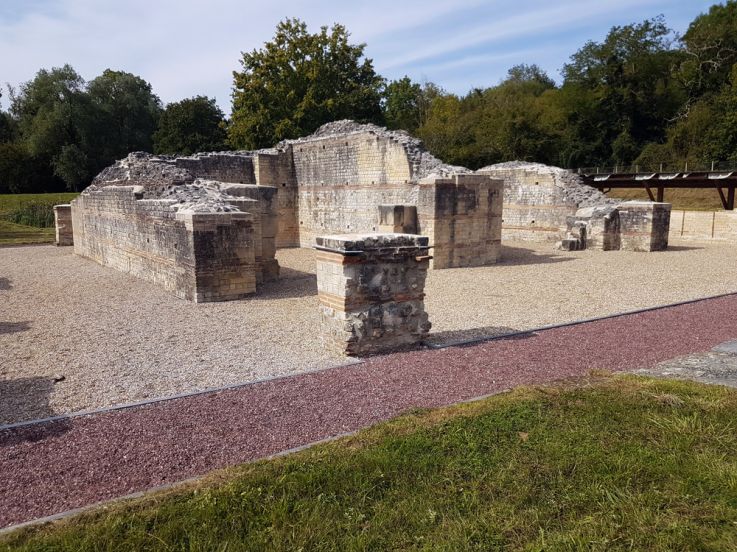
These remains of a Gallo-Roman sanctuary concealed a nymphaeum in the Yvelines.

At the heart of the Vaucouleurs valley, the village of Septeuil conceals a rare relic from Roman Gaul: a monumental nymphaeum. Erected to honor a sacred spring, this ancient sanctuary offers an exceptional testimony to water-related devotional rites in Île-de-France.
Au cœur de ce parc du Val d'Oise se trouve un temple de l'amour !Au cœur de ce parc du Val d'Oise se trouve un temple de l'amour !Au cœur de ce parc du Val d'Oise se trouve un temple de l'amour !Au cœur de ce parc du Val d'Oise se trouve un temple de l'amour !

Right in the heart of this Val-d'Oise park stands a temple of love.

In this municipal park in Val d'Oise, an astonishing Temple of Love rises among the trees and the pond. A romantic setting to discover in the heart of a beautiful green haven.
La Chapelle basse Saint-Saturnin au Château de Fontainebleau, joyau secret du 77La Chapelle basse Saint-Saturnin au Château de Fontainebleau, joyau secret du 77La Chapelle basse Saint-Saturnin au Château de Fontainebleau, joyau secret du 77La Chapelle basse Saint-Saturnin au Château de Fontainebleau, joyau secret du 77

This secret royal chapel is a true hidden gem tucked away in a château in Seine-et-Marne.

At the Château de Fontainebleau, in Seine-et-Marne, a royal chapel remains hidden from most visitors. The Lower Chapel of Saint-Saturnin, built under Francis I, only reveals itself on rare occasions — we tell you everything.
Encore plus d'Auvers-sur-OiseEncore plus d'Auvers-sur-OiseEncore plus d'Auvers-sur-OiseEncore plus d'Auvers-sur-Oise

Did you know there used to be a museum dedicated to absinthe, the drink that fascinated artists, in Val-d'Oise?

Dedicated to the famous "Green Fairy," this quirky venue in the Val-d’Oise invites you to step back into the world of cafés, artists, and the myths of the 19th century. Today bearing the Regional Heritage label, it captivates as much with the originality of its subject as with the cultural and historical perspective it offers on a beverage that has become legendary. And it’s open to visitors!
Au cœur des Yvelines, cette villa historique abrite une ancienne apothicairerie royale et elle se visite !Au cœur des Yvelines, cette villa historique abrite une ancienne apothicairerie royale et elle se visite !Au cœur des Yvelines, cette villa historique abrite une ancienne apothicairerie royale et elle se visite !Au cœur des Yvelines, cette villa historique abrite une ancienne apothicairerie royale et elle se visite !

In the heart of the Yvelines, this historic villa houses a former royal apothecary’s laboratory and is open to visitors!

In the heart of Saint-Germain-en-Laye hides a heritage treasure: tucked away in a historic villa lies a royal apothecary’s shop that can be explored on guided and occasional tours.
Villa Mauresque HerblayVilla Mauresque HerblayVilla Mauresque HerblayVilla Mauresque Herblay

This house, with its Oriental-palace vibe, labeled Regional Heritage of Interest, stands out along the Seine.

With its oriental-palace aura along the water, this singular residence stands out in the Île-de-France landscape. Part architectural whimsy, part décor drawn from distant shores, and rooted in local history, the site—now labeled Regional Heritage of Interest—draws as much for its striking silhouette as for the precious heritage it preserves.
Cathédrale Saint-Maclou Pontoise Val d'OiseCathédrale Saint-Maclou Pontoise Val d'OiseCathédrale Saint-Maclou Pontoise Val d'OiseCathédrale Saint-Maclou Pontoise Val d'Oise

This boathouse in Île-de-France, designated as Regional Heritage of Interest, hides a rare treasure from the shores of the Oise.

Set on stilts at the water’s edge, this striking wooden chalet evokes the era of river leisure and canoeing. Restored and today designated as Regional Heritage, it remains one of the few surviving witnesses to this chapter of life along the Oise.
Ce parc parisien dans le 6e arrondissement cache deux bancs en forme de livreCe parc parisien dans le 6e arrondissement cache deux bancs en forme de livreCe parc parisien dans le 6e arrondissement cache deux bancs en forme de livreCe parc parisien dans le 6e arrondissement cache deux bancs en forme de livre

A Parisian square in the 6th arrondissement hides benches shaped like books under the shade of cherry trees.

Under the shade of the Institut de France’s dome, a small garden offers a sculpted homage to the literary soul of the 6th arrondissement, through striking limestone benches where you can read in the shadow of the cherry trees. A little secret that only reveals itself to passersby who aren’t in too much of a hurry.
Eglise Saint-Sulpice SagyEglise Saint-Sulpice SagyEglise Saint-Sulpice SagyEglise Saint-Sulpice Sagy

This discreet church in the Vexin, designated Regional Heritage of Interest, conceals a little-known facet of Île-de-France’s heritage.

Rebuilt in the 18th century in a rural setting in the Vexin, this place of worship captivates with its sobriety and its turbulent history. Today labeled Regional Heritage of Interest, it embodies a discreet Île-de-France heritage, far from insignificant.
Cette maison méconnue labellisée Patrimoine d’intérêt régional abrite aussi un jardin remarquableCette maison méconnue labellisée Patrimoine d’intérêt régional abrite aussi un jardin remarquableCette maison méconnue labellisée Patrimoine d’intérêt régional abrite aussi un jardin remarquableCette maison méconnue labellisée Patrimoine d’intérêt régional abrite aussi un jardin remarquable

This little-known house in Île-de-France, labeled as regional heritage, also features a remarkable garden.

This Île-de-France house, awarded the Regional Heritage of Interest label, hides an astonishing rural past and, through its preserved architecture, narrates a part of the history of the French Vexin.
Encore plus d'Auvers-sur-OiseEncore plus d'Auvers-sur-OiseEncore plus d'Auvers-sur-OiseEncore plus d'Auvers-sur-Oise

This elegant historic building with its pink-hued façade in Île-de-France has been designated as a Regional Heritage asset.

On the edge of the Vexin, in Île-de-France, this artist’s house with its rosy façade catches locals by its character, and above all by the summer cultural events held during artist residencies. Discover this charming building where Charles-François Daubigny lived, as well as the painter Wallerand, now bearing the Regional Heritage label.
Sous cette église millénaire aux portes de Paris, se cache une crypte rarement ouverte au publicSous cette église millénaire aux portes de Paris, se cache une crypte rarement ouverte au publicSous cette église millénaire aux portes de Paris, se cache une crypte rarement ouverte au publicSous cette église millénaire aux portes de Paris, se cache une crypte rarement ouverte au public

Beneath this thousand-year-old church on the outskirts of Paris lies a crypt that visitors can tour!

At the gates of Paris, an ancient church hides a remarkable archaeological crypt beneath its stones, home to Merovingian sarcophagi. Good news: every so often it’s open to visitors. Here’s more about this offbeat outing in Seine-Saint-Denis.