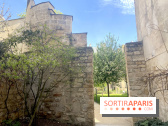
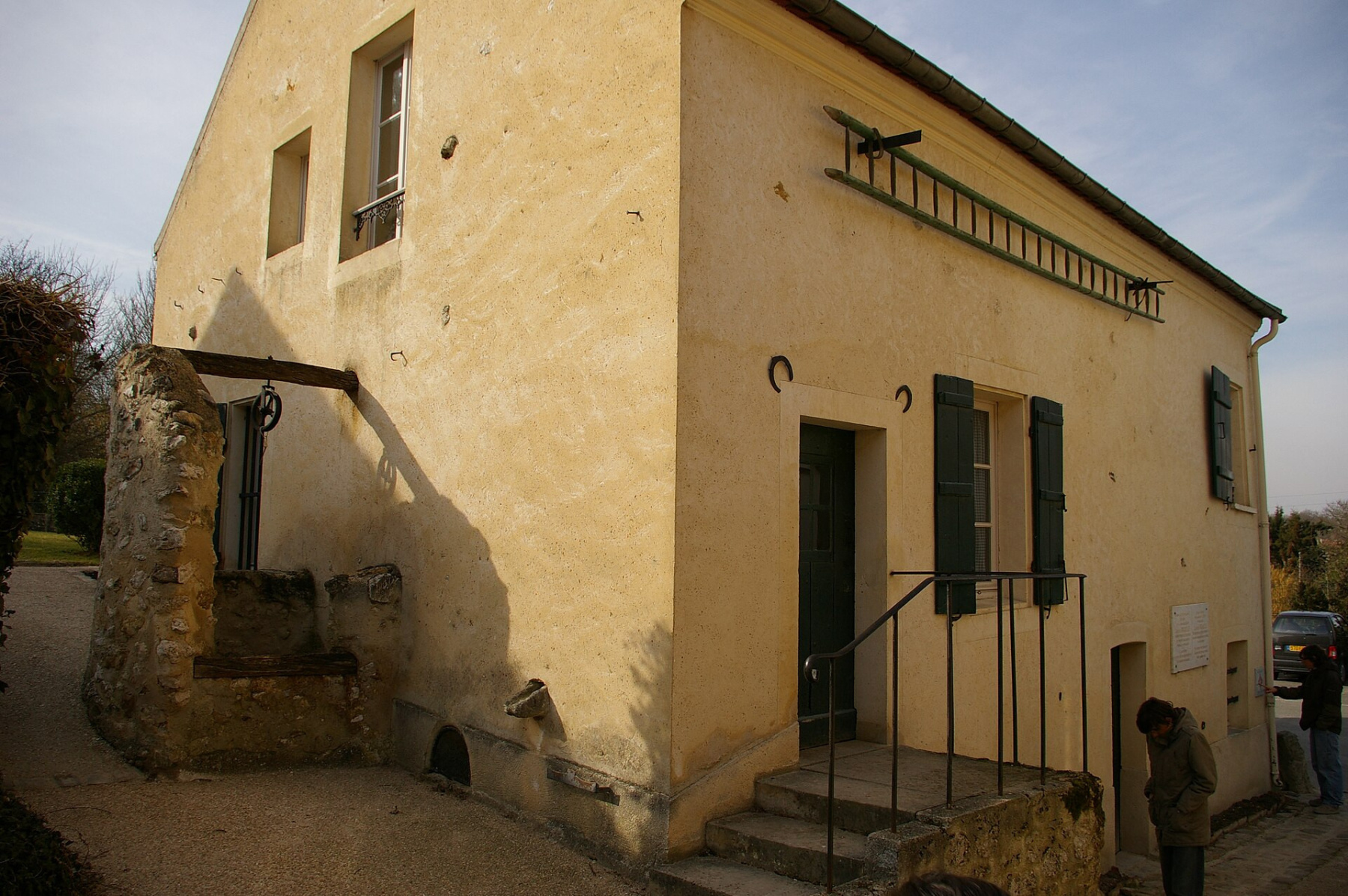
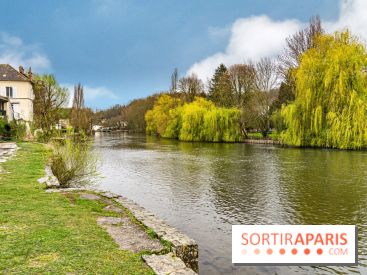
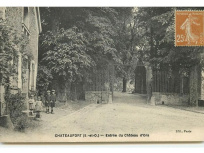
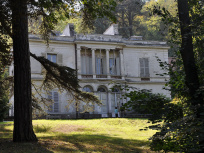
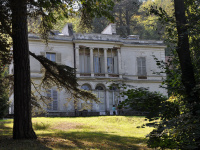
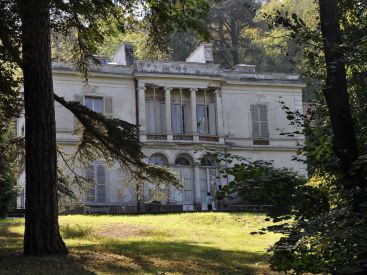
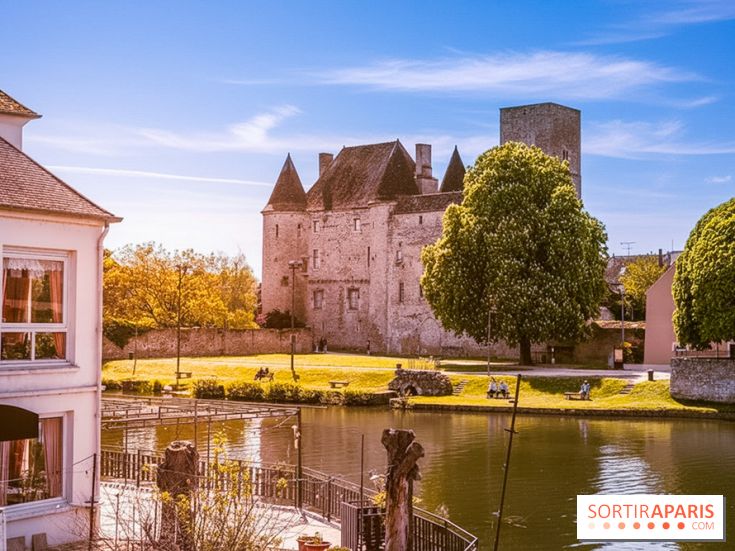
It is in this village of Seine-et-Marne, about forty kilometers from Paris, that Louis Braille was born on January 4, 1809, the future inventor of Braille, the tactile writing system of raised dots that would transform access to reading for people who are blind or visually impaired. His birthplace, now the Louis Braille Museum, remains open at 13 rue Louis-Braille, in a Briard-style building that stays deeply linked to its history.
Louis is the youngest son in a Coupvray family. His father, Simon-René Braille, is a harness maker: he works leather, crafting harnesses, straps, and components for horses. In his father’s workshop, little Louis watches closely, touches things, and experiments with them. At the age of three, he sustains a serious injury to an eye with a tool; the infection worsens and he ends up losing his sight. The tragedy is immense, but the story doesn’t end there.
At ten years old, Louis Braille leaves Coupvray to join the Institution royale des jeunes aveugles à Paris. There, he discovers tactile reading methods, but also their limits: reading can become slow, laborious, almost discouraging. So he improves a system of raised dots inspired by the work of Charles Barbier de la Serre. Between 1825 and 1829, he develops an alphabet built on six points, simple, ingenious, and practical: braille is born. Thanks to him, letters, numbers, and music can be encoded through combinations of dots.
The birthplace of Louis Braille was turned into a museum in 1956. Listed as a historic monument, it also received the Maisons des Illustres label in 2011, awarded by the Ministry of Culture to sites that preserve and transmit the memory of notable figures.
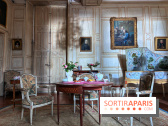
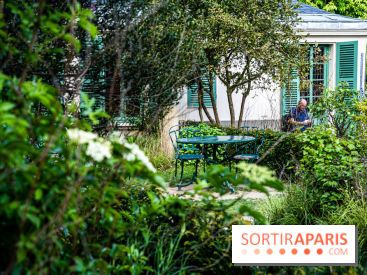
The visit reveals a compact, human-scale home. On the ground floor, the communal room sinks you into the daily life of a 19th‑century Briarde family. Nearby, the father’s workshop recalls the world of leather, tools, and handcraft. Upstairs, the space devoted to invention features writings, tools, tablets, and the story of this tactile writing that became a universal language. The museum also highlights the Louis Braille House Garden and the workshop with tools tied to its history.
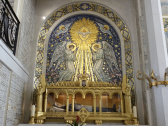
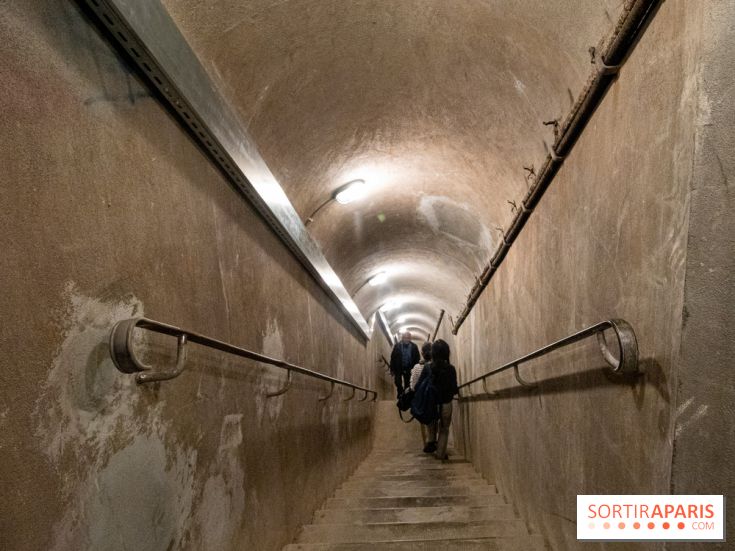
After his death in 1852, Louis Braille was initially buried in Coupvray. In 1952, his body was moved to the Panthéon, in a national tribute to the man whom the Republic regards as a benefactor of humanity. But one detail still ties the inventor to his village: his hands are said to be preserved in Coupvray, in a sealed urn placed on the family grave.
This page may contain AI-assisted elements, more information here.
Dates and Opening Time
Next days
Sunday:
from 10:00 a.m. to 06:00 p.m.
Wednesday:
from 10:00 a.m. to 06:00 p.m.
Thursday:
from 10:00 a.m. to 06:00 p.m.
Friday:
from 10:00 a.m. to 06:00 p.m.
Saturday:
from 10:00 a.m. to 06:00 p.m.
Location
Louis Braille Museum
13 Rue Louis Braille
77700 Coupvray
Route planner
Prices
pour les enfants de moins de 6 ans, les accompagnateurs de personne en situation de handicap.: Free
Tarif réduit : pour les jeunes de moins de 18 ans, les personnes en situation de handicap, les détenteurs du pass éducation: €5
Tarif plein: €7
Official website
museelouisbraille.com