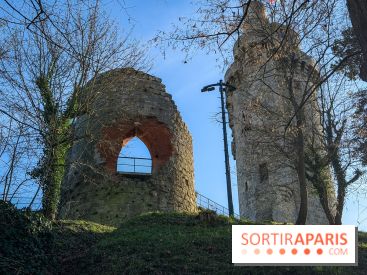
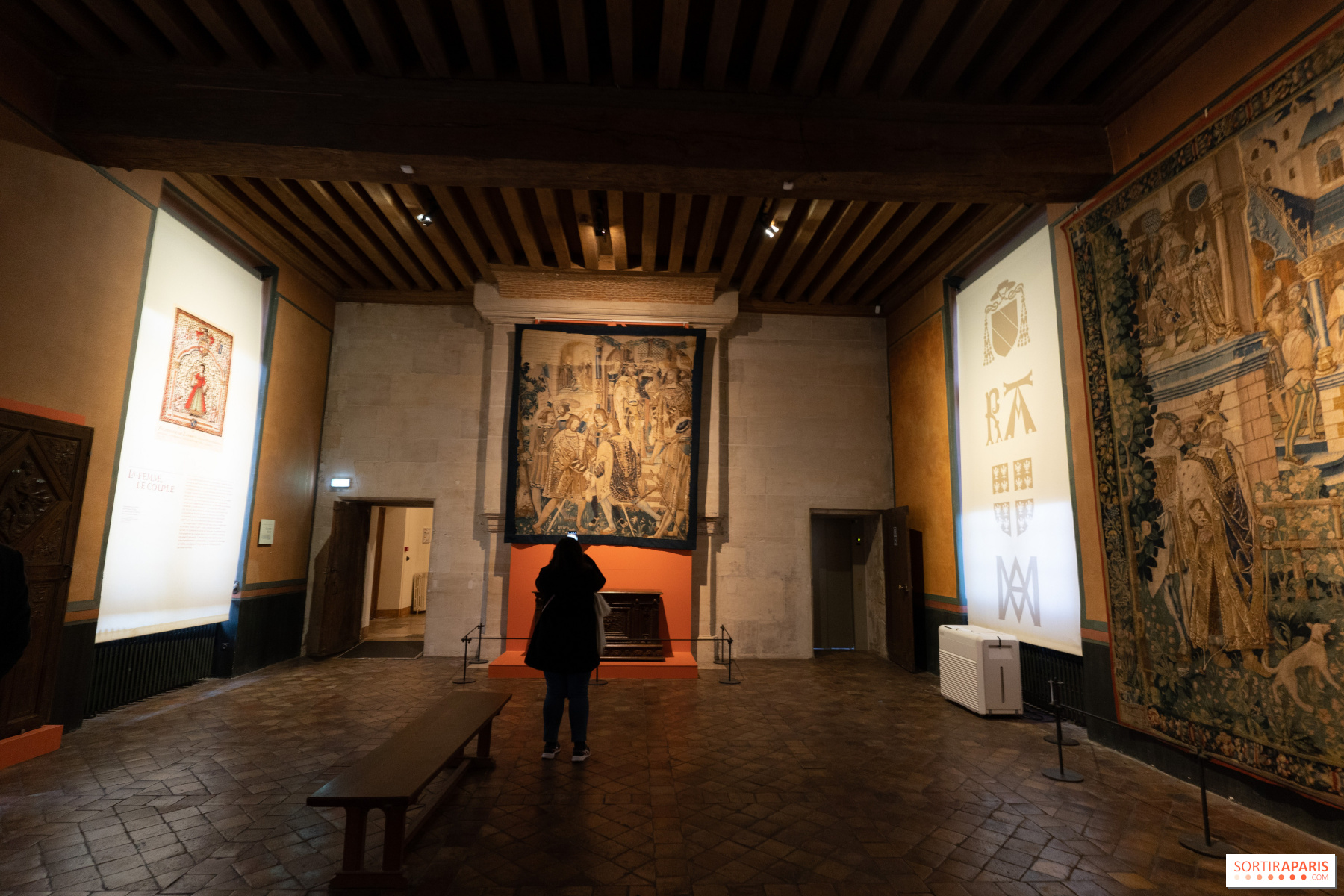
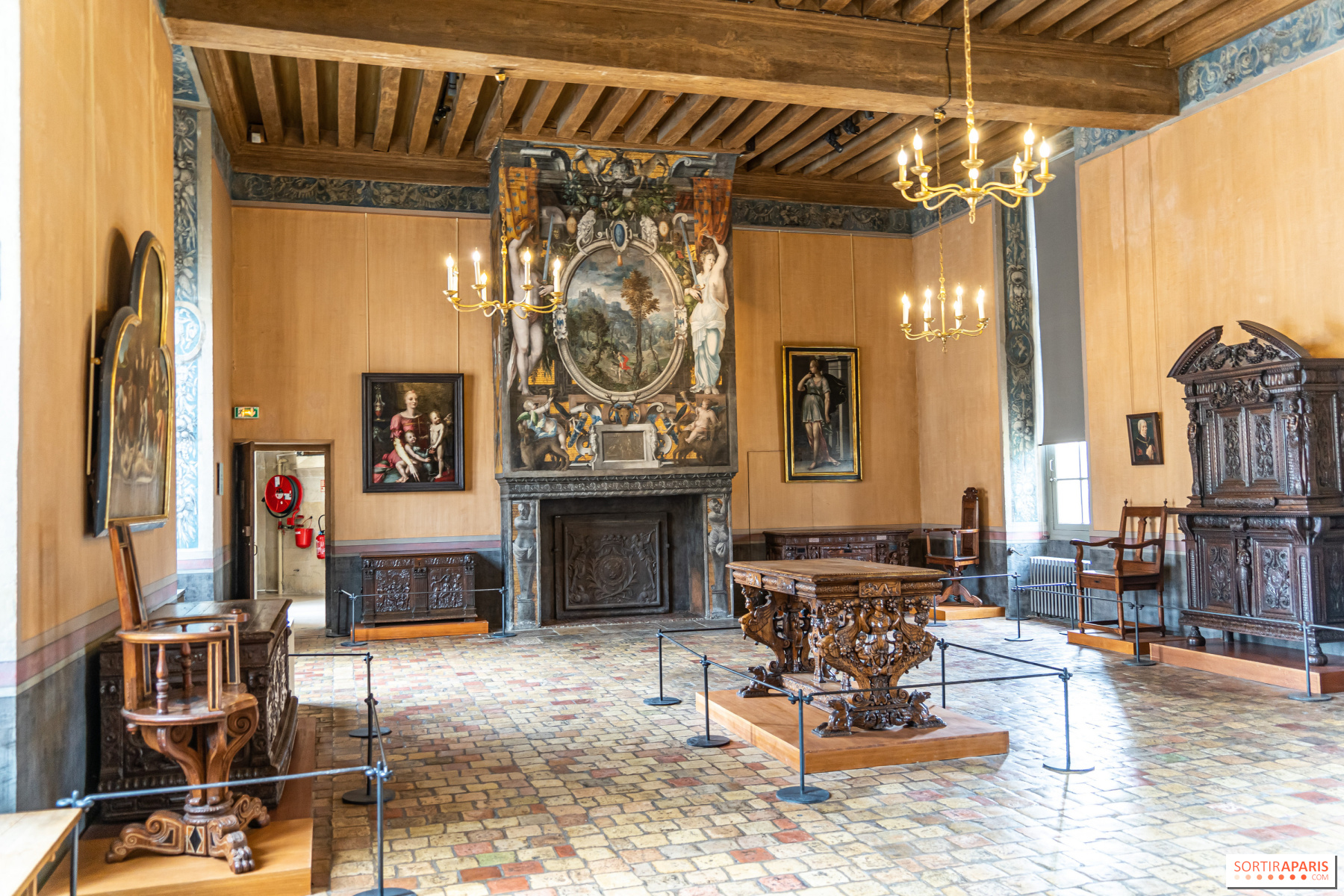
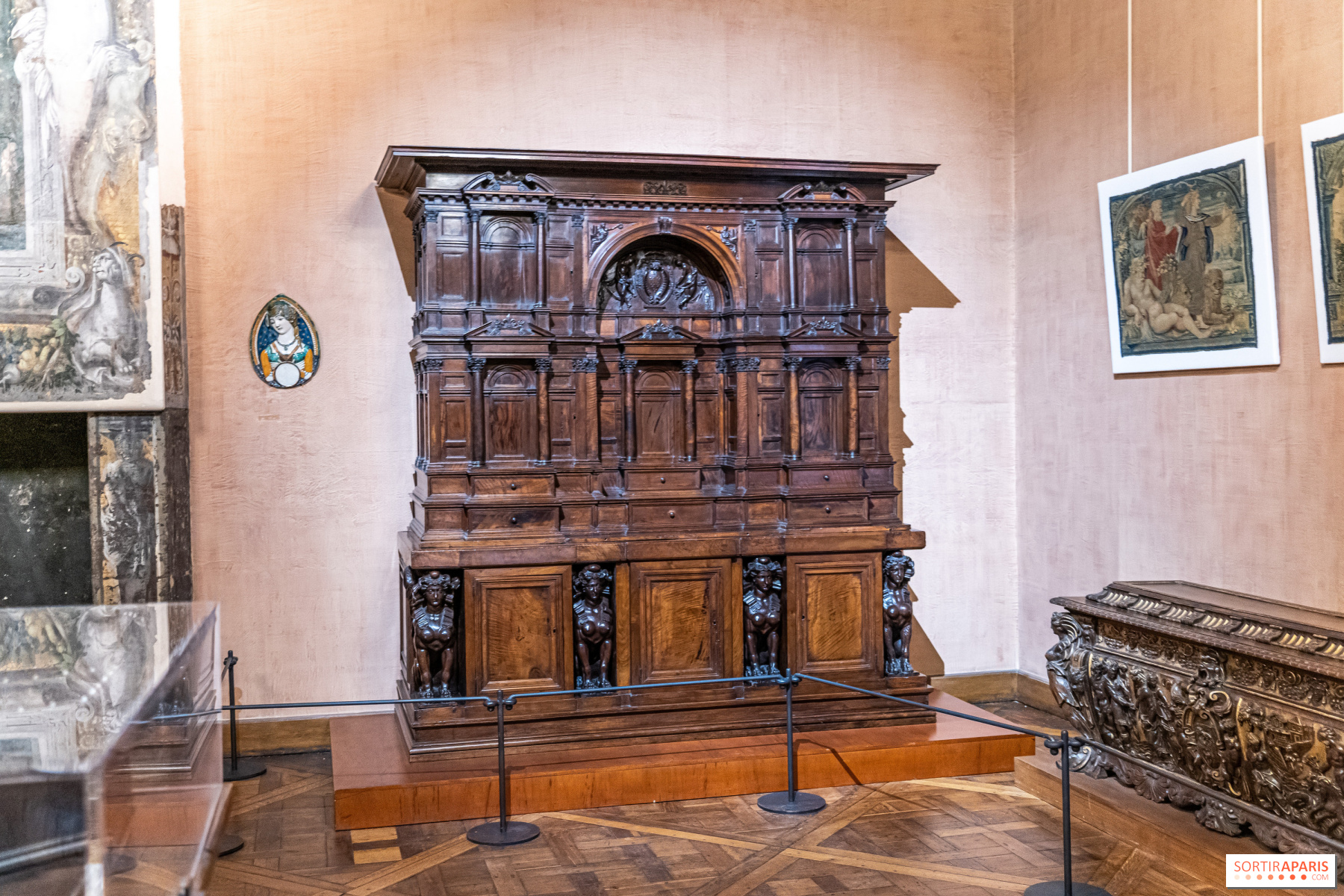
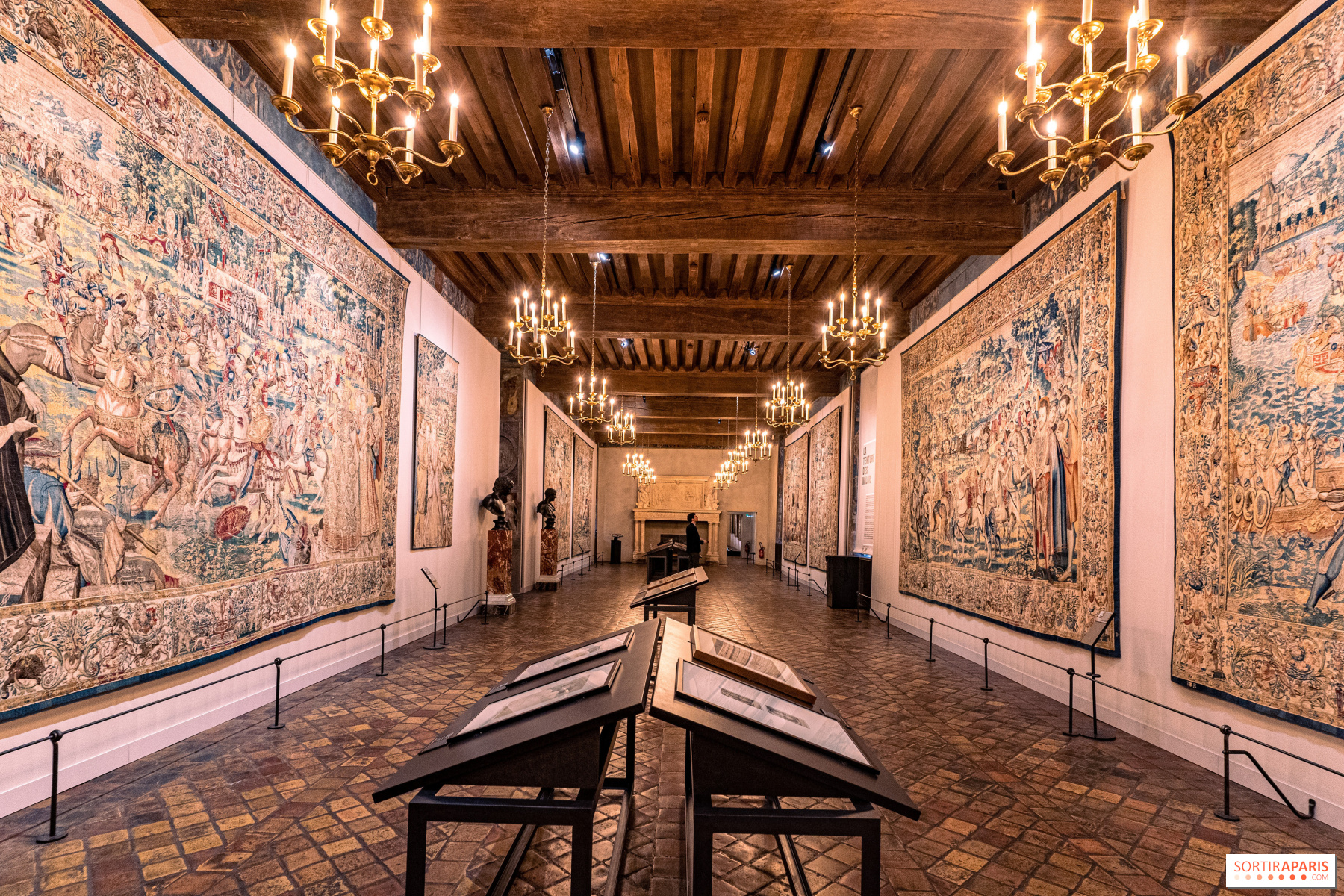
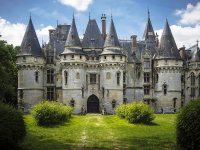
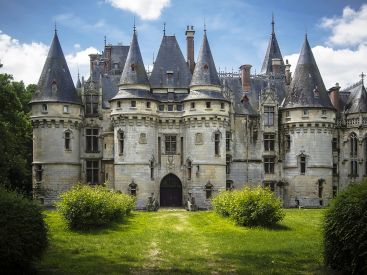
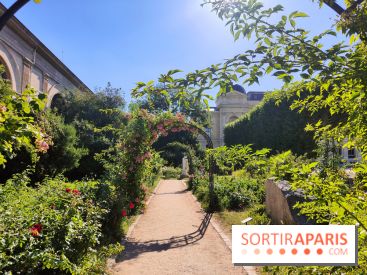
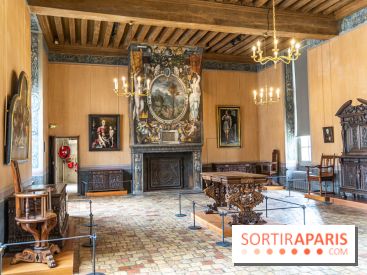
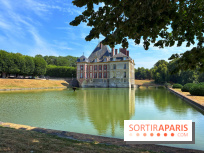
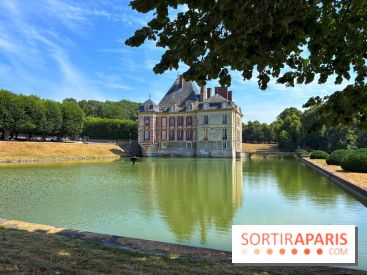
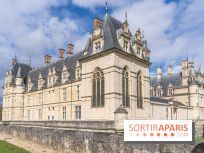
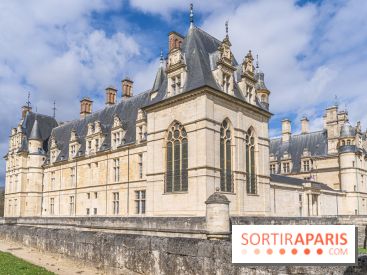
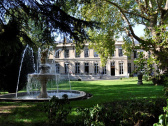
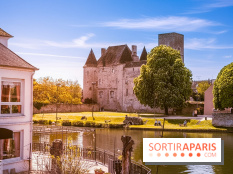
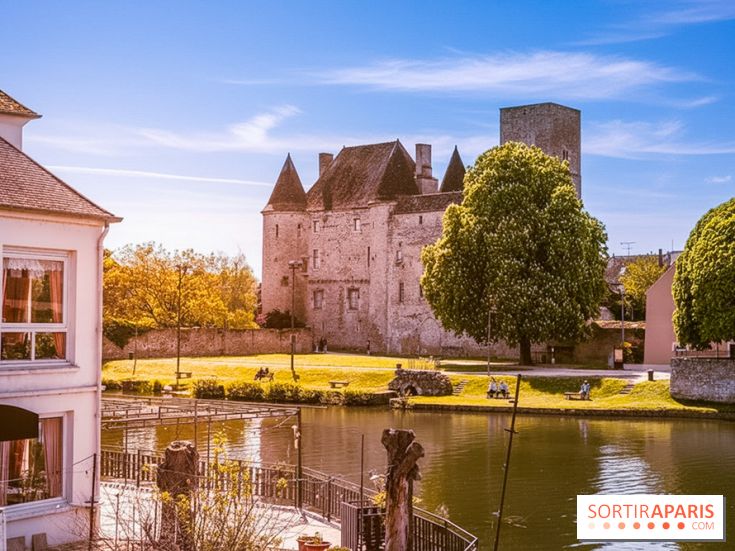
Château d'Écouen, twenty kilometers north of Paris, overlooks the plain of the Pays de France and the forest of Chantilly. This historic site is now home to the exceptional collections of the Musée National de la Renaissance. Formerly the property of Renaissance lord Anne de Montmorency, the château bears witness to the ambitions and successes of this powerful man, patron of the arts and aesthete.

Anne de Montmorency was an avant-garde collector and heir to a colossal fortune, which he increased thanks to a judicious acquisitions policy, his marriage to Madeleine de Savoie and royal favor. By the time of his death in 1567, he owned some 130 châteaux in France and two residences in Paris, including the Hôtel de la rue Sainte-Avoye, with its gallery painted by Nicolo dell'Abbate. His architectural achievements include the Petit Château at Chantilly (1559) and the gallery-bridge at Fère-en-Tardenois, both designed by Jean Bullant. But Écouen remains his masterpiece.
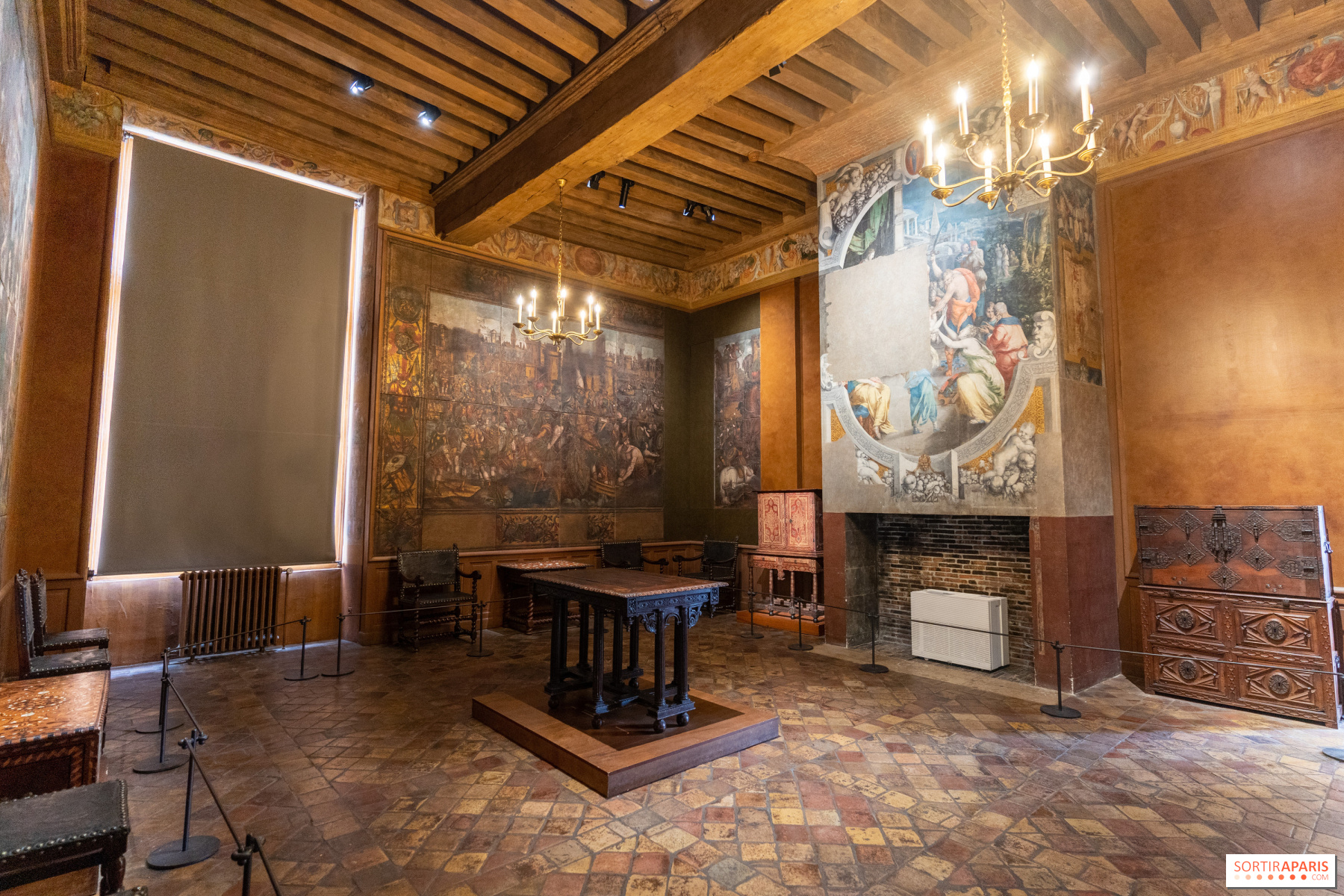
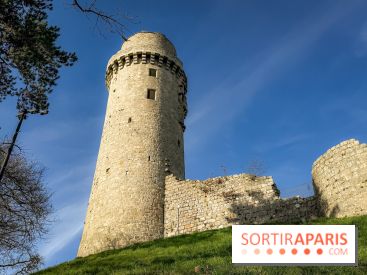
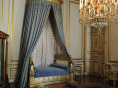
The de Montmorency family owned the land on which a medieval castle once stood. Anne de Montmorency had this castle demolished in 1538 to build a residence worthy of his title of Constable. The work lasted until 1555, and brought together the most prestigious craftsmen of the time, both French and foreign, many of whom had worked on the royal construction site at Fontainebleau. The château was adorned with pavements, stained glass, panelling, friezes, painted landscapes, marble and cast iron. The decorative arts followed, with enamels by Léonard Limosin, pottery from Saint-Porchaire, Italian majolica, tapestries and paintings by artists such as Rosso.
The château remained in the Connétable family until 1632, when Henri de Montmorency was executed on the orders of Richelieu. After his confiscation, Écouen was returned to his sister, Charlotte d'Angoulême. In 1696, the Duchesse de Joyeuse, who had no descendants, bequeathed the property to the Condé family, who already owned Chantilly. The château remained in their possession until the French Revolution.
During the French Revolution, the château was used as a meeting place, military prison and hospital. In 1805, Napoleon established a school for girls of the Legion of Honor. In October 1807, after the reconstruction of an eastern wing, the school opened its doors under the direction of Madame Campan. Thousands of girls were educated here until 1962.

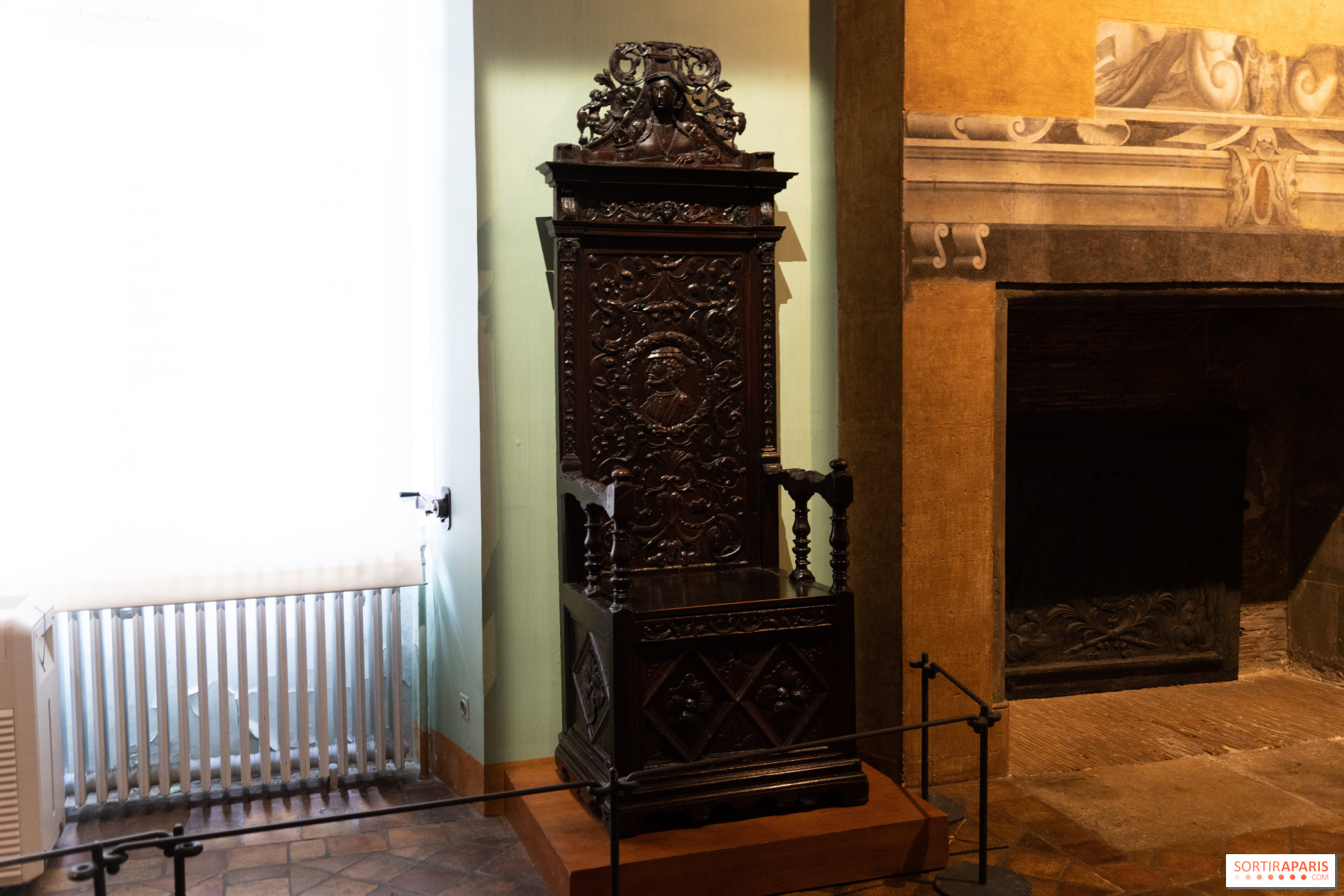
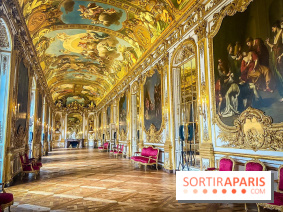
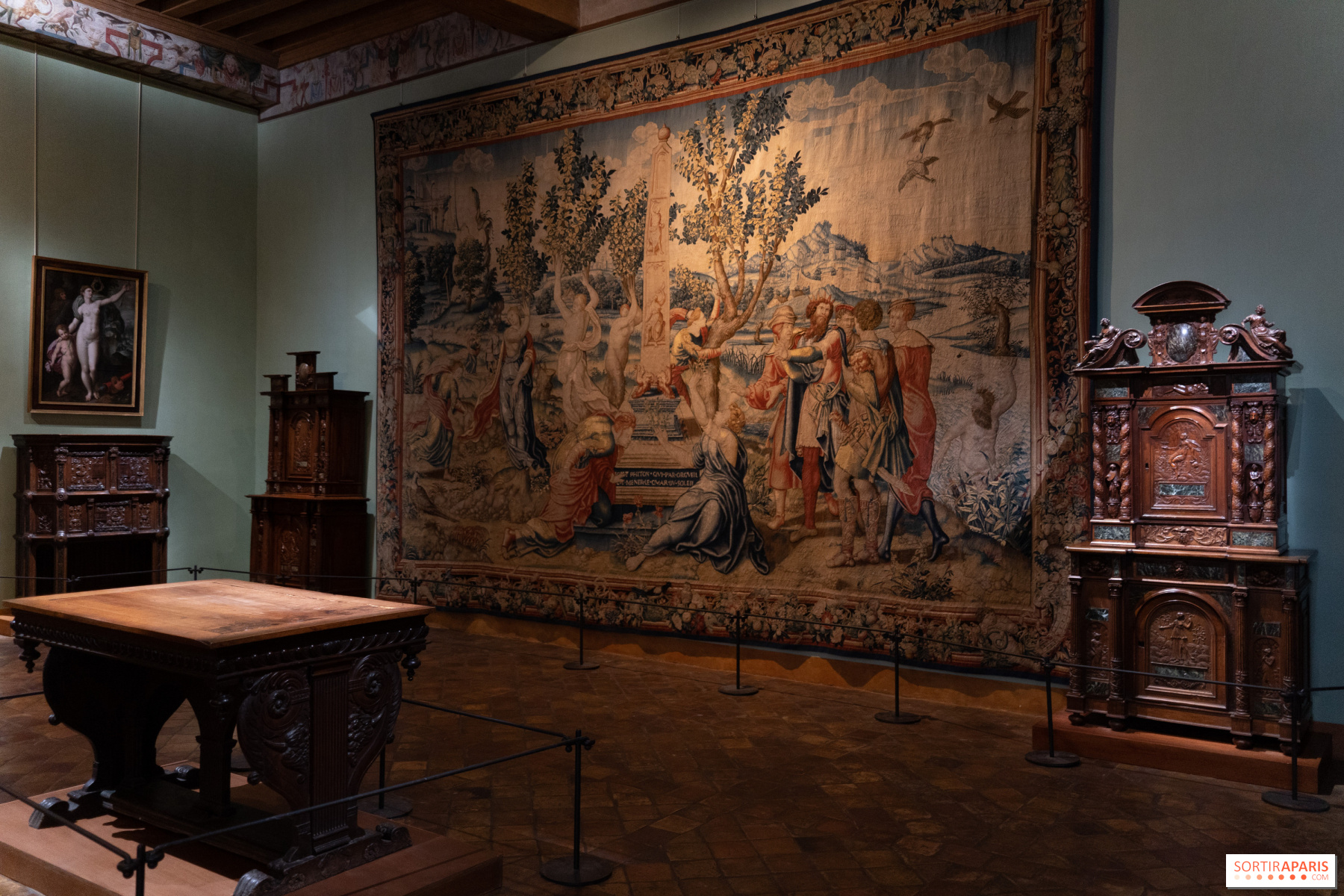
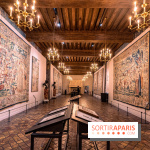
In 1962, the château was made available to the French Ministry of Cultural Affairs to house the Musée National de la Renaissance, which was inaugurated in 1977 after extensive restoration work. Most of the collections come from the Musée de Cluny, notably the splendid David and Bathsheba tapestry, whose imposing dimensions (75 m long by 4.50 m high) have found a home in the Galerie de Psyché. Objects from the château, such as stained-glass windows, pavements, locks and fragments from the east wing, have been integrated into the museography.
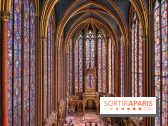
We're delighted to discover the Chapelle d'Ecouen in connection with Chantilly. The Écouen chapel, whose history is closely linked to that of Chantilly, was initiated by Anne de Montmorency, Constable of France and advisor to François I and Henri II. Inheriting the estates of Chantilly and Écouen in 1522, he built a residence at Écouen, a precursor of French Renaissance architecture. Montmorency called on the major artists of the time to create a richly decorated place of worship.
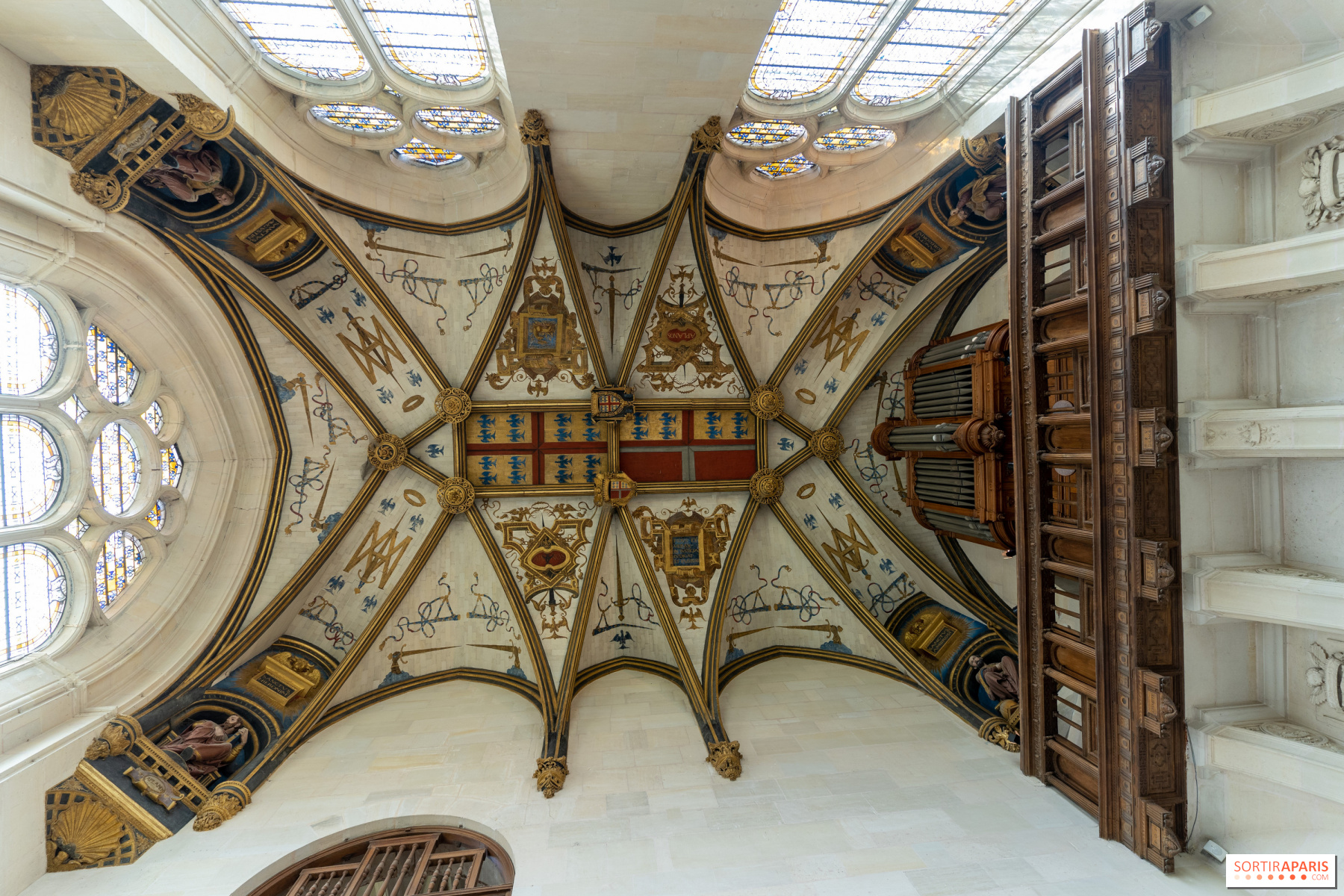
After the Revolution, the chapel was dismantled and its art objects dispersed. In 1815, the Condé family reclaimed Chantilly, but Château d'Écouen became the home of the young girls of the Legion of Honor. The heir to the last Prince de Condé, Henri d'Orléans, Duc d'Aumale, renovated Chantilly and rebuilt a chapel inspired by the one at Écouen.
Since 1977, the Écouen chapel has housed the first room of the Musée National de la Renaissance, bearing witness to the château's 16th-century history through its architecture and painted vault. The museography brings together works from the Renaissance, with links to other sponsors and artistic centers.
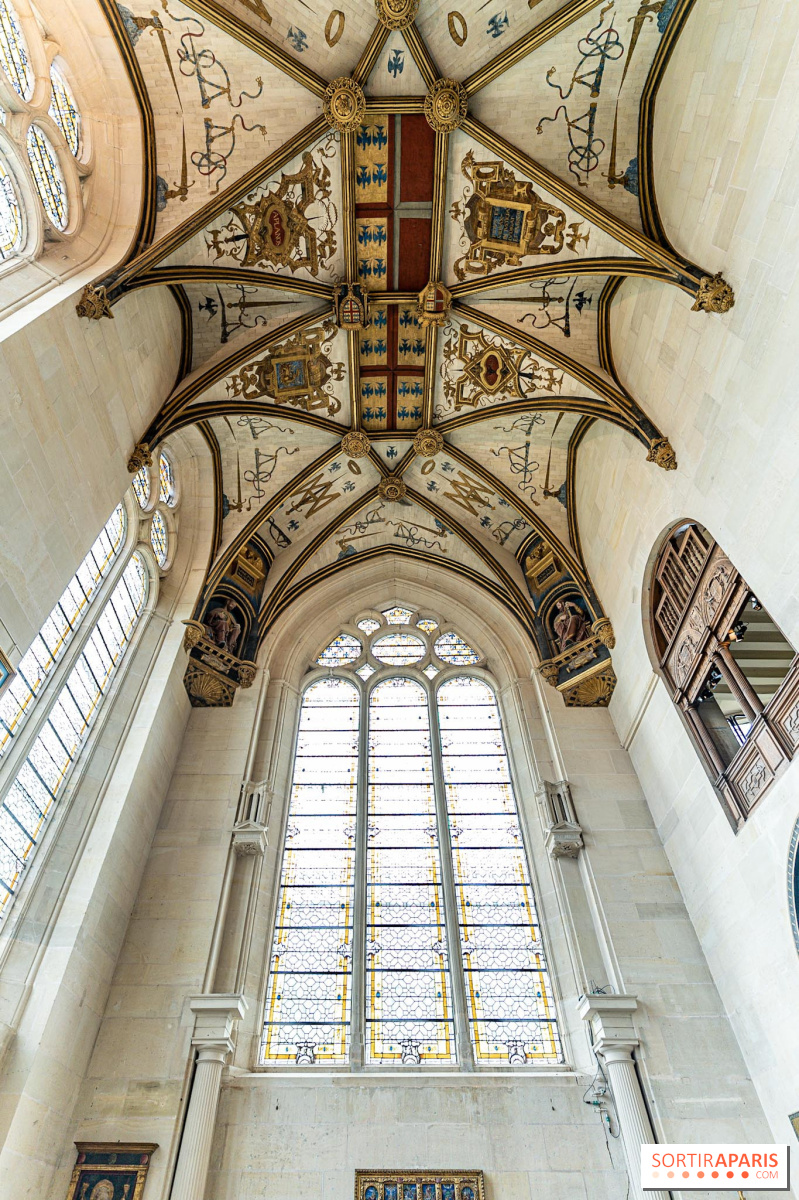
When you visit Château d'Écouen, you'll discover a unique place, witness to a sumptuous era rich in history. Take advantage of this exceptional experience to admire Renaissance masterpieces and immerse yourself in the world of Anne de Montmorency, a man with a passion for art and culture. Don't miss this opportunity to marvel at the treasures of the Musée National de la Renaissance and soak up the unique atmosphere of the Château d'Écouen, a true architectural gem.
National Museum of the Renaissance – Château d’Écouen Address: 95440 Écouen Phone: 01 34 38 38 50
Opening hours :
Entrance fees :
Access by public transport:
Access by car from Paris: A1 motorway from Porte de la Chapelle, exit Francilienne (N104) toward Cergy, then take the Écouen exit (D316).
Take advantage of these practical details to plan your visit to the Château d'Écouen and discover the National Museum of the Renaissance. Dive into the history and art of the Renaissance by visiting this exceptional site and its unique collections.
 Theatrical tour and new exhibition for Heritage Days 2026 at Château d'Écouen
The Château d'Ecouen and its Renaissance Museum participate in Heritage Days on Saturday, September 19 and Sunday, September 20, 2026. Take advantage of free guided tours for visitors of all ages. [Read more]



 Outdoor cinema at the Château d'Écouen: the National Museum of the Renaissance unveils its 2026 program
Each summer, the Château d'Écouen — National Museum of the Renaissance offers warm, family-friendly evenings focused on cinema, with its outdoor screenings. Discover the free films shown on August 21 and 22, 2026. [Read more]



 An archery competition and free activities unfold in front of a château in Val d'Oise.
From August 13 to 16, 2026, the Château d'Écouen – National Museum of the Renaissance comes alive to the rhythm of arrows for a 3D archery competition, a nature-leaning sport, with a wealth of free activities on offer right at the heart of the estate. [Read more]
Please note that it's been over 4 years since our last visit, so the place and experience may have changed.
This page may contain AI-assisted elements, more information here.
Dates and Opening Time
Next days
Monday:
from 09:30 a.m. to 12:45 p.m.
- from 02:00 p.m. to 05:15 p.m.
Wednesday:
from 09:30 a.m. to 12:45 p.m.
- from 02:00 p.m. to 05:15 p.m.
Thursday:
from 09:30 a.m. to 12:45 p.m.
- from 02:00 p.m. to 05:15 p.m.
Friday:
from 09:30 a.m. to 12:45 p.m.
- from 02:00 p.m. to 05:15 p.m.
Saturday:
from 09:30 a.m. to 12:45 p.m.
- from 02:00 p.m. to 05:15 p.m.
Sunday:
from 09:30 a.m. to 12:45 p.m.
- from 02:00 p.m. to 05:15 p.m.
Location
Château d'Écouen - musée national de la Renaissance
Rue Jean Bullant
95440 Ecouen
Route planner
Access
Transilien Line H Ecouen-Ezanville station
Prices
1er dimanche du mois: Free
Tarif réduit: €5.5
Plein tarif: €7
Recommended age
For all
Official website
musee-renaissance.fr