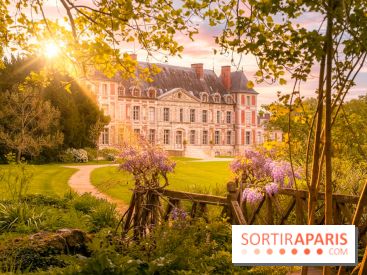
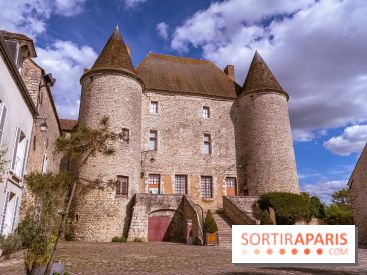
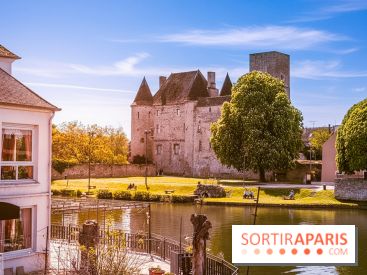
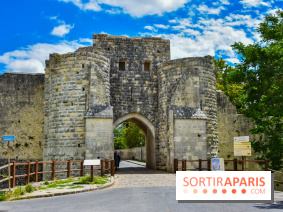
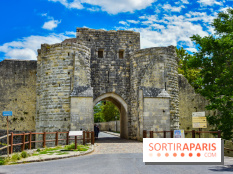
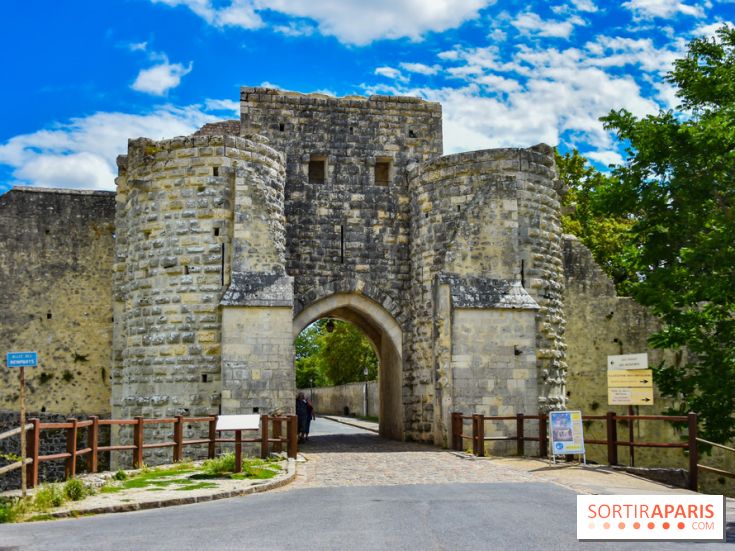
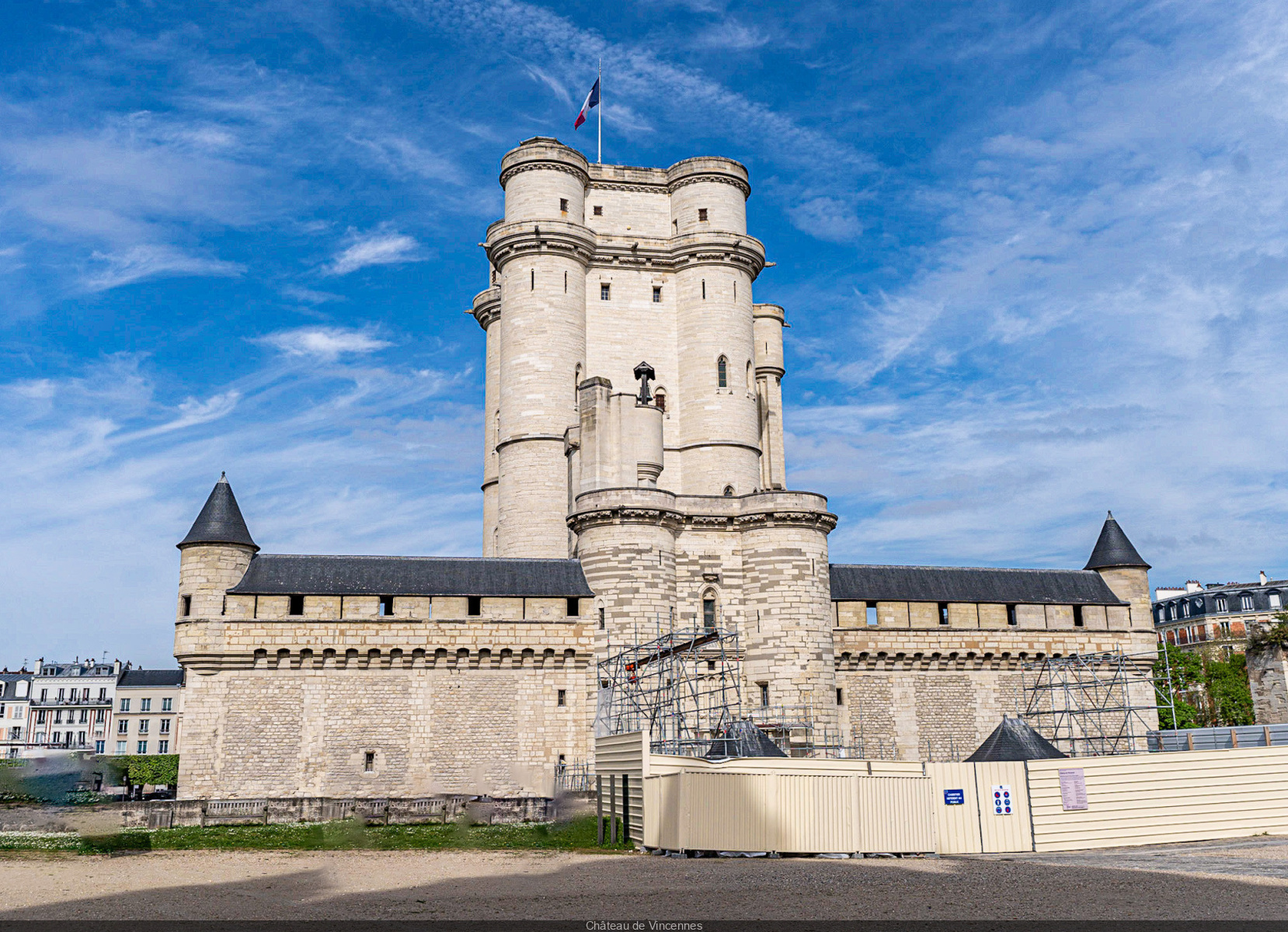
The Château de Vincennes, just a metro ride away, stands as one of the Paris region’s most remarkable heritage treasures. First, it’s one of Île-de-France’s best-preserved fortresses. Moreover, its keep ranks among the tallest in Europe, and it has housed notable historical figures as prisoners, including the Marquis de Sade. But did you know that its royal chapel was directly inspired by an exceptional religious building in the capital?
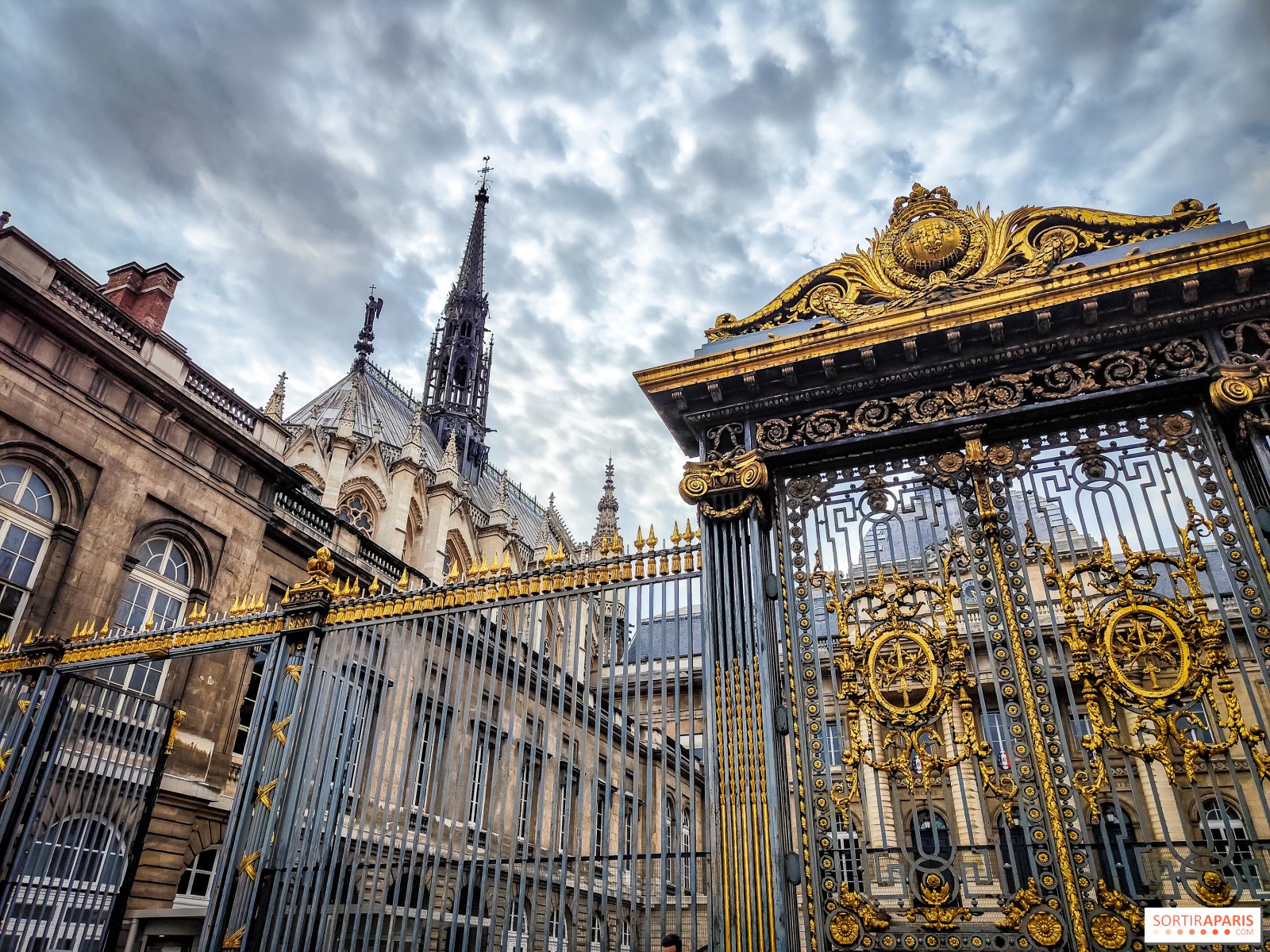
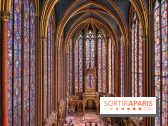
In the background, the roofline of Sainte-Chapelle in Paris
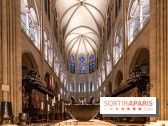
And yes, the Sainte-Chapelle of the Château de Vincennes was designed as the little sister of the Sainte-Chapelle on the Île de la Cité in Paris, also nicknamed the monument to a thousand stained-glass windows. Like its famed elder, it is tied to royal power, the prestige of relics, and the staging of a very Christian monarchy. But beware: this isn’t a faithful copy—it’s a deliberate inspiration. The Sainte-Chapelle of Vincennes asserts its own silhouette and its own temperament.
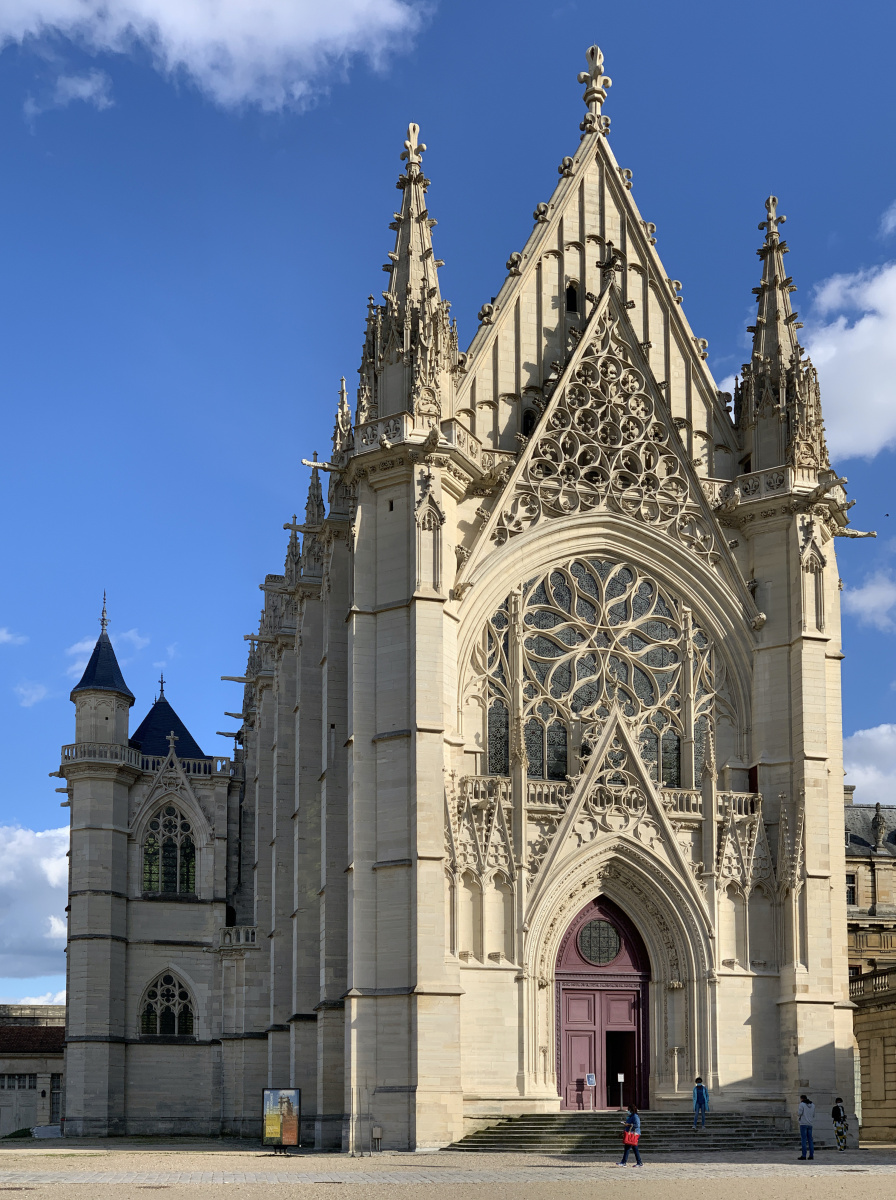
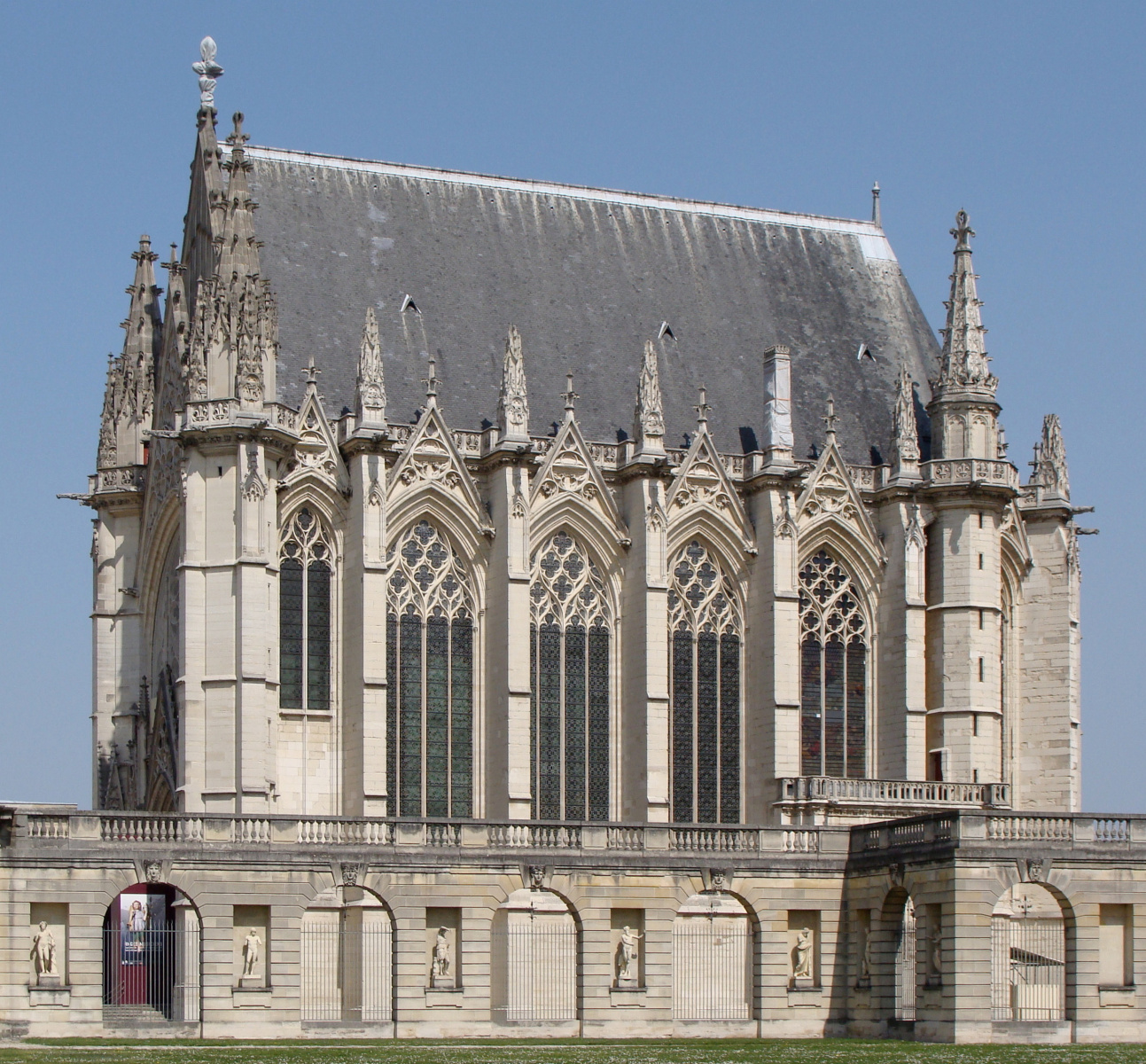
The Sainte-Chapelle of the Château de Vincennes
The Sainte-Chapelle on Île de la Cité was built in the 13th century by Louis IX, the future Saint Louis, to house the prestigious relics of the Passion, including the Crown of Thorns. Nearly two centuries later, Charles V revived this idea at Vincennes: in 1379 he founded a new Sainte-Chapelle within the castle walls to once again shelter Passion relics and to reinforce the sacred aura surrounding the French monarchy.
Unlike the Sainte-Chapelle de l’île de la Cité, famed for its stacked lower and upper chapels, the Sainte-Chapelle de Vincennes rises on a single level. Its architecture blends rayonnant Gothic and flamboyant Gothic. Rayonnant Gothic is the era that makes light, verticality, and expansive stained glass triumph, while flamboyant Gothic pushes ornamentation further, with stonework that appears almost serrated—more showy, more spectacular.
Like many royal monuments, the Sainte-Chapelle de Vincennes has weathered the shocks of history. A portion of its interior fittings was destroyed during the French Revolution. But notably, its stained-glass windows were removed and preserved as early as 1793, evidence that its heritage value was already recognized. It even became the first element of the Château de Vincennes to be classified as a historic monument in 1853.
This page may contain AI-assisted elements, more information here.
Location
Vincennes Castle
Avenue de Paris
94300 Vincennes
Official website
www.chateau-de-vincennes.fr