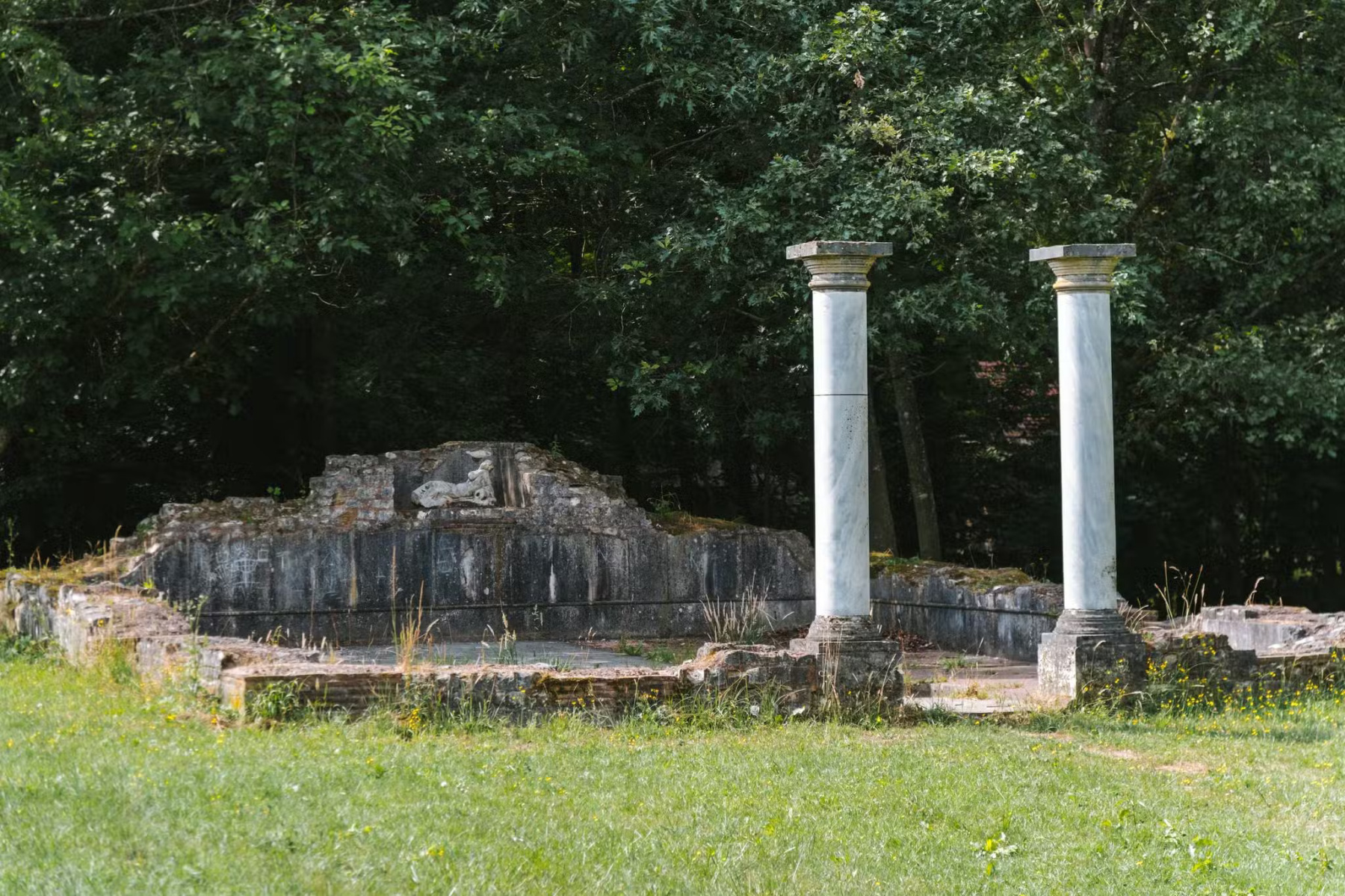
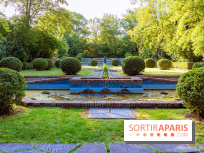
Just a few kilometers from Mantes-la-Jolie, the village of Septeuil in the Yvelines guards one of the most fascinating vestiges of Roman presence in Île-de-France: a sanctuary nymphaeum dedicated to water. Discovered almost by chance, this archaeological site offers a glimpse into the intimate rituals of the Gallo-Romans, where the spring was once revered as a deity.
Picture a majestic sanctuary, erected between the late 1st and early 2nd century AD, where pilgrims came seeking the protection of the water gods, most notably Mithra. At the heart of the site lies a nymphée, a monumental basin that drew from the source sacrée.
Back then, the building commanded attention with its architecture: massive columns, refined sculptures, and a grand reservoir, before it was abandoned in the 4th century. Today, the limestone foundations, still visible, precisely trace the layout of this sanctuaire de source.
As with ancient heritage, it was chance (and the roadworks of a detour) that brought the site back to light in the 1980s, on the site of an old bend of the Vaucouleurs.The excavations uncovered not only the masonry structures but also fragments of sculptures and bas-reliefs. It becomes clear that Septeuil was not merely a simple water source, but a true waypoint of passage and regional devotion.
The site bears witness to how the Gallo-Romans integrated their religious beliefs into the local landscape. Strolling among the ruins, one imagines the murmur of water and white togas gliding between the colonnades.
To safeguard the sanctuary, the General Council of the Yvelines says it has built a restoration of the sanctuary as well as a cast of the nymph (the original is housed at the National Archaeology Museum in Saint-Germain-en-Laye), just a few meters from the actual site.
This page may contain AI-assisted elements, more information here.