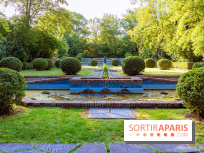
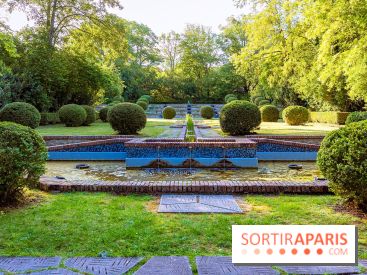
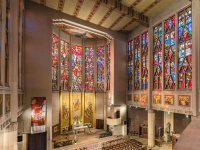
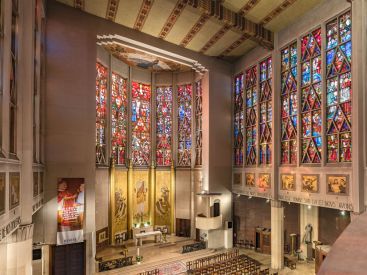
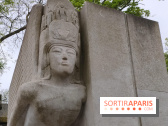
In Paris, there are gardens that feel almost secret, yet they hide a grand history. This is one such verdant enclave with a macabre past. Nestled behind the sober façades of the 8th arrondissement, the Louis XVI Square, adjacent to the Expiatory Chapel, sits on the site of the former cimetière de la Madeleine, which during the Revolution became a burial ground for the victims of the guillotine. Behind its appearance as a small, discreet haven, this historic Parisian garden sits atop an old burial ground linked to Louis XVI, to Marie-Antoinette and to hundreds of victims of the Terror.
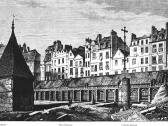
Originally, the cimetière de la Madeleine opened in the 18th century to meet the needs of a rapidly expanding neighborhood. But during the Revolution, its proximity to today’s Place de la Concorde—then the Place de la Révolution, where the guillotine stood—made it a particularly convenient burial site for the bodies of the condemned.
Approximately 500 guillotined were laid to rest there. Among them are famous names such as Olympe de Gouges, Charlotte Corday, Madame du Barry, and several Girondin deputies. King Louis XVI, executed on 21 January 1793, is buried there in an individual grave. Marie-Antoinette, executed on 16 October 1793, was also interred there. Both are said to have been covered with lime.
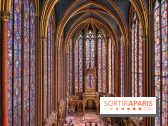
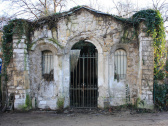
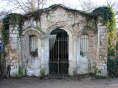
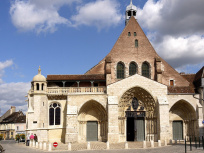
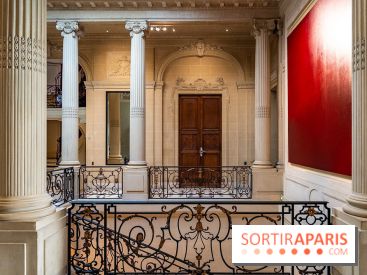
Following the Revolution and the Empire, Louis XVIII, brother of Louis XVI, chose to mark the site with a commemorative monument. In 1815, the remains believed to be those of Louis XVI and Marie-Antoinette are transferred to the Basilica of Saint-Denis, after which a chapel is erected on the site of their former burial. The project, entrusted to Pierre Fontaine, gets underway in 1816 and is completed in 1826. The monument is designed in a neoclassical style and today hosts exhibitions open to the public.
The Louis XVI Square as we know it today was laid out later, in the 19th century, when Haussmann’s renovations reshaped the district. Its white floral decorationsecho royalty and the memory of Louis XVI and Marie-Antoinette. But what has become of the mass grave?
If the supposed remains of Louis XVI and Marie-Antoinette were moved to the royal necropolis for the kings and queens of France in Saint-Denis, a common view persists that the bodies buried on this site were relocated to the Paris Catacombs, as was the fate of other former intra-mural Paris cemeteries.
In fact, Louis XVIII reportedly insisted that no land “saturated with victims” be taken away from the site. The remains of the old cemetery were thus kept in ossuaries. In other words, even after the monarchs were moved, the place remained a necropolis of the Revolution.
The confusion seems to stem from a Catacombs plaque mentioning another “old Madeleine Cemetery,” located on Laville-Lévêque Street, whereas the cemetery on which the Expiatory Chapel was built lay on Rue d’Anjou. Archaeological surveys conducted in 2018 even confirmed the presence of bones behind the walls of the lower chapel.
This page may contain AI-assisted elements, more information here.
Location
Chapelle Expiatoire
29 Rue Pasquier
75008 Paris 8
Route planner