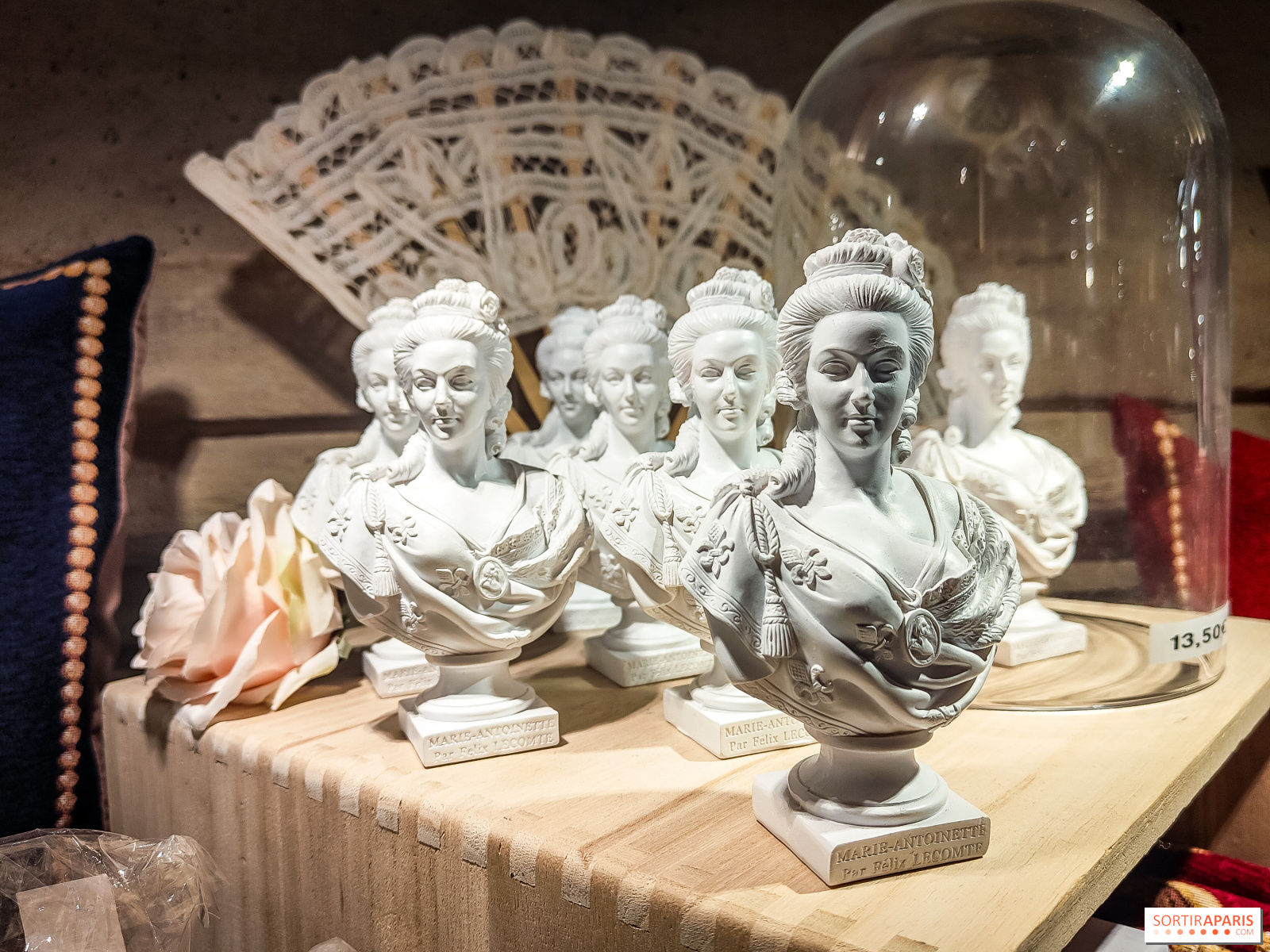
Seen in turn as an icon of beauty, a controversial figure and a martyr, Marie-Antoinette, the last queen of the Ancien Régime with a tragic destiny, continues to fascinate people the world over. Born in Austria in 1755, she was the youngest daughter of Empress Maria Theresa of Austria. At the age of fourteen, she became the betrothed of the future King Louis XVI. Her reign as Queen was marked by a series of controversies, ranging from myth to reality, which led to her loss of popularity, including the famous necklace affair, which, despite her innocence, stuck to her. He was also falsely quoted as saying "If they don't have bread? Let them eat brioche!" in response to the famine in France.
Despised for her origins at a time of tension in Franco-Austrian relations, criticized for her excessive spending, which led to her being seen as a symbol of the aristocracy's indifference to the suffering of the people, she saw her fate sealed during the French Revolution.
So, would you like to immerse yourself in thehistory of the last Queen of France? We'll take you on a tourof Marie-Antoinette's life in the Paris region.
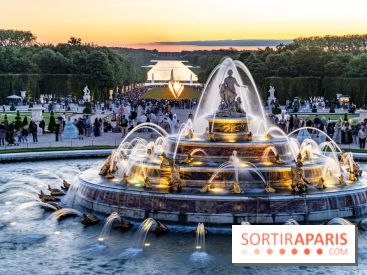
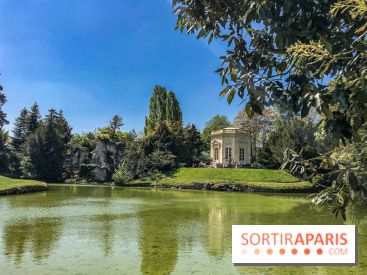
First of all, we can't talk about Marie-Antoinette without mentioning the Château de Versailles, the sublime residence of the Sun King, where she lived after her marriage to Louis XVI, grandson of Louis XIV. Here you'll find her bedroom, the salons she frequented and much more. Her life at court was marked by a rigid etiquette that left little room for intimacy, and by wars of influence that gave rise to humiliations. To escape this, the Queen had her refuge set up not far from the Château: Le Petit Trianon and the Hameau de la Reine.
*It appears the content inside the blockquote is missing or represented by placeholders. Please provide the full text you'd like translated for a more accurate adaptation.*
A visit to the Château de Versailles and its program
The Château de Versailles, its gardens and grounds, are a world heritage site. The official residence of the kings of France, the Château de Versailles holds the record as the largest château in the world, and of course the most visited in France. [Read more]
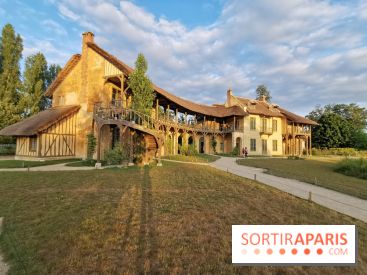
The Domaine de Trianon can be visited separately from the Château. Located two kilometers away, it was once a place of refuge for kings, who found rest and relaxation away from the Court. Created by Louis XV, the estate became the fiefdom of Marie-Antoinette, who modified the grounds and created an entire hamlet, like a small village. [Read more]
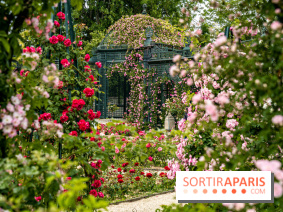
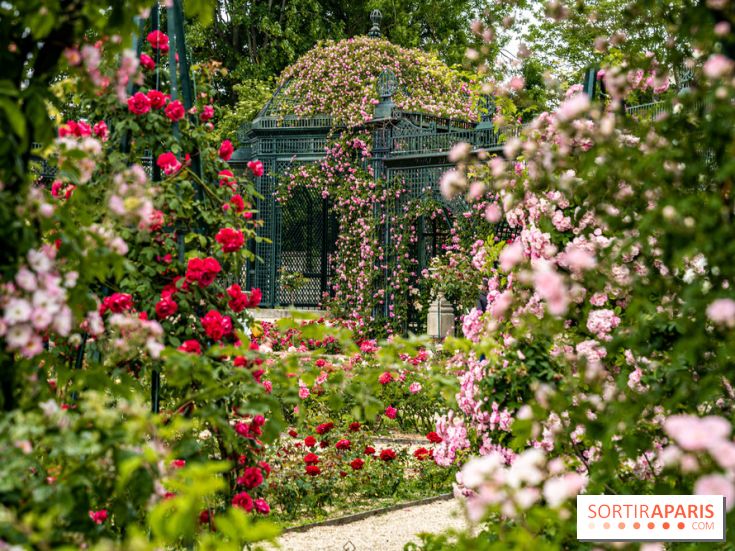
Queen Marie-Antoinette's life was also closely linked to other historic sites in the Paris region. She often stayed at the national estate of Saint-Cloud , where the château once belonged to the d'Orléans family, whose duke was the king's cousin. Marie-Antoinette is also said to have challenged the Comte d'Artois to build a Folie in less than three months, a feat that led to the creation of the Château de Bagatelle, whose garden features one of France's oldest rose gardens.
The Domaine de Saint-Cloud is the magnificent park of the now-defunct Château de Saint-Cloud. Even today, this magical place remains synonymous with festivities in the daily lives of local residents and Paris lovers alike. This historic 460-hectare park, classified as a Remarkable Garden, offers a variety of events throughout the year. [Read more]
The Parc de Bagatelle awaits you on the Bois de Boulogne side to let you enjoy its enchanting setting. From the Château de Bagatelle to the beautiful rose garden and vegetable patch, this is a magical garden where life is good. [Read more]
At the start of the French Revolution, the royal family was moved to Paris, to the now-defunct Palais des Tuileries, of which a few remains can be found in the eponymous garden and elsewhere in the capital. She was subsequently detained in the Donjon du Temple while awaiting the trial of the royal couple. On January 21, 1793, Louis Capet, formerly Louis XVI, was executed. In August of the same year, the deposed queen was separated from her children, and awaited sentence at the Conciergerie. On October 16, 1793, she too was guillotined on the Place de la Concorde.
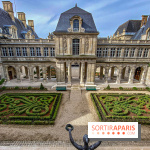
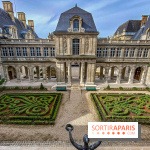
The largest collection relating to the French Revolution can be found at the Musée Carnavalet, dedicated to the history of Paris, where you can also retrace Marie-Antoinette's life during this chapter of French history.
Did you know? The famous Tuileries Gardens once housed a palace. It was the Palais des Tuileries. Remnants of this now defunct royal residence are now scattered around the world. Here's where to find them in Paris. Ready to explore the capital's past? [Read more]
The Tuileries Gardens are a must-see in Paris! This 23-hectare green space runs alongside the Rue de Rivoli and the Seine, linking the Louvre Museum and the Place de la Concorde. Classified as a historic monument in 1914, it has also been a UNESCO World Heritage Site since 1991. It features magnificent historical statues, accompanied by works of art. [Read more]
The Conciergerie is a historic building on the Ile de la Cité in Paris. Since its construction in the 10th century, this monument has been the seat of the Palais de Justice and a prison in turn. It was here that Marie-Antoinette was imprisoned. [Read more]
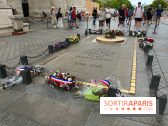
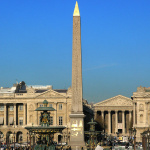
The Place de la Concorde is the capital's largest square. It was here, at the start of the Champs-Elysées, that Louis XVI and Marie-Antoinette were guillotined. Today, it is one of the most famous squares in Paris, and its famous golden-tipped obelisk still dominates the city. [Read more]
The Musée Carnavalet invites you to discover the history of the capital. Discover what awaits you in Paris' oldest museum, which has the advantage of being free... [Read more]
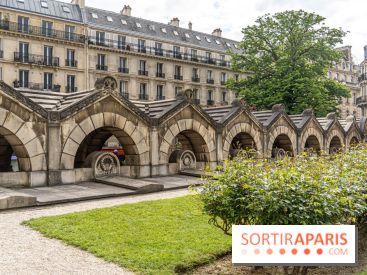
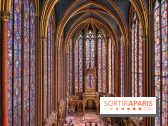
Like Louis XVI and other members of the royal family who were executed, Marie-Antoinette's body was buried in a mass grave in the Madeleine cemetery. In 1815, the couple's remains were exhumed and transferred to the Basilica of Saint-Denis, the necropolis of the kings of France. On the site of the former Madeleine cemetery, Louis XVIII, Louis XVI's brother and now King of France under the Restoration, had the Chapelle Expiatoire built in memory of the royal couple.
The Chapelle Expiatoire is one of Paris's hidden monuments. Erected in memory of Louis XVI and Marie-Antoinette, this historic site is well worth a visit! [Read more]
How about (re)discovering the Basilique Saint-Denis? Classified as a historical monument, this religious edifice in Saint-Denis (93) is home to the necropolis of the Kings of France, and is a must-see for history buffs and those curious about the region's heritage. We tell you all about it! [Read more]
Today, the figure of Marie-Antoinette continues to captivate audiences, whether through films or visits to Parisian landmarks. This iconic personality from French History remains a popular subject for exhibitions, performances, guided tours, and various events across the Île-de-France region.
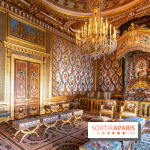
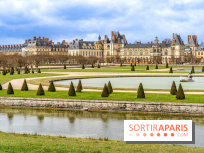
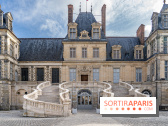
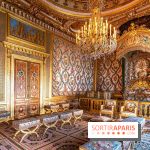 The room Marie-Antoinette never laid eyes on is a must-see at the Château de Fontainebleau!
In 2026, the Château de Fontainebleau marks 240 years since the last stay of Marie-Antoinette and Louis XVI. An opportunity to discover the Grand Apartments with their original furnishings. Note that this visit is included in the admission ticket. [Read more]
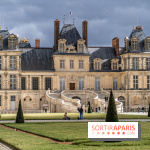
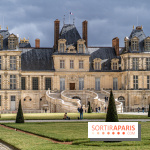
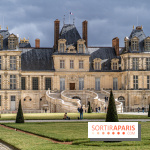
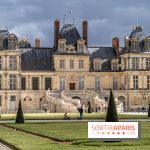 Queen’s Ball and summer picnic at Fontainebleau Castle
The Château de Fontainebleau invites visitors to a Marie-Antoinette-themed ball on July 4, 2026. A festive event that promises to be as enchanting as it is unforgettable. [Read more]
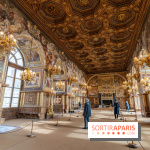
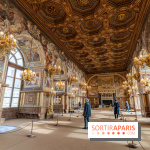
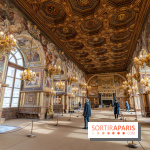
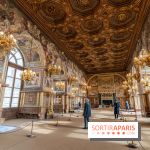 An exhibition of stage costumes designed by Christian Lacroix at the Château de Fontainebleau
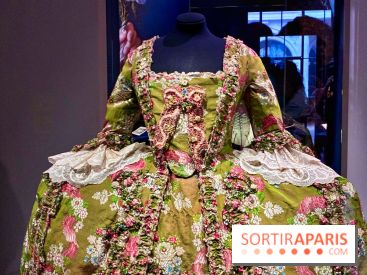
As part of the Festival of Art History, Fontainebleau Castle is hosting an exhibition of stage costumes designed by Christian Lacroix, inspired by Marie-Antoinette and her legendary sense of style... Open from June 5 to November 2, 2026. [Read more]
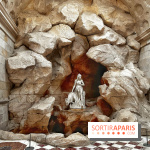
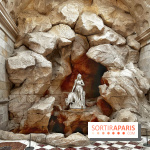
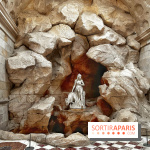
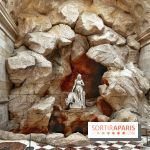 The Queen's Dairy: Marie-Antoinette's Grotto at Rambouillet Castle
At the edge of Rambouillet Castle Park, concealed behind a façade reminiscent of an ancient temple, lies one of the most daring sites of the 18th century. The Queen’s Dairy, a gift from Louis XVI to Marie-Antoinette, houses a monumental artificial grotto where marble and raw stone converge to celebrate nature and mythology. [Read more]



 Marie-Antoinette by Sofia Coppola: A Cinematic Exhibition at the Trianon Estate in Versailles
Starting September 22, 2026, the world of cinema takes center stage at the Trianon Estate with a groundbreaking exhibition dedicated to Sofia Coppola's film "Marie-Antoinette," filmed on the grounds of Versailles. [Read more]



 An exhibition dedicated to Marie Antoinette and Louis XVI at the Château de Fontainebleau
The Château de Fontainebleau is hosting the exhibition "Marie Antoinette and Louis XVI at Fontainebleau: Splendor and Sweetness of Life" from October 11, 2026, to January 25, 2027. This is a wonderful opportunity for history buffs to immerse themselves in the life of the royal couple. [Read more]



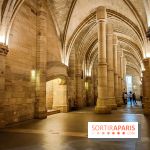 Immerse yourself in the Revolution with the "Carnation Conspiracy" treasure hunt in the heart of Paris
Experience historical immersion in the heart of Paris with the life-size treasure hunt "Le Complot de l'Œillet": a thrilling adventure in the footsteps of Marie-Antoinette, between the Île de la Cité and the Comédie-Française, in the tense atmosphere of the French Revolution. [Read more]
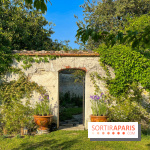
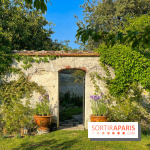
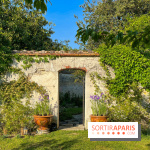
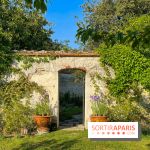 The Perfumer's Garden, the garden of the Château de Versailles and the House of Francis Kurkdjian
The park at Versailles is home to a little-known garden: "Le Jardin du Parfumeur". Under the patronage of Francis Kurkdjian, the plot envelops the Trianon estate in an elegant floral fragrance. [Read more]



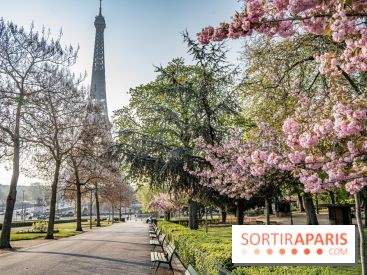







 A visit to the Château de Versailles and its program
 The Trianon Estate and the Queen's hamlet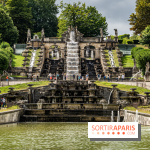
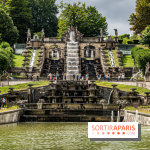
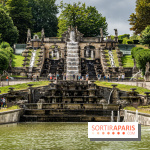
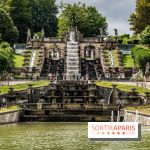 The Domaine de Saint Cloud, a huge park with many fountains near Paris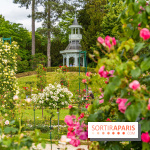
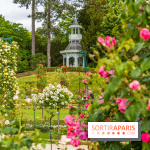
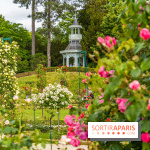
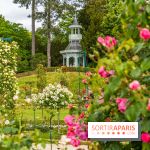 Discover Bagatelle Park, its rose garden and sublime gardens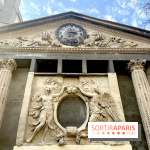
 In the footsteps of vanished monuments: Where can you see the remains of the Tuileries Palace in Paris?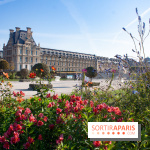
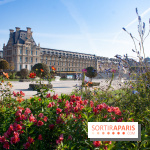
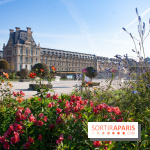
 The Tuileries Gardens, the ideal place in Paris to go green


 The Conciergerie in Paris: a monument symbolic of the French Revolution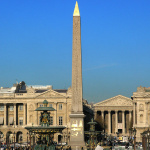
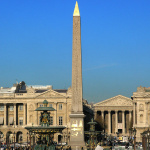
 History of the Place de la Concorde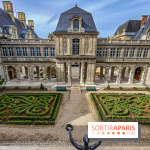
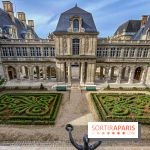 Musée Carnavalet, Paris's oldest museum dedicated to the capital's history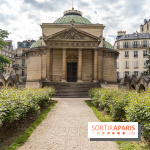
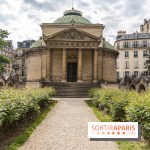
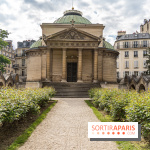
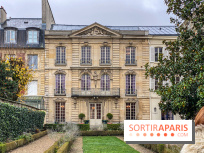
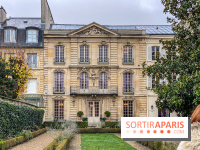
 The Chapelle Expiatoire in Paris, the monument erected in memory of Louis XVI and Marie-Antoinette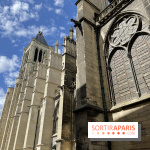
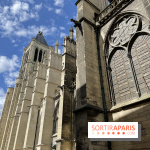
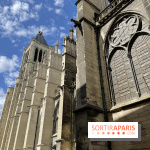
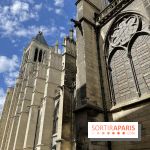 Saint-Denis Basilica, the necropolis of the Kings of France in Saint-Denis (93), discover its history