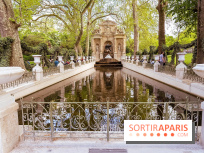
We invite you to take a stroll in the footsteps of the places that made the legend of the famous French writer Victor Hugo ! Born in Besançon, he spent most of his life in the capital, with nearly 25 Paris residences in his 83 years of life. Many of the City of Light's most emblematic landmarks also marked the life of this remarkable French poet and writer, who was involved in numerous battles.
It will take you around 3 hours to tour thesehistoric sites on foot, but it's much quicker by bike or scooter if your feet start to get tired!
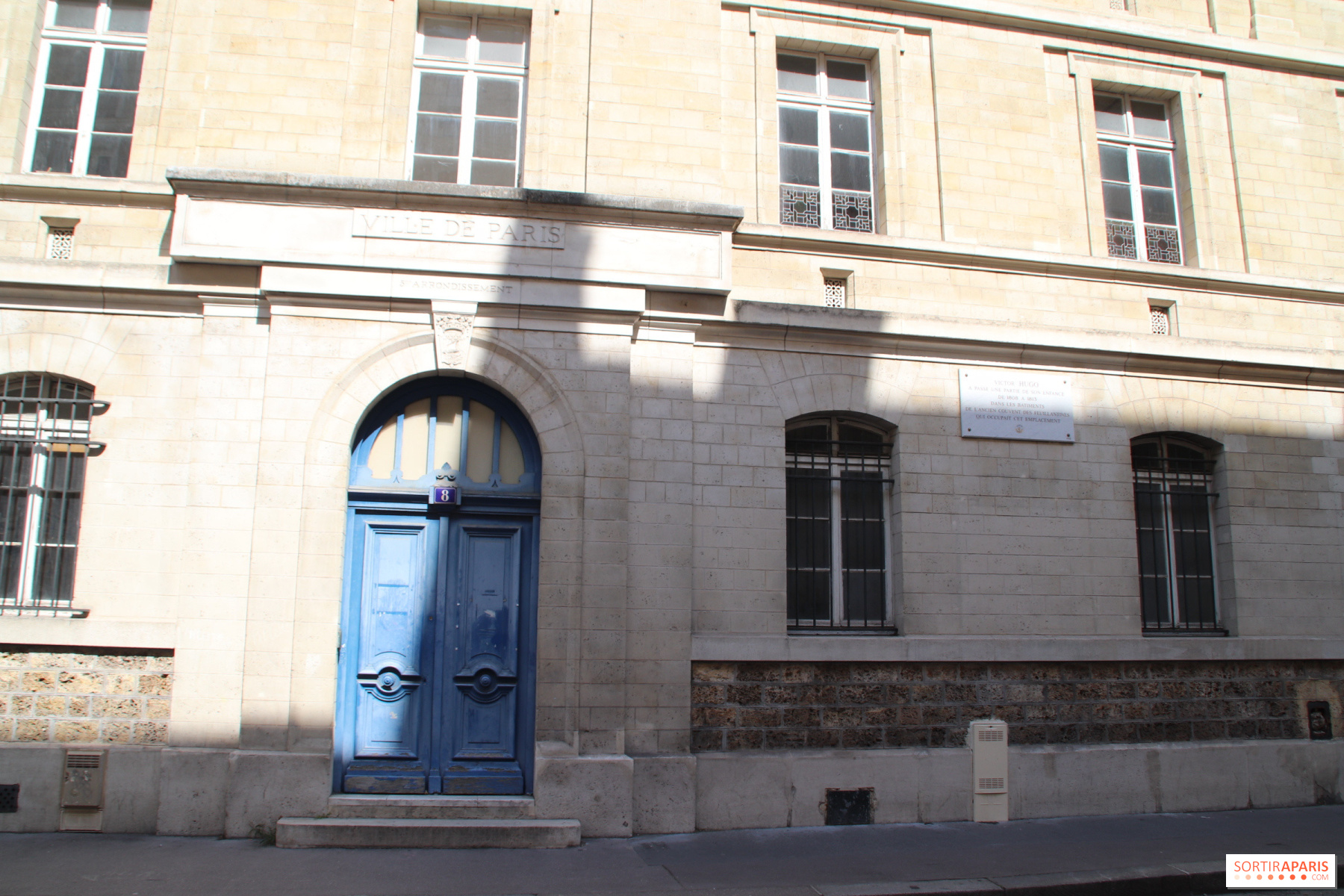
We begin our epic journey close to the Val-de-Grâce, on the outskirts of theformer Feuillantines convent, where the family of the young Victor Hugo rented an apartment from 1808 to 1813. A plaque on the building's façade explains the site's interest to passers-by. On our way, other plaques indicate the presence of a great man on these premises, Louis Pasteur, the great French scientist. We even pass Simone Veil on the way to our next destination.
RER B: Port-Royal
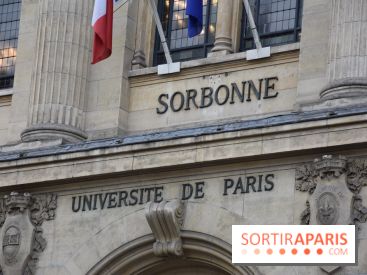
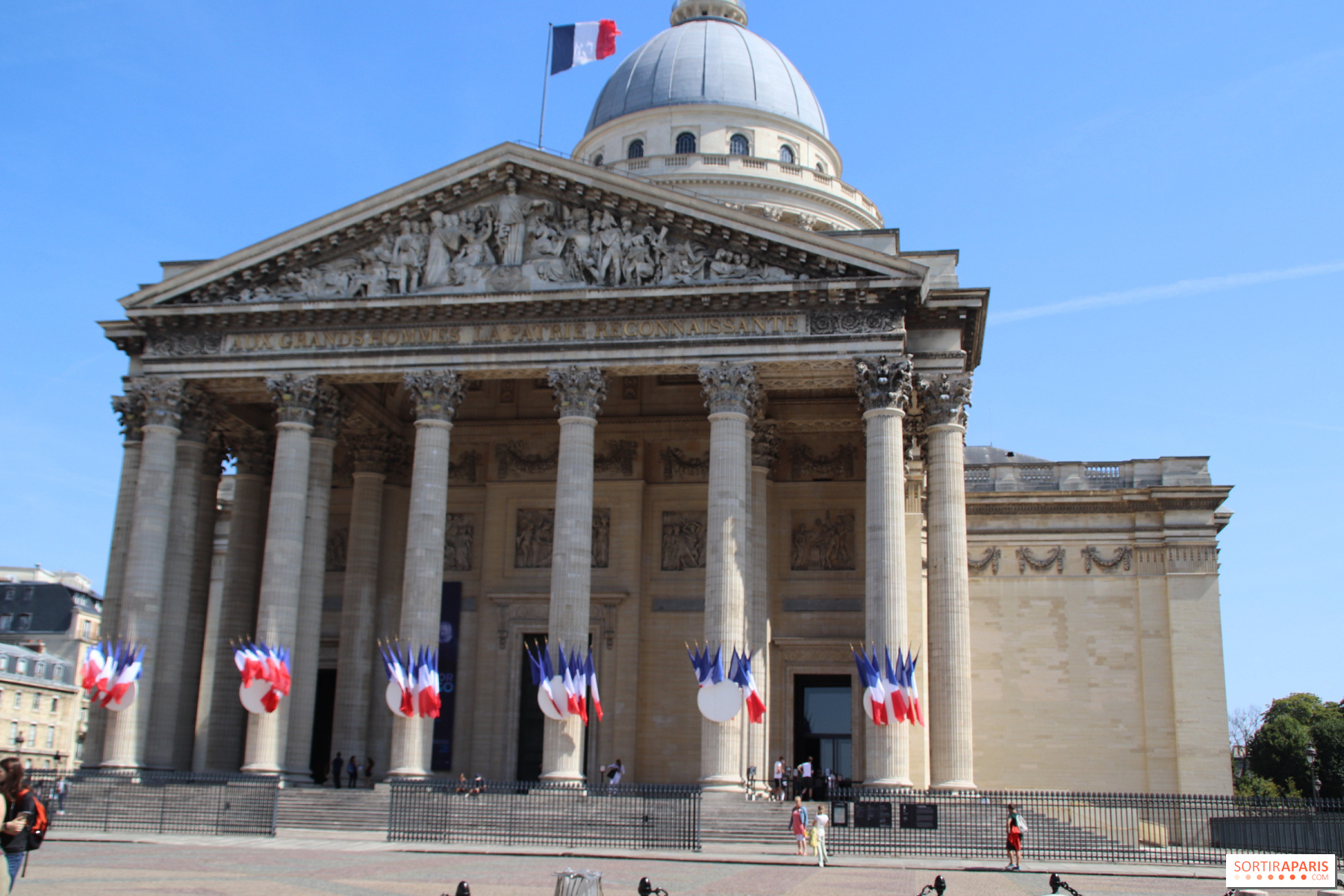
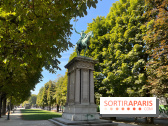
After a few minutes of walking, we arrive at the imposing Panthéon, final resting place of the Republic’s illustrious figures (and women), and thus of Victor Hugo. During your stroll you can take the opportunity to admire the architecture of the Quartier Latin and the many renowned buildings that surround the Panthéon: the mairie du 5e arrondissement, the Panthéon-Sorbonne University, the Bibliothèque Sainte-Geneviève, or the église Saint-Etienne-du-Mont.
The Pantheon in Paris: prices, opening hours, tour and history of this emblematic monument
The Paris Pantheon, an emblematic monument in the heart of the capital, reveals the history of France's great personalities. Originally a church dedicated to Sainte Geneviève, the Panthéon is open all year round, giving you the chance to discover its rich heritage and architectural secrets. [Read more]
RER B: Luxembourg
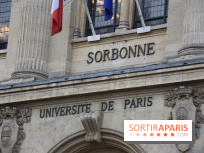
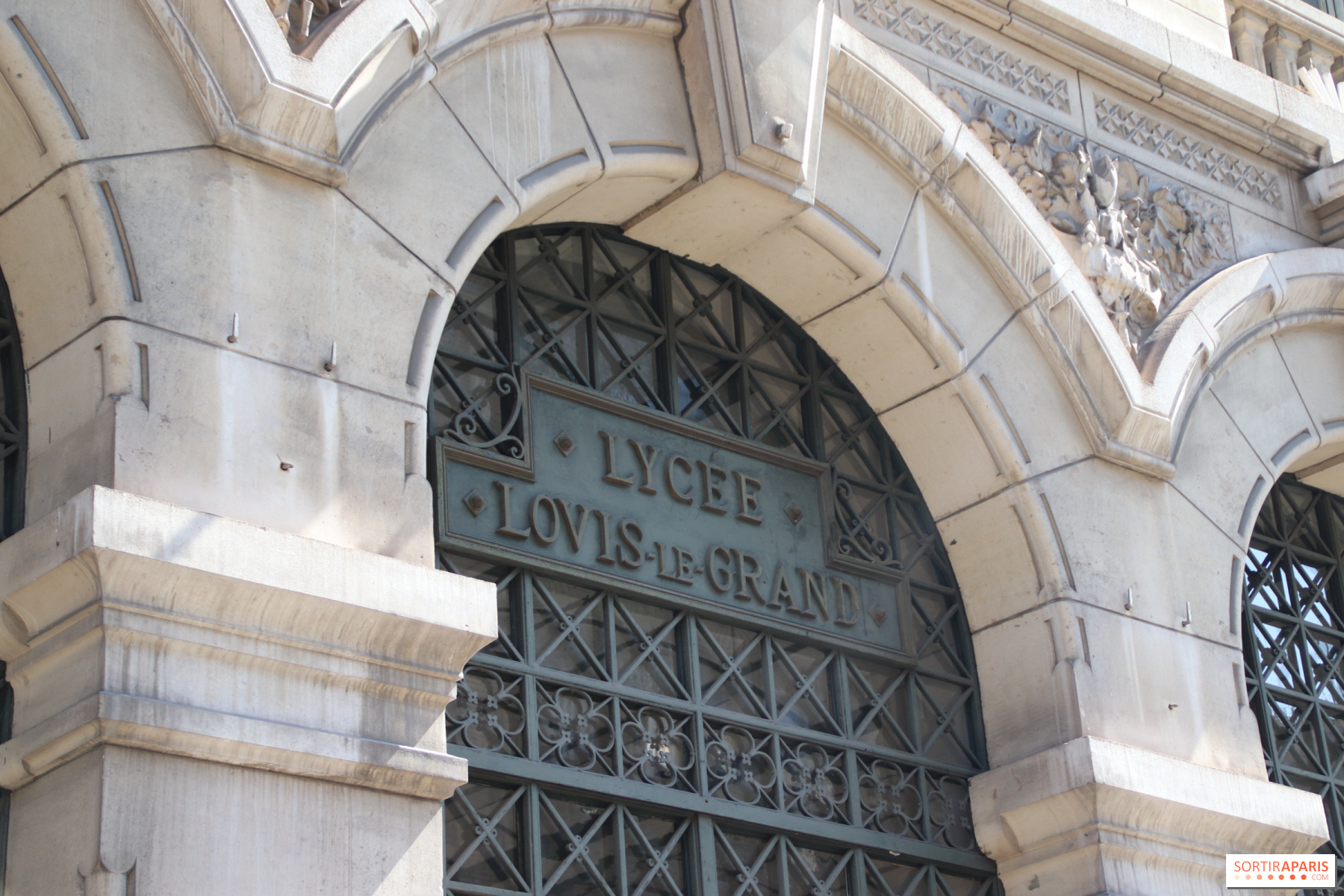
A little further on, opposite Paris-Sorbonne University, is the Lycée Louis-le-Grand, where Victor Hugo attended preparatory classes in mathematics, before making a radical switch to the literary arts. A significant decision, as Voltaire and Molière had studied here before him.
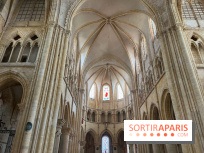
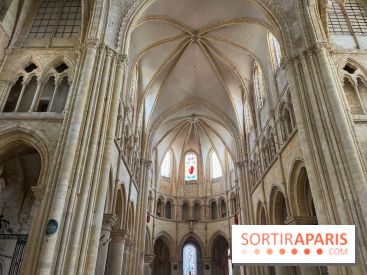
In just a few metro stops, we reach the magnificent Saint-Sulpice Church. The 12 October 1822, Victor Hugo marries in this sacred place Adèle Foucher, his childhood friend. Four children would be born from this marriage and their life together would last nearly forty-six years, despite a few disputes within the couple.
The Eglise Saint-Sulpice is undoubtedly one of the most beautiful in Paris, and the second largest church in the city after Notre-Dame-de-Paris. It's well worth an extended detour! [Read more]

Metro 10: Mabillon
Let's take a detour to nearby Rue du Dragon. A new plaque indicates Victor Hugo's presence at number 30, in the little garret at the very top, in 1821. He wrote several works in this little room, including his first collection "Odes et Ballades", published in June 1822.

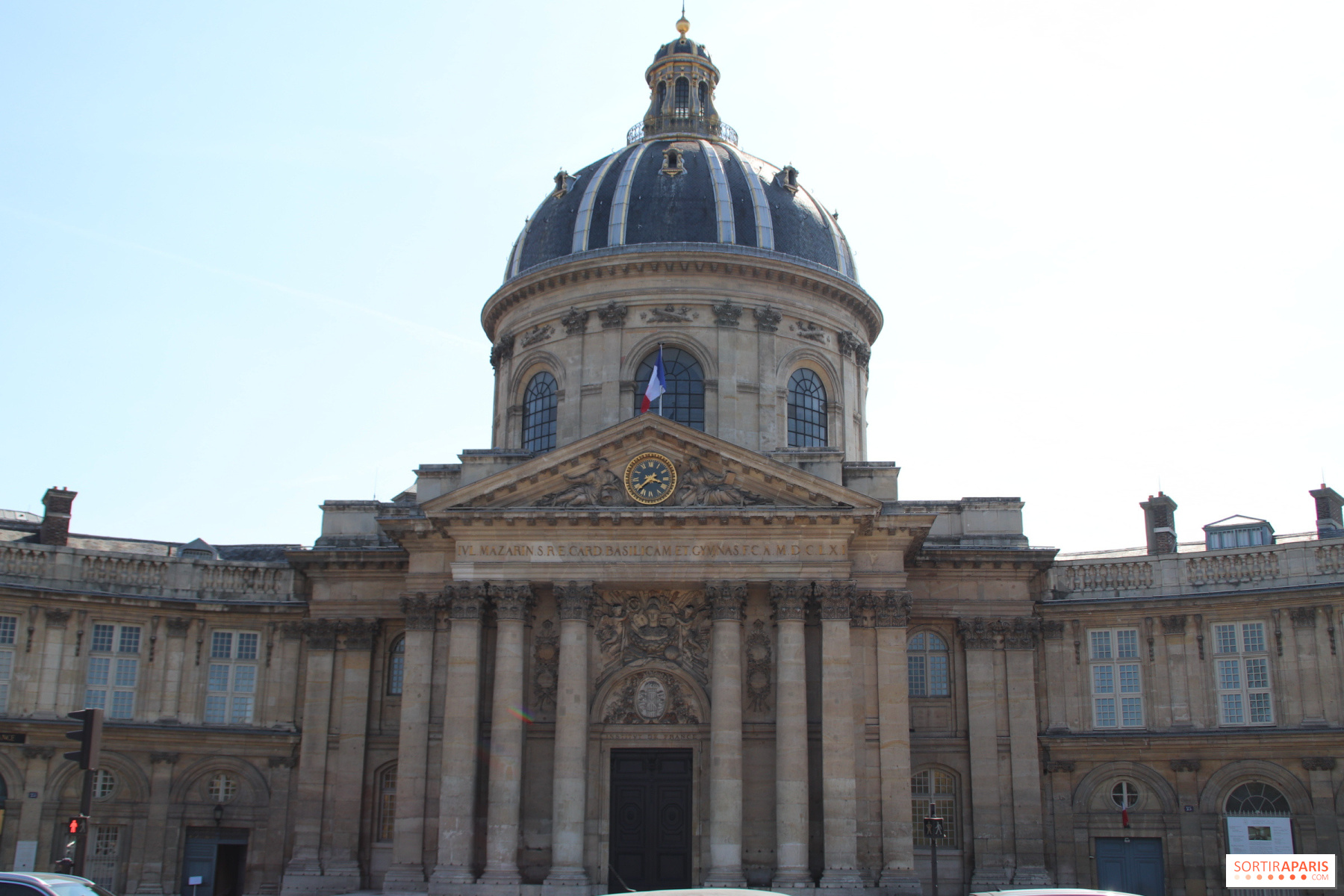
A ten-minute walk later, as you head back up towards the Seine, you can admire theAcadémie française. A landmark of French literature, it is located just in front of the Pont des Arts. Victor Hugo's association with this emblematic place began early. When he was just fifteen, he entered a poetry contest that he came close to winning, but the Académie believed it to be a hoax. Much later, on January 7, 1841, after three unsuccessful attempts due to his opponents, Victor Hugo was elected to theAcadémie française, where he held chair no. 14.
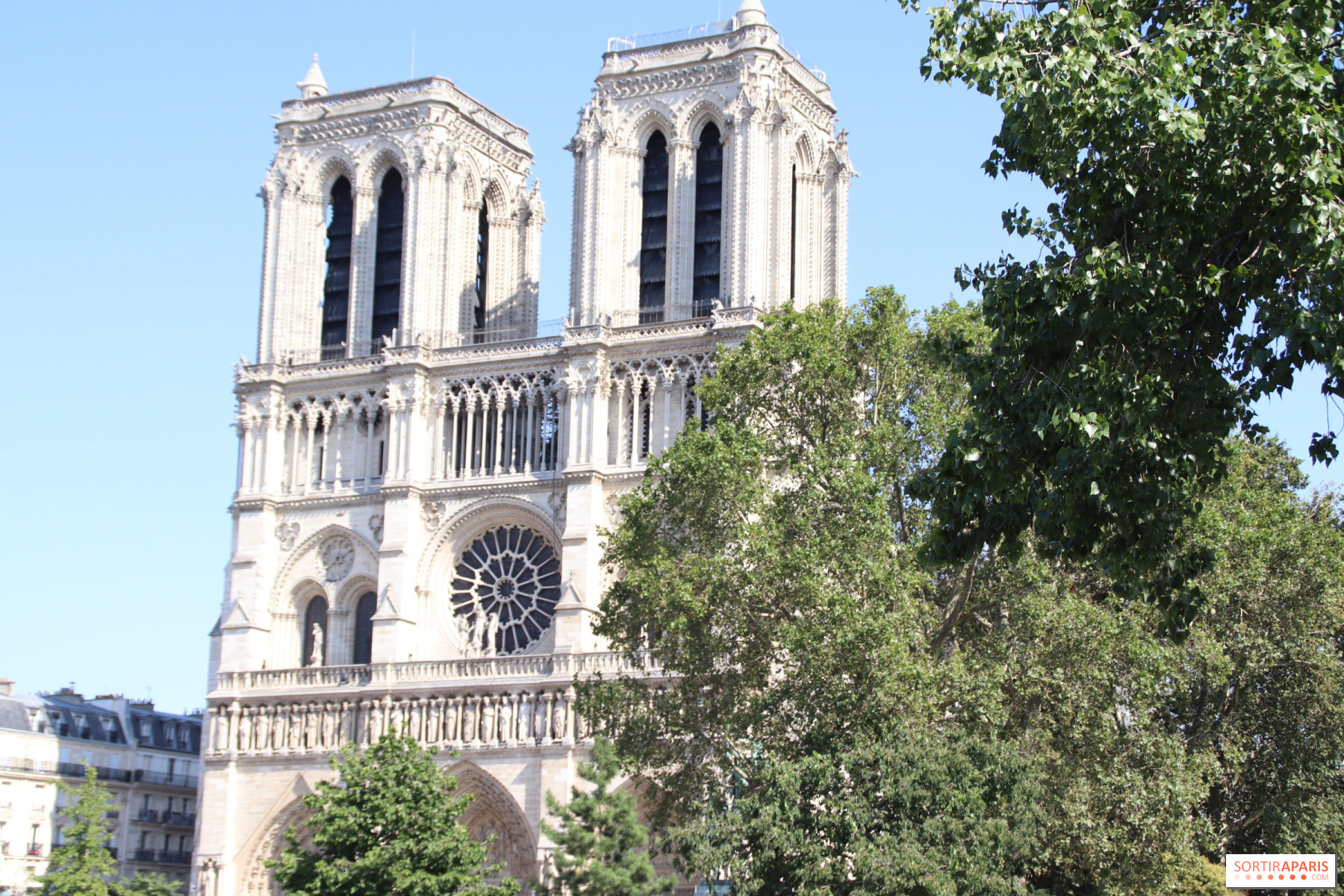
To reach the spot in front of the Parisian cathedral undergoing restoration, soak in the calm of Île de la Cité. Even after the blaze that gutted Notre-Dame’s roof, the facade still radiates with its original splendor. This historic monument in the capital inspired Victor Hugo for his most iconic work, published in 1831.
With its thirteen million visitors a year, Notre-Dame de Paris cathedral is one of the capital's must-sees. A place of worship as well as a monument, it has witnessed the history of Paris since its construction. Since December 8, 2024, the monument is once again accessible. With reservations, year-round concerts and suggested tours, discover all the information you need to prepare your visit to this emblem of Paris, ready to welcome the world. [Read more]
Metro 4: Cité
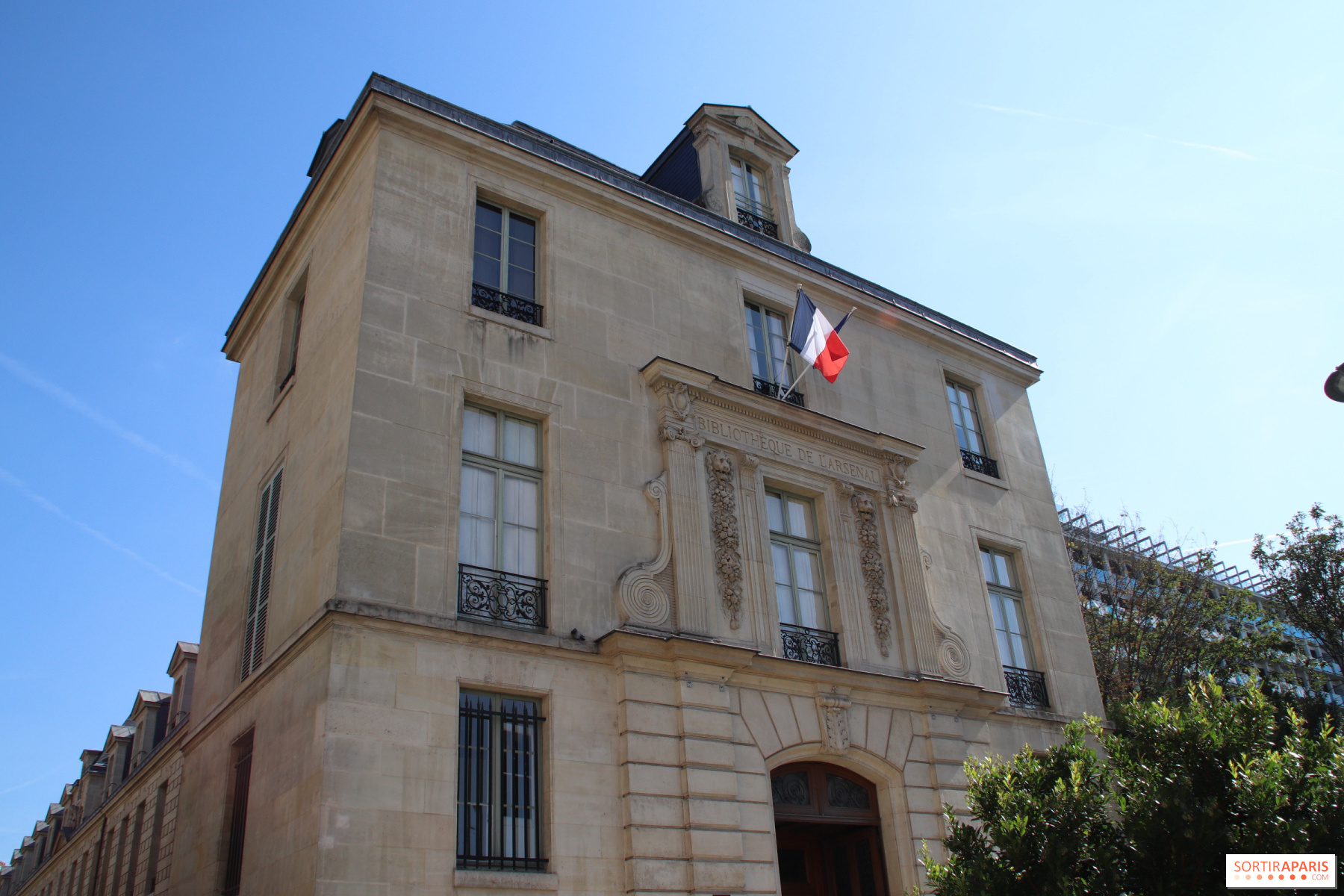
Crossing theÎle Saint-Louis, you'll find the Bibliothèque de l'Arsenal, part of the Bibliothèque nationale de France. Charles Nodier, who was its librarian, was also a friend of Victor Hugo. It became the headquarters of the Cénacle and the cradle of Romanticism, from which the young writer drew many influences and ideas.
Metro 7: Sully-Morland
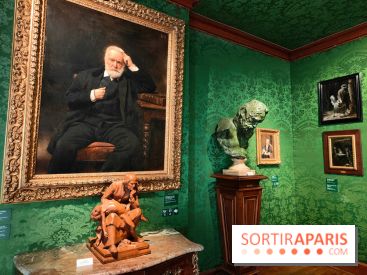
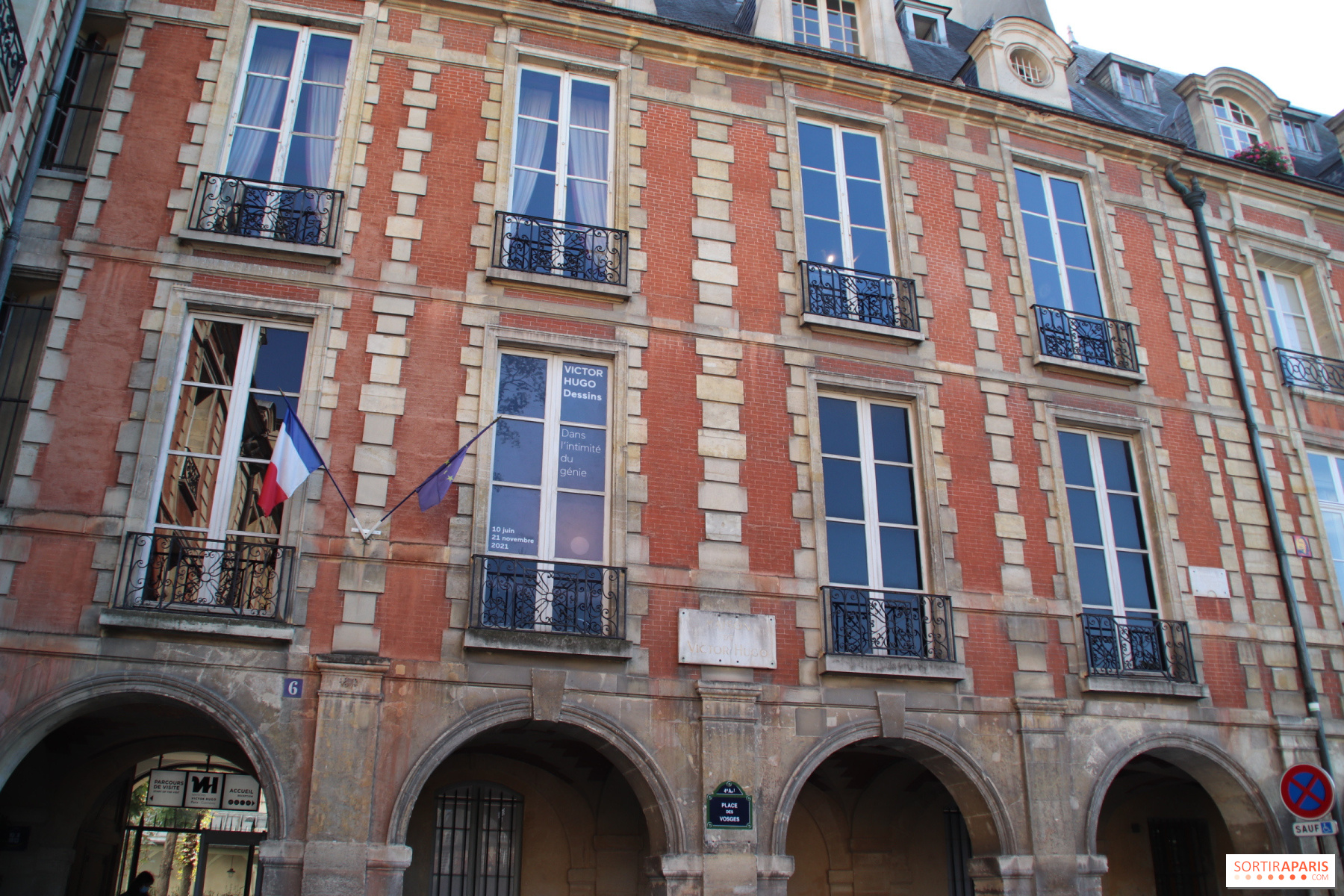
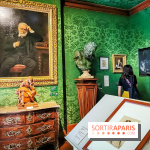
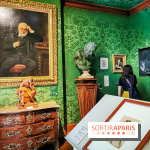
The Victor Hugo House, located at 6 Place des Vosges in Paris, was his home for sixteen years, from 1832 to 1848, and was later transformed into a museum by his friend Paul Meurice. Inaugurated in 1903, the museum is today run by the City of Paris. Victor Hugo would write in his apartment at the hotel de Rohan-Guémené, producing a portion of his greatest works and hosting his writer friends, including Balzac and Lamartine.
La Maison de Victor Hugo is hidden in Place des Vosges, in the heart of Paris. This museum dedicated to the most famous of French authors lets visitors step into the apartment where the artist and his family lived, as well as into his artistic universe. [Read more]
Metro 1: Bastille
The metro takes us right past the Comédie française, where the play Hernani was performed on February 25, 1830. It was a famous premiere, as the Romantics and old-timers in the room soon began to quarrel over the play. The battle went down in literary history as the"Battle of Hernani", and marked the success of the play and its posterity. He would go on to present many other works at this legendary theatrical venue, before setting up his own theater, the Théâtre de la Renaissance, with Alexandre Dumas, in 1836.
The Comédie Francaise, founded over three centuries ago, is a French cultural institution. Since 1799, it has been located in the heart of Paris, at the Palais-Royal station in the 1st arrondissement. [Read more]
Metro 1: Palais Royal - Musée du Louvre
A staunch defender of the Republic, Victor Hugo became mayor of Paris's 8th arrondissement on February 25, 1848. A member of parliament under the Second Republic, he faced many disappointments in his political career, and ended up in exile for 19 years, having become an opponent of the powers that be.
Metro 3 : Europe
After a few hours, we end our historical walk in the footsteps of Victor Hugo at the place where he died. He died on May 22, 1885, in his private mansion on the avenue that bears his name. Although there are many places dedicated to him, theavenue Victor Hugo was named after him during his lifetime, in 1881.A sculpture of the writer can be seen on the pediment of the building.
Did you know that Victor Hugo once resided on a Parisian street that was already named after him during his lifetime? This surprising detail highlights the immense esteem in which the writer was held in his era. Let’s take a closer look at a lesser-known slice of Paris's literary history. [Read more]
Metro 2: Victor Hugo
So, are you ready to follow in the footsteps of one of France's greatest writers?
Please note that it's been over 4 years since our last visit, so the place and experience may have changed.
Prices
Free
Average duration
3 h




































 The Pantheon in Paris: prices, opening hours, tour and history of this emblematic monument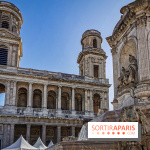
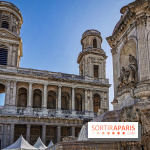
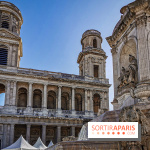
 The Saint-Sulpice Church, Paris's second-largest church, located in the Odéon neighborhood


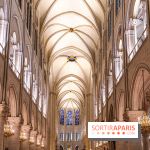 All you need to know about Notre-Dame de Paris: opening hours, tours, reservations, events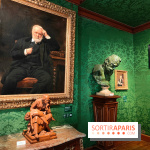
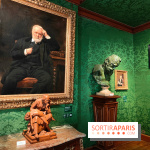
 La maison de Victor Hugo à Paris, une immersion artistique dans l'univers du célèbre écrivain français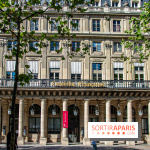
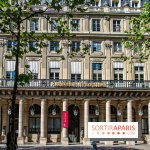
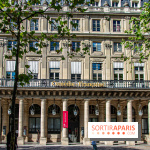
 The Comédie-Française, a theatrical institution in Paris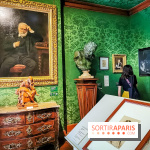
 Did you know? Victor Hugo once lived on an avenue in Paris that already bore his name during his lifetime.