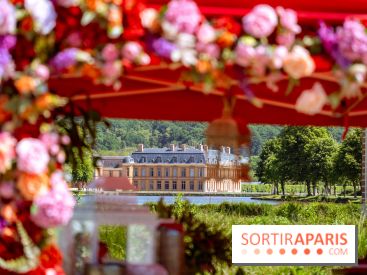
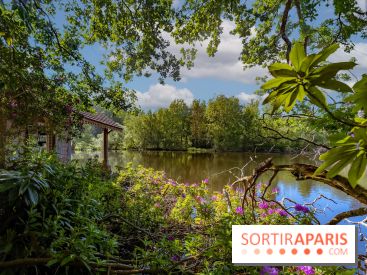
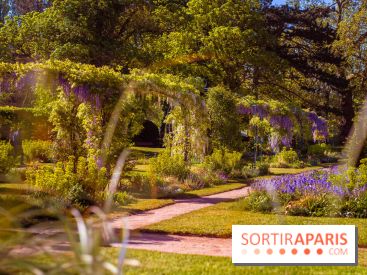
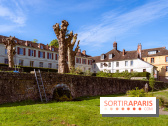
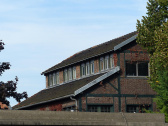
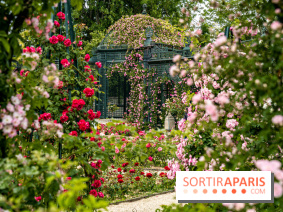
Located in Versailles, on the edge of the Petit Trianon estate, the Hameau is an architectural marvel commissioned by Marie-Antoinette from her architect Richard Mique. During a period influenced by Jean-Jacques Rousseau’s ideals of returning to nature, the Queen envisioned a private retreat to escape the stiff hierarchy of the Court. This fake village of twelve houses was more than just a set piece: it was a true working farm used to educate the royal children and supply the Queen’s table.
Did you know? To make the Hamlet look authentic, the Queen instructed the painters to cheat a little. They painted fake cracks on the walls, added artificial moss on the roofs, and manually chipped the bricks. This extravagant effort to create the illusion of aged authenticity was incredibly costly, all aimed at emphasizing the romantic and picturesque charm of the place, as if the village had been there for centuries.
Contrary to popular myth, Marie-Antoinette didn’t enjoy tending cows with golden horns. The Hameau was a model farm. It housed rare breeds of animals (Swiss cows, breeds of goats), featured a working mill that actually ground grain, and included gardens producing fruits and vegetables — all for royal banquets. It was a showcase of modern agriculture, ahead of its time.
From the outside, it appears to be a humble rural home. Inside, it was a haven of luxury. The Queen’s House housed a billiard room, a music salon, and opulently furnished apartments adorned with fine woodwork. Marie-Antoinette welcomed her close friends here for dinners where strict Versailles etiquette was set aside: no one got up when the Queen entered the room.
The Hamlet also harbors its share of mystery. Not far from the houses, there’s an artificial cave hidden beneath a rugged rock. It was the Queen’s favorite reading spot. Did you know? On October 5, 1789, precisely while she was sitting inside or near that cave, a messenger arrived to inform her that the people of Paris were marching on Versailles. She would never return there again.
After the French Revolution, the Hamlet fell into ruin. It was Napoleon I who saved the village by having it restored for his second wife, Marie-Louise. He even demolished the most dilapidated buildings, such as the barn and the dairy shed, leaving only the most solid structures. Without the Emperor, this intimate link to Marie Antoinette’s world might have disappeared forever.
Location
Château du Petit Trianon
Château de Versailles
78000 Versailles