You live in or regularly pass through the Yvelines without really knowing where that slightly mysterious name comes from? It’s fair to say that this Île-de-France department with the number 78, of which Versailles is the prefecture, could easily have been named differently—and the story behind its baptism is enough to spark curiosity. Between a two-millennia-old Latin, a nearly vanished forest, and a Versailles-born poet with a knack for elegance, we’ve got the full tale.
For nearly two centuries, this territory was simply known as Seine-et-Oise. The department was created in 1790 from part of the old Île-de-France province. It covered a vast administrative area that included towns such as Saint-Germain-en-Laye, Versailles, Mantes-la-Jolie or Rambouillet.
But as the 20th century wore on, Paris’s population boom made the old regional boundaries unwieldy to manage. Under the leadership of General de Gaulle, a law passed on July 10, 1964 reorganized the Paris region. The department of Seine-et-Oise was dissolved, giving rise primarily to the departments of Essonne, Val-d'Oise, and Yvelines. The new department officially came into being on January 1, 1968, retaining the 78 code from its predecessor; that is why vehicle license plates and postal codes in the area still bear this number today.
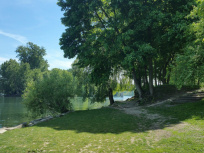
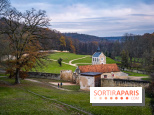
That's where history really becomes interesting. The department takes its name from the pays d'Yveline (or Iveline), a designation that stems from an ancient forest of which Rambouillet is the last remnant. A name that comes from the Latin Sylva aequilina, literally "forêt gorgée d'eau". This great wooded massif would have covered much of the territory in Roman times, crisscrossed by numerous rivers that had their sources there, hence the aquatic nickname.
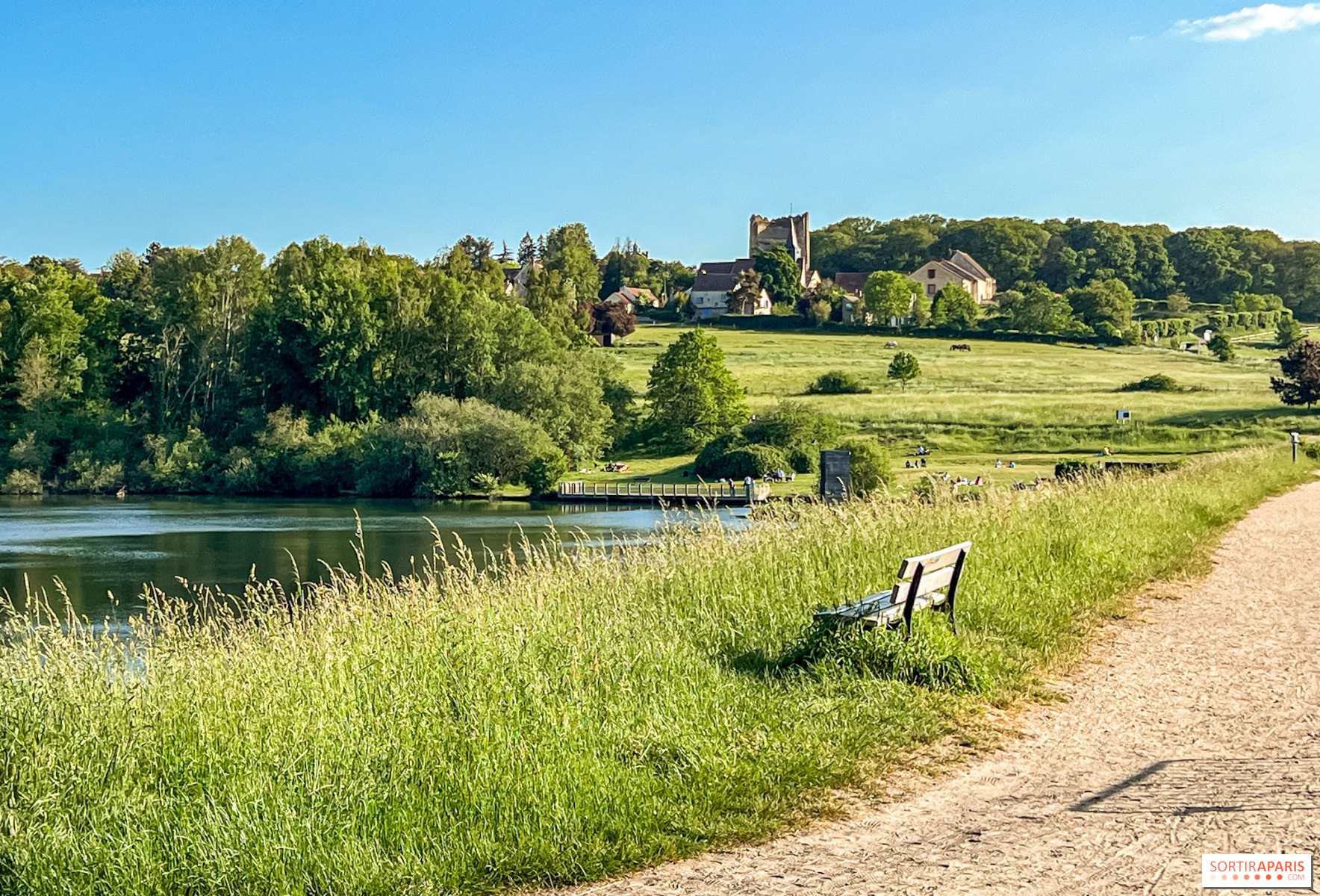
Over time, Aqua became ewe, then eve, and sometimes ive, giving rise to Iveline, later written with a y. A slow phonetic drift spanning several centuries, a shift one can perhaps also trace in the name of the nearby river Yvette, which winds through the Chevreuse valley. Today, the forest of Rambouillet stands as the sole tangible remnant of this ancient Yveline forest—an appealing reason to stroll there in a way you might not normally do.
It's a question we rarely ask, and yet the answer is delicious. When it came time to name the new department, several proposals clashed. Charles de Gaulle wanted the new department to be called Versailles, and Val de Seine was also put forward. We could very well have ended up living in a department named Versailles or Val de Seine—more predictable choices, to be fair.
It ends up being a Versailles-born poet, Jehan Despert, who settles the debate in his own way. He approaches his friend, the first president of the departmental council, Jean-Paul Palewski, and suggests the name Yvelines for the department, the same name borne by the Rambouillet forest, one of the region’s oldest. With an s in the plural, a choice he would later defend with a formula that became famous: With an s, Yvelines, it sounded richer.
This "s" also aims to illustrate the diversity of the territories that make up this vast department, from green valleys to agricultural plains, and including the royal towns. The name was adopted by the National Assembly in 1968, and a square named "des Yvelines - Jehan Despert" was inaugurated on October 9, 1997 in Saint-Quentin-en-Yvelines, at the border of Montigny-le-Bretonneux and Guyancourt, in tribute to the man who gave the department its identity.
Also worth discovering:
This page may contain AI-assisted elements, more information here.
Location
Yvelines
yvelines
Route planner