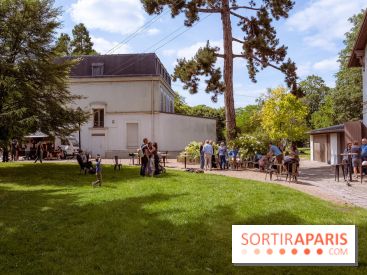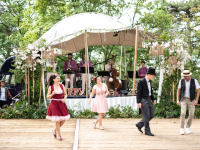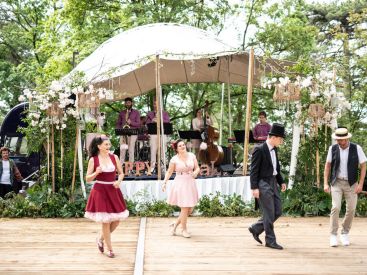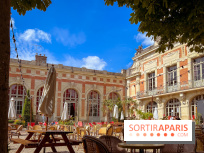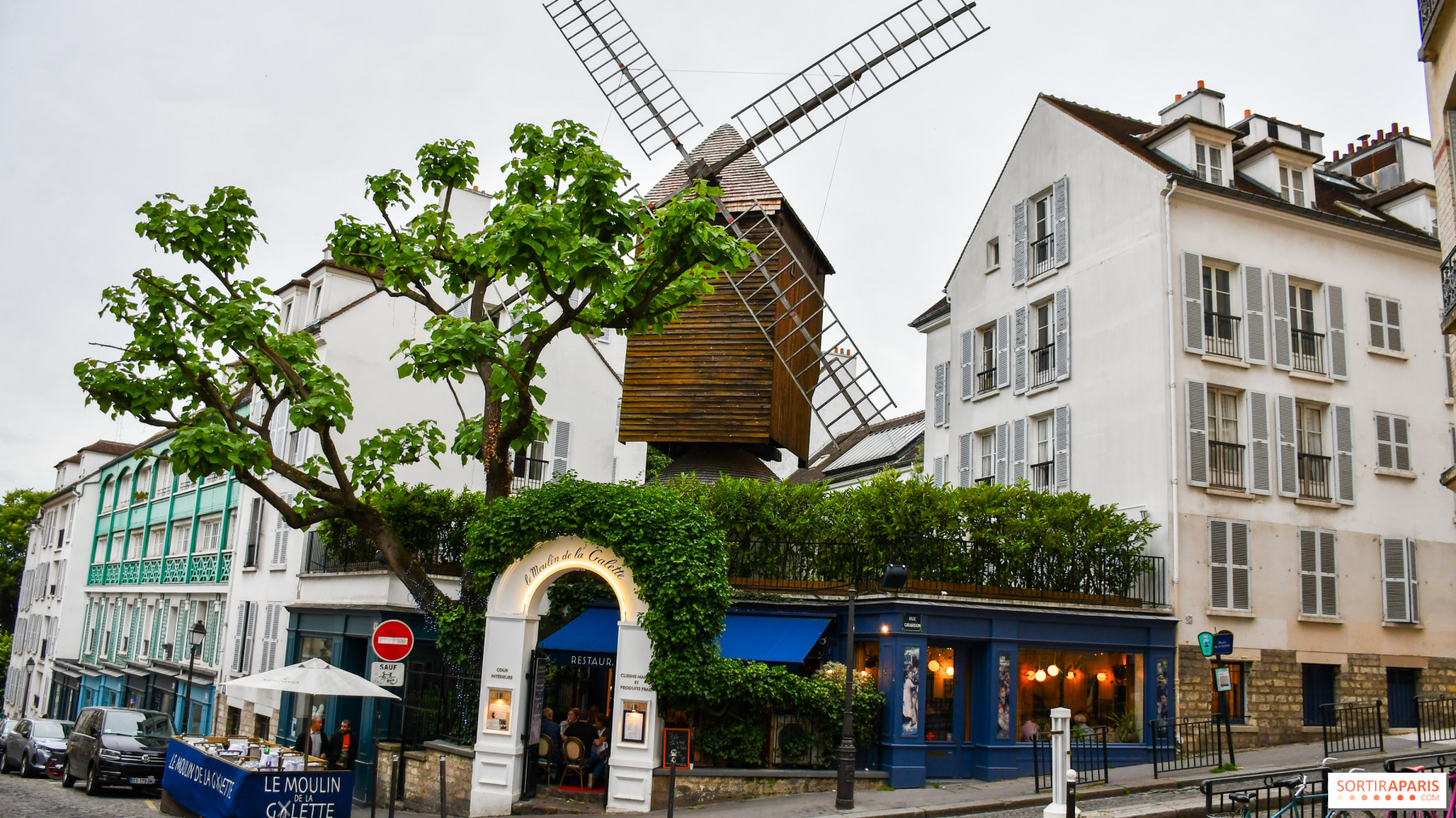
Montmartre, its staircases, its windmills, its popular balls... The Moulin de la Galette embodies it all. From the beginning of the 19ᵉ century, the Debrays, a family of millers, transformed the Butte's two mills, the Blute-fin and the Radet, into guinguettes, offering Parisians the pleasure of a glass of wine, a rye galette and a festive moment outside the city.
During the Belle Époque, it became an artistic meeting place, immortalized by Renoir and Van Gogh. Today, it may not be what it was then, but it remains a cultural landmark in the neighborhood, punctuated by surprising stories.
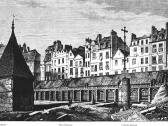
The site of the Montmartre mills is ancient, mentioned in writings as early as 1622. The Debray family acquired them in the early 19ᵉ century for flour production: the Blute-fin in 1809, named for the verb'bluter' meaning 'to sift flour', and the Radet in 1812, which was later emptied of its mechanisms and raised on the roof of a restaurant in the 1920s.
Around 1834, the Debray family transformed part of the land between the two mills into a guinguette, open on Sundays and feast days, offering Parisians bread and wine, as well as a place to dance and relax. The name"Moulin de la Galette" was officially adopted around 1895, after the rye galette the Debray family used to distribute when people came to enjoy the place - which during the week was reserved for milling activities.
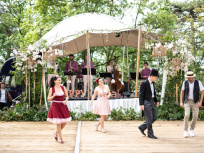
The guinguette at the Moulin de la Galette quickly became a meeting place not only for popular life, but also for the artists of the Butte. Paintings, balls, dancing, songs: all the elements of bohemia are to be found here. In 1876, Renoir painted Le Bal du Moulin de la Galette, one of the most famous pictures of the Impressionist period, capturing a Sunday afternoon in this lively spot.
Artists such as Van Gogh, Toulouse-Lautrec, Picasso and Steinlen passed through, attracted by the festive atmosphere, the light, the characters and the dances.
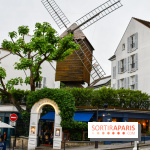
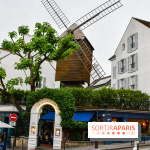
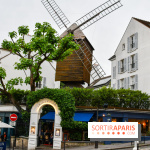
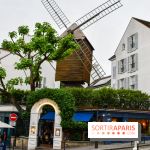
With the end of the milling industry, the Moulin de la Galette devoted itself entirely to entertainment. Today, the Blute-fin mill is no longer used for milling, but is part of Montmartre's architectural heritage. Listed as a historic monument since 1958, the mill is located on private property and is not open to the public.
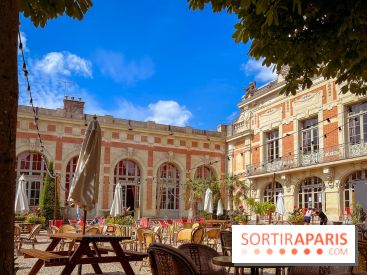
As for the Radet mill, it now serves as a decorative element on the roof of the restaurant Le Moulin de la Galette, and remains a popular stopover for tourists, a real way of stepping back in time.
The legendary addresses and historic sites of artistic and bohemian Montmartre
Perched high above Paris, Montmartre was the beating heart of artistic bohemia in the 19ᵉ and 20ᵉ centuries. Painters, poets and songwriters lived there freely between cabarets, studios and steep alleyways, leaving an eternal imprint on the soul of the capital. [Read more]
This page may contain AI-assisted elements, more information here.
Dates and Opening Time
Next days
Friday:
from 08:00 a.m. to 12:00 a.m.
Saturday:
from 08:00 a.m. to 12:00 a.m.
Sunday:
from 08:00 a.m. to 12:00 a.m.
Monday:
from 08:00 a.m. to 12:00 a.m.
Tuesday:
from 08:00 a.m. to 12:00 a.m.
Wednesday:
from 08:00 a.m. to 12:00 a.m.
Thursday:
from 08:00 a.m. to 12:00 a.m.
Location
Le Moulin de la Galette
83 Rue Lepic
75018 Paris 18
Route planner
Accessibility info
Official website
moulindelagaletteparis.com





















 The legendary addresses and historic sites of artistic and bohemian Montmartre