As soon as it opened by Rodolphe Salis at the foot of the Montmartre hill in November 1881, Le Chat Noir established itself as the cradle of modern cabaret in Paris. Far from being a simple café-concert, the venue quickly became a hotbed of creativity, combining painting, song, shadow theater and satirical revue.
In just fifteen years, this mythical, now defunct venue shaped the bohemian spirit of the City of Light, and even though it closed its doors after Salis's death in 1897, the Chat Noir continues to inspire artists from near and far.
At the outset, it was simply a modest space on Boulevard Rochechouart that welcomed poets, painters and songwriters, mixing words, songs and gritty wit in a pseudo-historical, slightly baroque and deliberately offbeat setting. Everyone comes to find this unique blend of provocation, satire and conviviality. In fact, Rodolphe Salis established a ritual right from the start: entrance was reserved for artists and poets, while military personnel and clergymen were readily turned away, reinforcing the idea of a space dedicated to creative freedom.
Soon, due to lack of space, the cabaret moved to a larger house on rue Victor-Massé - formerly rue de Laval. The décor was revised and improved, with stained-glass windows by Willette, ornaments by Caran d'Ache and a refined inn atmosphere. This was the birthplace of Georges Fragerolle's famous musical shadow plays. These inventive, poetic shows became one of the hallmarks of the place.
Le Chat Noir was home to a number of outstanding personalities: the poet and popular chansonnier Aristide Bruant, the illustrator of the iconic Tournée du Chat Noir poster (1896) Théophile Steinlen, as well as Paul Verlaine, Claude Debussy and Erik Satie. These evenings mixed political satire, gritty song, projected images and discussions on art and life, with a hint of festive provocation.
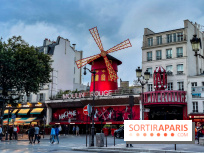
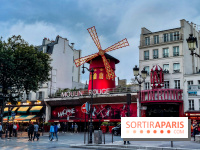
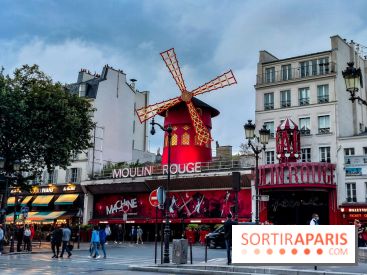
A few years later, the Chat Noir moved to Boulevard de Clichy, not far from the Moulin Rouge. The establishment continued to attract the artistic and intellectual Tout-Paris until Salis's death in 1897. After his death, the adventure fizzled out, the artists left and the cabaret closed shortly afterwards. Shortly afterwards, the venue became La Boîte à Fursy under the direction of chansonnier Henri Fursy. Part of Willette's original sign is preserved in the Musée Carnavalet, along with other cabaret artifacts.
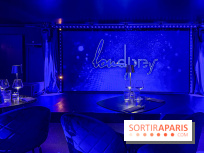
A bar-brasserie called Le Chat Noir now occupies the same historic address at 68 boulevard de Clichy. But this is by no means the historic cabaret, only a contemporary venue that reclaims and celebrates its name and artistic aura.
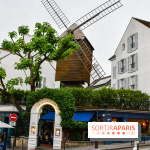
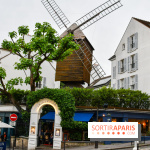
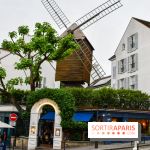
The legendary addresses and historic sites of artistic and bohemian Montmartre
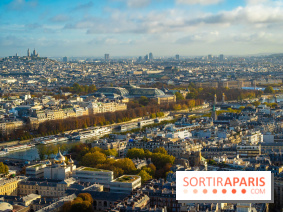
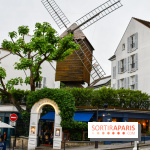
Perched high above Paris, Montmartre was the beating heart of artistic bohemia in the 19ᵉ and 20ᵉ centuries. Painters, poets and songwriters lived there freely between cabarets, studios and steep alleyways, leaving an eternal imprint on the soul of the capital. [Read more]
This page may contain AI-assisted elements, more information here.
Location
Montmartre
Montmartre
75018 Paris 18
Route planner
Accessibility info














 The legendary addresses and historic sites of artistic and bohemian Montmartre