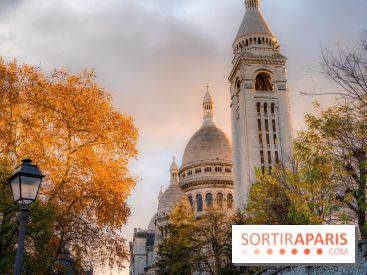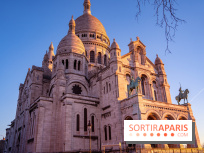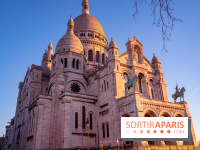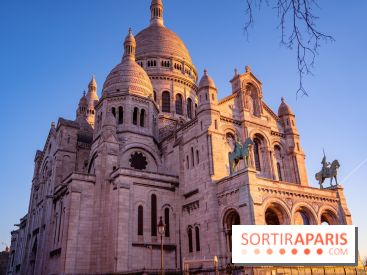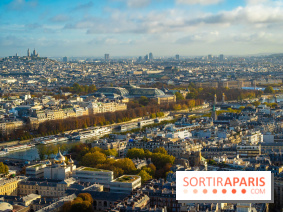
When you climb the hilltop of Montmartre, just a few steps along its cobbled streets are enough to feel the breath of an era when art seemed to spring up at every corner. Before it became a popular tourist area, Montmartre was a haven for free spirits, a laboratory of ideas and a bastion of the counter-culture.
At the end of the 19ᵉ century, this perched neighborhood north of Paris, still largely rural, attracted broke artists from all over France and even Europe. They lived simply, often without running water or heating, but with a rare freedom and an incomparable creative bubbling. It was in this unique atmosphere that the foundations of modern art were laid .
In the heart of bohemian Montmartre, the Bateau-Lavoir became a veritable myth. In this austere building, major figures of modernity such as Picasso, Modigliani, Apollinaire and Max Jacob shared walls and ideas. It was here that Cubism was born, in a cramped studio where canvases, poems and bottles of wine rubbed shoulders. A few streets up, the Lapin Agile welcomes the same artists in a wake-like atmosphere of song, laughter and improvised verse. The cabaret, still open today, retains its vibrant soul, made up of bursts of voices and shared silences.
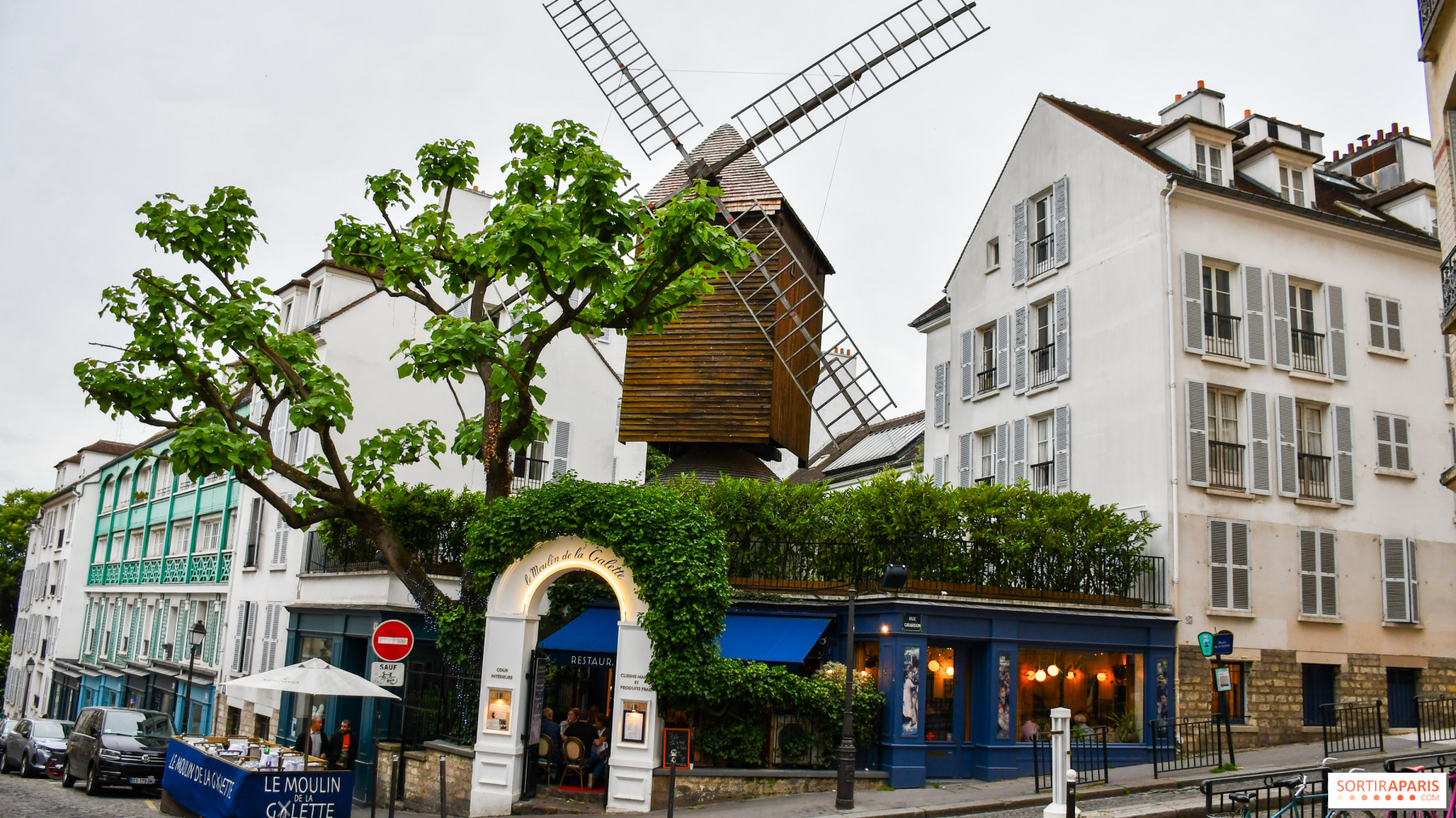
Montmartre was also a place of popular balls, high-rise guinguettes and windmills turned party places, such as the Moulin de la Galette, immortalized by Renoir and frequented by Toulouse-Lautrec and Van Gogh. On the sidewalks of rue Lepic and rue Norvins, painters in search of light and songwriters testing their refrains were just as common. Le Chat Noir, the cabaret founded by Rodolphe Salis, saw a colorful procession of poets, caricaturists, musicians and writers. This venue, a veritable stage before its time, mixed political satire, shadow theater and text-based songs, giving Montmartre its status as an artistic melting pot.
This Montmartre of bohemia, genius and misery was also a source of inspiration for poster artists and chroniclers. Henri de Toulouse-Lautrec was its sharp eye, drawing the red nights of the Moulin and the swaying silhouettes of La Goulue and Jane Avril. His works recount the evenings of drunkenness, the cries, laughter and tears that flowed behind the scenes, capturing the essence of a popular, free and often marginal Paris.
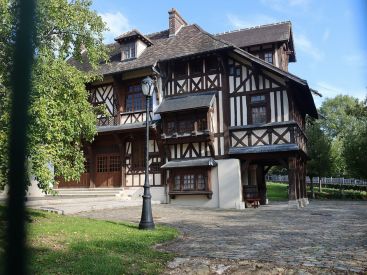
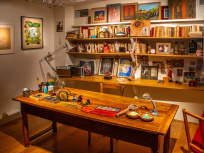
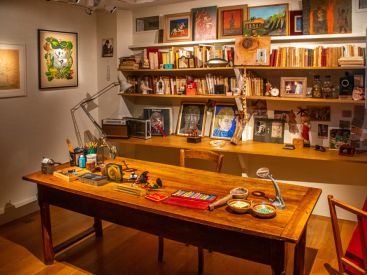
Today, although artists have deserted the studios for other neighborhoods, the charm remains. The walls of Montmartre still speak, commemorative plaques recall illustrious names, cabarets perpetuate their memory, and museums like the one in Montmartre tell the stories of yesterday through objects, paintings and letters. We come for the view, of course, but also for this unique atmosphere, suspended between celebration and creation, memory and emotion.
Here, we take a look back at a part of Paris where people came to dream without money, to paint by candlelight, to write verses for a free drink. A myth that continues to fascinate, not out of nostalgia but because it has shaped the very essence of the Parisian soul: irreverent, creative, enamored of beauty and freedom. A living memory to explore, step by step, in the footsteps of the giants who walked it.
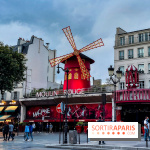
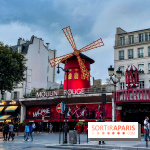
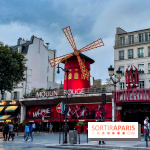
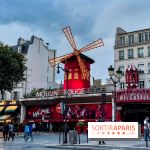 The Moulin Rouge, the fabulous epic of Montmartre's red cabaret
Opened in 1889 in Montmartre, the Moulin Rouge quickly became the temple of the French cancan and a Belle Époque meeting place for painters, stars and legendary dancers. Discover the history of this world-famous cabaret that embodies the spirit of Paris. [Read more]
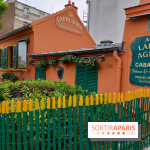
 Au Lapin Agile, a legendary cabaret in the heart of bohemian Montmartre
In Montmartre, Au Lapin Agile is the legendary cabaret where Brassens sang, Picasso drank and Apollinaire dreamed. A unique place that still perpetuates the free, bohemian spirit of the 18th arrondissement's Butte. [Read more]
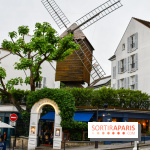
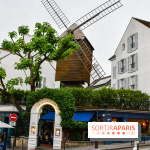
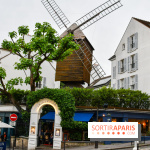
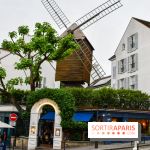 Le Moulin de la Galette, Montmartre's historic & artistic guinguette, now a restaurant
In the heart of Montmartre, the Moulin de la Galette was a historic guinguette, which became a mythical venue for Parisian bohemia. Painted by Renoir, frequented by Van Gogh and Toulouse-Lautrec, it survives today as a restaurant, a living vestige of old Paris. [Read more]
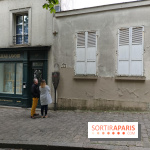
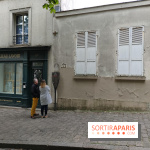
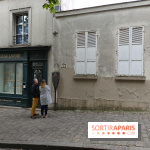
 Le Bateau Lavoir, Montmartre's modern art nest
Perched on a small square in Montmartre since 1904, the Bateau-Lavoir is a major creative center where Picasso, Modigliani and Apollinaire left their mark. [Read more]
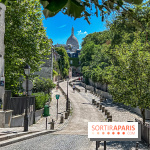
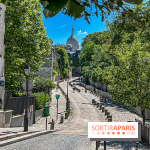
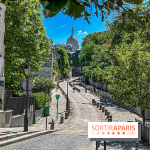
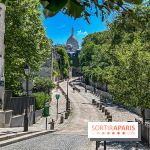 Le Chat Noir, when Montmartre invented the modern cabaret
Founded in 1881 in Montmartre, Le Chat Noir became one of the symbols of the artistic Belle-Époque, where poets, painters and chansonniers met. And although this mythical cabaret has now disappeared, its spirit lives on in the memory of Paris. [Read more]
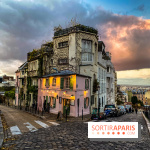

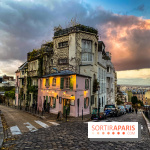
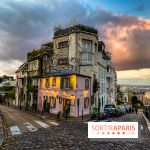 La Maison Rose, the must-see spot in Montmartre
La Maison Rose is one of the most popular spots in Montmartre that attracts the curious and the photographers. But behind this unusual façade is a neighborhood restaurant that has become iconic in Paris. [Read more]
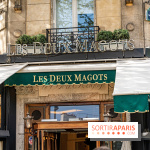
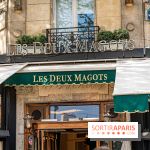
The legendary restaurants and cafés of artistic and literary Paris, historic addresses
Immerse yourself in the Paris of yesteryear, discovering the mythical and historic restaurants, bistros and cafés where artists, authors and intellectuals met. [Read more]
To unlock the secrets of Paris, follow in the footsteps of the greatest writers, musicians, painters, architects, couturiers and even historical figures who have visited the capital in their time. [Read more]
Location
Montmartre
Montmartre
75018 Paris 18
Route planner
Accessibility info








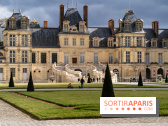






 The legendary restaurants and cafés of artistic and literary Paris, historic addresses
 Follow in the footsteps of the greatest writers, artists, architects and historical figures in Paris