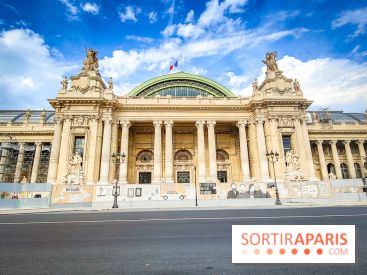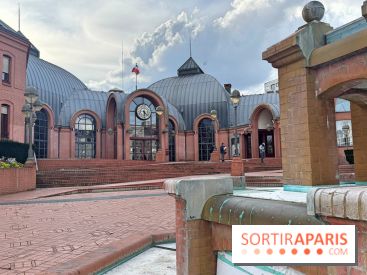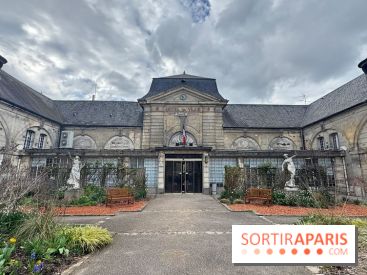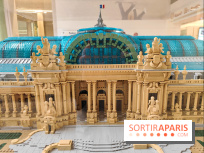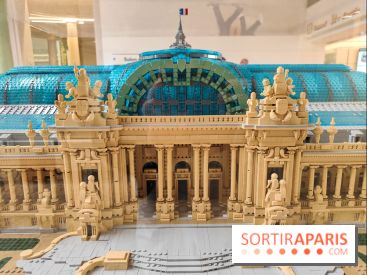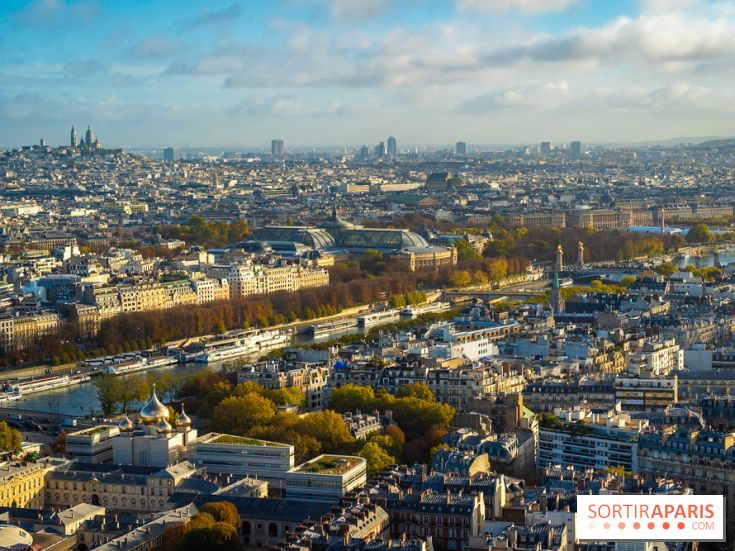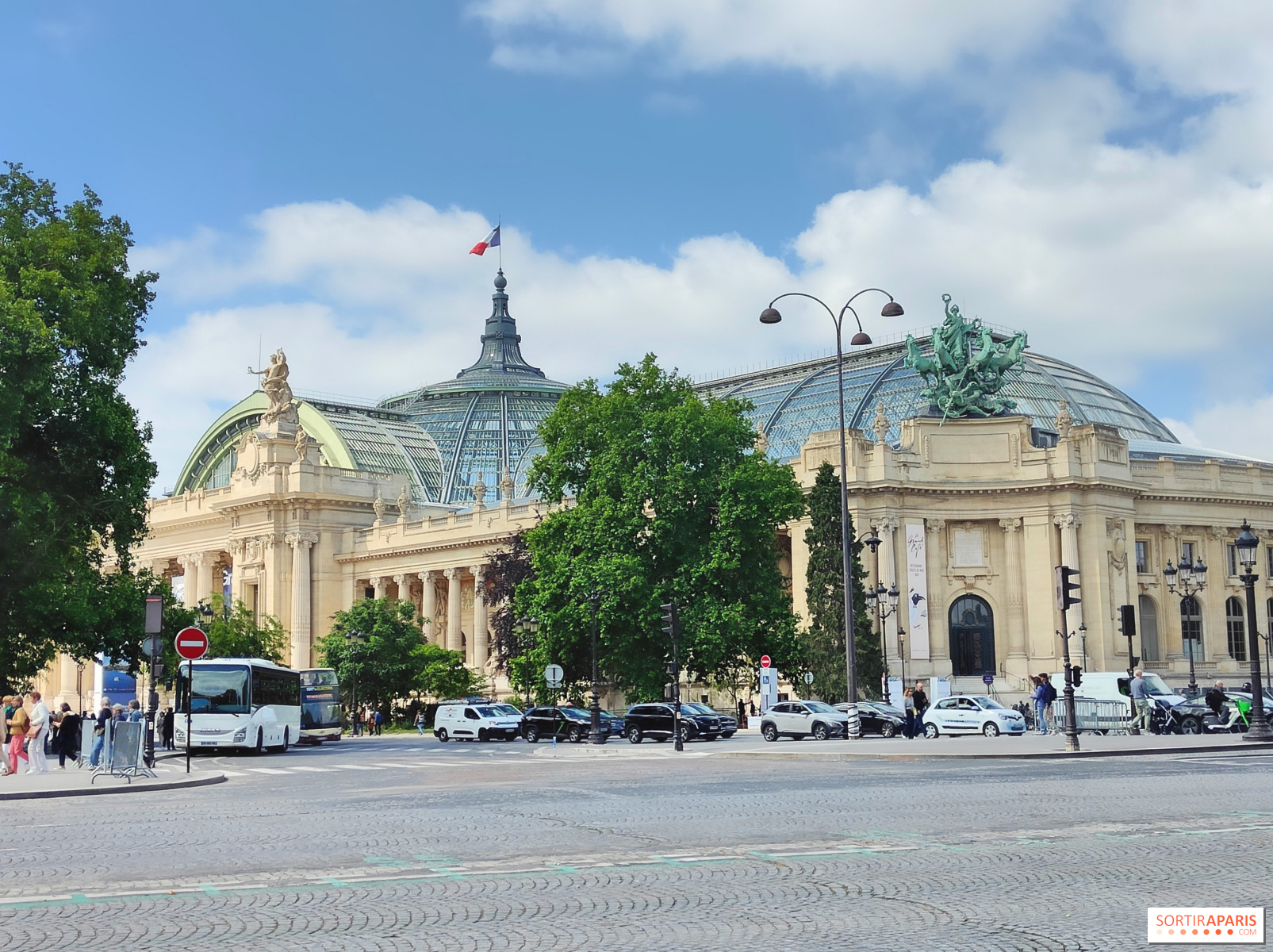
Today, when visiting the Grand Palais, just off the Champs‑Élysées, most people think of its grand exhibitions, fashion shows, or spectacular cultural events. But during World War I (1914–1918), this vast glass-covered building was repurposed as a military hospital, a role vastly different from the one we know today!
On August 2, 1914, just a day after France declared a general mobilization to prepare for war, the Grand Palais was requisitioned by the French Army. Initially used to gather troops and equipment, it quickly became clear that it could serve an even more urgent purpose: providing shelter and care for the many wounded soldiers during the early weeks of fighting.
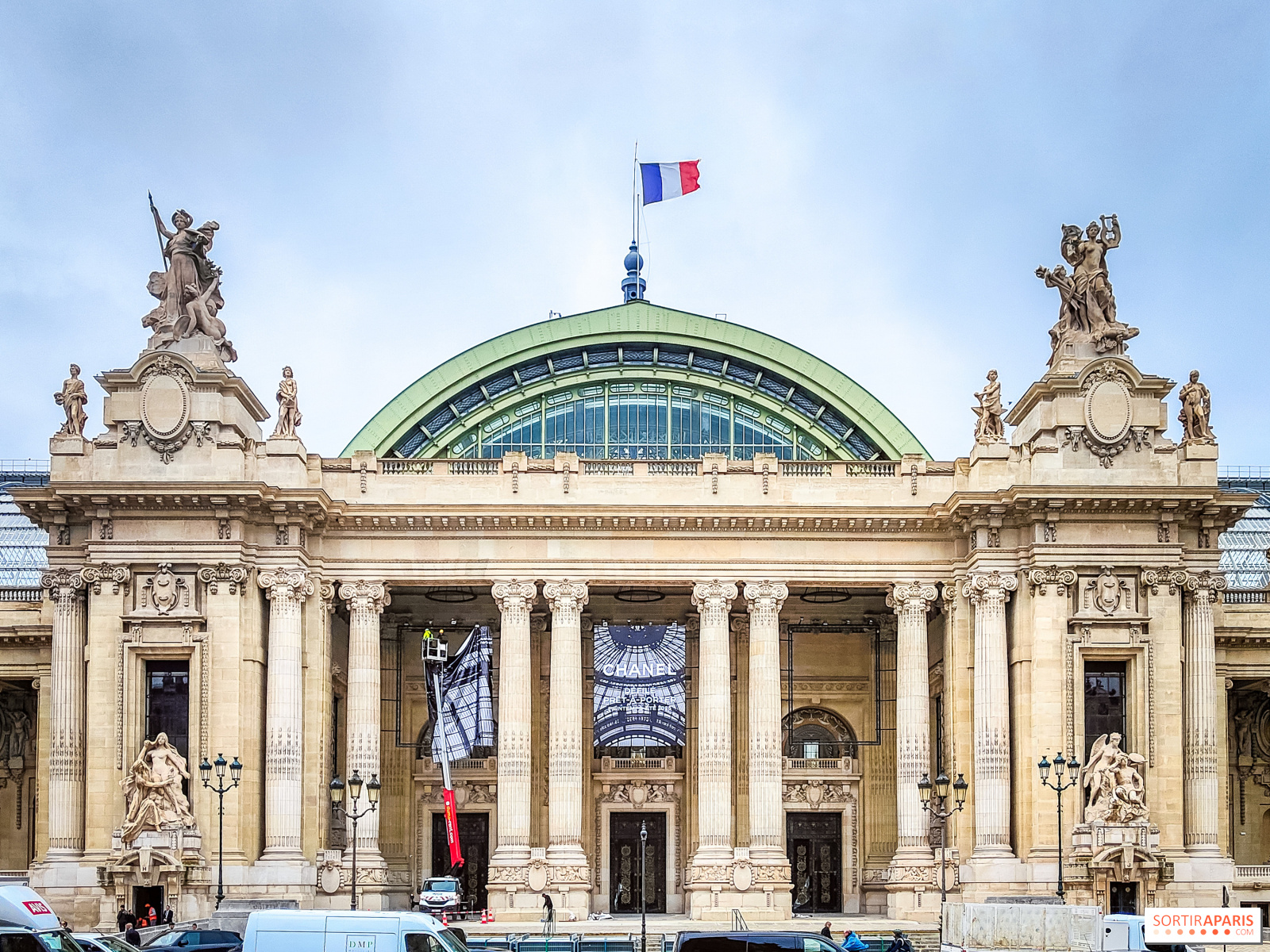
By September 1914, the Grand Palais was repurposed as a military hospital, its expansive halls converted into treatment rooms, makeshift operating theaters, dormitories, and rehabilitation workshops. It took just three weeks to set up beds, sanitation facilities, plumbing, and electrical systems beneath the vast glass roof of the palace.
The facility primarily received soldiers injured in the Battle of the Marne and other brutal clashes at the dawn of the war: infantrymen, artillerymen, and Zouaves often arrived by train or ambulance to be stabilized and treated.
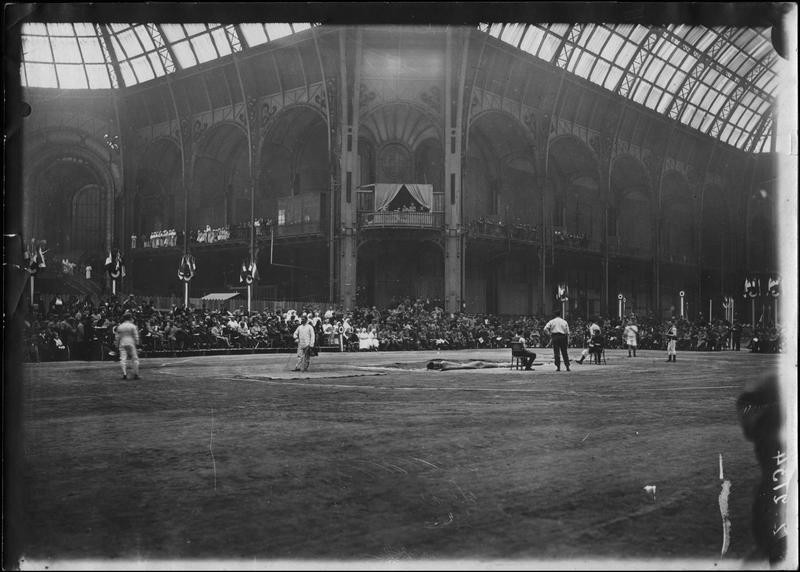
Led by Chief Physician René‑Charles Coppin, Grand Palais Hospital employed up to 400 staff members, including doctors, nurses, aides, and administrative personnel. The hospital even established specialized departments for rehabilitation and physiotherapy to help injured patients regain their mobility — a forward-thinking approach for the time.
The press of the time also mentioned the "white angels" — the volunteer nurses dedicated to comforting the soldiers — who became iconic symbols of the wartime effort.
A particularly unusual detail: during this period, several local artists who were not called to serve at the front were recruited to decorate hospital rooms or even create molds used in medical procedures, thus bridging the worlds of Parisian culture and the war effort.
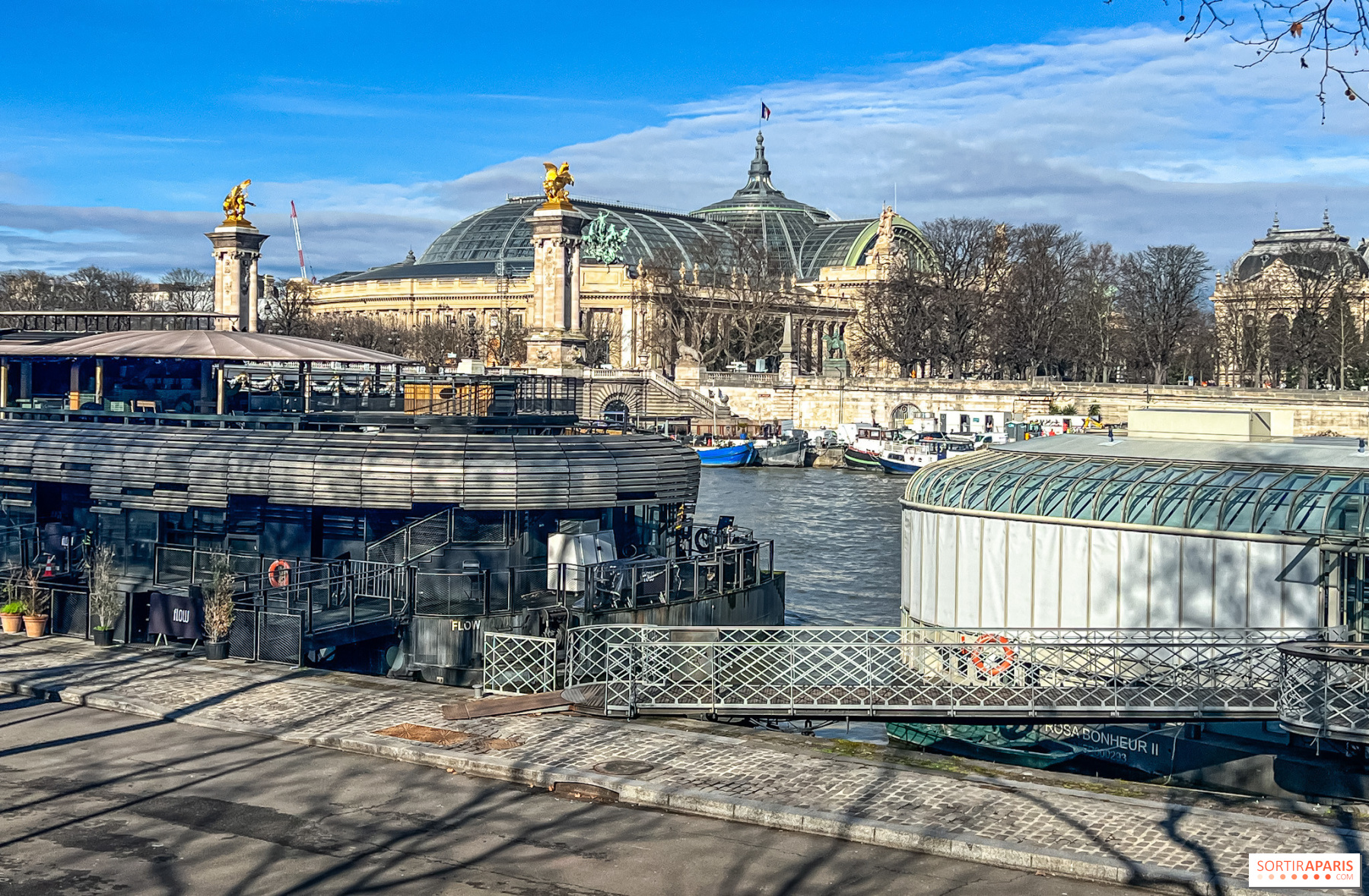
Following the Armistice of November 11, 1918, the Grand Palais began to clear out its patients: some were able to return to the front lines or go back home, while others were moved to other facilities. The military hospital closed its doors permanently in 1919, and the building gradually resumed its role as a cultural hub, hosting salons, exhibitions, and artistic events once again.
This page may contain AI-assisted elements, more information here.
Location
Grand Palais
3 Avenue du Général Eisenhower
75008 Paris 8
Route planner
Accessibility info
Access
M° Champs-Elysées Clemenceau