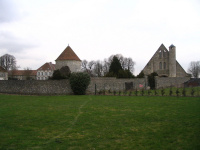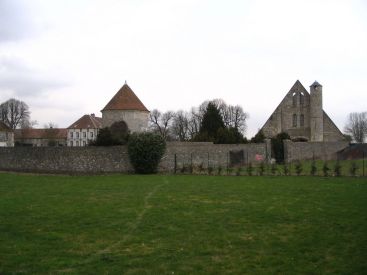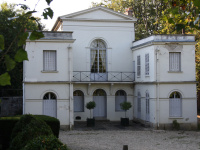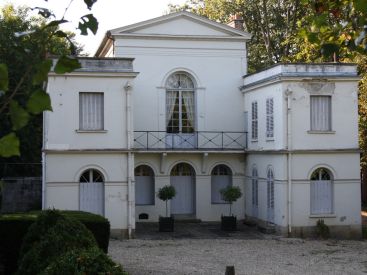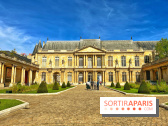
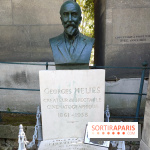
By the late 19th century, well before the glitz of Hollywood and its dazzling spotlights, Montreuil-sous-Bois became the backdrop for a groundbreaking invention. It’s here, right in the yard of his own home, that Georges Méliès established what is now recognized as the first true film studio. In this garden, transformed into a workshop of moving images, cinema shifted from merely depicting reality to beginning to craft stories.
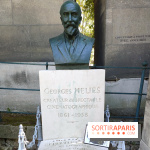
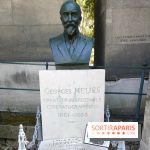
Walk in the footsteps of Georges Méliès in Paris, illusions, studios and toy store
Inventor of fairytale cinema, Georges Méliès shaped the imaginary world of 7ᵉ art from his Parisian dreams. Between Boulevard Saint-Martin, Montreuil and the museum dedicated to him, explore the places where the cinema magician lived, filmed and dreamed. [Read more]
Before becoming a filmmaker, Georges Méliès was a magician. As the director of Paris’s Robert-Houdin Theatre, he had already mastered the art of illusion and wonder. When he first encountered the cinematograph, he quickly realized that this new technology could take the enchantment of the stage to a whole new level.
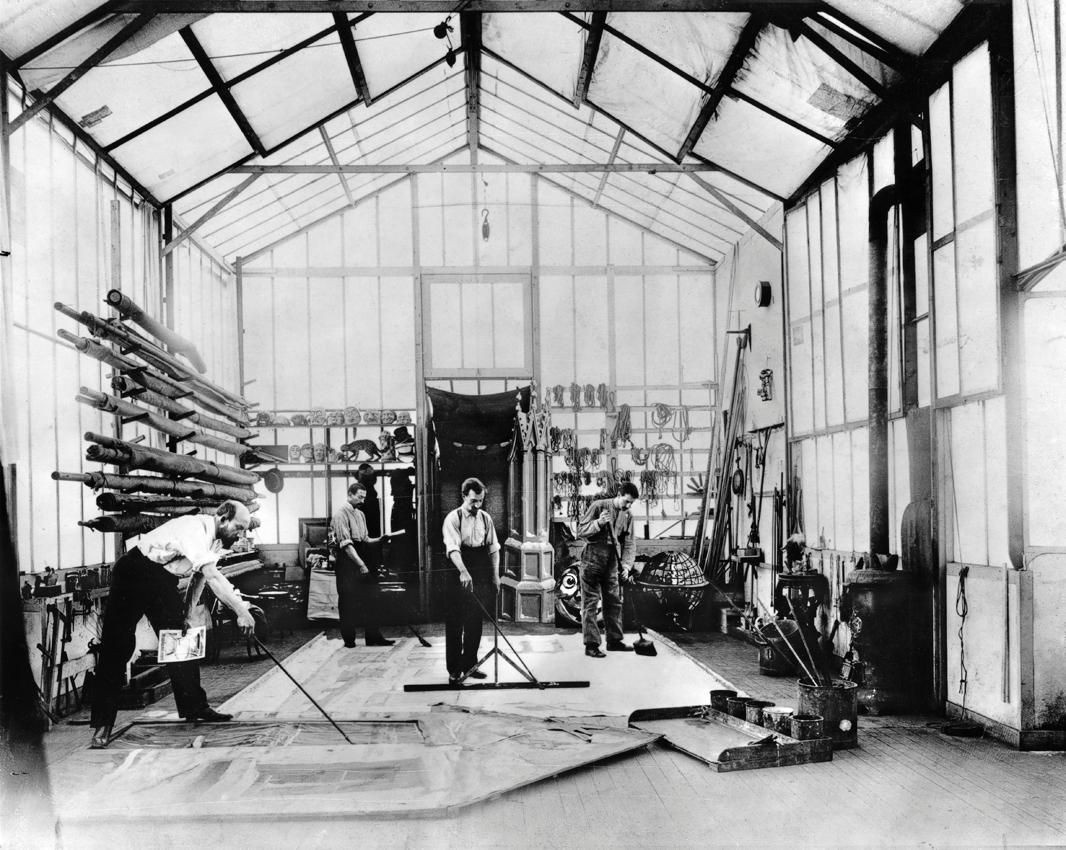
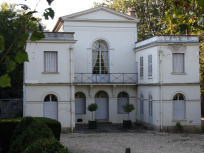
To work freely, he needed a space suited to his needs. In 1897, he settled in Montreuil and built a cinema studio in the garden of his property, located on rue François-Debergue. The studio, conceived by Méliès for his production company, Star Film, is quite remarkable: a structure with glass walls, inspired by greenhouses and photographic workshops. At a time when artificial lighting was still relatively weak, natural light was essential for filming.
Separate from the main house but situated on the same property, this building transforms into a true laboratory. Méliès uses it to set up painted backdrops, trapdoors, machinery, and props. It’s here that he shoots hundreds of films and pioneers the earliest cinematic special effects: camera stops, double exposures, and sudden disappearances.
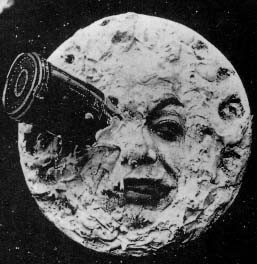
It is within this garden-studio that timeless masterpieces were born, including the iconic Le Voyage dans la Lune (1902). For the first time, cinema moved beyond simply capturing reality on film — it started inventing entire worlds, telling stories, and playing with the impossible. Thanks to Méliès, Montrouge became one of the earliest hubs of global filmmaking, drawing in technicians, actors, and curious spectators captivated by this revolutionary new art form.
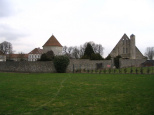
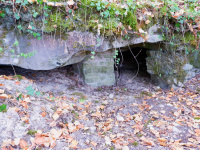
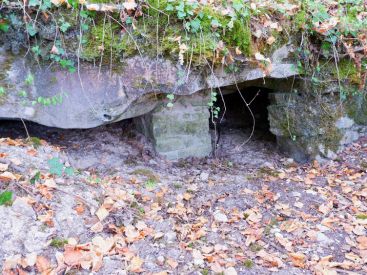
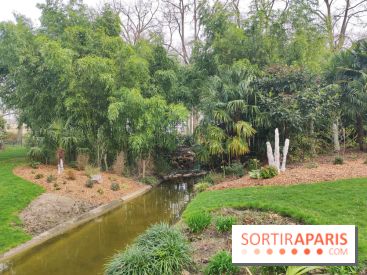
Georges Méliès’s studio ceased operations in the 1910s, a time when cinema was evolving and his films fell out of fashion. Long forgotten, this once vibrant studio garden has now reclaimed its place in the history of the seventh art. Today, the renowned studios of Georges Méliès are completely gone, lost to time and urban development. The glass buildings where he created his groundbreaking films no longer exist, and there are no intact architectural remains of his filming workshops left behind.
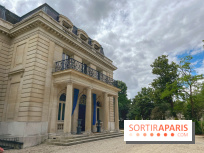
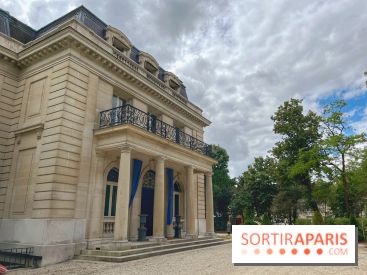
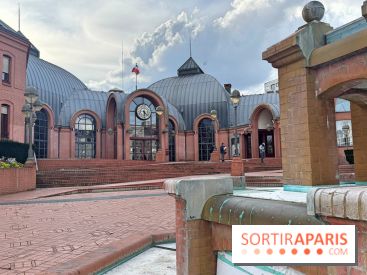
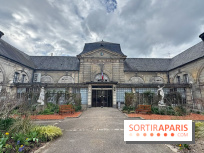
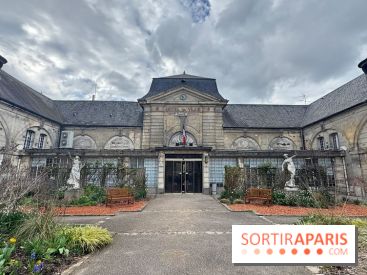
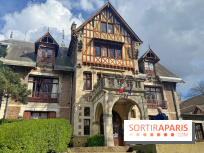
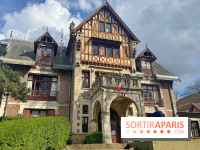
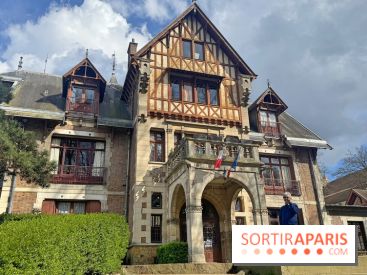
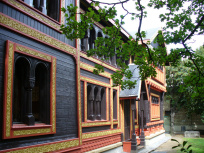
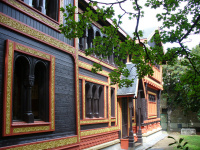
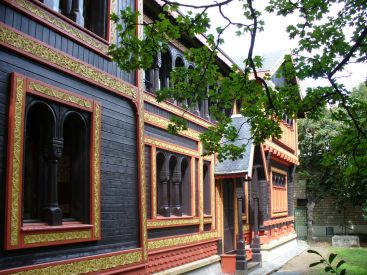
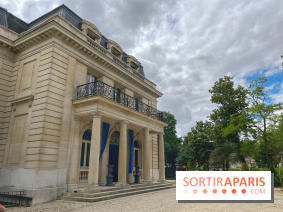
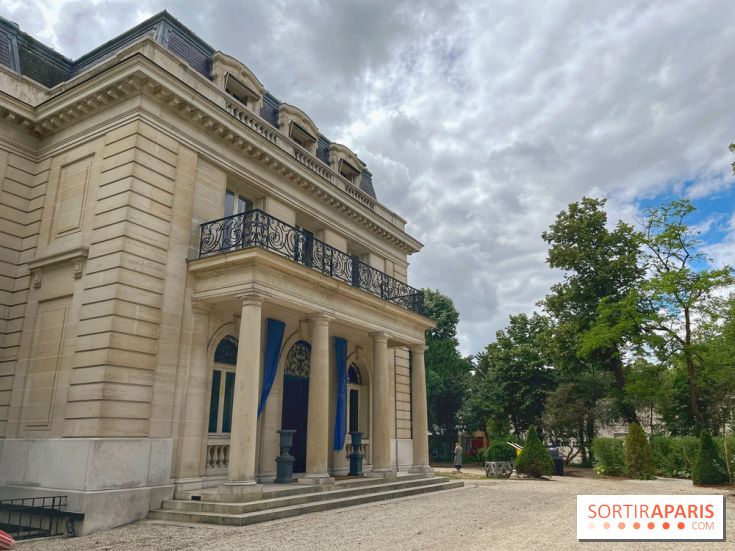
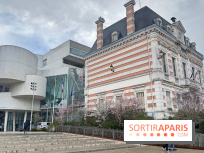
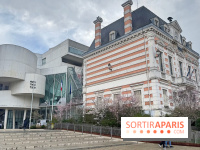
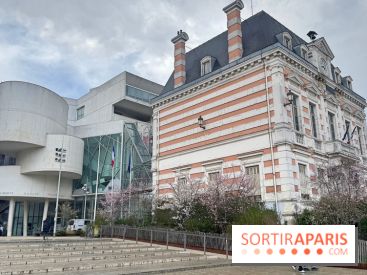
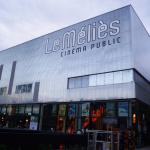
Located on the site of the former property of Méliès, at 3 François-Debergue Street, is now La Parole Errante, a cultural and artistic center that has been operating since 1986. While it no longer produces films, the spirit of creativity continues to thrive here. Commemorative plaques and historical markers invite curious visitors to remember that this site was once one of the cradles of fictional cinema. Moreover, the same city now hosts Europe's largest public arthouse cinema: the Méliès.
Cinephiles beware: in the town of Montreuil, just a metro ride from Paris, you'll find a temple to the 7th art, with affordable screenings and a lively program. We take you to Le Méliès, Europe's largest public arthouse cinema. [Read more]
This page may contain AI-assisted elements, more information here.
Location
La Parole Errante
9 Rue François Debergue
93100 Montreuil




 Walk in the footsteps of Georges Méliès in Paris, illusions, studios and toy store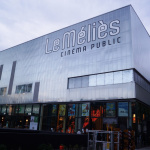

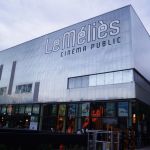 Tip: Méliès in Montreuil, Europe's largest public arthouse cinema with €7 screenings