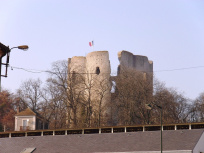
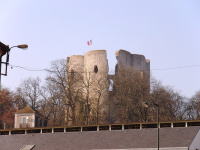
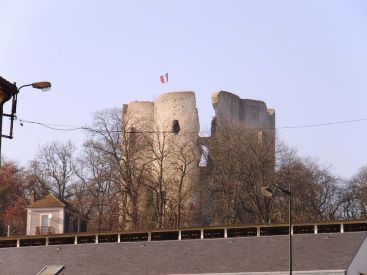
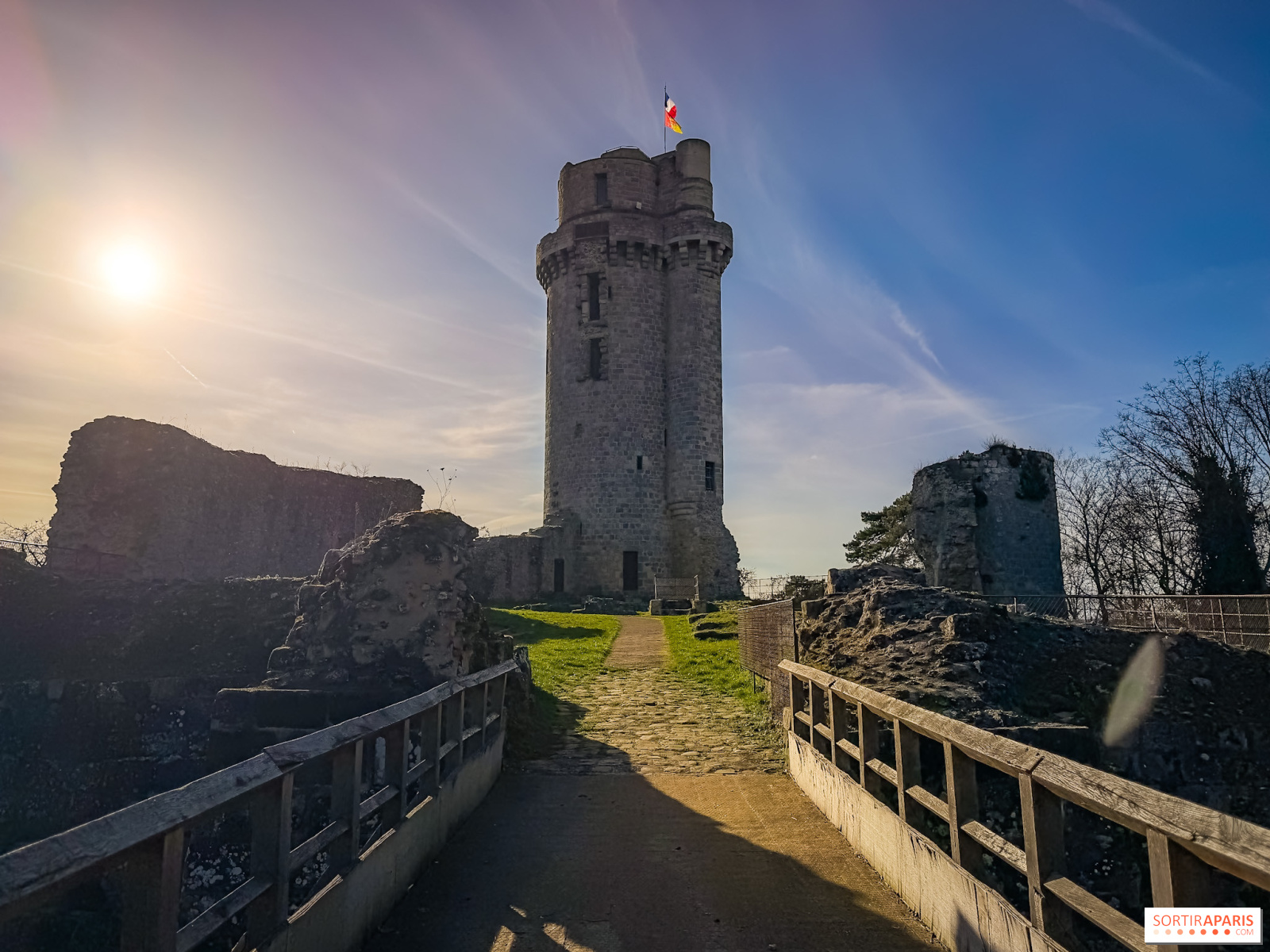
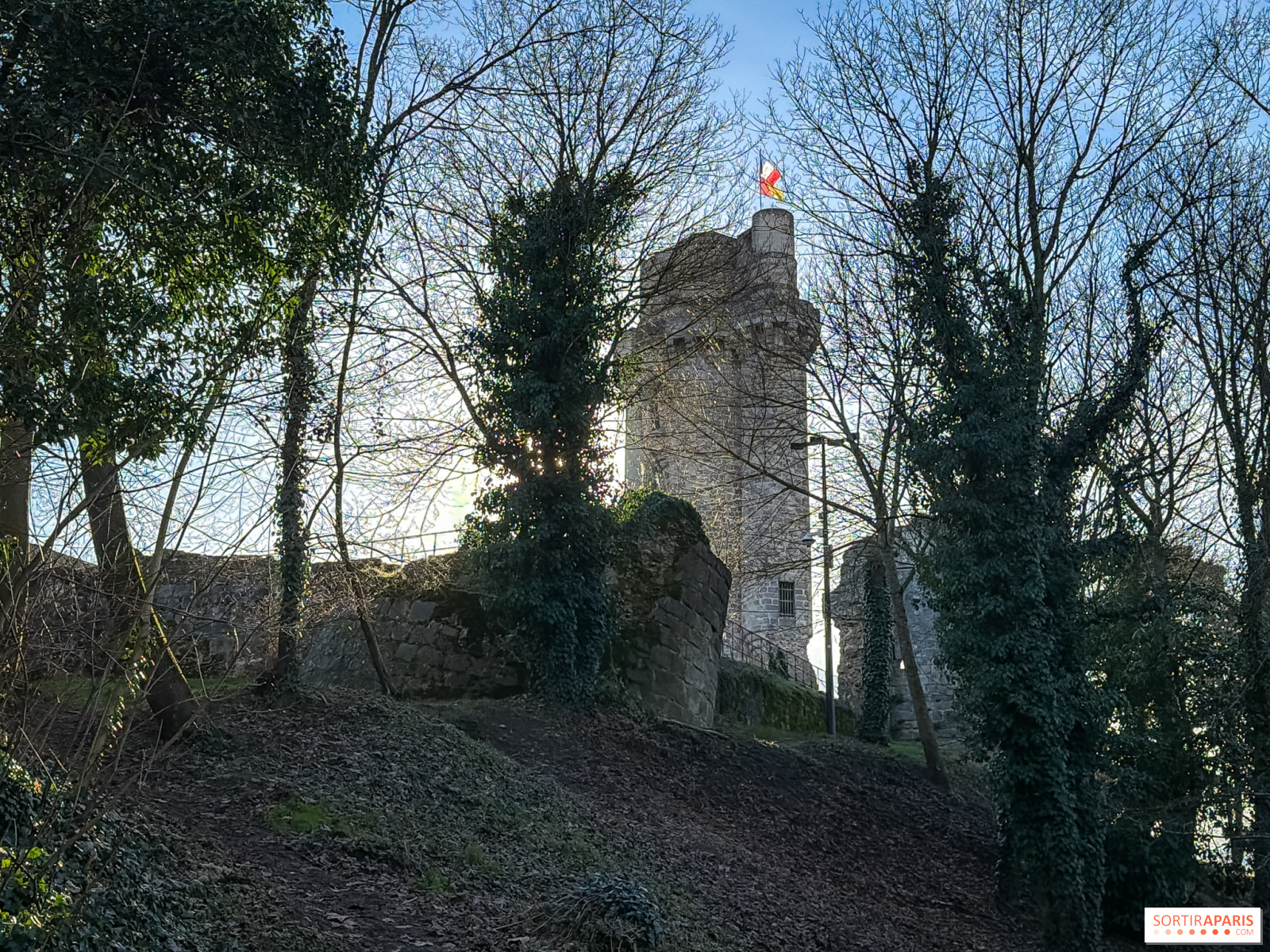
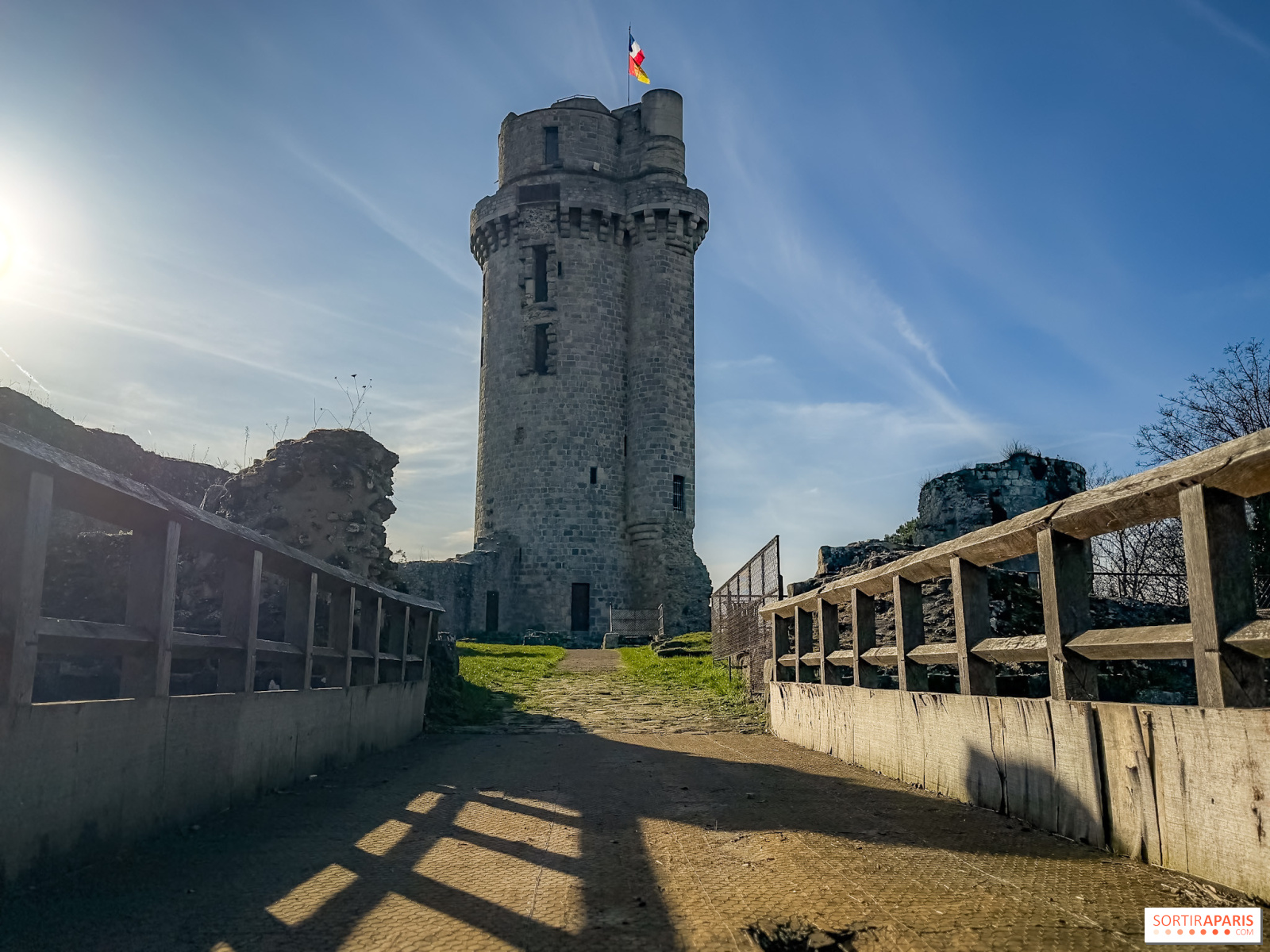
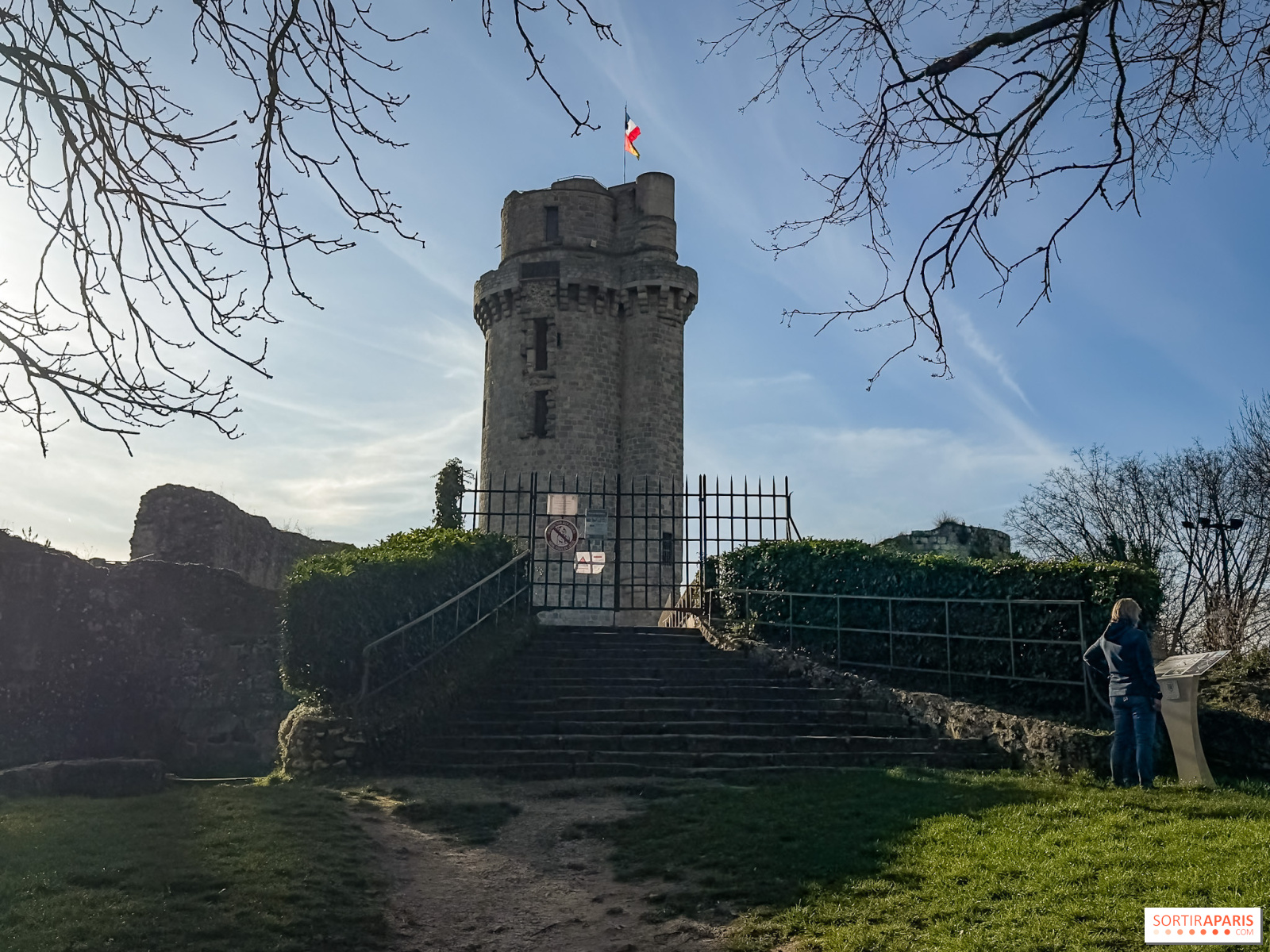
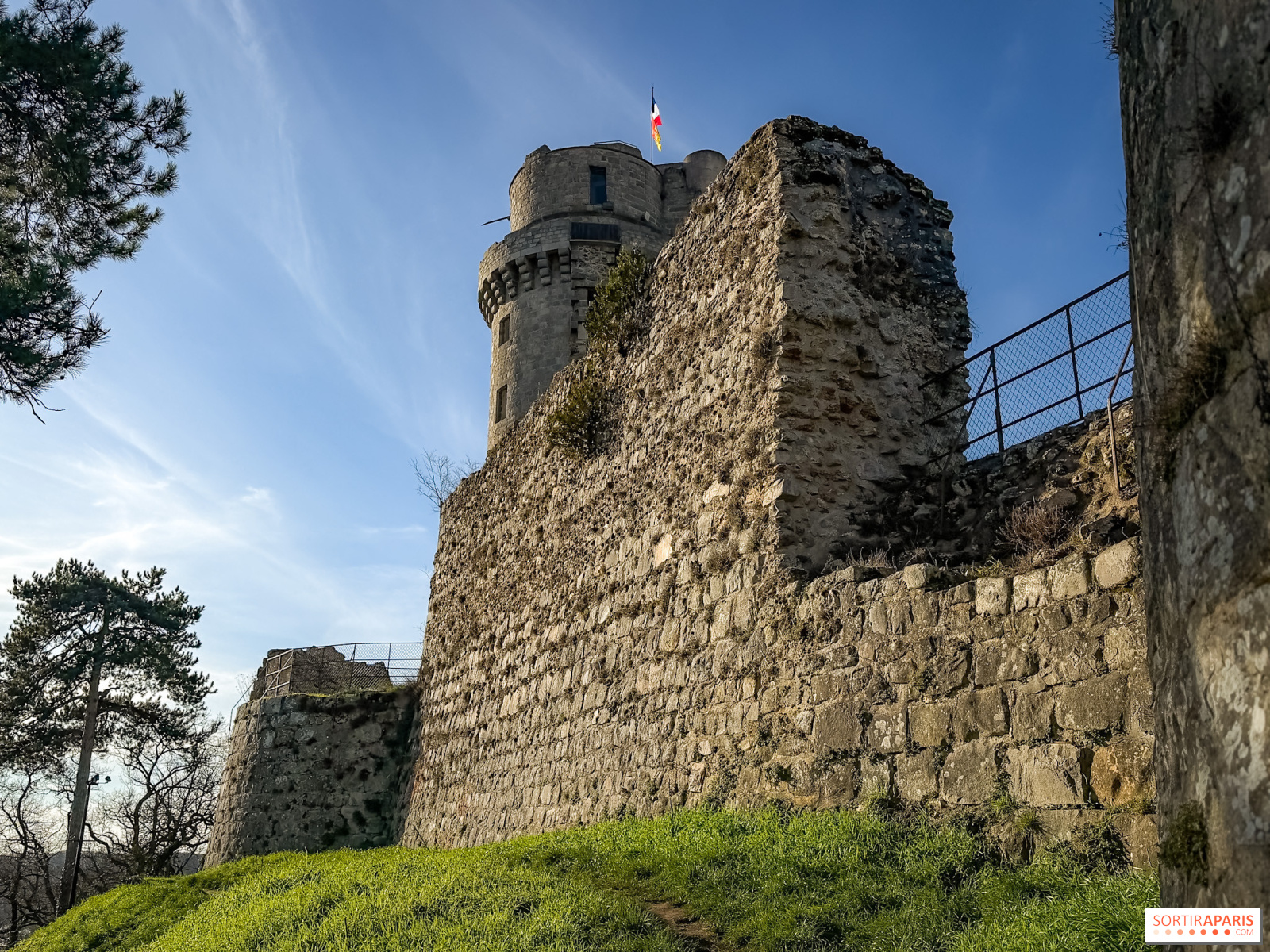
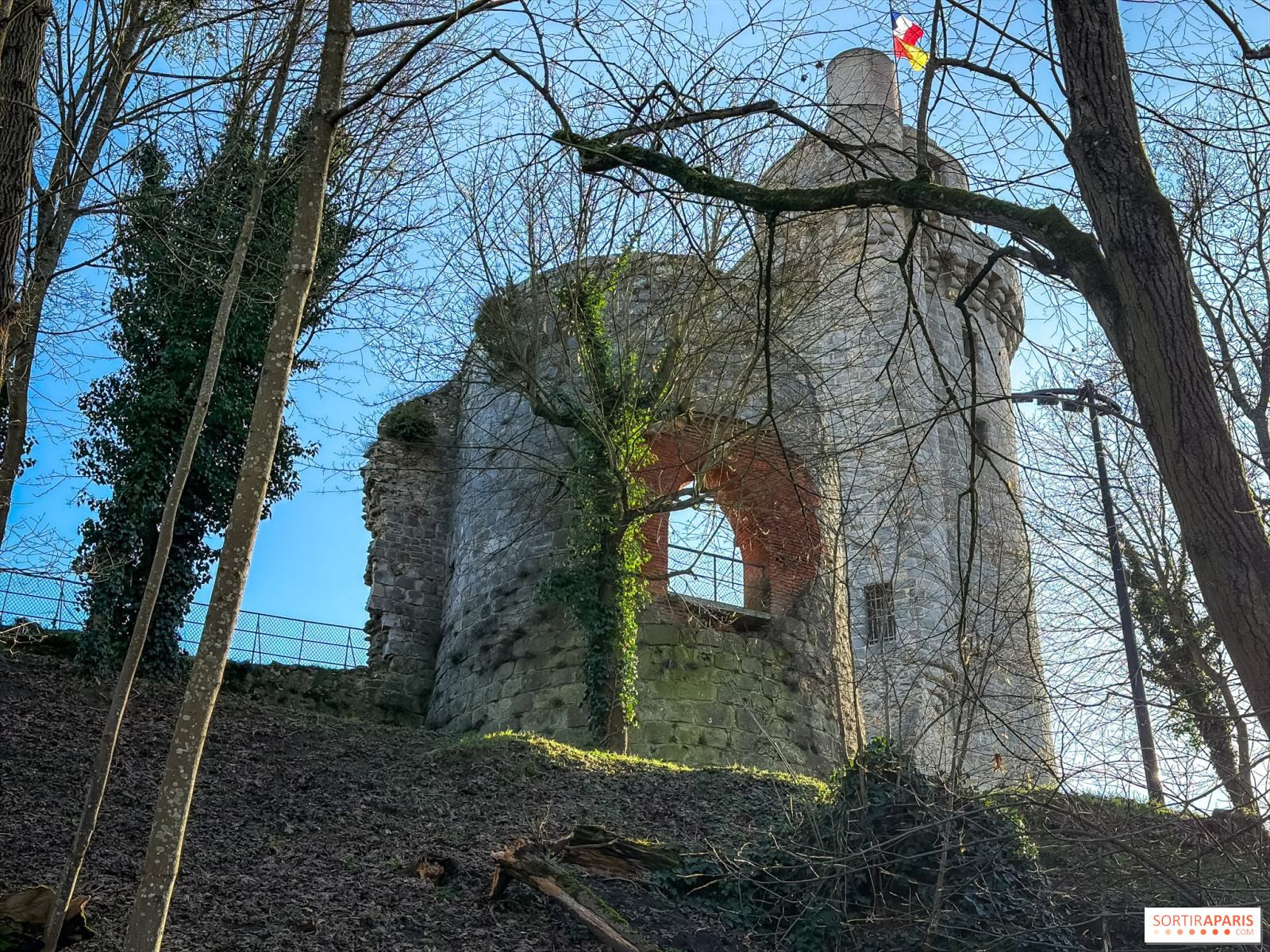
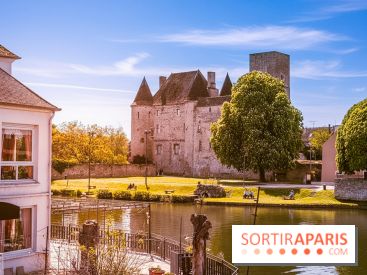
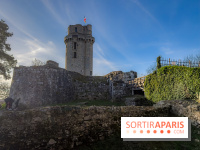
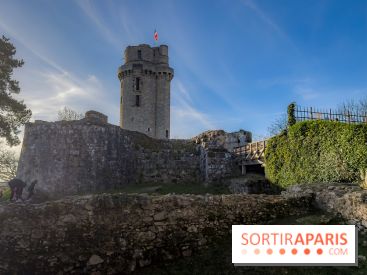
In Montlhéry, in Essonne, this ancient medieval tower has more secrets than it lets on. While the Montlhéry Castle has been mentioned as early as 1008, when Thibaud, a royal forester under King Robert II, built up its defenses, few realize that this monument played a pivotal role in the history of French science.
Its strategic location between Paris and Orléans made it a key point of interest for the Capetian kings. Centuries later, it evolved into a significant hub for scientific innovation. Let's go explore this "lighthouse of Essonne" that paved the way for measuring the speed of light and sound.
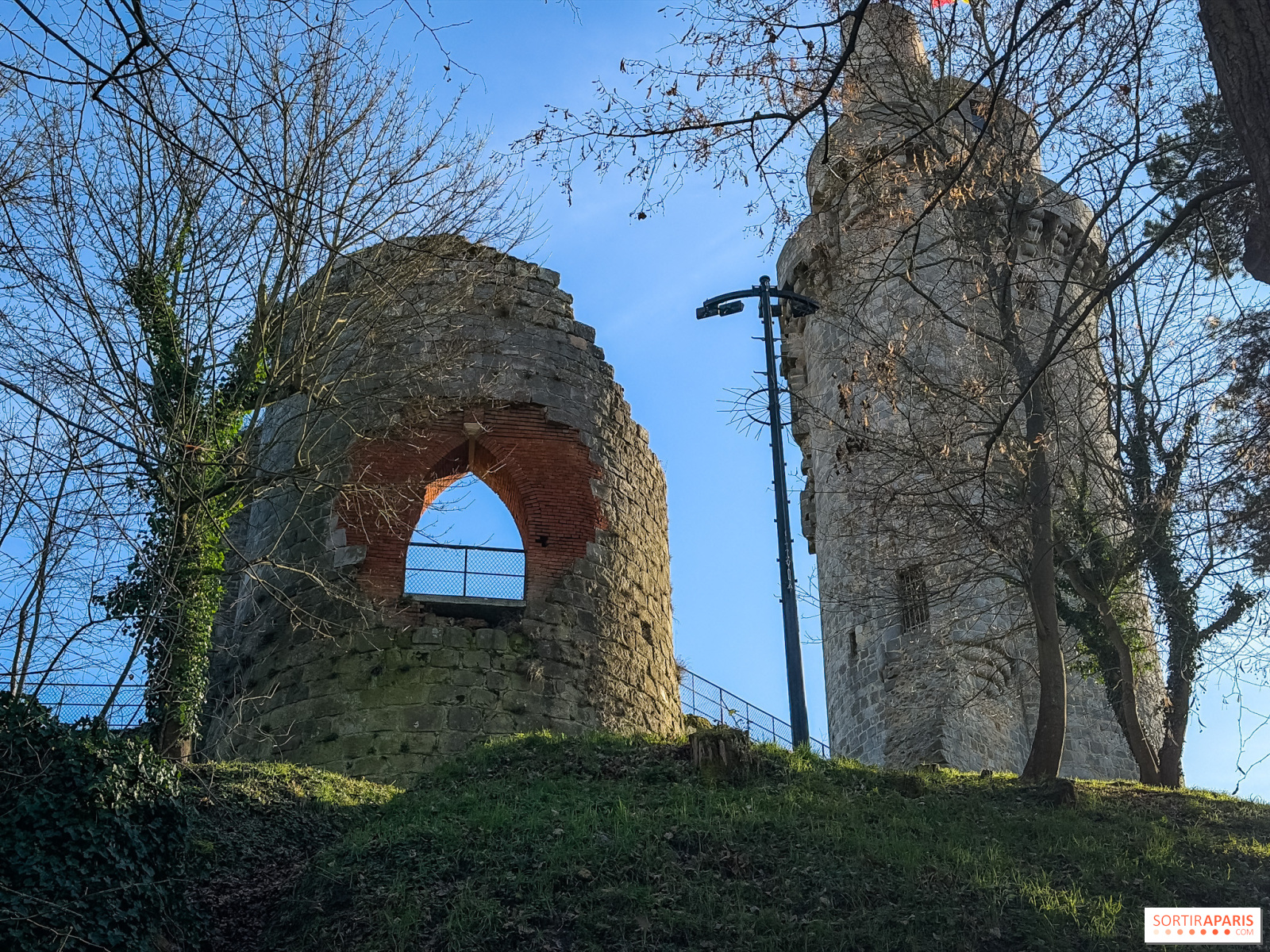
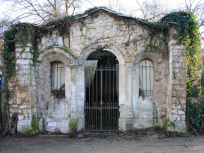
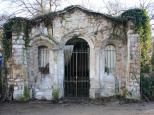
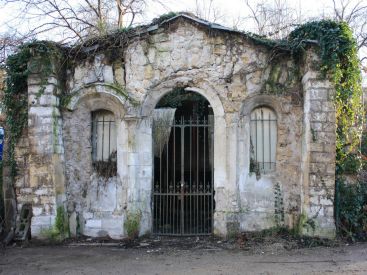
The original castle was destroyed between 1104 and 1107, during a conflict where the lords of Montlhéry opposed the king. Louis VI ordered its razing but spared the tower. It was not until the early 13th century, under Philippe Auguste, that the castle was rebuilt in its current form. The future King Louis IX, who would become Saint Louis, sought refuge here during the barons’ rebellion. Parisians walked the whole distance on foot to Montlhéry and accompanied the future king back to Paris. According to legend, in gratitude for his return from the Crusades in 1254, Saint Louis commissioned the building of a chapel at the castle’s entrance, whose foundations are still visible today on the left side, before the drawbridge.
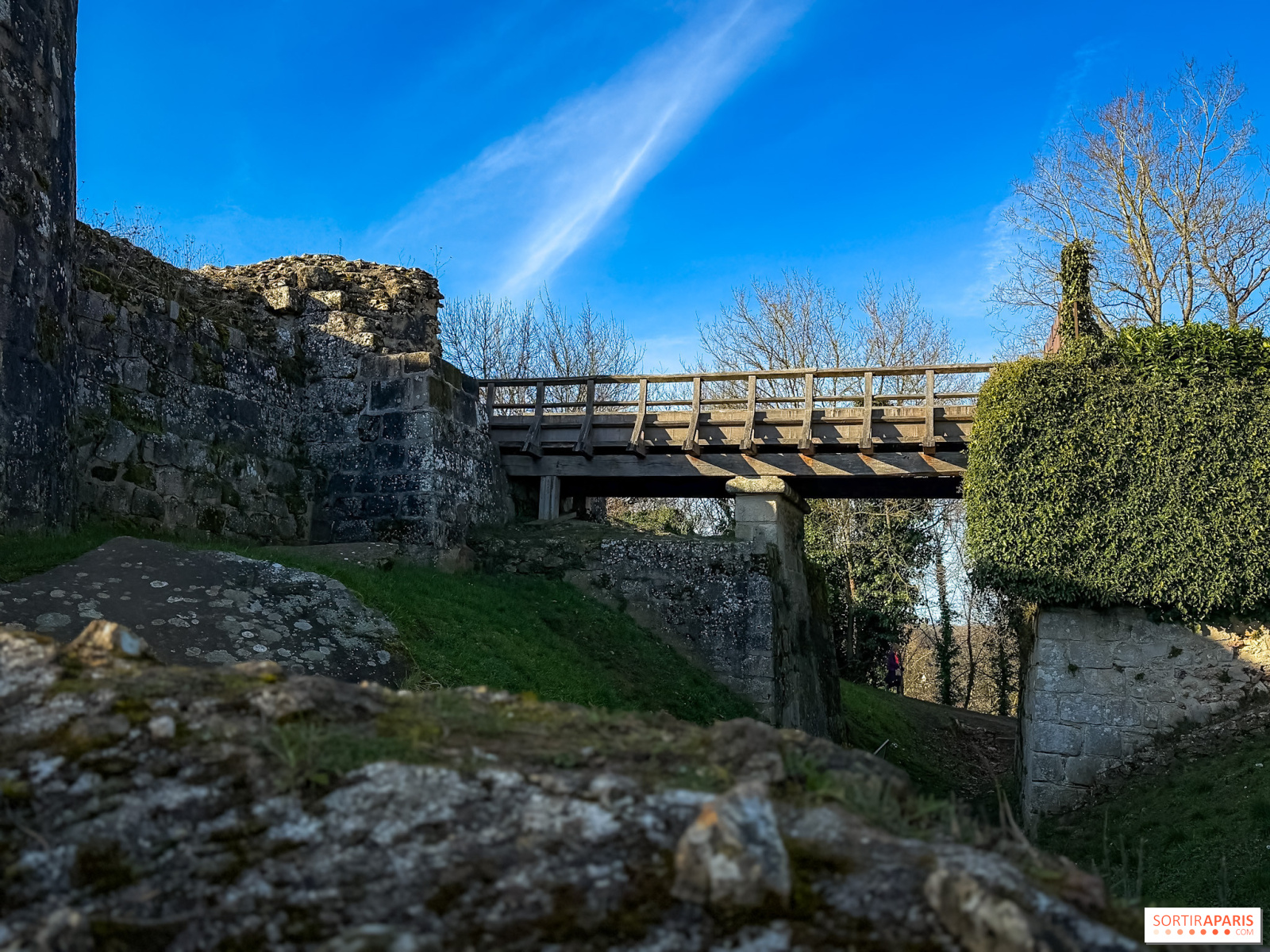
In 1347, the castle was besieged and occupied by the English. By 1382, significant repairs were carried out by Olivier de Clisson, the Constable of France. He added four floors to the keep, a battlement, and chimneys. The castle then became a strategic stronghold for bands ravaging the region. Fed up with being extorted, the residents of Montlhéry gained, under Henry IV in 1591, the right to render the castle unusable. Afterward, it was used as a quarry for stones in various constructions.
But it is in the 19th century that the Montlhéry Tower experiences a captivating second chapter in its history. Its impressive height of 30 meters, combined with the 127 meters of the hill it stands on, offers a view extending dozens of kilometers without obstruction. In 1822, François Arago, an astronomy professor at the Paris Observatory, along with Louis Joseph Gay-Lussac and Urbain Le Verrier, conducted a spectacular experiment: a cannon was fired from the tower's summit. The sound was heard at the Villejuif Observatory, located 18.612 km away. This experiment enabled the calculation of the speed of sound, estimated at approximately 340.885 meters per second—an astonishingly close estimate to the actual 332 m/s.
In 1864, astronomer Alfred-Marie Cornu took the tower to new heights with an even more ambitious experiment: measuring the speed of light between the donjon and the Paris Observatory, a distance of 23 kilometers. Using an ingenious gearwheel apparatus, he calculated a velocity of 300,400 km per second — a remarkable result for the time and remarkably close to modern measurements. This groundbreaking discovery solidified Montlhéry's place in the history of French science, well before the rise of the Saclay plateau.
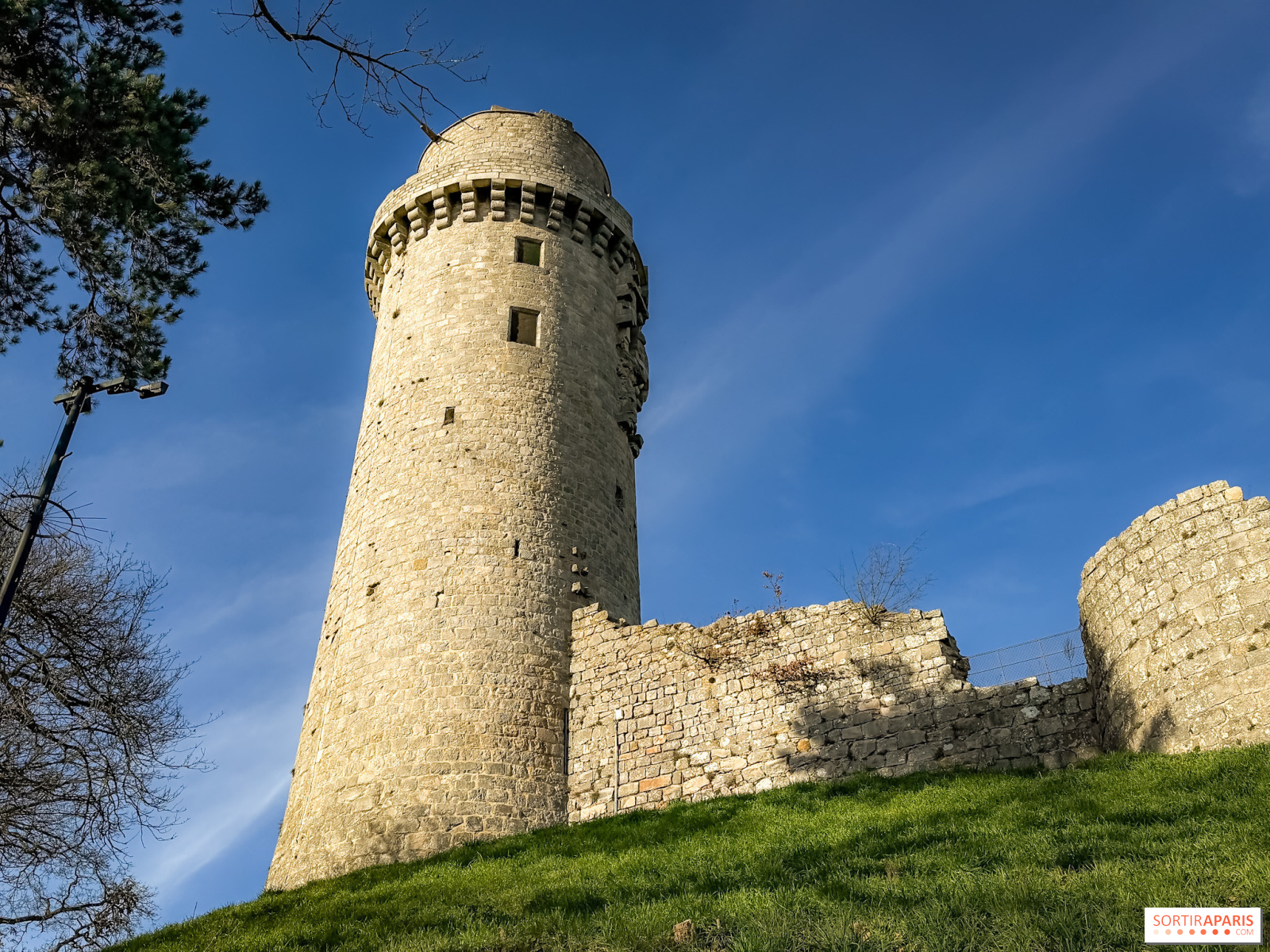
The tower then served for many years as a relay point for the Chappe optical telegraph, before being replaced by wireless communication. Listed as a Historical Monument since 1840, it underwent several safety upgrades in the 2000s before reopening to the public on September 15, 2012.
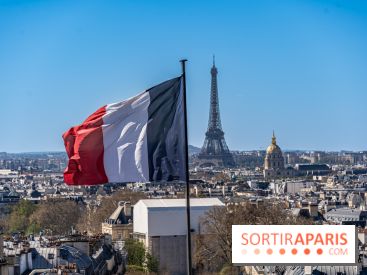
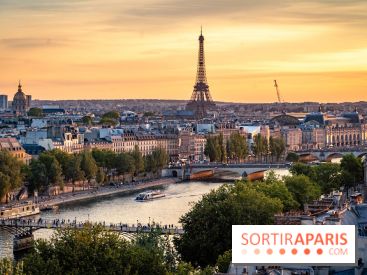
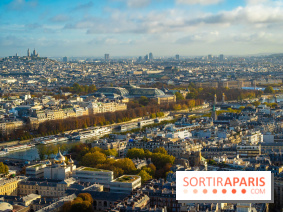
To discover this gem of Essonne’s heritage, visitors will need a bit of courage and the will to climb 138 steps leading up to the fortress's summit. The effort is more than rewarded: from this 30-meter-high vantage point, you can enjoy a breathtaking 360-degree view of the Essonne department and beyond. On a clear day, the distant silhouette of the Eiffel Tower becomes visible, highlighting the exceptional location of this vantage point, which rises to 137 meters above sea level.
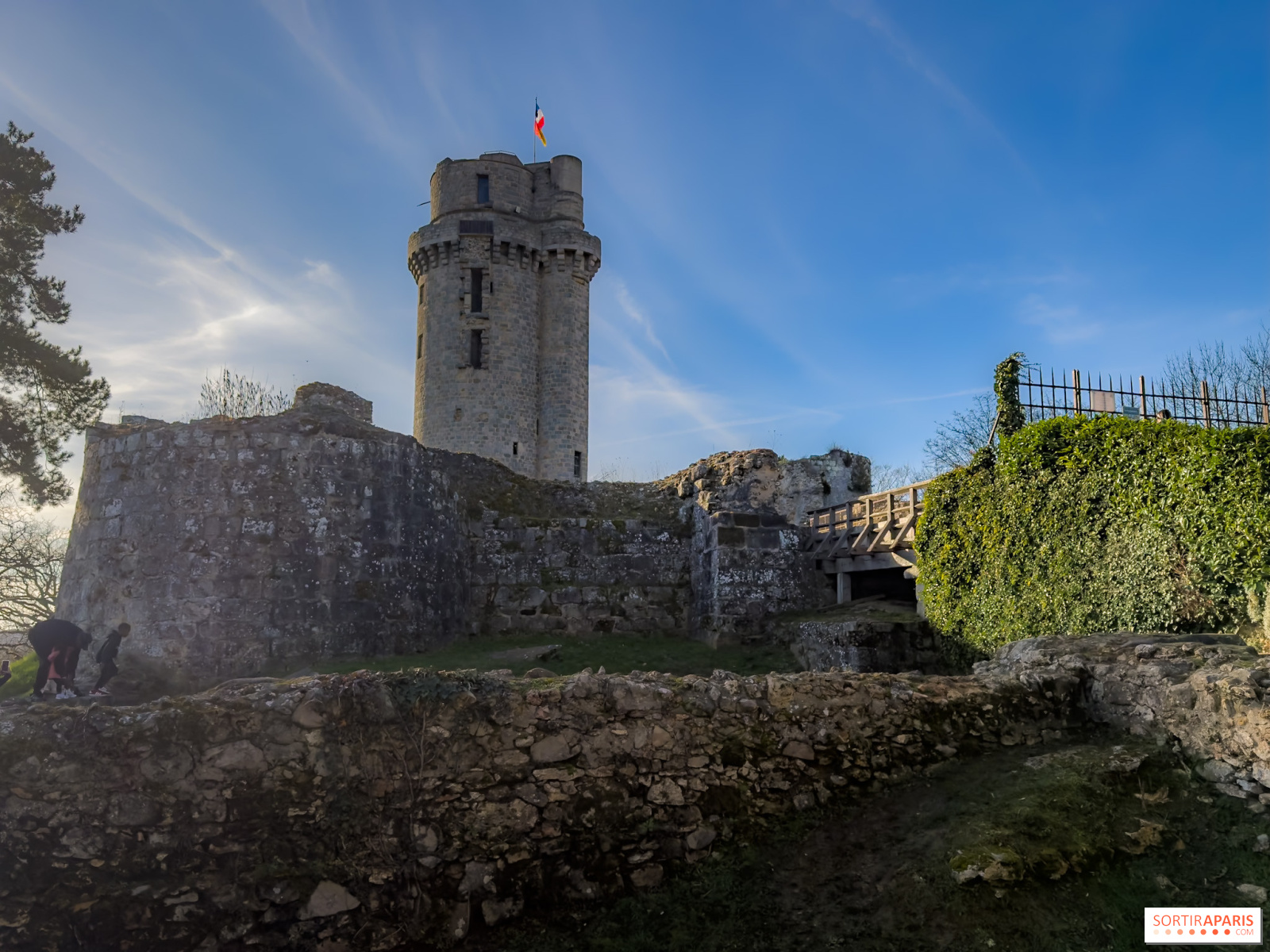
The CNR of Marcoussis and the picturesque village of Montlhéry, nestled just below, are easily recognizable. The tower is open to visitors on weekends from April to October, from 2 p.m. to 6 p.m., with the last ascent at 5:30 p.m. Entry costs €3 for adults, while children under 6 can enter for free. For a richer experience, visitors can choose to join guided tours of both the tower and the town, priced at €8, offering an in-depth look into the captivating history of this site. It's advisable to check the official Montlhéry town website for exact opening dates.
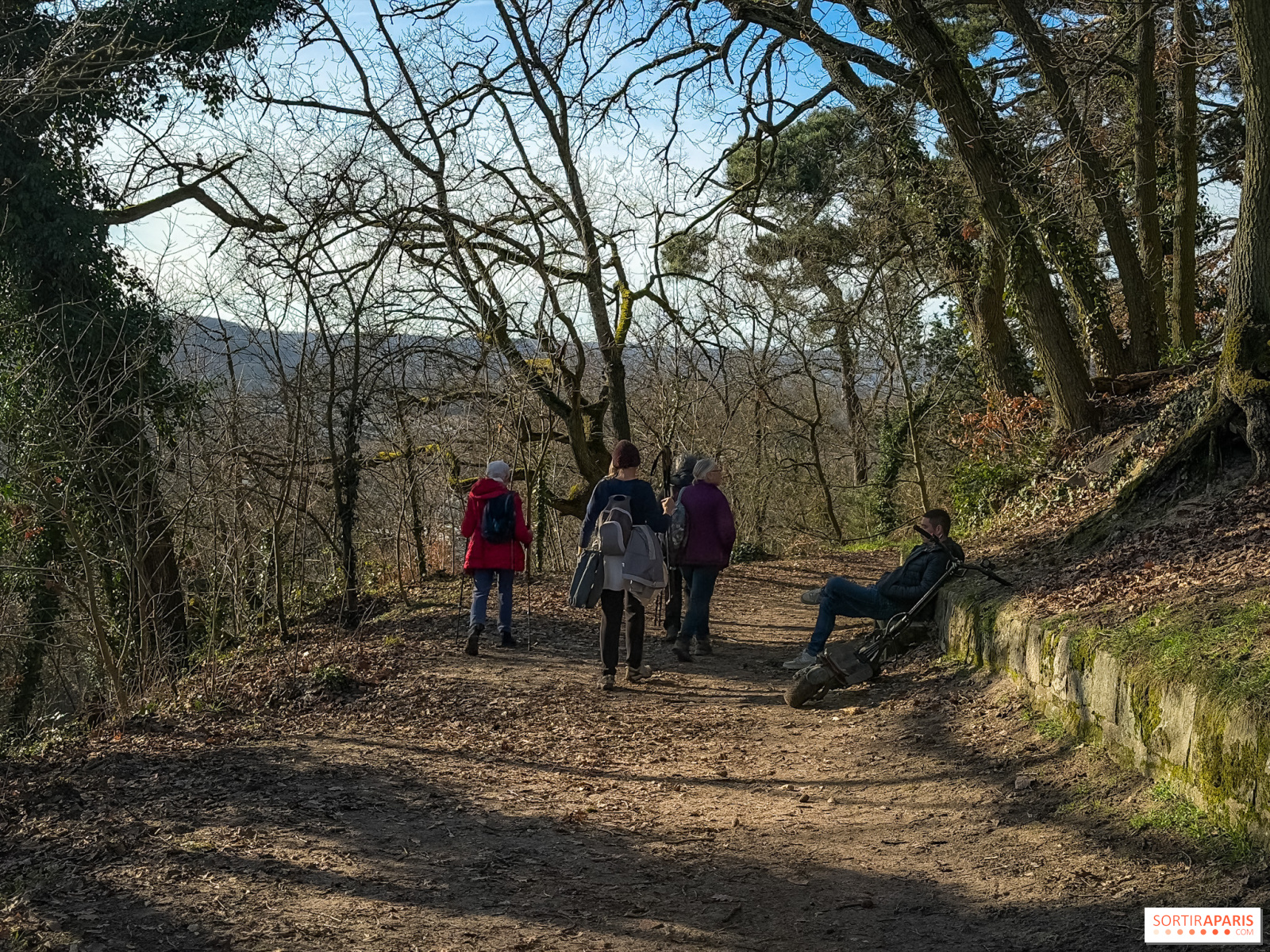
The site extends beyond the tower itself. Venture along the Tower's Alley, a 2-kilometer walking trail open year-round. It takes roughly 1 hour and 15 minutes to complete and offers a rich historical journey through Montlhéry. Marked by ground-mounted nails, the trail guides visitors easily to the town’s key historic sites. Informative panels along the way narrate Montlhéry’s story across the ages.
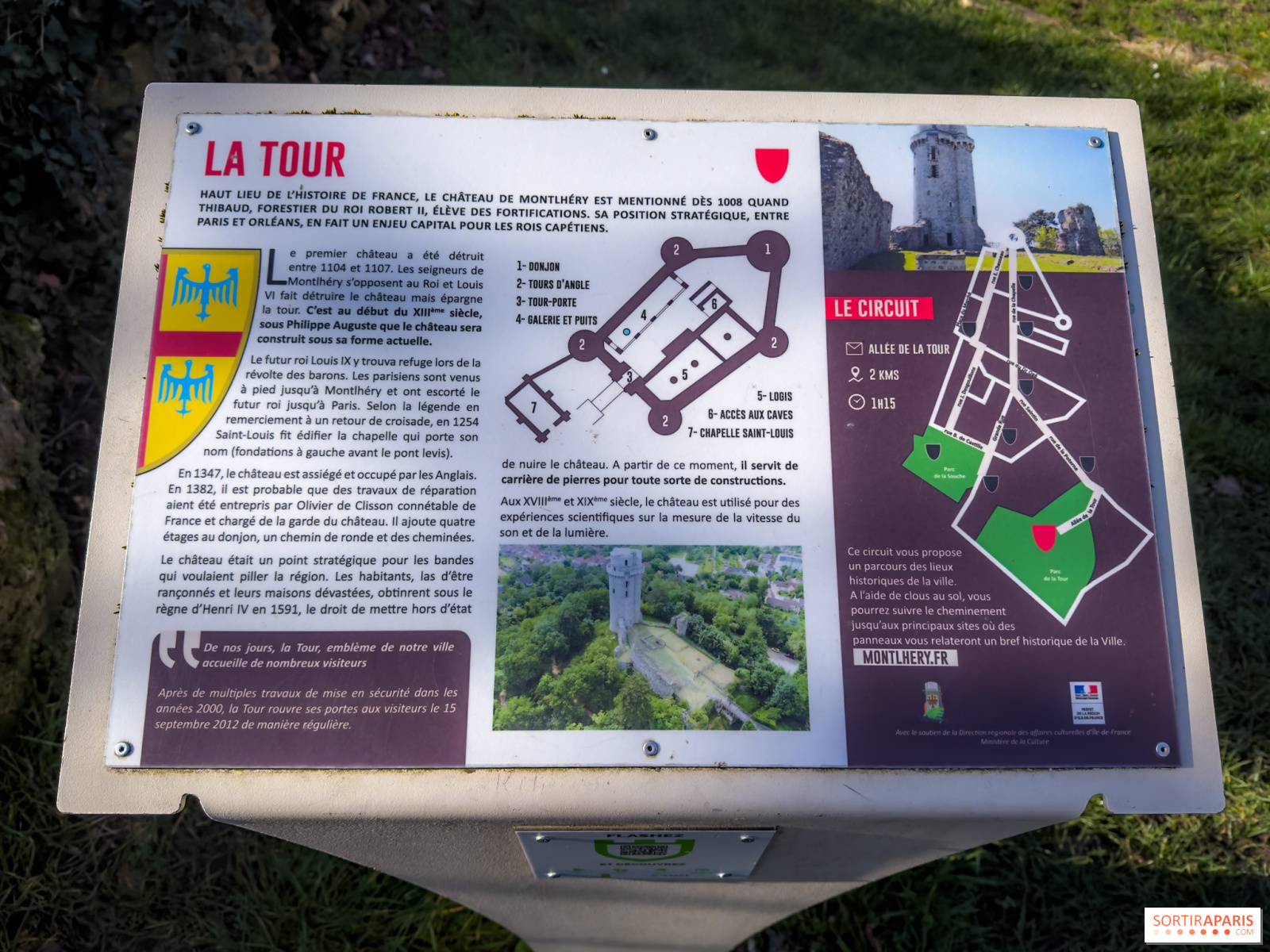
Visitors can explore the remnants of the castle, including the corner towers, the gate-tower, the galleries, and the well, as well as the foundations of the Saint-Louis Chapel. The walking trail around the site is free and open to everyone, with only the climb up the tower requiring a fee. It's a wonderful way to soak in the medieval atmosphere of the site while enjoying a scenic outdoor walk in a truly historic setting.
In short, this tower in Essonne is far from just a simple medieval relic. It stands as a unique witness to France’s history, having hosted legendary monarchs such as Louis VI, Philip Augustus, and Saint Louis, as well as being a symbol of groundbreaking scientific advancements of the 19th century. A site rich in history that truly deserves a visit—whether you're a heritage enthusiast, a science history buff, or simply someone who appreciates stunning vistas. For more details on opening hours and guided tours, visit the official website of Montlhéry.
Location
The Montlhéry Tower
10 Allée de la Tour
91310 Montlhery
Route planner
Prices
Free
Balade autour du site: Free
Visite de la Tour d'avril à octobre le week-end: €3
Recommended age
For all
Official website
www.essonnetourisme.com