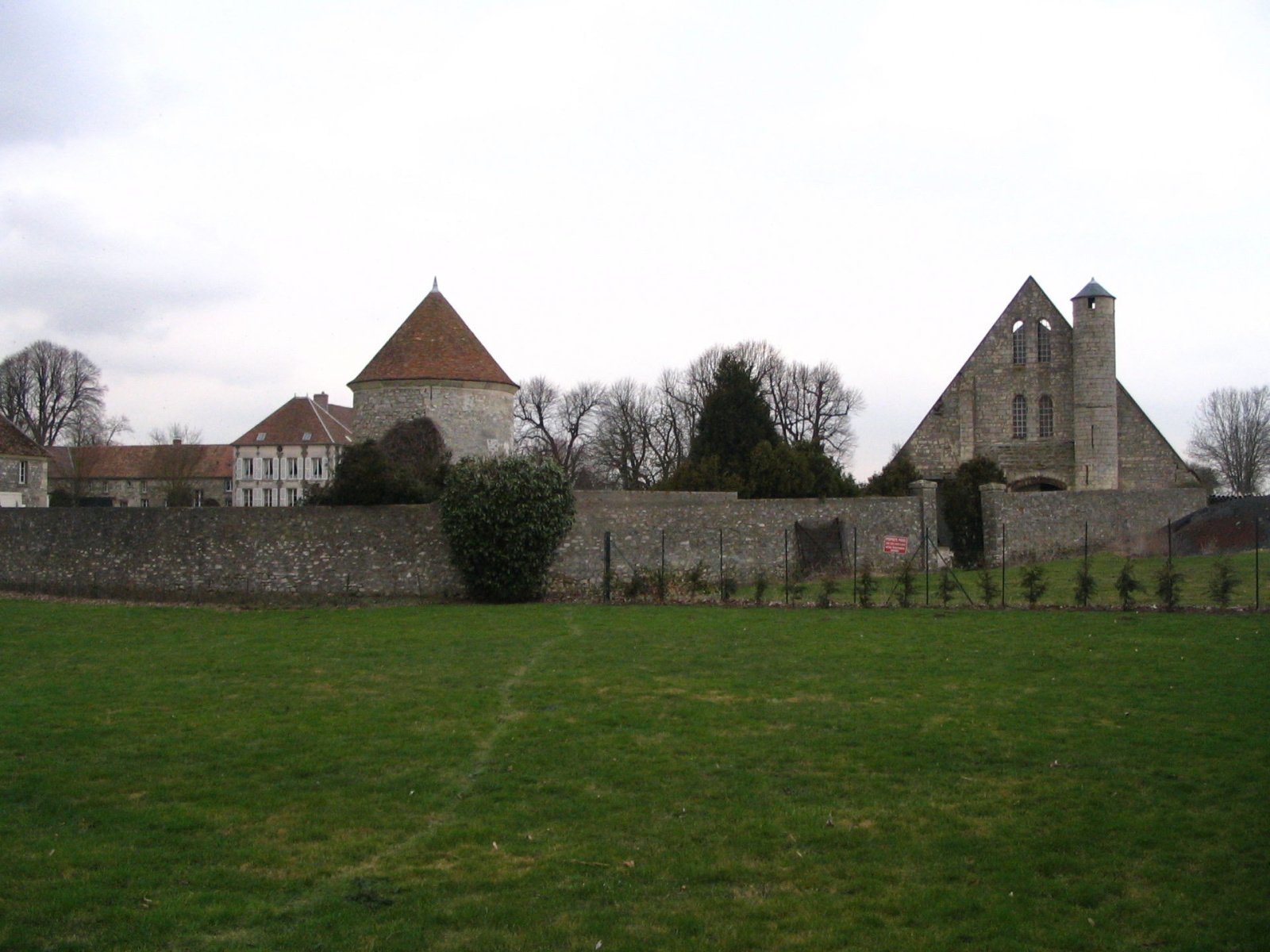
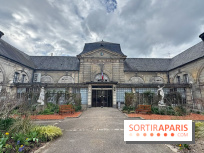
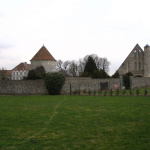
Founded in the Middle Ages by Cistercian monks, the Vaulerand farmstead (or Vaulerent), located in the Paris region, ranks among the oldest working farms still operating in Île-de-France. It’s a remarkable site where medieval monastic layouts continue to shape the region’s agricultural landscape today.
The Vaulerand barn originally served as a Cistercian farm, linked to the Royalmont Abbey, founded in 1228 by Louis IX. For the Cistercians, agriculture was at the heart of their way of life: working the land was both an economic necessity and a spiritual discipline. The monks established a network of farming outbuildings entrusted to lay brothers, who were responsible for producing cereals, raising livestock, and processing resources. Vaulerand fits into this efficient, self-sufficient system, based on autonomy and productivity. From the Middle Ages onward, the site was not merely a place of cultivation but a well-organized agricultural hub ensuring structured production.
The heart of the estate is the medieval monumental barn, whose imposing size speaks volumes about the importance of the harvests kept on site. Its architecture, massive and devoid of ornamentation, perfectly embodies the Cistercian ideal: function over form. This barn has continually served its original purpose, which explains its remarkably well-preserved state. Spanning approximately 72 meters in length and 23 meters in width, it covers nearly 1,650 m², making it one of the most impressive surviving Cistercian agricultural buildings in the Île-de-France region—and beyond.
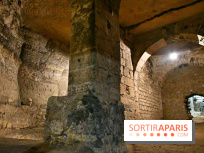
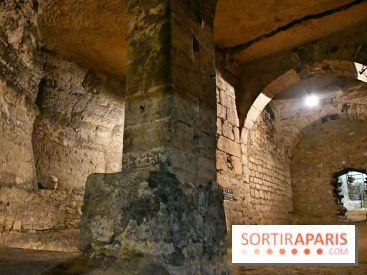
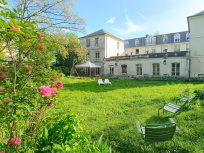
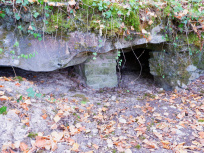
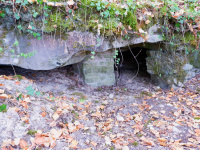
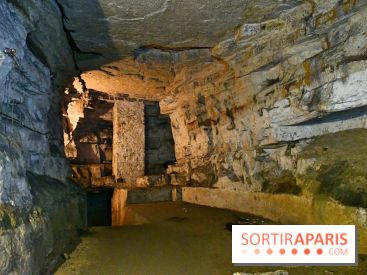
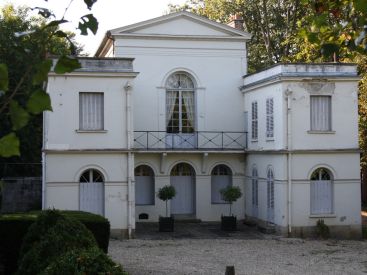
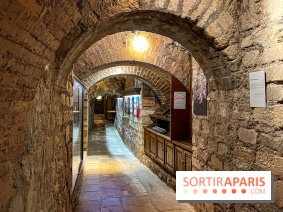
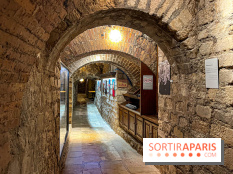
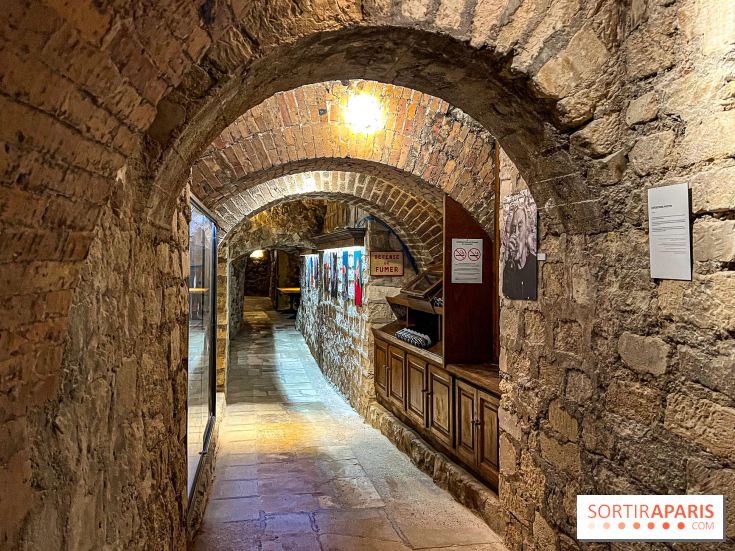
Nearby stands the main building, originally designed as the residence. During the medieval era, it is believed to have housed the canons responsible for managing the estate, before being taken over by secular farmers following the dissolution of the monastic system. Its existence underscores that Vaulerand was not merely an agricultural dependency, but a permanent place of habitation, continuously occupied and maintained. In the basement, the cellars, dug out for storing foodstuffs, also played a crucial role in the site’s economy. They served not only as storage for harvests but also for wine and other agricultural products sensitive to temperature changes.
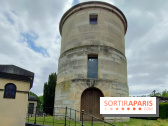
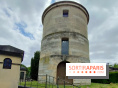
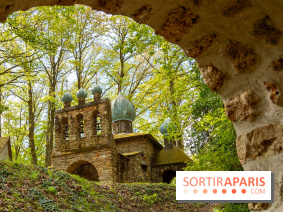
The dovecote, a distinctive feature of the estate, serves both practical and symbolic purposes. Historically, owning a dovecote was a privilege reserved for noble estates and large agricultural holdings. Its existence at Vaulerand highlights the site's economic importance and underscores its strategic role in regional agriculture, particularly in supplying meat and natural fertilizer.
The old distillery is a particularly interesting feature, as it represents a more modern phase in the site's development. Unlike the barn or the dovecote, it does not date back to the Middle Ages. Instead, it was likely built more recently, probably between the 19th and early 20th centuries, a time when farms were seeking to diversify and enhance their productions.
Even today, Vaulerand Barn remains a working farm, primarily focused on large-scale cereal cultivation. While techniques have advanced and modern machinery has replaced medieval tools, the history of this site continues to unfold over more than eight centuries. Please note that this is a private property and not open to the public; only occasional guided tours are organized.
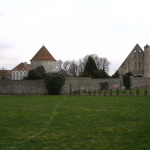
 Exceptional tour of one of the oldest farms in the Île-de-France region this summer 2026
One of the oldest working farms in Île-de-France is opening its doors to the public on August 31, 2026, for a guided tour organized by Archéa. This rare opportunity allows visitors to explore a historic agricultural site nestled in the heart of the Paris region. [Read more]
This page may contain AI-assisted elements, more information here.