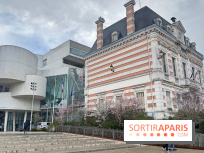
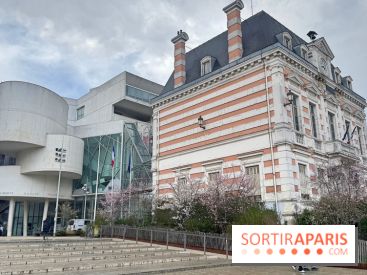
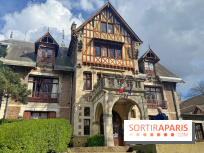
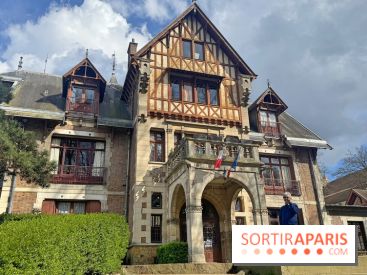
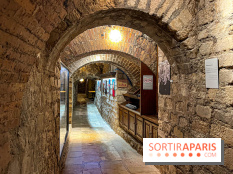
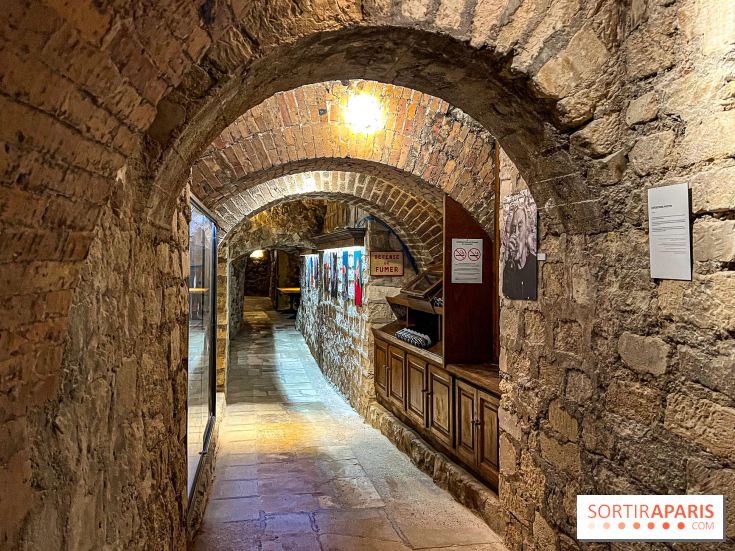
Beneath the streets of Sèvres, in the Hauts-de-Seine region, lies an unexpected secret that even many locals are unaware of. Hidden beneath this tranquil town is a historic underground network that’s sure to intrigue any adventurous spirit willing to explore. Welcome to... The King's Caves.
This is a lesser-known cultural heritage piece, diligently preserved by the Société d’Archéologie et d’Histoire de Sèvres. Visitors can explore this impressive site through guided tours, led by Daniel, a passionate enthusiast committed, alongside volunteers from the society, to making these tunnels more accessible and uncovering their secrets. Because yes, some questions still remain unanswered.
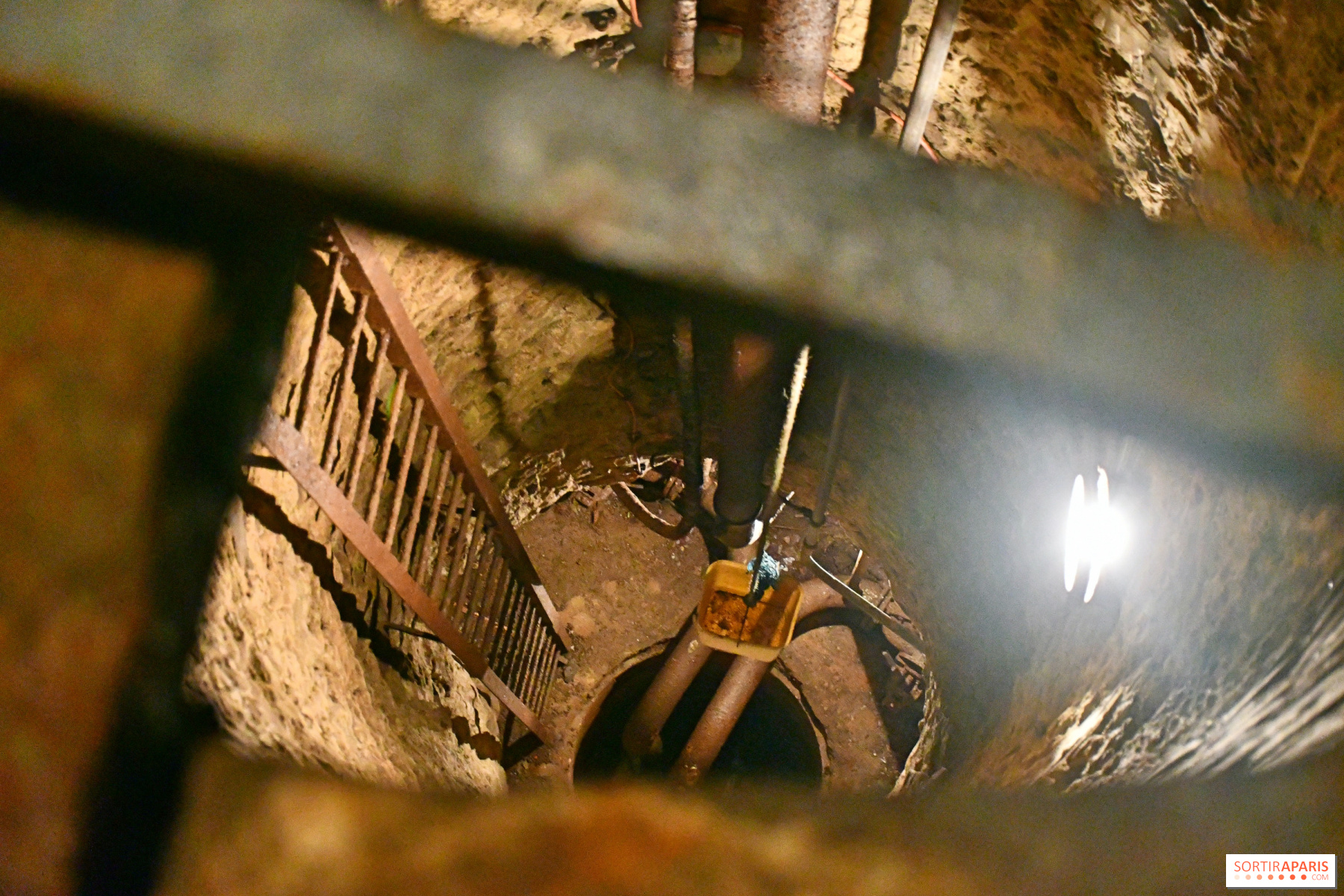
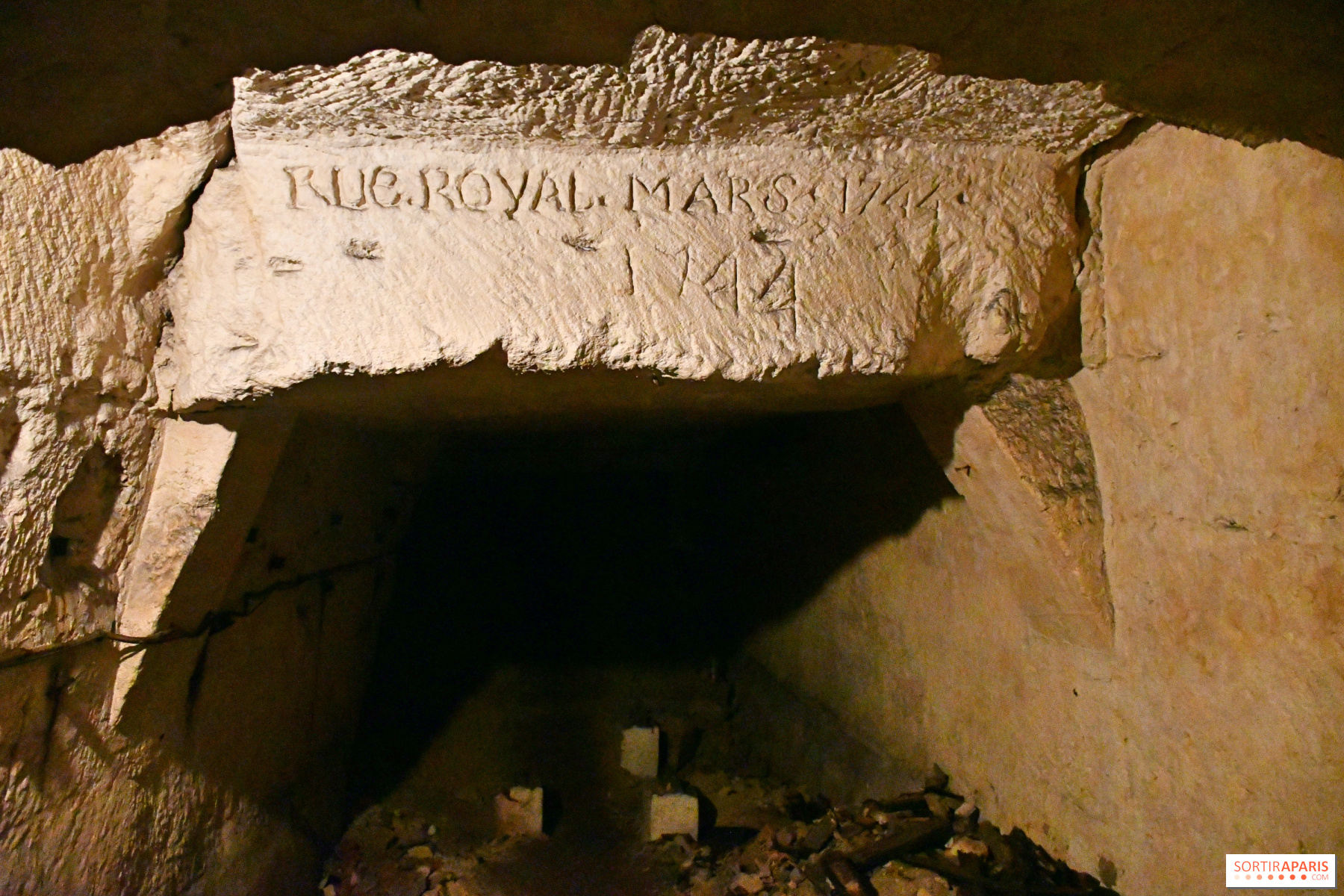
What exactly do we know about the Caves of the King? Their origins are believed to date back to the 16th century, when the Île-de-France region was a land of vineyards. These caves once stored wines destined for Versailles Palace, before they were delivered to the Sun King's estate. The French Revolution put an end to this activity, and the caves remained deserted for nearly fifty years.
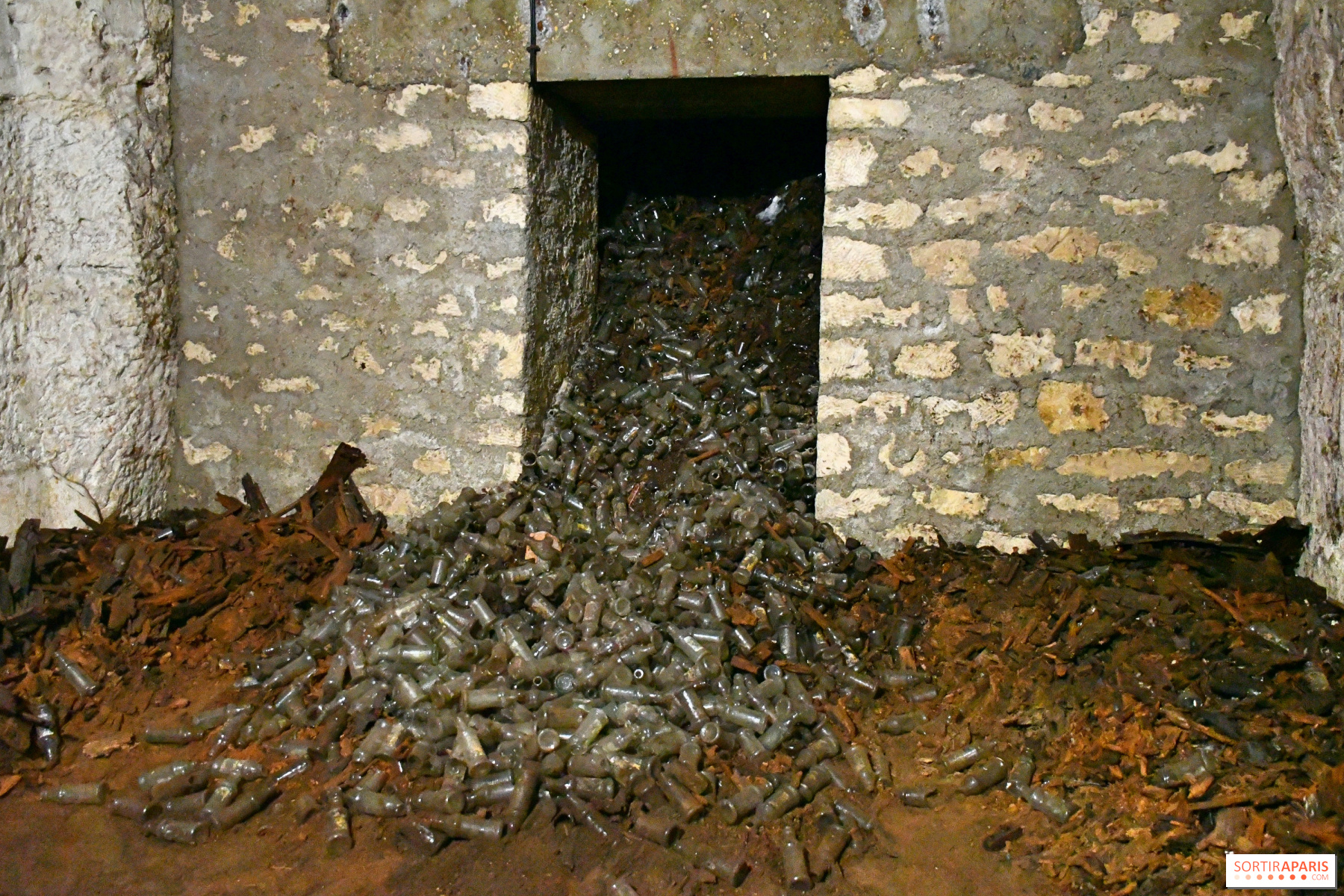
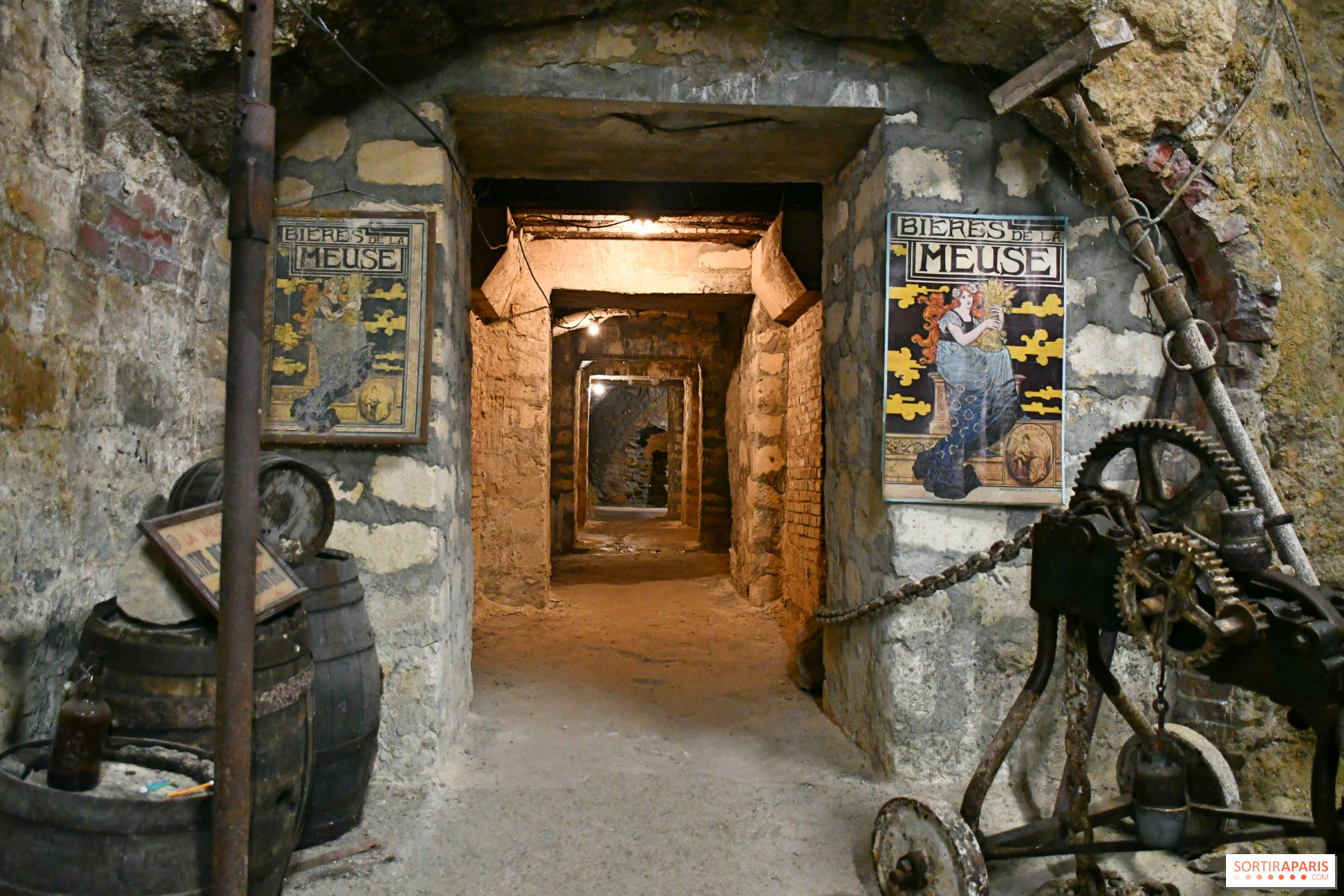
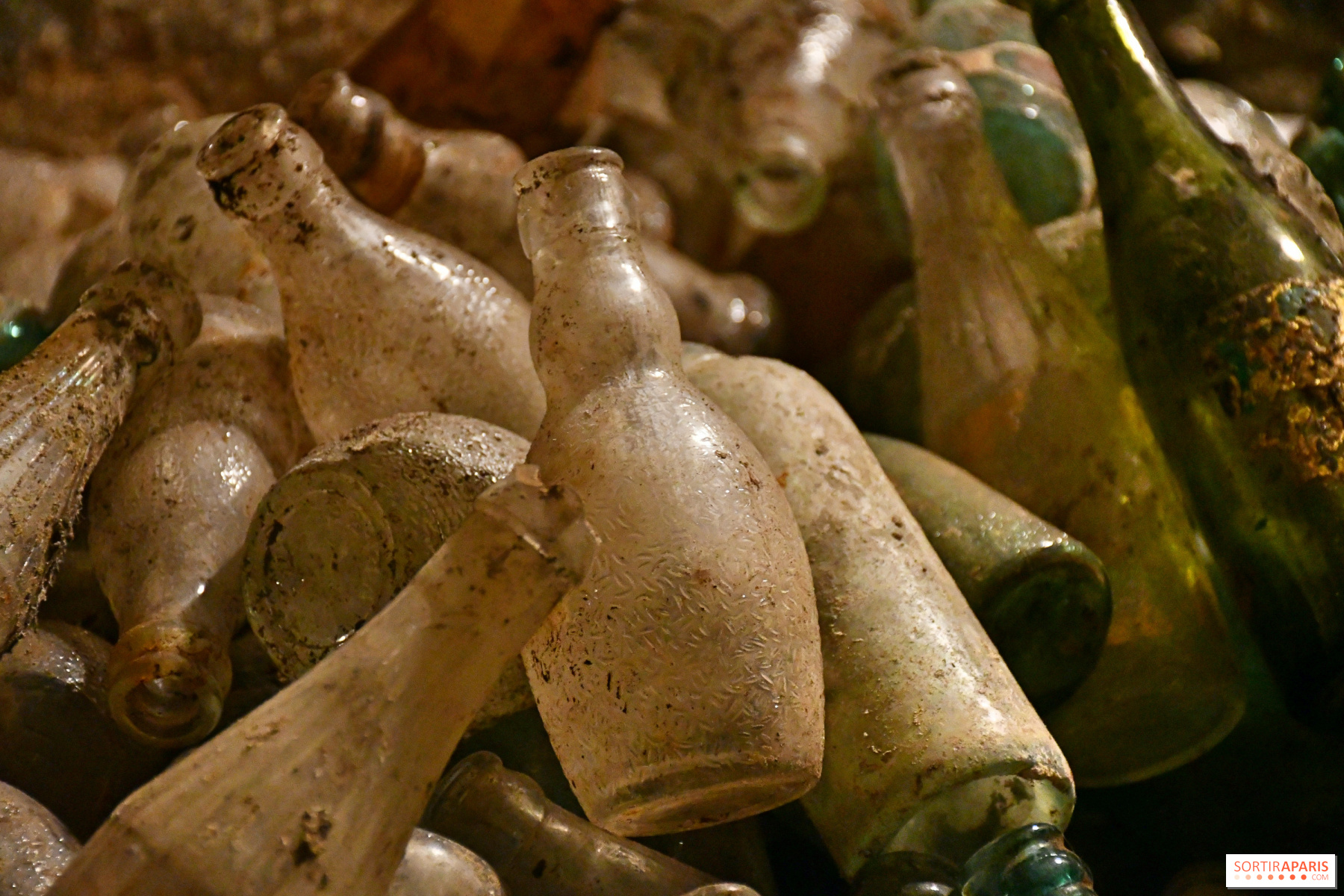
Later on, the cellars swapped out wine for beer with the arrival of Brasseries de la Meuse. Soon after, the Société Parisienne d'Embouteillage took over the site, handling the bottling of various beverage brands—one in particular that you’ll likely recognize by its bottles.
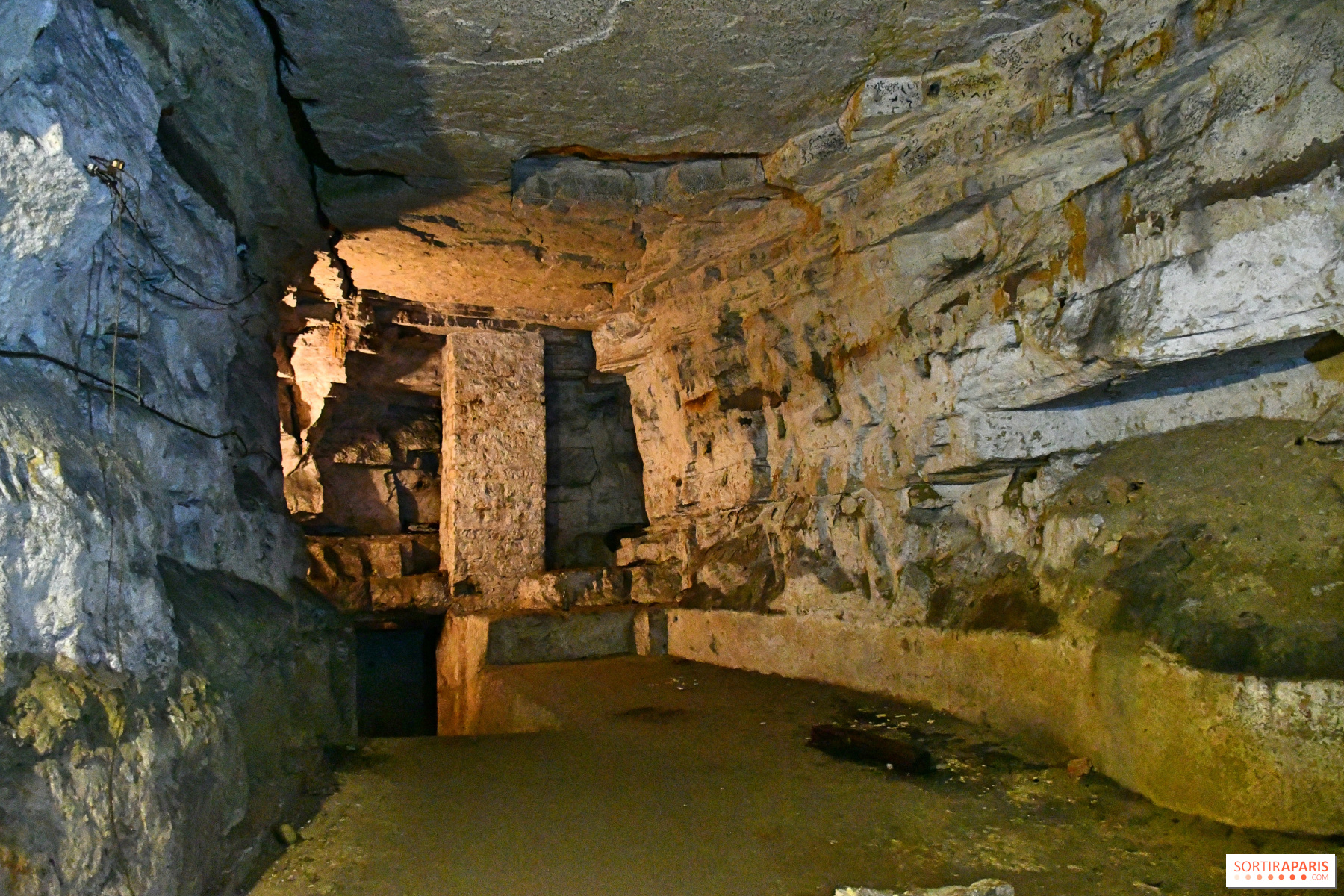
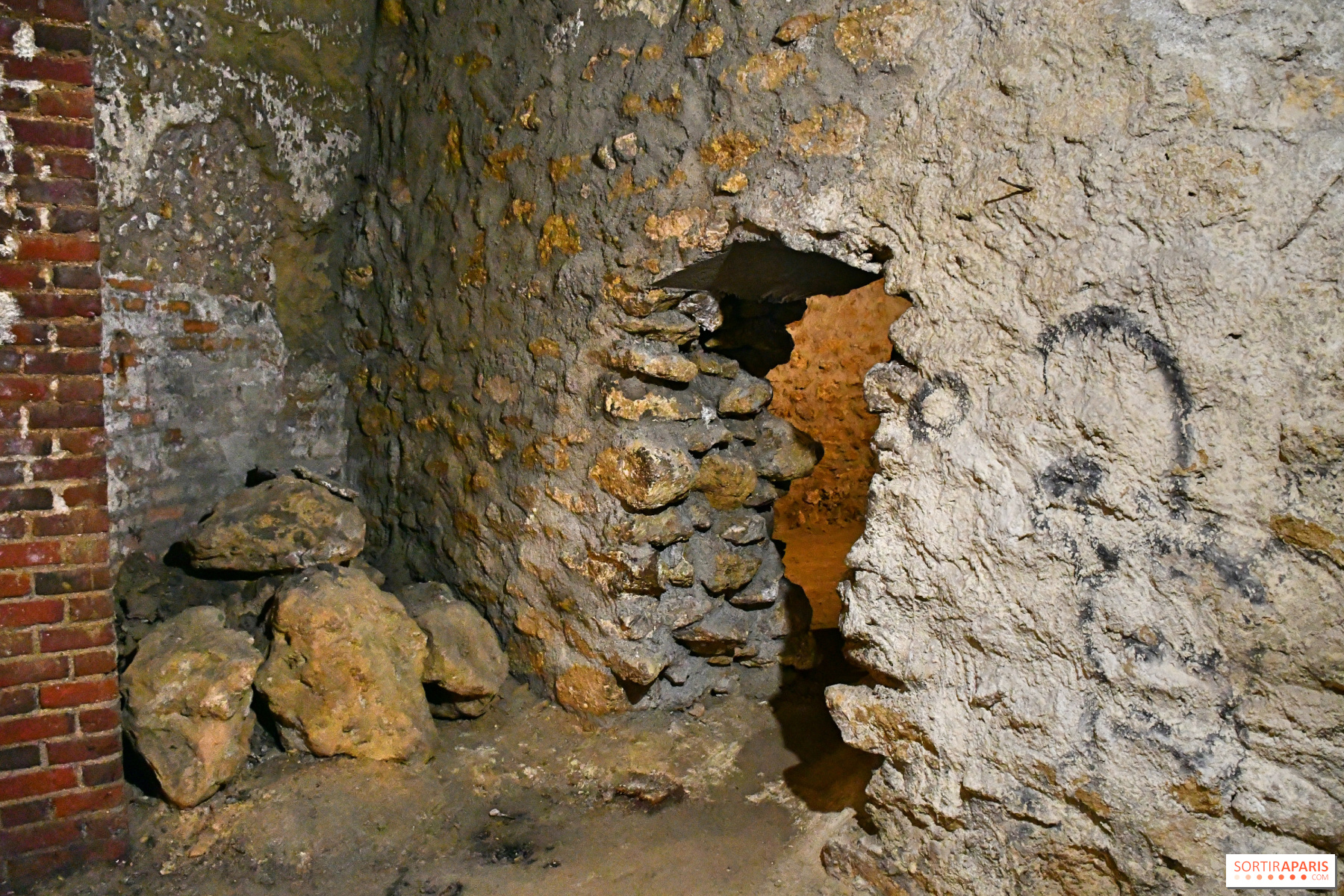
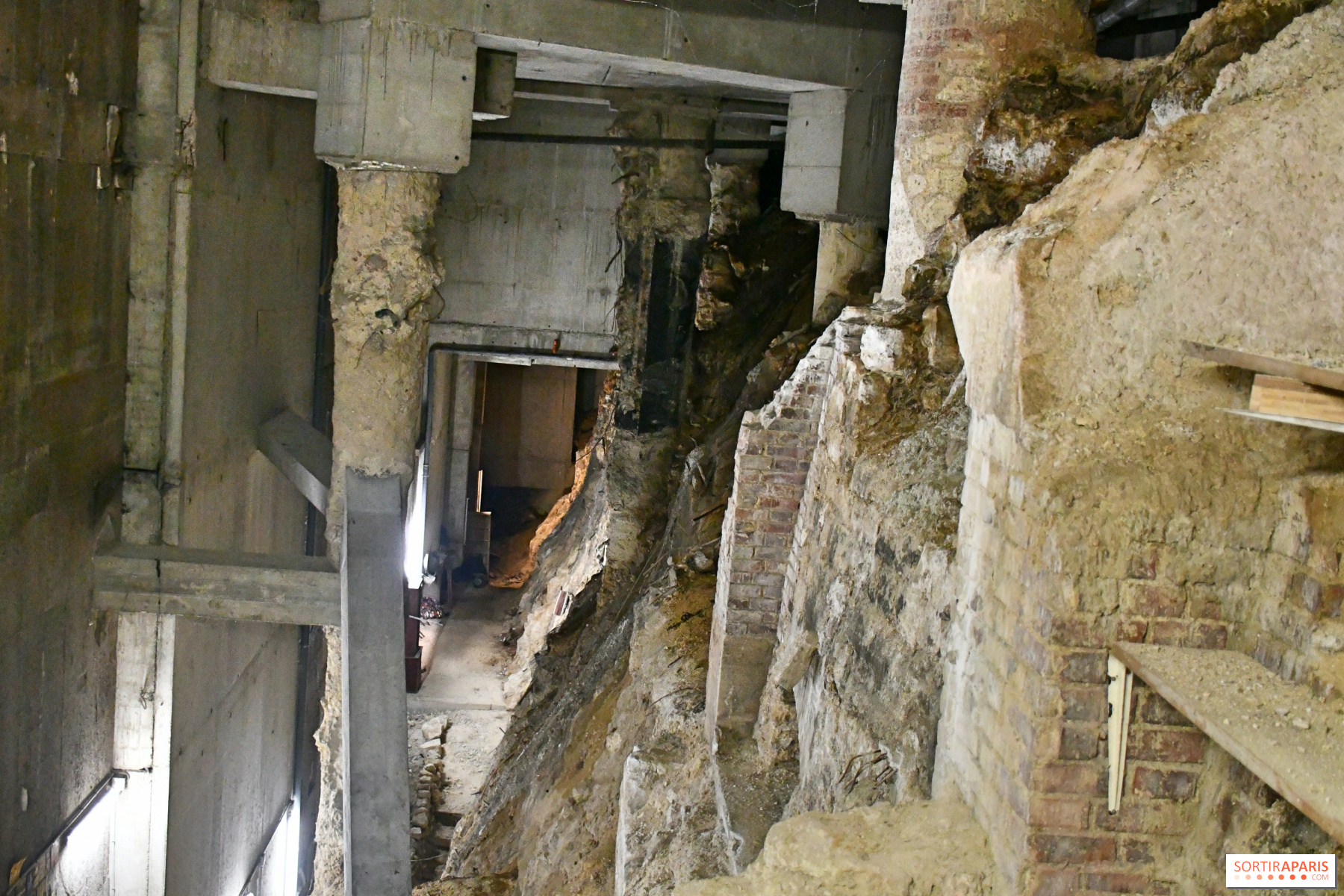
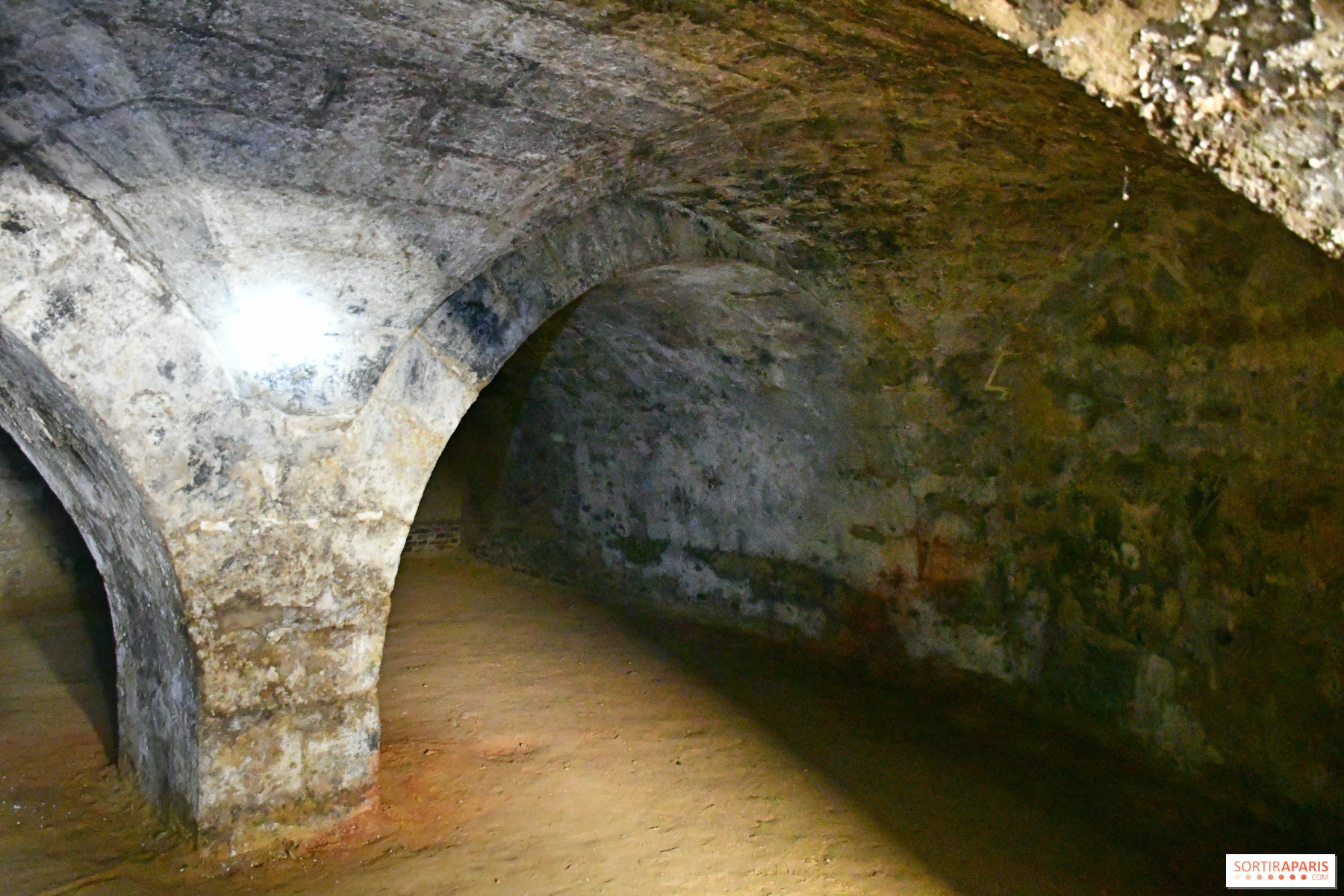
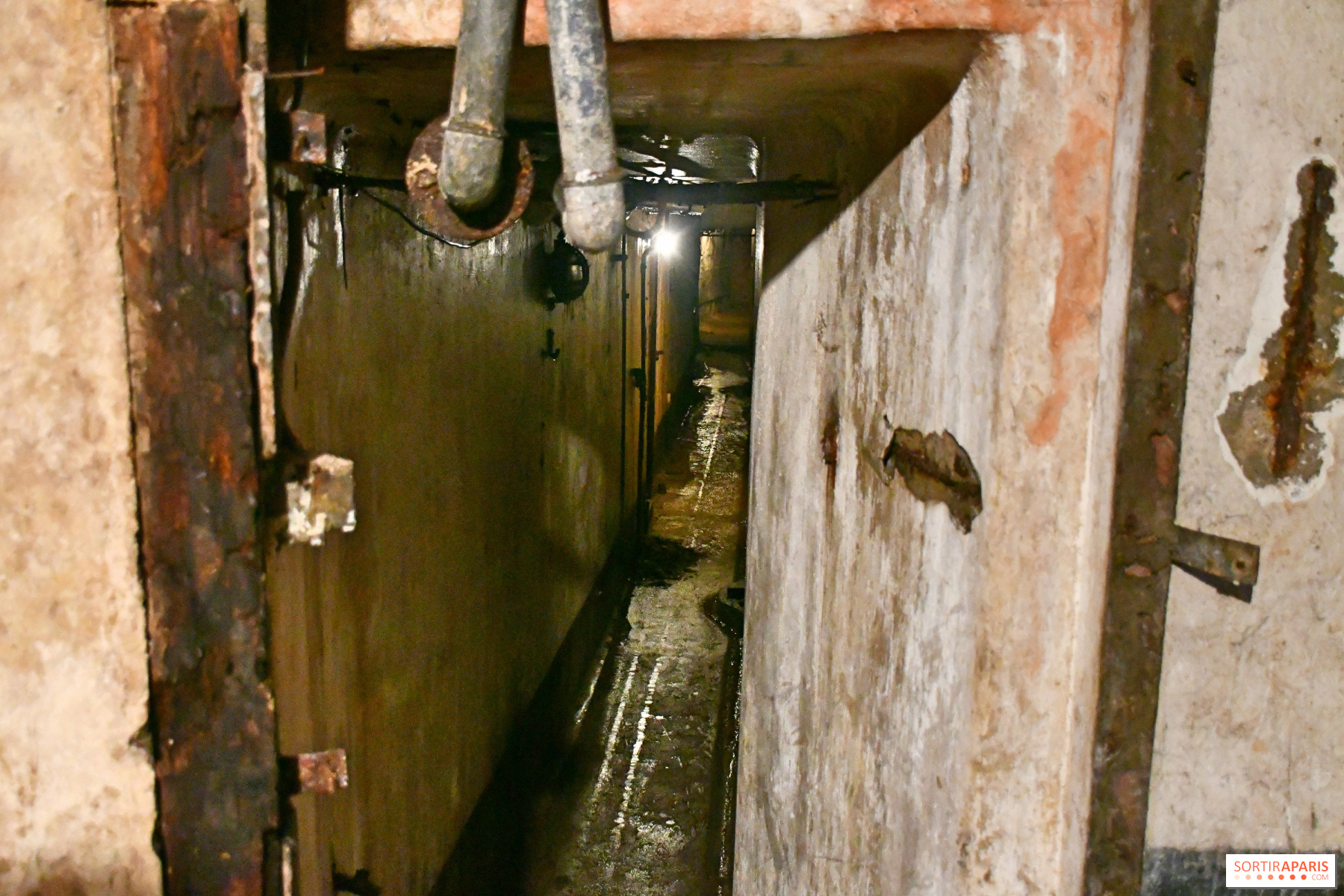
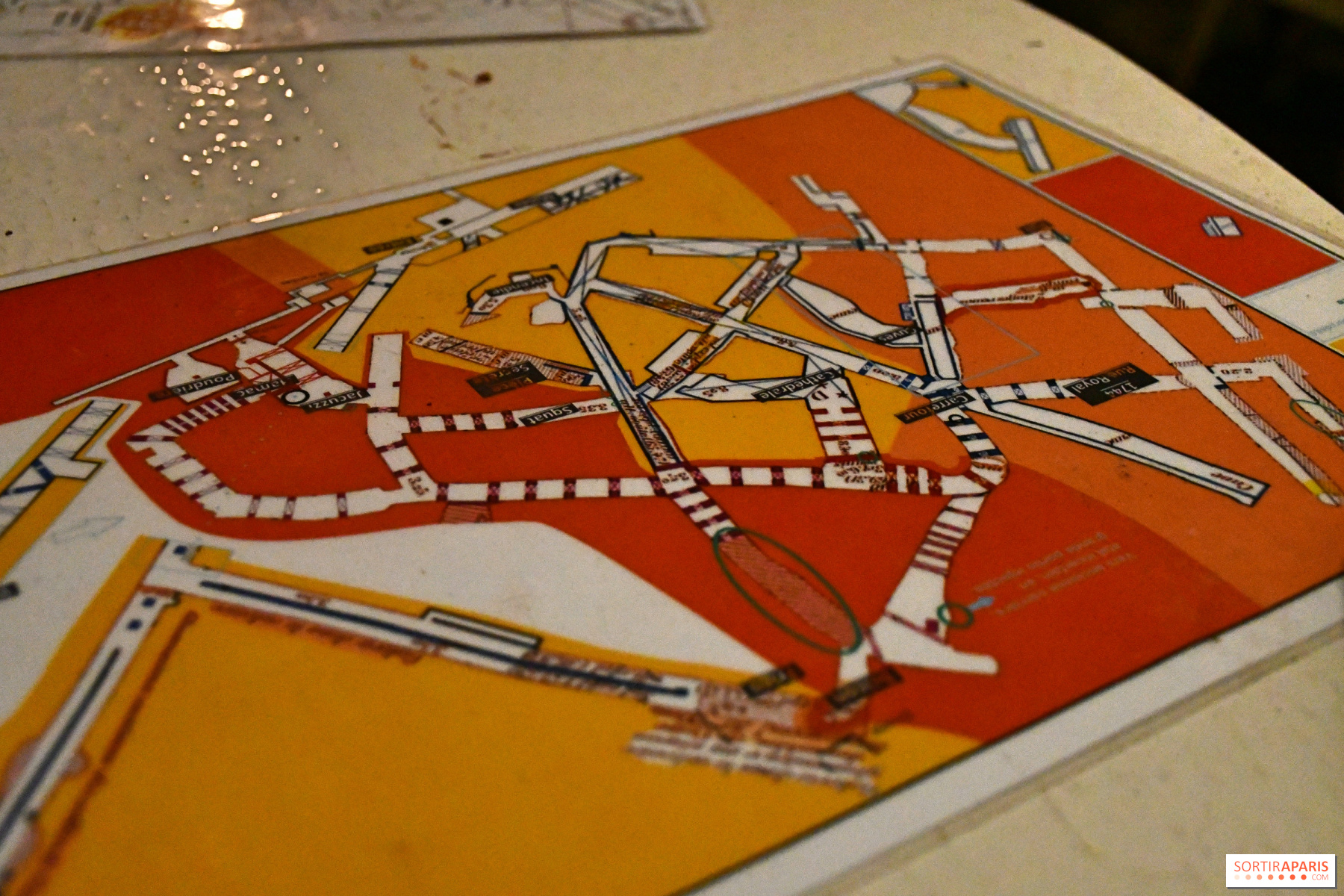
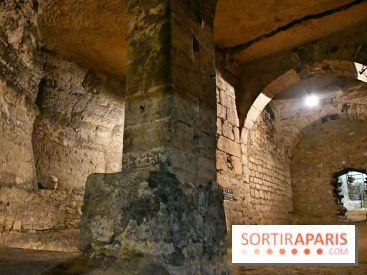
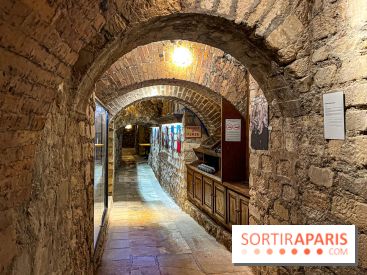
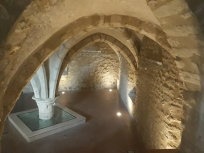
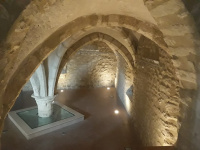
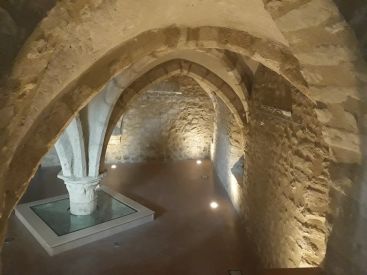
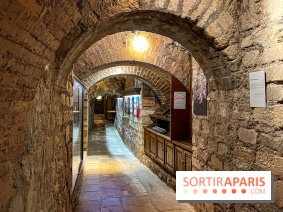
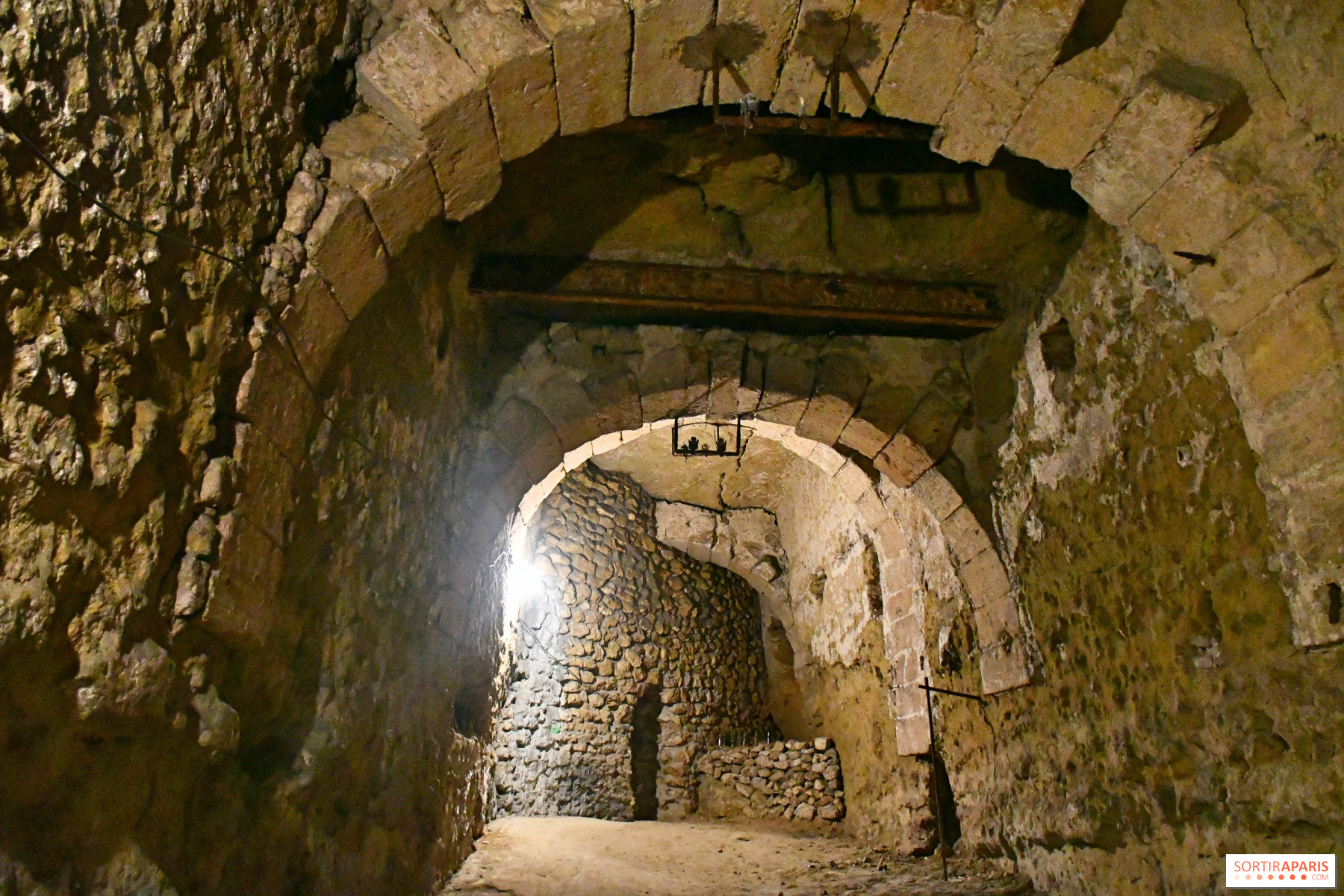
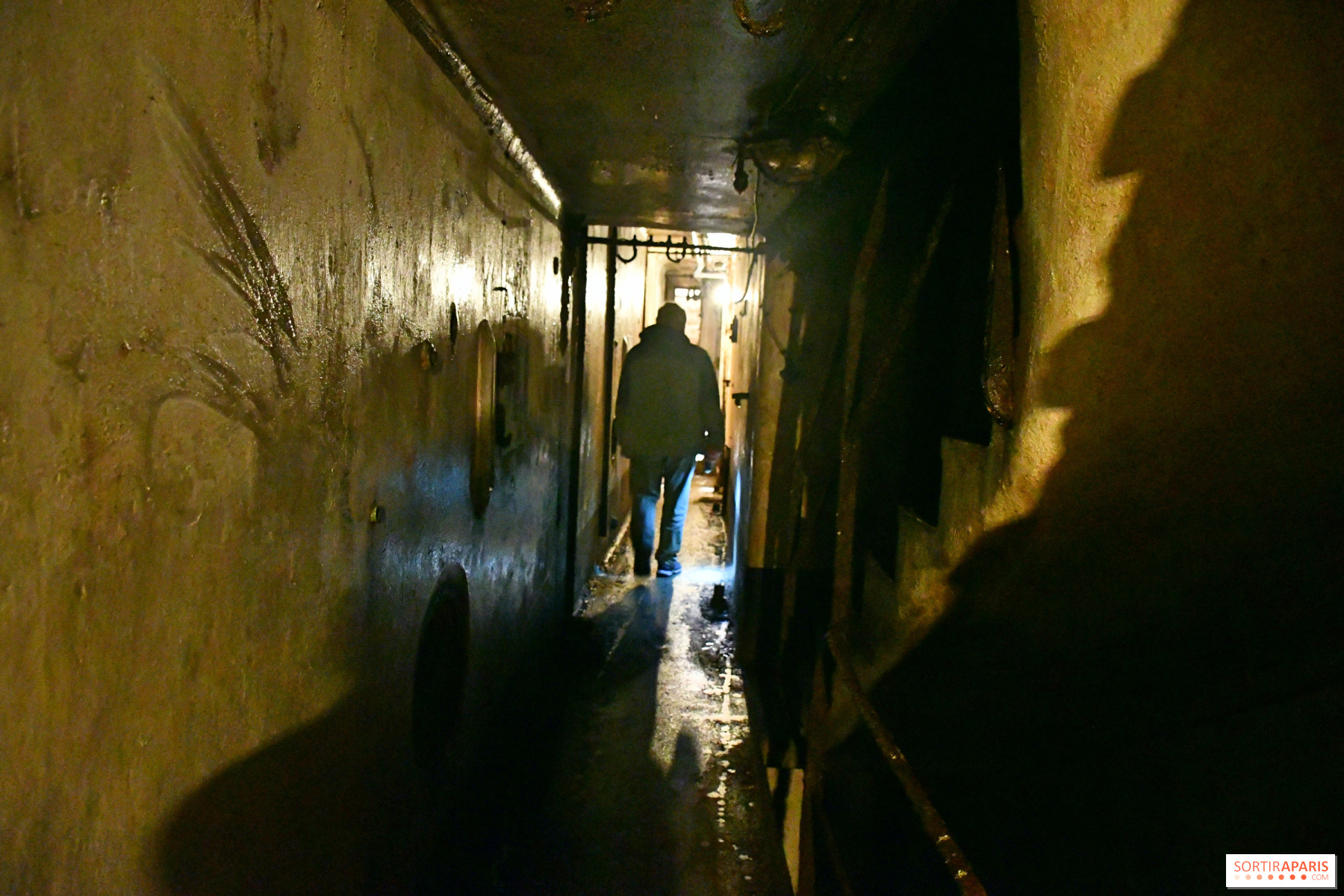
Here's a brief overview of the Caves of the King's history. But a visit here is full of surprises! From the start, you're struck by the concrete structures seamlessly blending with these historic underground tunnels. As Daniel guides us through this labyrinth, we notice tool marks on the ceiling, a reminder that part of these caves was excavated by hand. Medieval vaults sit alongside more modern reinforcements, each telling its own story of activity spanning the centuries.
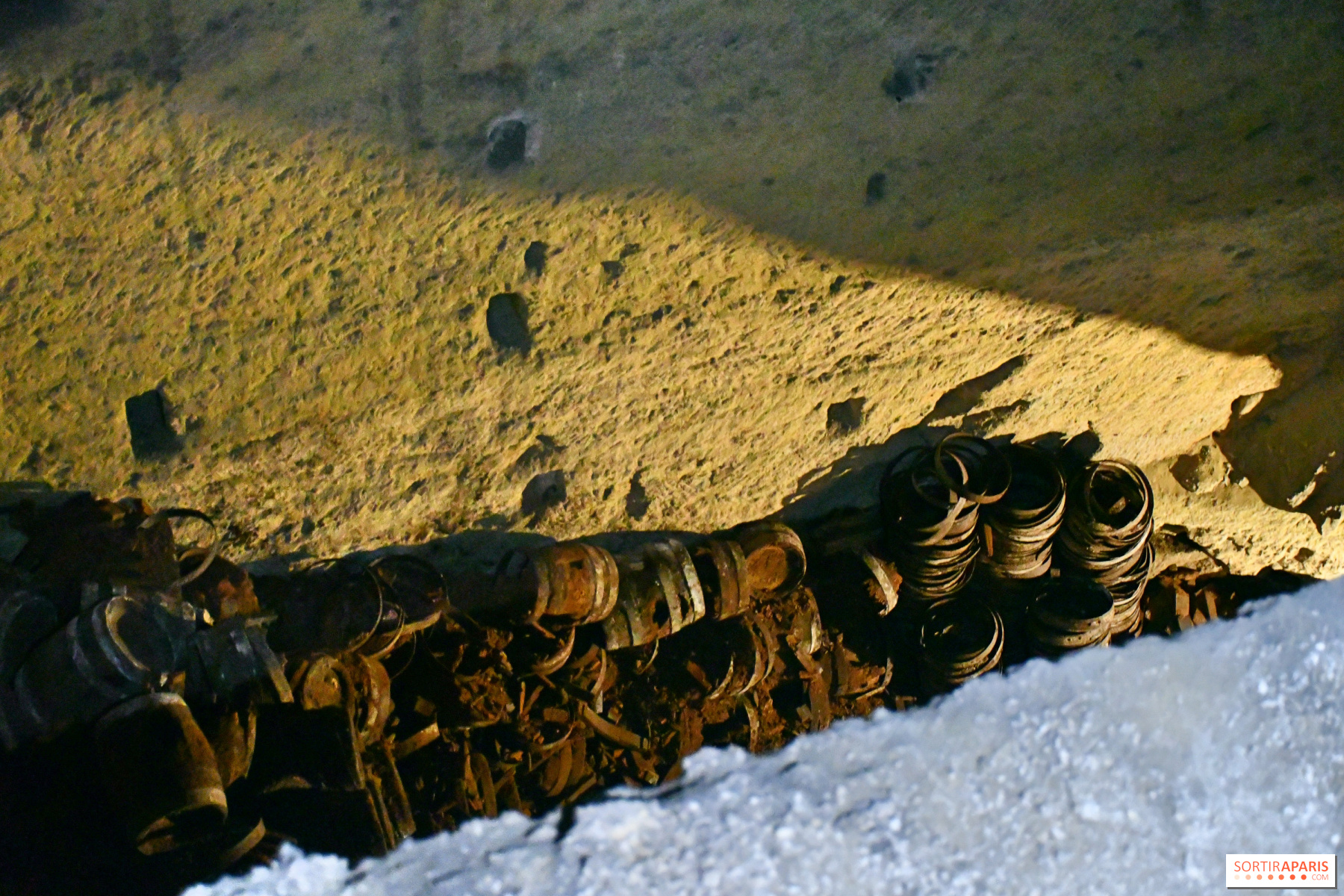
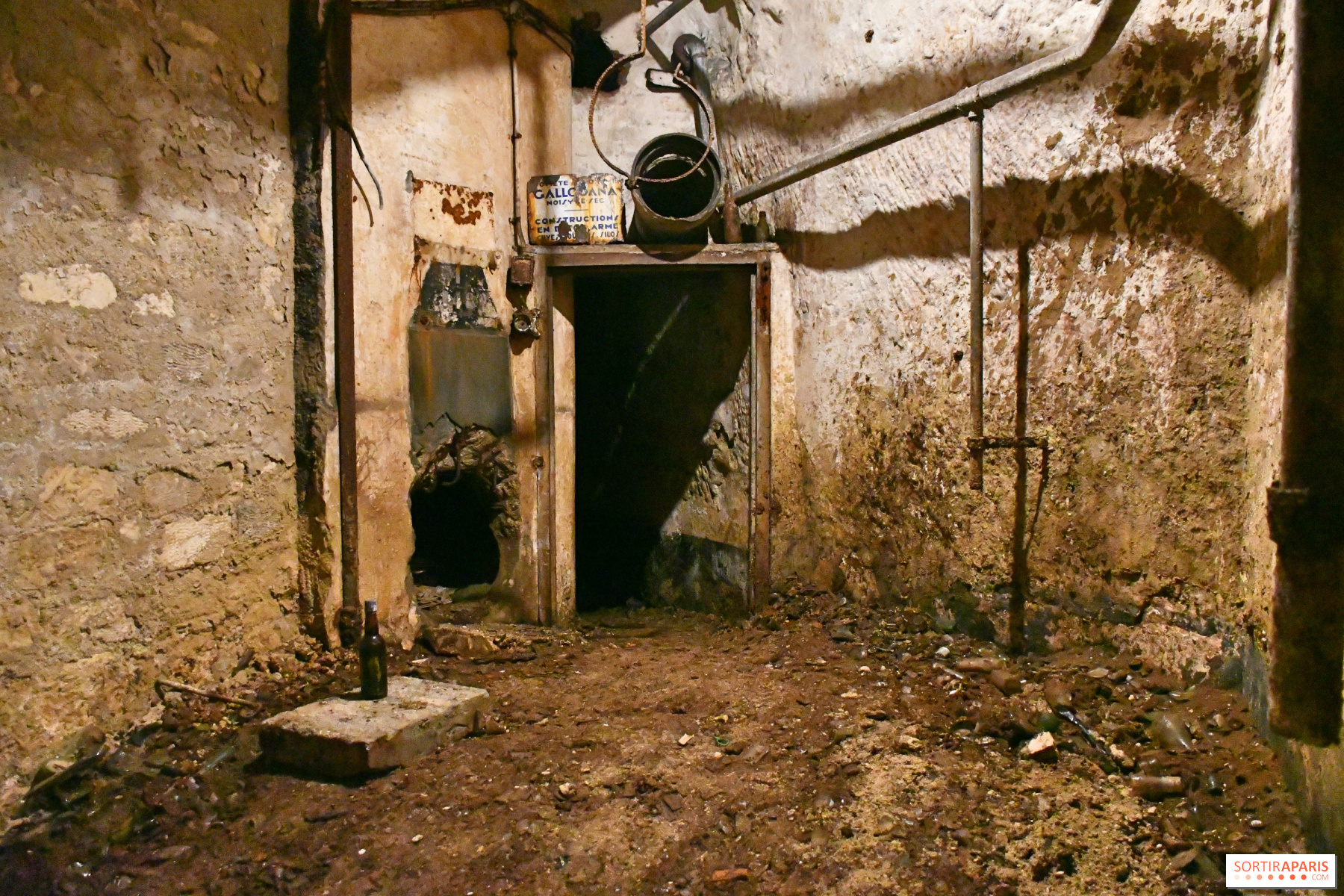
Abandoned bottles and sprawling stacks of barrels stand as silent witnesses to the former grandeur of these cellars. Yet, as the tour progresses, visitors are pleasantly surprised to find glimpses of a different world—scenes that reveal the vibrant life thriving alongside the surface, hidden beneath the historic underground corridors.
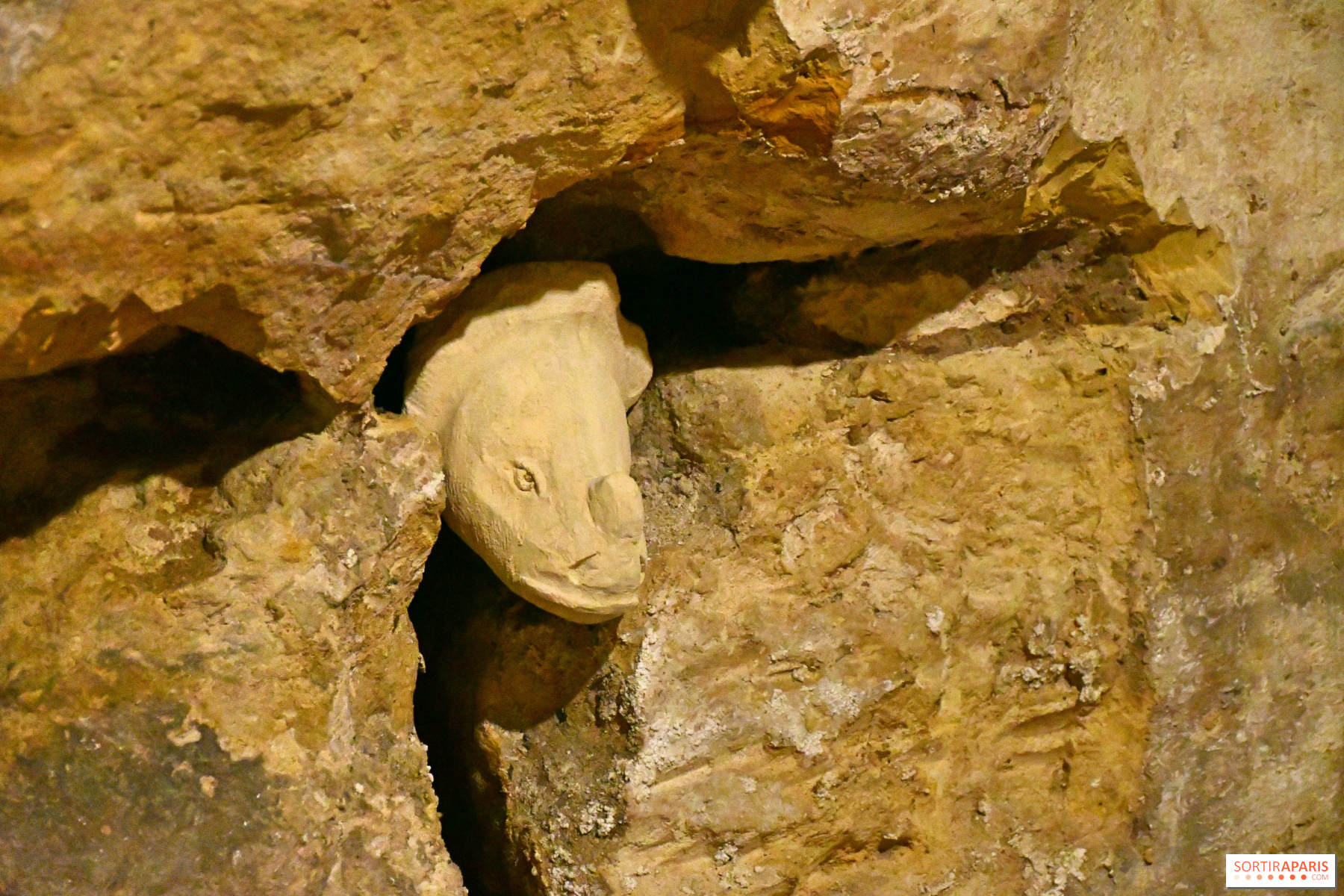
Of the five ice cellars that once stood here, only one remains visible today. During the First World War, these cellars were used to store food shipments headed to soldiers on the front lines. Later, in the Second World War, local residents took shelter in these underground tunnels to protect themselves from bombings.
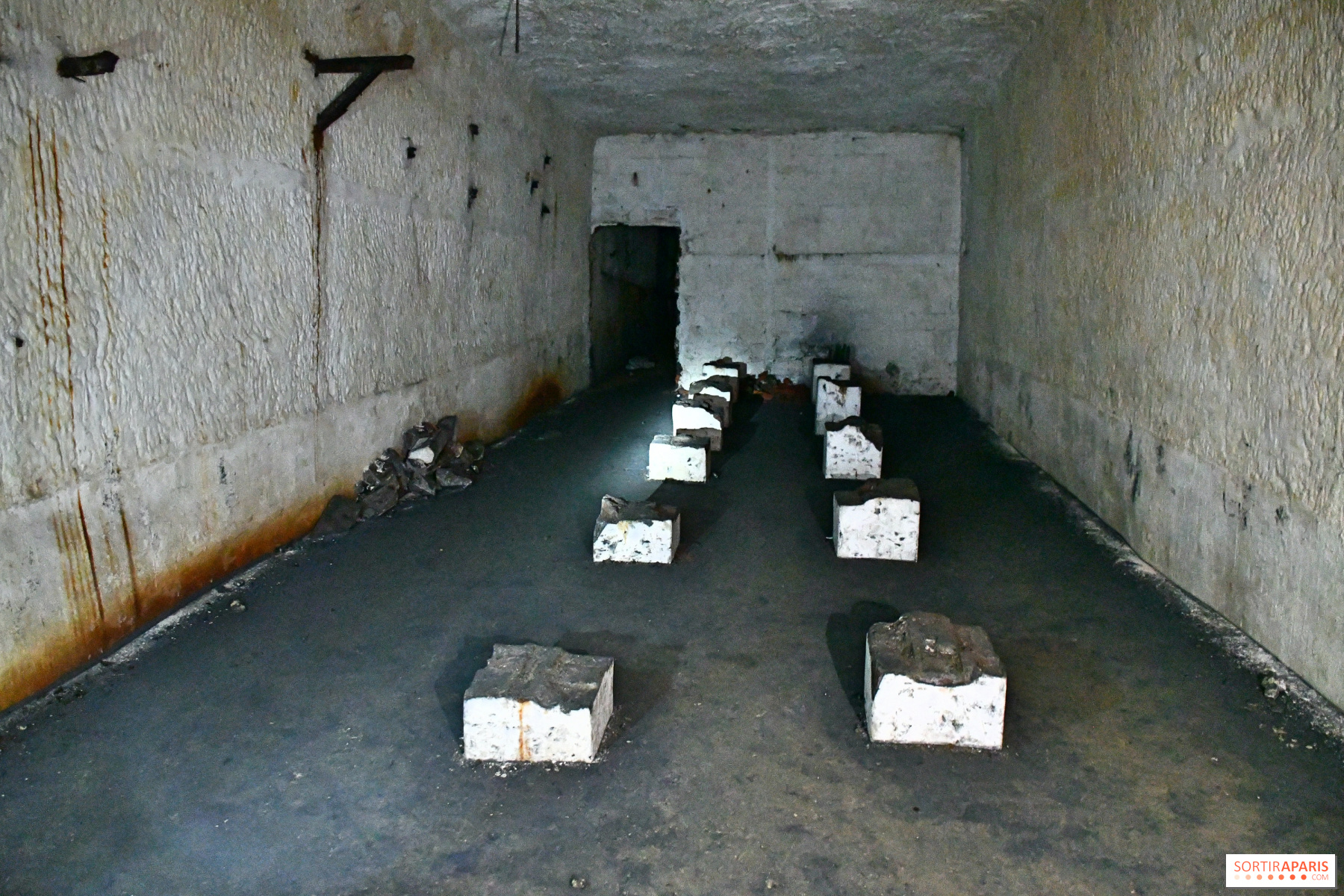
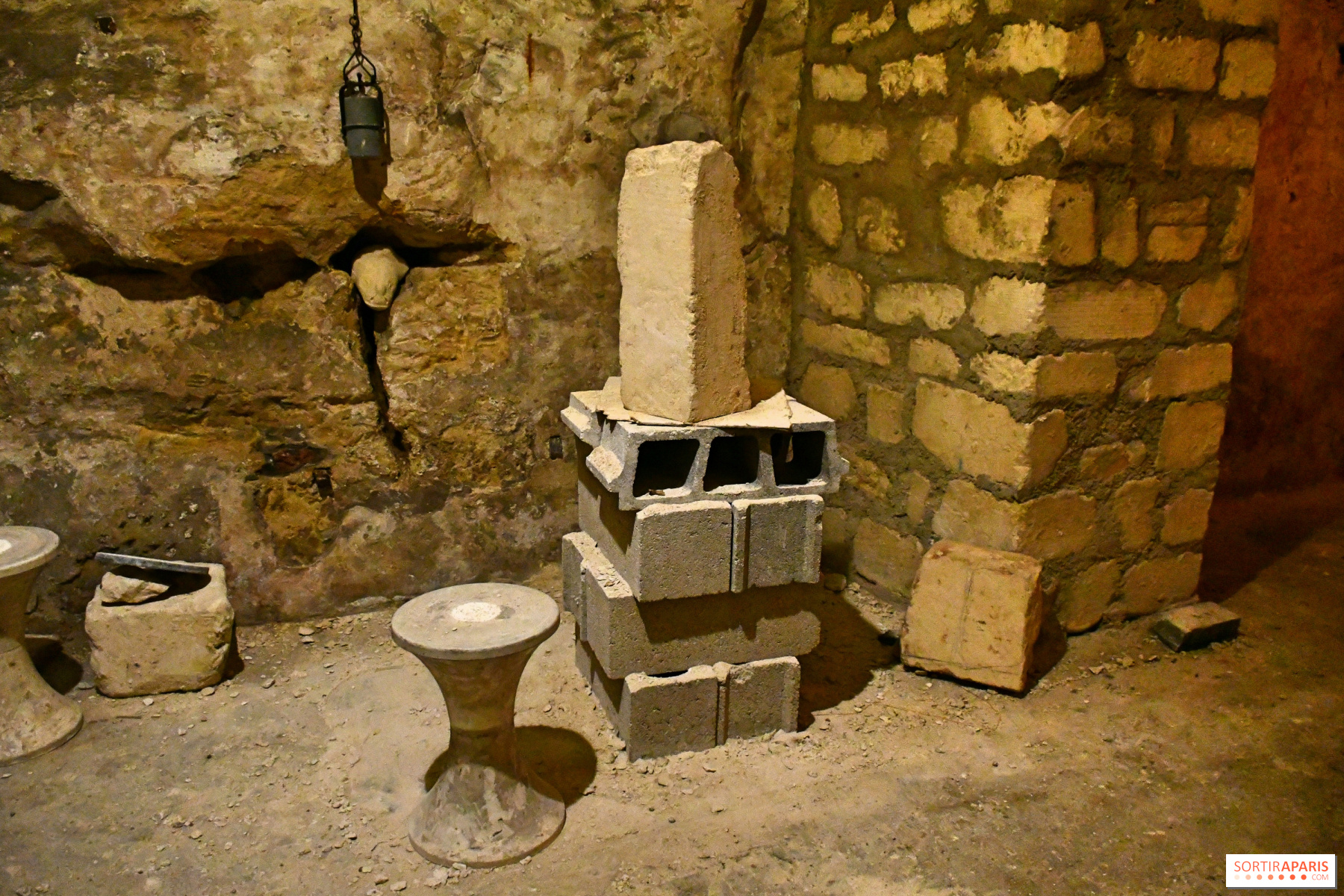
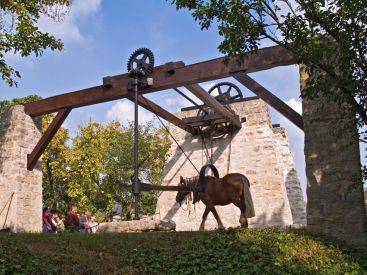
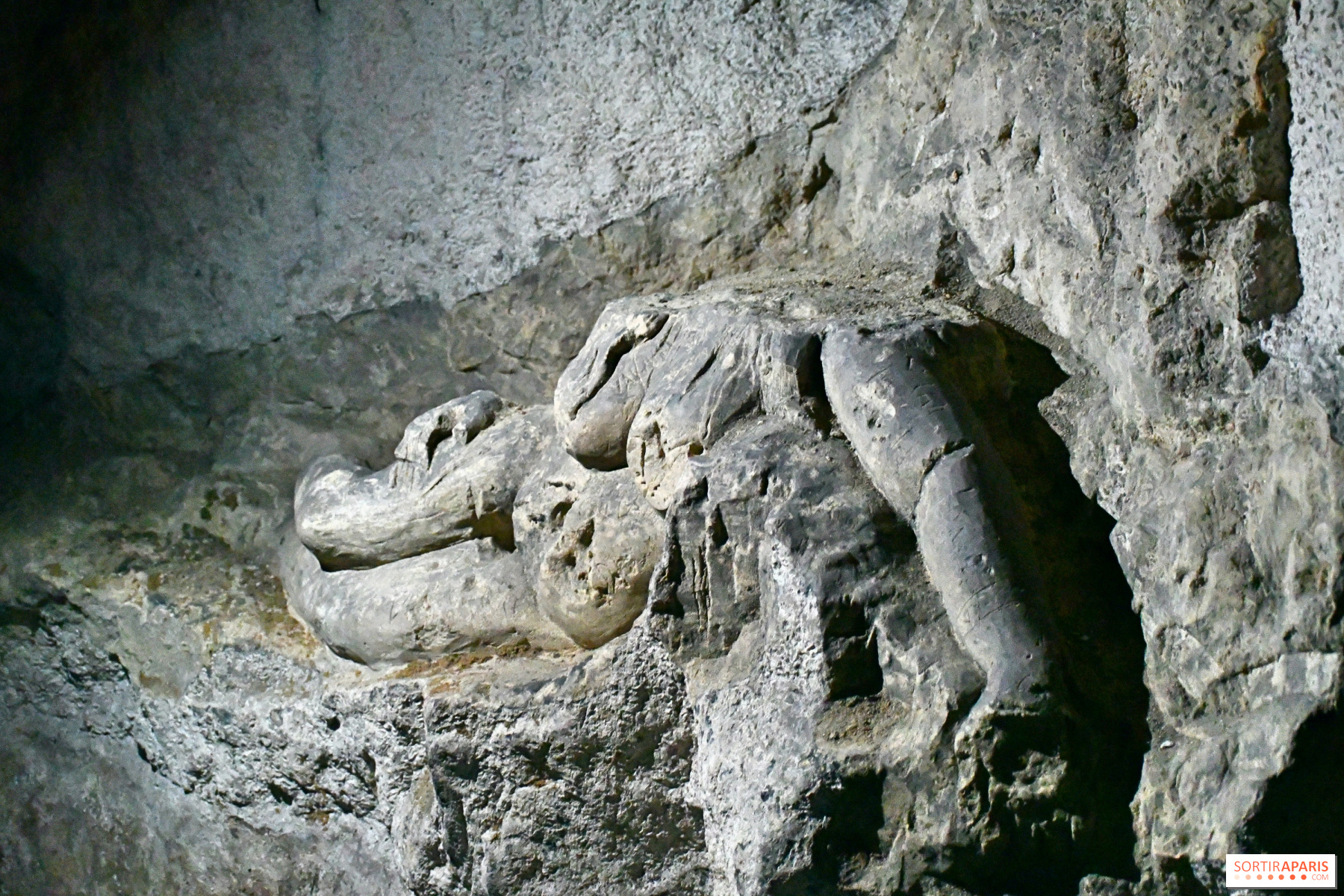
Throughout the tour, each room offers a new surprise, with spaces that sometimes take on a monumental scale—like this enigmatic underground cathedral whose full story remains shrouded in mystery. Before reaching it, visitors catch sight of a well. Further along, a mysterious female statue embedded in the wall marks the location of a spring. Keep your eyes open, and along the route, you'll notice sculptures with more contemporary touches—a playful wink to modern art. These newer works have been crafted by artists who regularly come here to create pieces from stones found on-site.
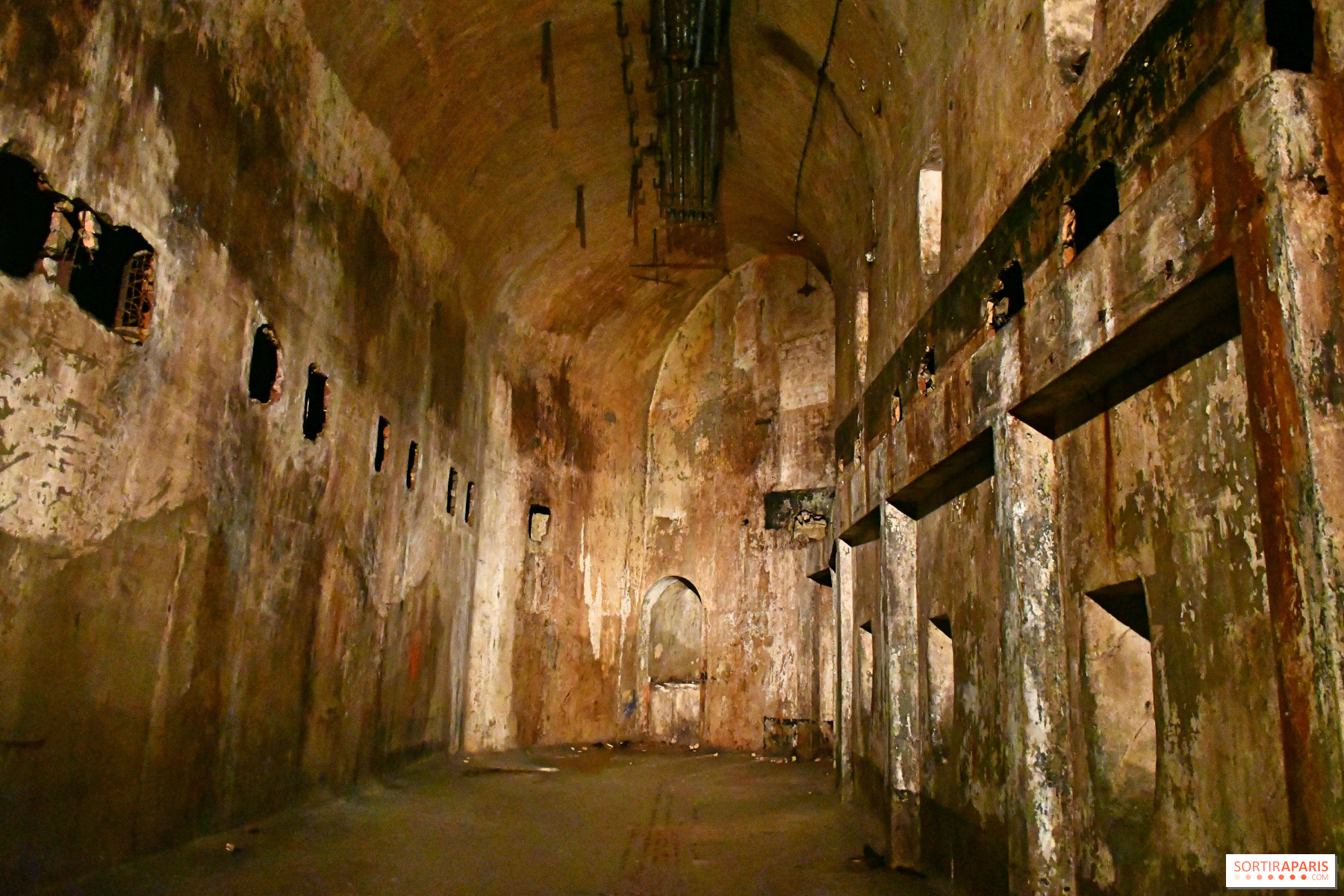
As you journey through, you're fully immersed in this exploration, sometimes by flashlight, and often captivated by the intriguing anecdotes Daniel shares with genuine enthusiasm. You're drawn to the lingering mysteries surrounding the site, repeatedly asking yourself: how is it that this place isn't more widely known?
Visits are only available by reservation, and it's essential to wear comfortable shoes and clothing that you don't mind getting dirty. Keep in mind that the temperature inside remains steady at around 12°C year-round, regardless of the season. If you have belongings with you, you'll be able to leave them at the reception point before your tour begins. The uneven terrain, with some narrow passages, stairs, and elevation changes along a roughly two-kilometer route, means this visit isn't suitable for individuals with limited mobility.
To explore the Caves of the King, you'll need to choose a date and time slot on the website of the Sèvres Society for Archaeology and History. A participation fee of €5 per person is required, and the visit typically lasts between 1.5 to 2 hours.
This test was conducted as part of a professional invitation. If your experience differs from ours, please let us know.
Dates and Opening Time
Next days
Friday:
open
Saturday:
open
Sunday:
open
Monday:
open
Tuesday:
open
Wednesday:
open
Thursday:
open
Location
Society of Archaeology and History of Sèvres
2 Place du Colombier
92310 Sevres
Official website
sevres-associatif.fr
Booking
sevres-associatif.fr