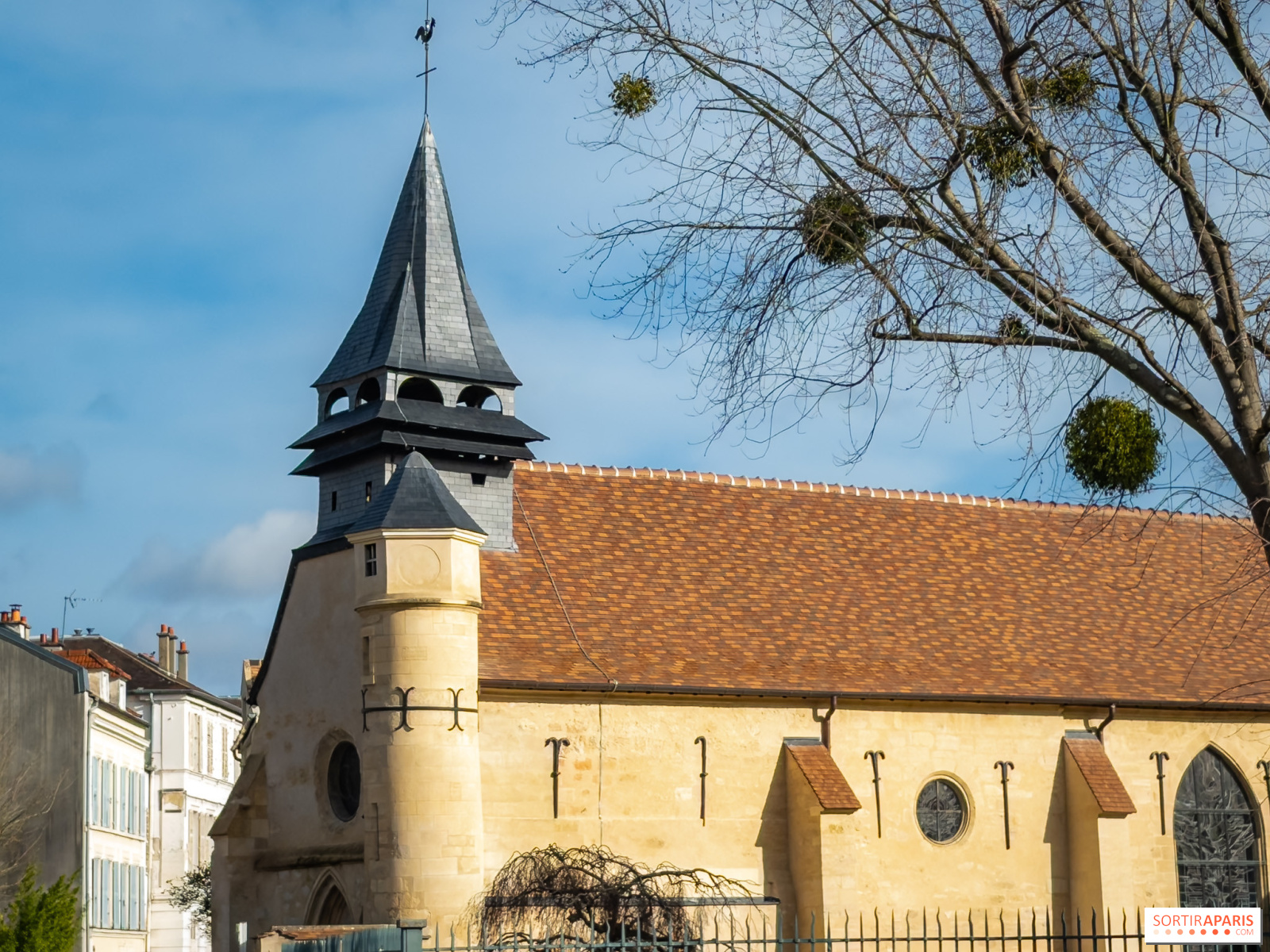
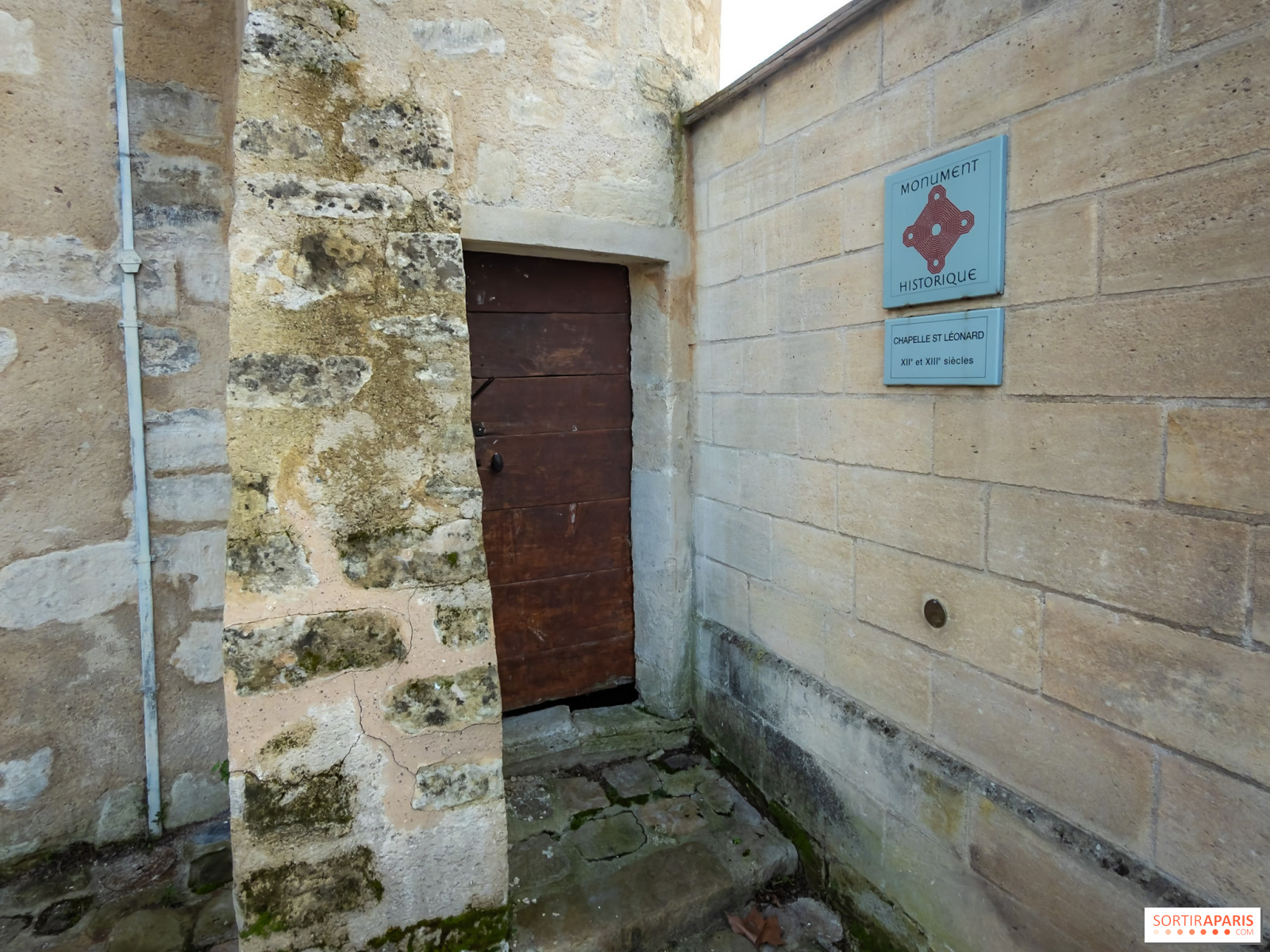
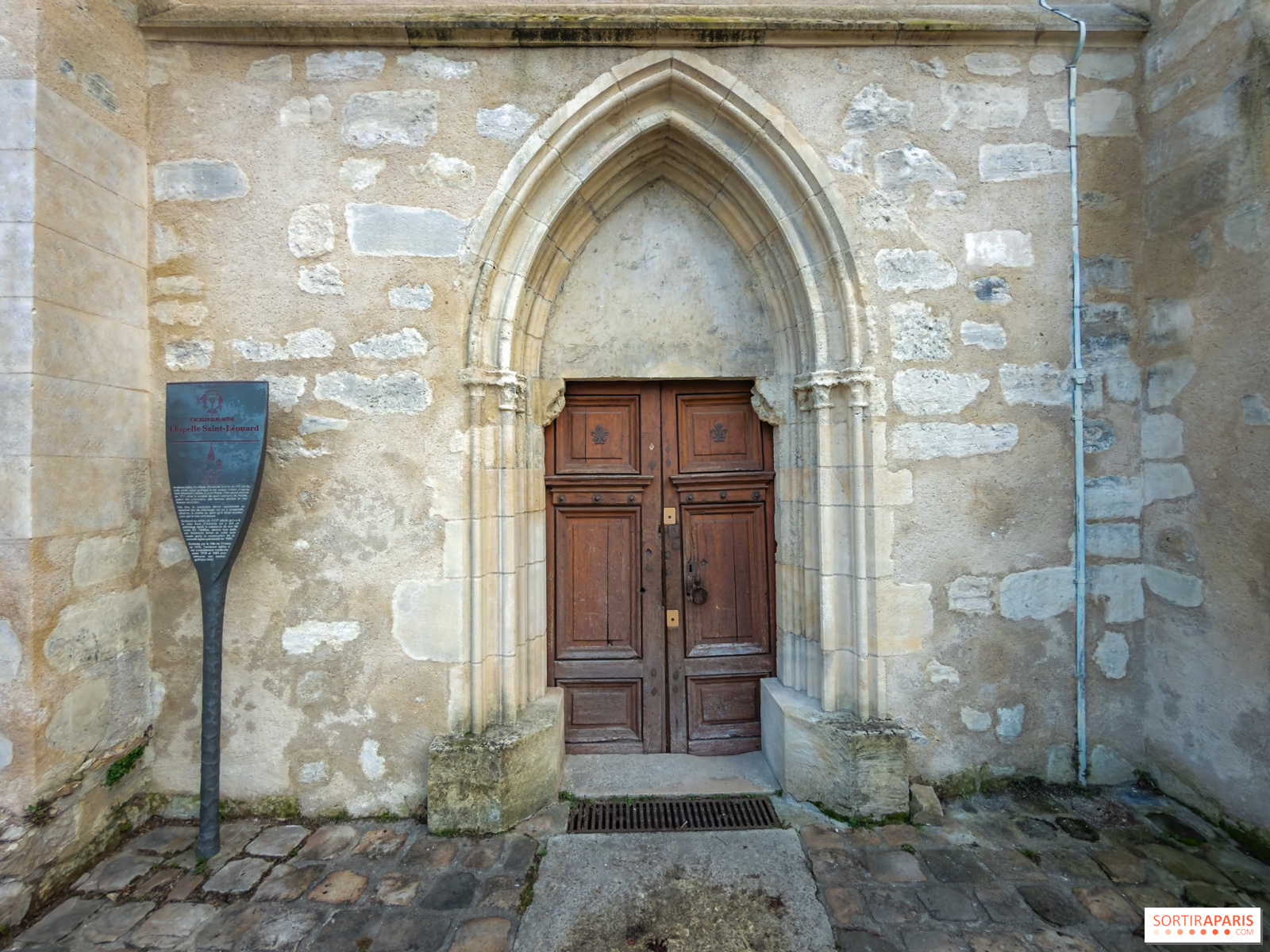
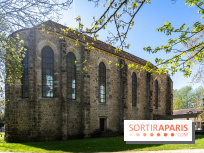
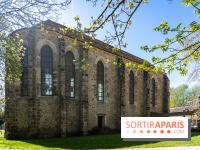
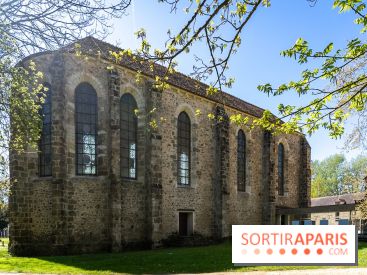
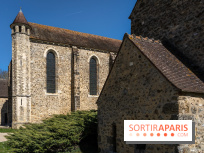
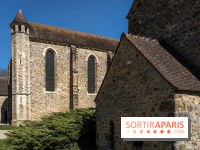
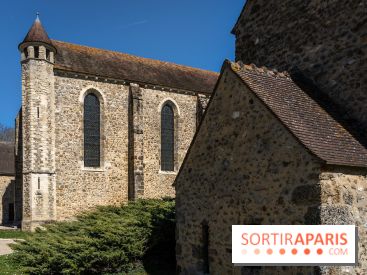
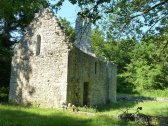
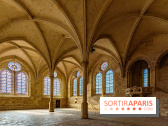
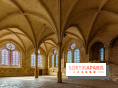
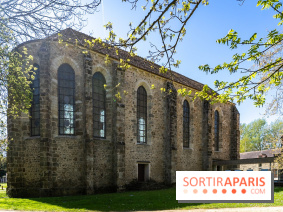
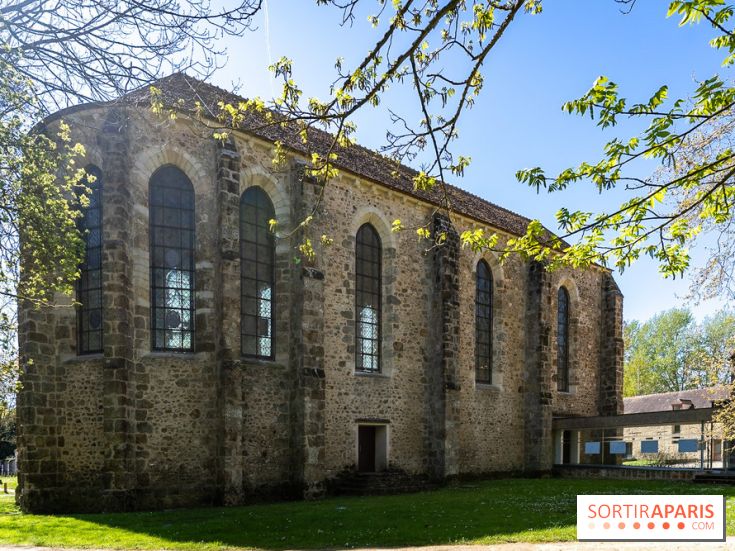
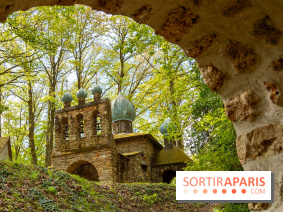
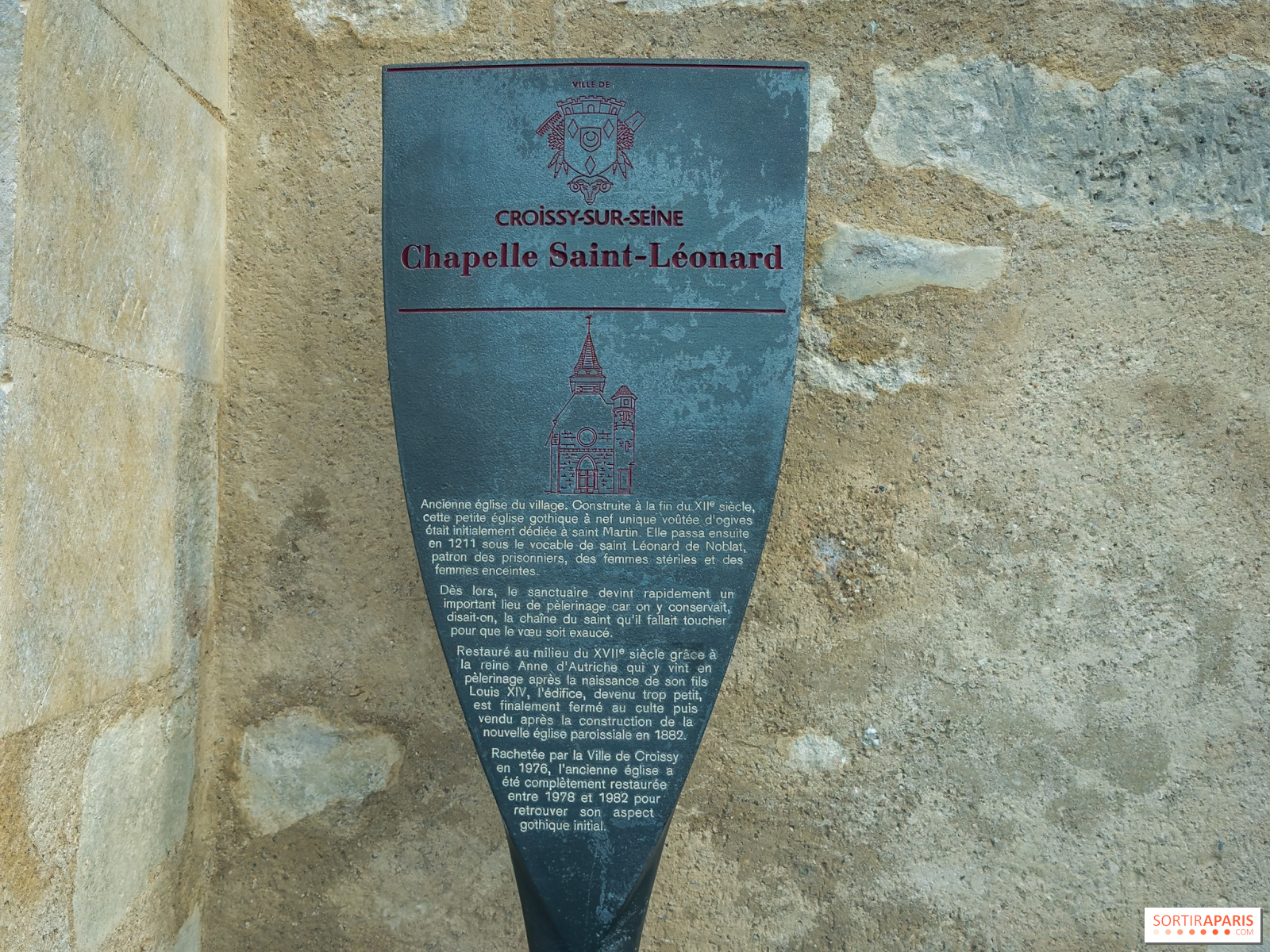
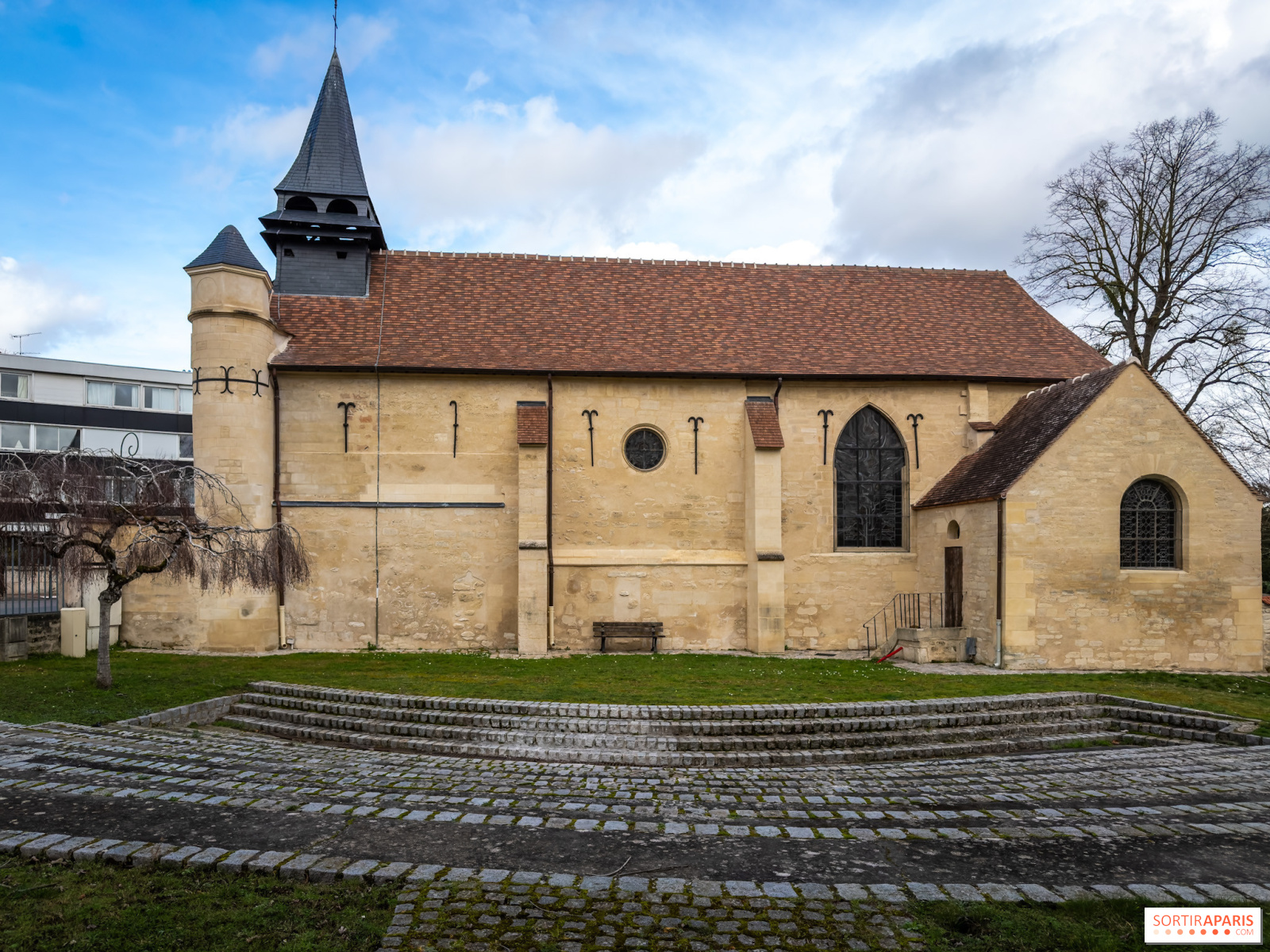
Just a short drive from Croissy-sur-Seine, in the Yvelines (78), you'll find a hidden gem facing Château Chanorier, along with its new restaurant worth visiting. Nearby, an intriguing Gothic chapel from the 13th century quietly stands at the heart of the old village, just a stone’s throw from the Seine’s banks. The Saint-Léonard-et-Saint-Martin Chapel, listed on the Supplémentary Inventory of Historic Monuments since 1942, has a fascinating history spanning nine centuries—from royal pilgrimages to closure and last-minute rescue by an artist. A remarkable destiny for a building that many pass by without realizing its significance, nestled between Chatou and Le Vésinet.
An church built on the site of a Norman massacre
The story begins long before the first stones are laid. The very land where the church was built at the end of the 12th century is the same site where villagers were massacred by the Normans in 846. A buried memory beneath the stones that few visitors ever imagine as they walk through the door.
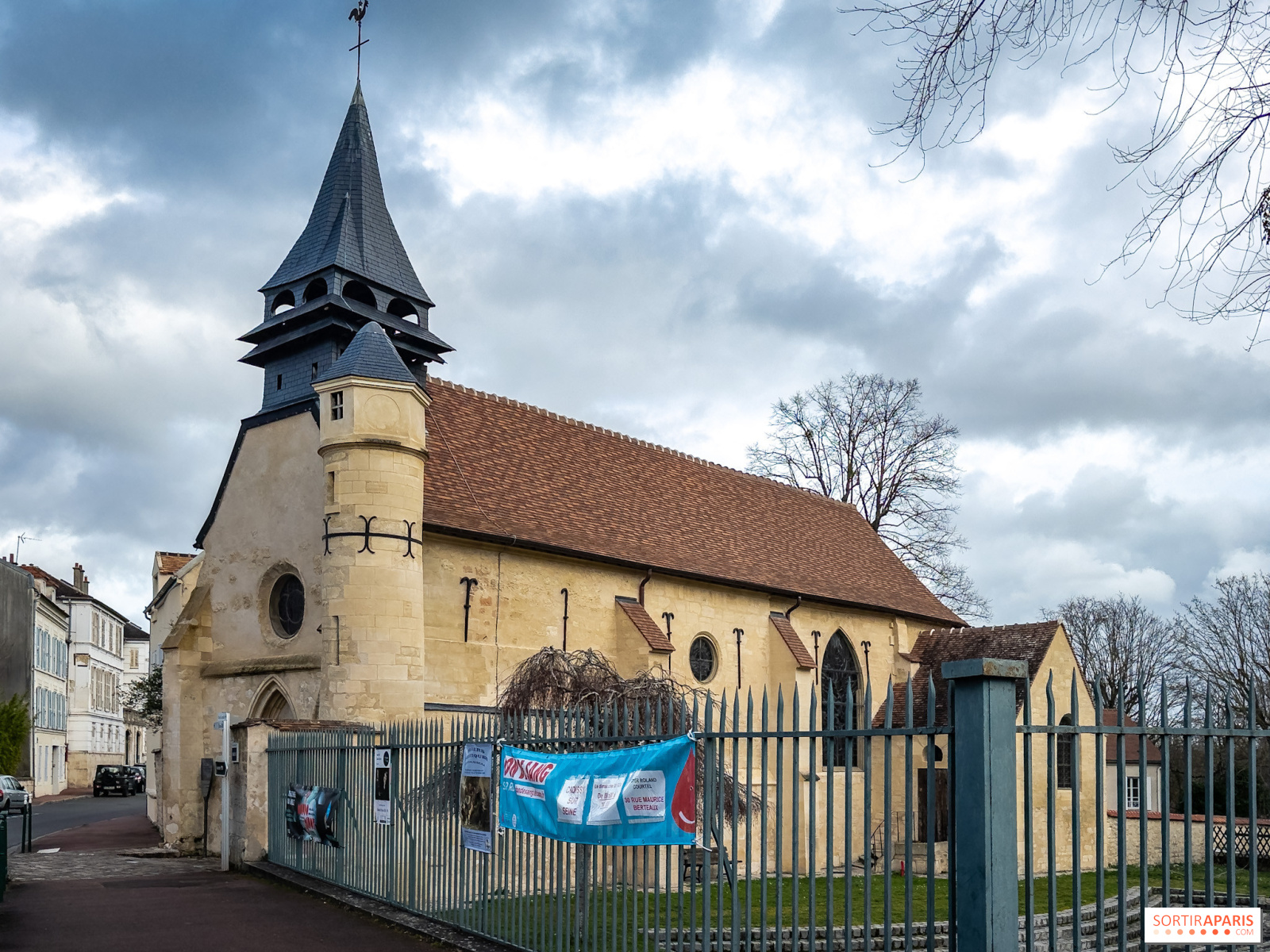
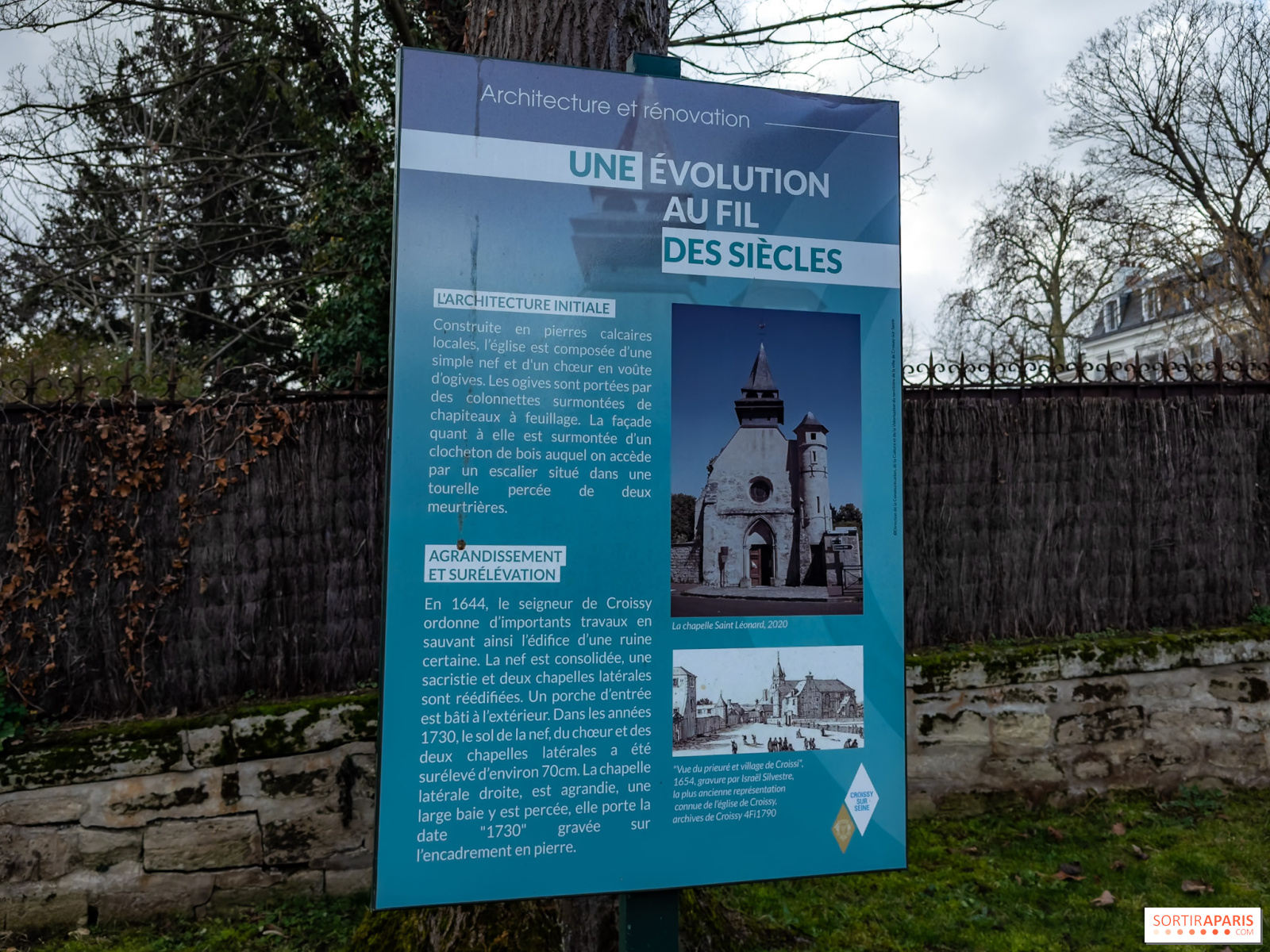
Originally dedicated to Saint Martin of Tours, the church's purpose shifted in 1211 when the Bishop of Paris entrusted the parish to the Augustinian canons from Saint-Léonard-de-Noblat in Limousin. They brought with them relics of the saint, known as the patron of prisoners, barren women, and expectant mothers. From that point on, the building adopted a dual patronage that remains reflected in its name to this day.
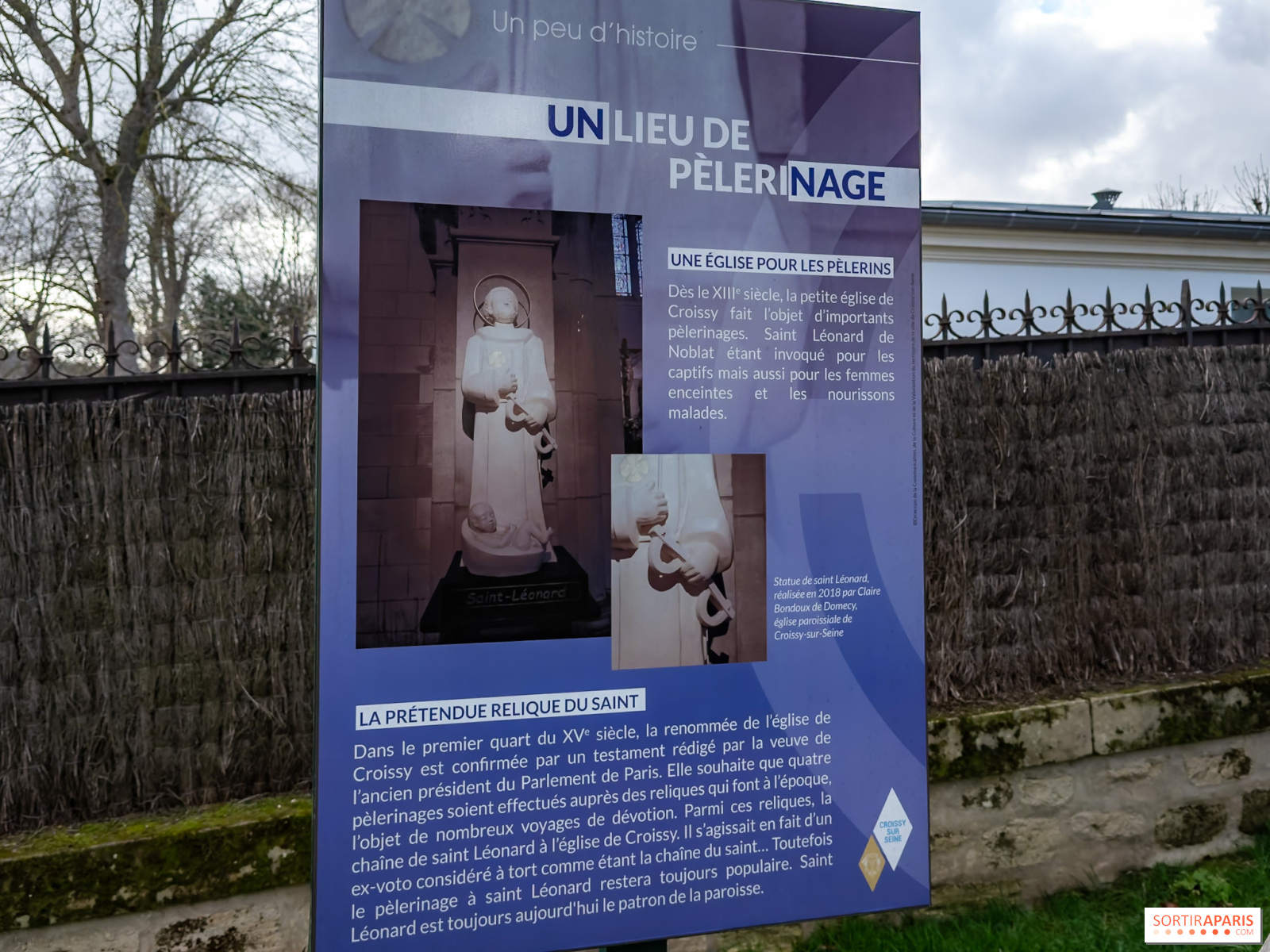
The fame of the sanctuary spreads quickly throughout the region. As early as the 13th century, large crowds flock to Croissy, eager to touch what they believe is Saint Leonard's chain. Legend has it that this relic has the power to grant the wishes of captives, pregnant women, and sick infants.
The interior walls are adorned with votive paintings, showcasing thanks for the blessings received. A testament penned in the first quarter of the 15th century by the widow of a former president of the Parliament of Paris affirms the site's renowned reputation: she requests that four pilgrimages be made to honor these famous relics.
Local tradition even holds that Blanche of Castile came here to pray for her son's release — the future Saint Louis — who was then a captive of the Barbary pirates. La Mémoire de Croissy describes this legend as a "charming local story" that cannot be definitively proven. Nonetheless, it continues to add an intriguing layer to the site's mystique.
What is well-documented, however, is the visit of Anne of Austria. The Queen of France, whose chief lady-in-waiting was Louise Angélique Dansse, wife of François Patrocle, Lord of Croissy, displayed a special devotion to Saint Leonard — the patron saint invoked for the safe delivery of women expecting a child.
France has long been eager for a royal heir, and the pressure on the queen is immense. Anne goes to pray at Croissy. Louis XIV is born in 1638 in Saint-Germain-en-Laye, just a few kilometers away. Coincidence or miracle, the queen never forgets. As a gesture of gratitude, she funds significant restoration work on the church alongside François Patrocle and presents the parish with a beautiful carved pulpit.
This lectern has its own rather tumultuous history: after being acquired in 1896 by the painter who purchased the church, it was eventually returned to the parish thanks to the Robida family. Today, it is carefully preserved at the Church of Saint Leonard in Croissy.
In 1882, the church, having outgrown the needs of a rapidly expanding community, was closed to worship. The diocesan architect had warned as early as 1875 against pouring funds into a building “that offers little artistic value and will inevitably need to be replaced sooner or later.” Consequently, a larger parish church was built, and the old chapel, stripped of its furnishings, was left to its fate.
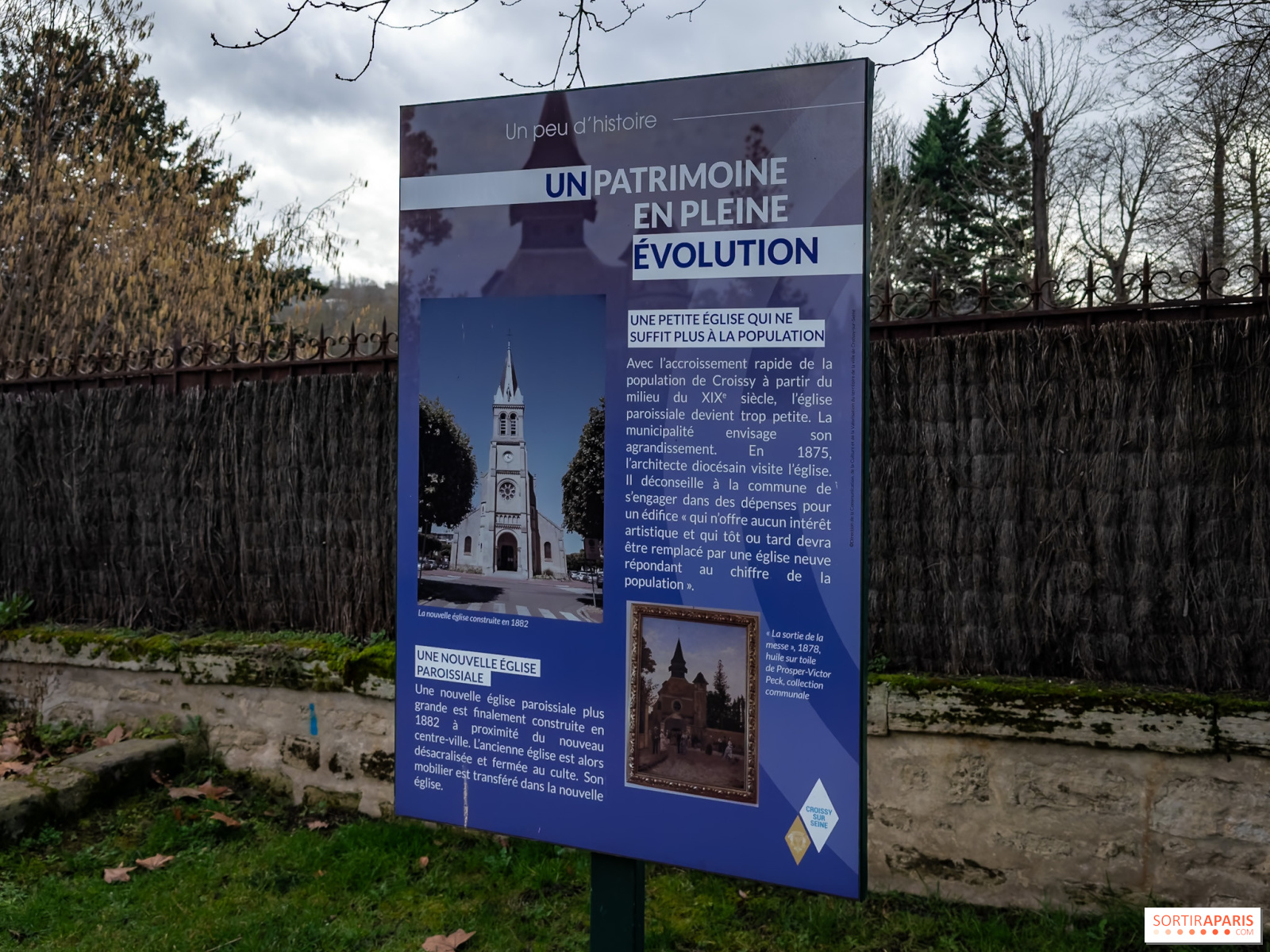
This is where painter Théophile Poilpot steps in, purchasing the site in 1896 and thereby saving it from almost certain destruction. He transforms it into his workshop and a small museum, installing fourteen painted choir stalls from the 15th century along the gallery ramp, and at the same time, acquiring the famous lectern gifted by Anne of Austria.
A little anecdote to end on: the architect of the new parish church subtly included his own features in one of the stained glass windows, lending his face to Saint Francis of Assisi, who is depicted holding a miniature replica of the building he had just designed.
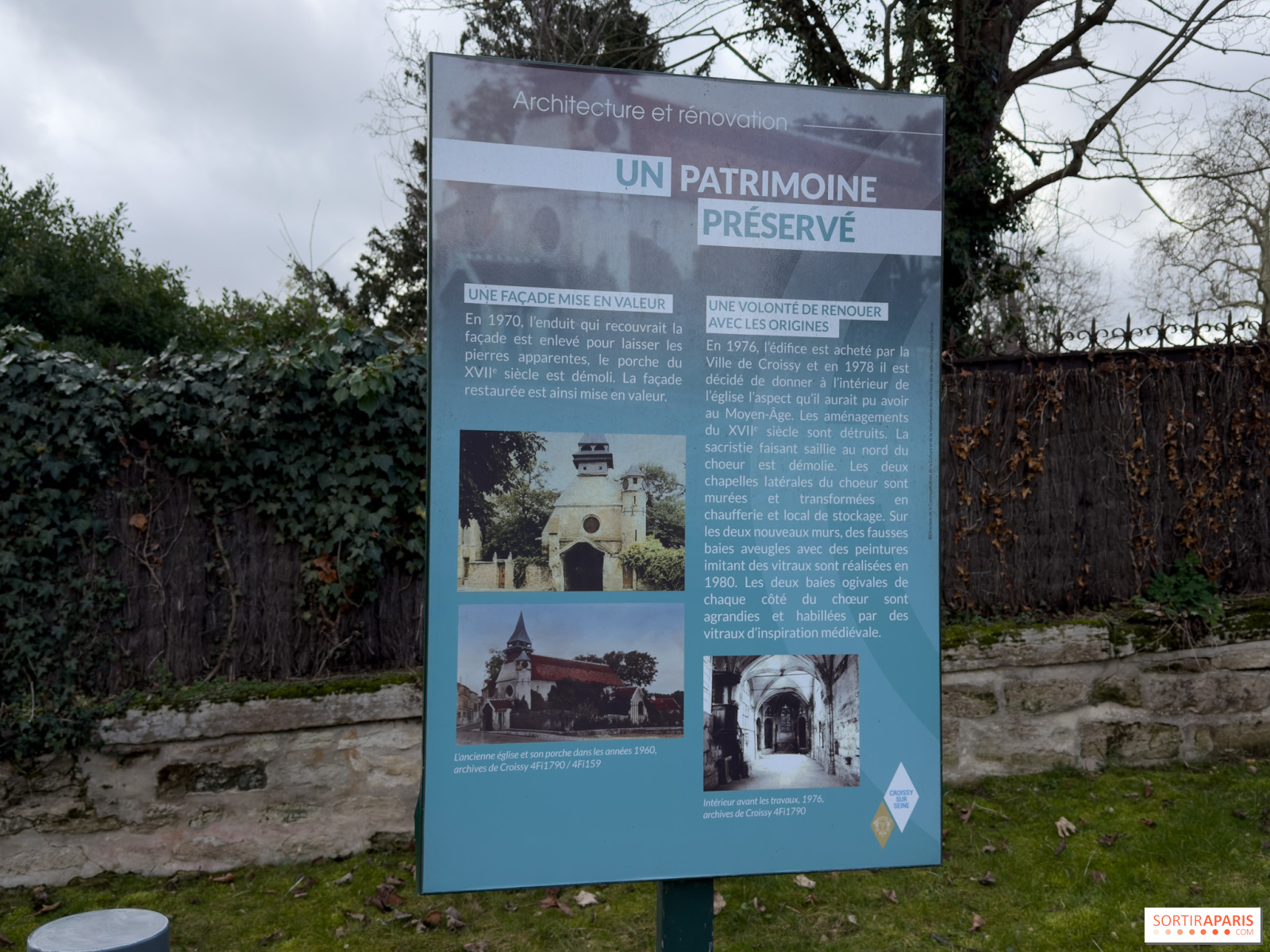
The Town of Croissy acquired the building in 1976 and set out to restore its original Gothic appearance. Between 1978 and 1982, 17th-century renovations were removed, the sacristy was demolished, and two new ogival windows were inserted on either side of the chancel. These windows were adorned with medieval-inspired stained glass created in 1984 by Emmanuel Chauche.
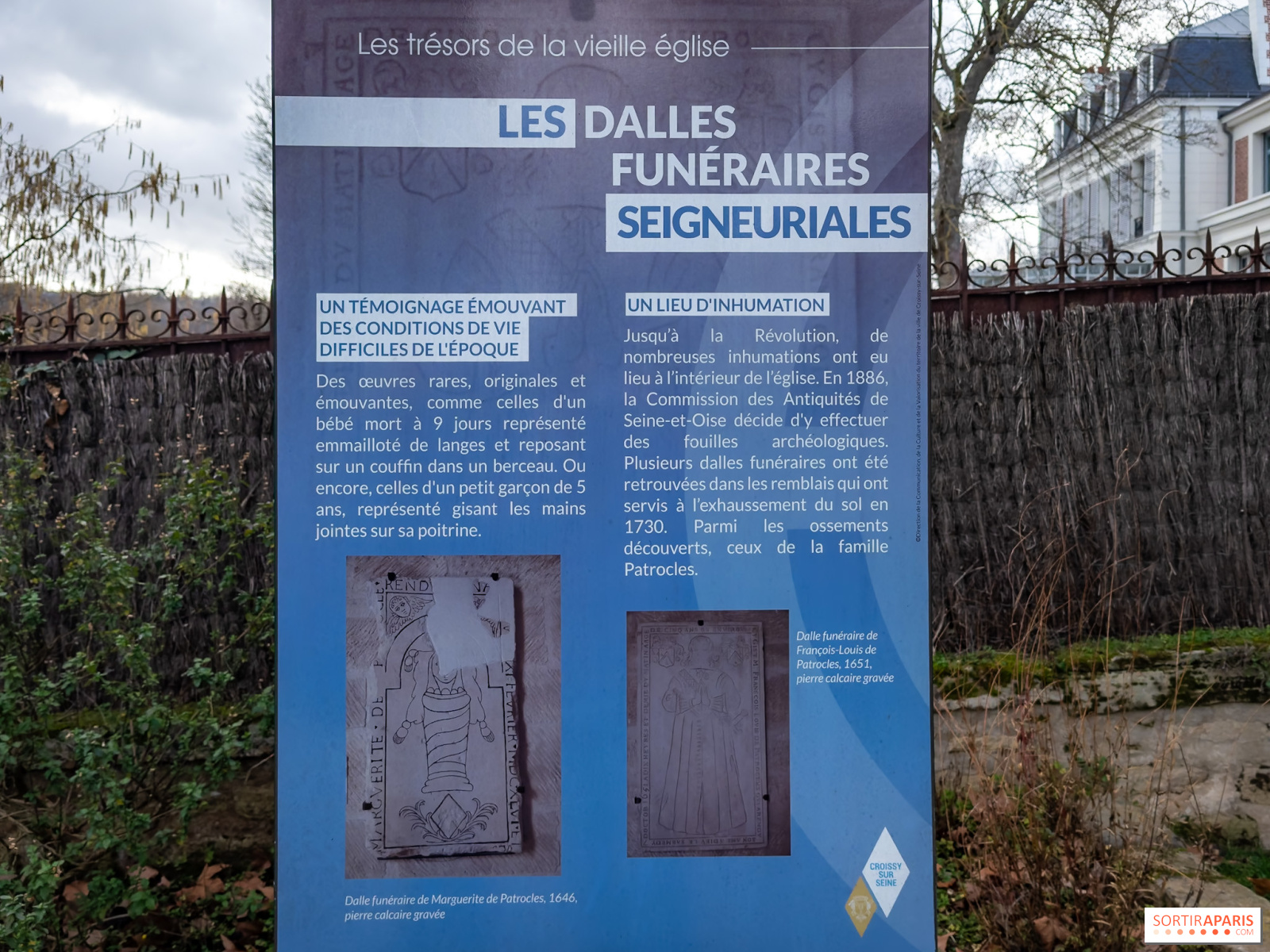
The mysterious funerary slab still adorns the walls today—a dark band bearing the coat of arms of the Patrocles family. Beneath the surface, archaeological excavations conducted in 1886 by the Seine-et-Oise Antiquities Commission unearthed funerary tiles from the 17th and 18th centuries, including those of the Patrocles family. Among the bones exhumed, there are believed to be those of the lord of Croissy himself.
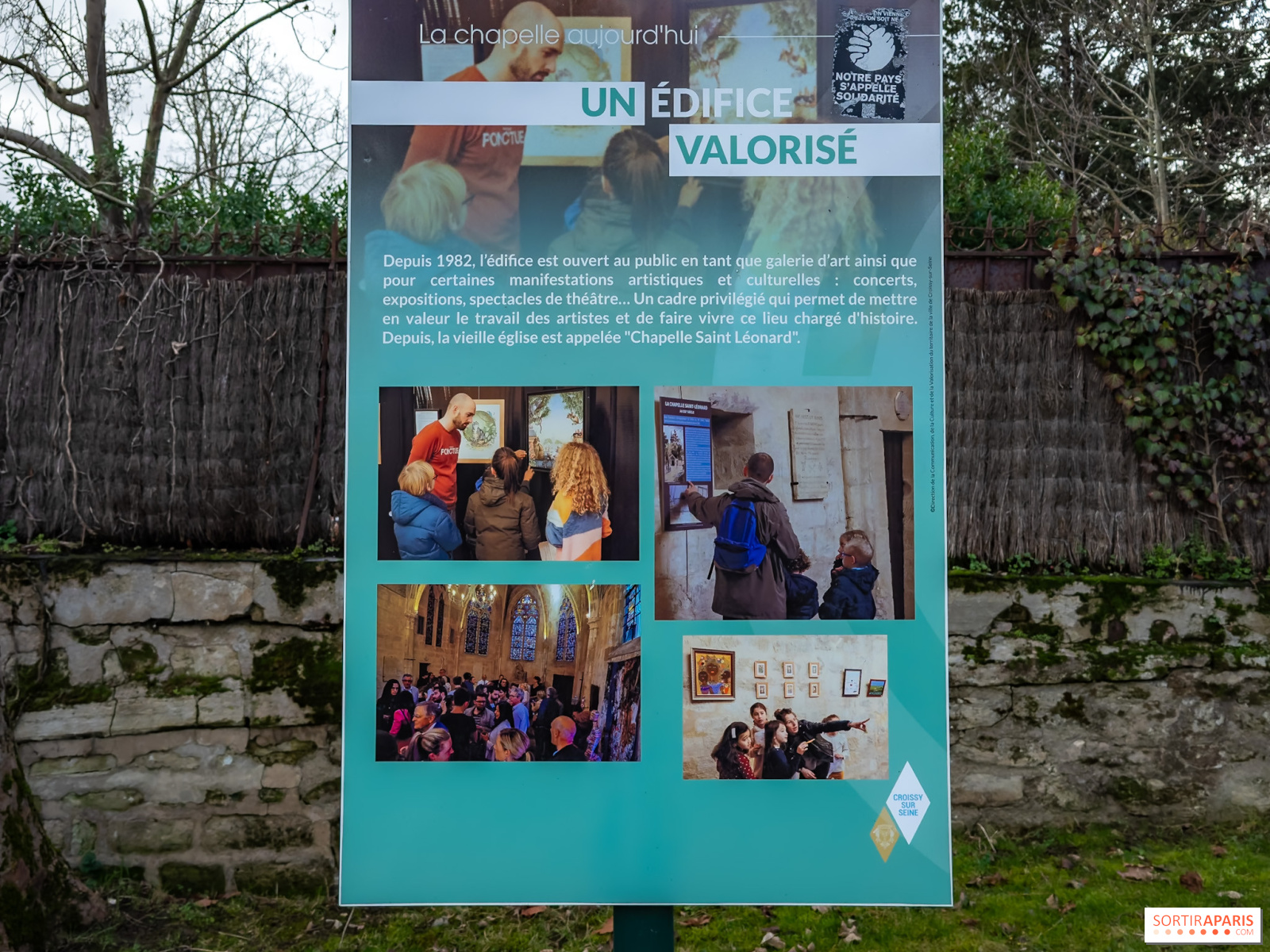
Since the 1980s, under the new name Saint Leonard's Chapel, the historic church has been opening its doors to the public during temporary exhibitions, concerts, and performances—culminating annually in the European Heritage Days. Nestled on Grande Rue in Croissy-sur-Seine, it’s easily reachable from Paris via the RER A line to Saint-Germain-en-Laye, stopping at Le Vésinet-Le Pecq station. For the latest schedule and events, check out the Croissy-sur-Seine Town Council website. It’s a perfect heritage getaway to include in a stroll along the Seine—a corner of the Yvelines that certainly has its fair share of stories to tell.
Location
The Saint-Léonard and Saint-Martin Chapel of Croissy-sur-Seine
12 Grande Rue
78290 Croissy sur Seine
Prices
Free
Recommended age
For all
Official website
www.paroissecroissy.fr