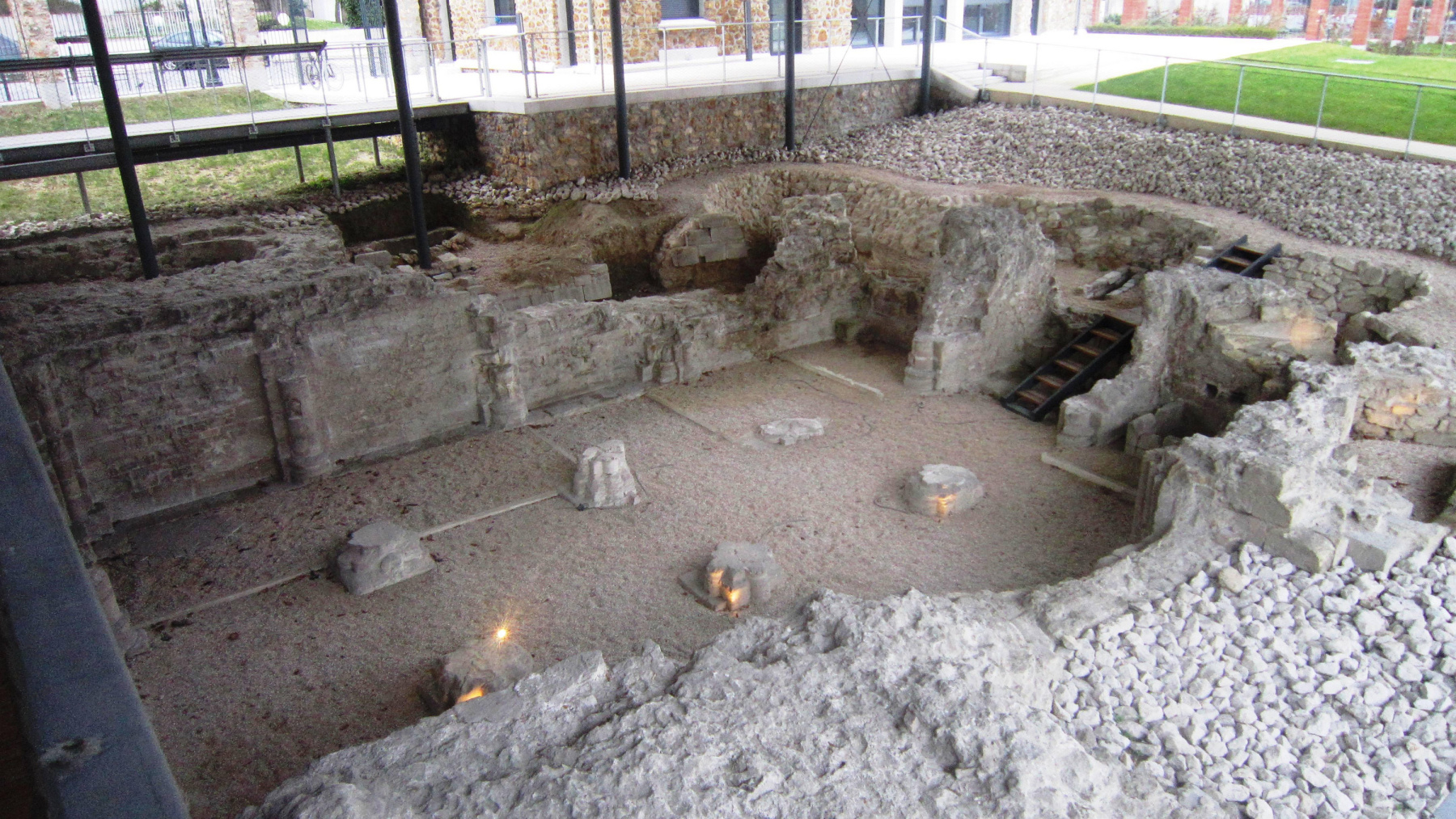
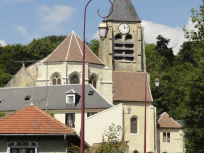
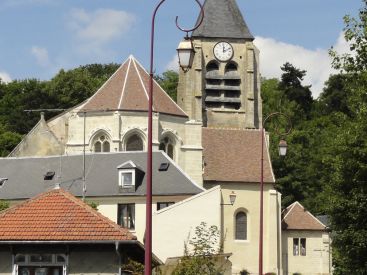
In Argenteuil, nestled within a surprising square, visitors can explore the ruins of an abbey with a history closely linked to the legendary medieval couple Héloïse and Abelard. The Notre-Dame d'Argenteuil Abbey, established in 697, was among the oldest religious sites in Île-de-France. Although the original structures have long vanished, the remaining foundations are still there — tangible and accessible to visitors.
The Abbey of Our Lady of Argenteuil was founded at the end of the 7th century. It is believed to have received support from the Merovingian kings, followed by the Carolingians. Soon, it grew to become a major religious center within the Frankish kingdom. It's even said that Théodrade, daughter of Charlemagne, served as its abbess—quite the noteworthy detail.
During that period, a Benedictine abbey followed a very specific layout. At its core was the cloister—a square courtyard surrounded by covered galleries, serving as the center of monastic life. Around it were the dormitory, refectory, workshops, and, of course, the abbey church. The nuns—since the abbey was originally a women's monastery—lived according to the Rule of Saint Benedict, their days structured around prayer, reading, and work. In the 12th century, another renowned figure entered the story of this place: Héloïse. Before becoming the abbess of Le Paraclet, she is said to have stayed at Argenteuil.
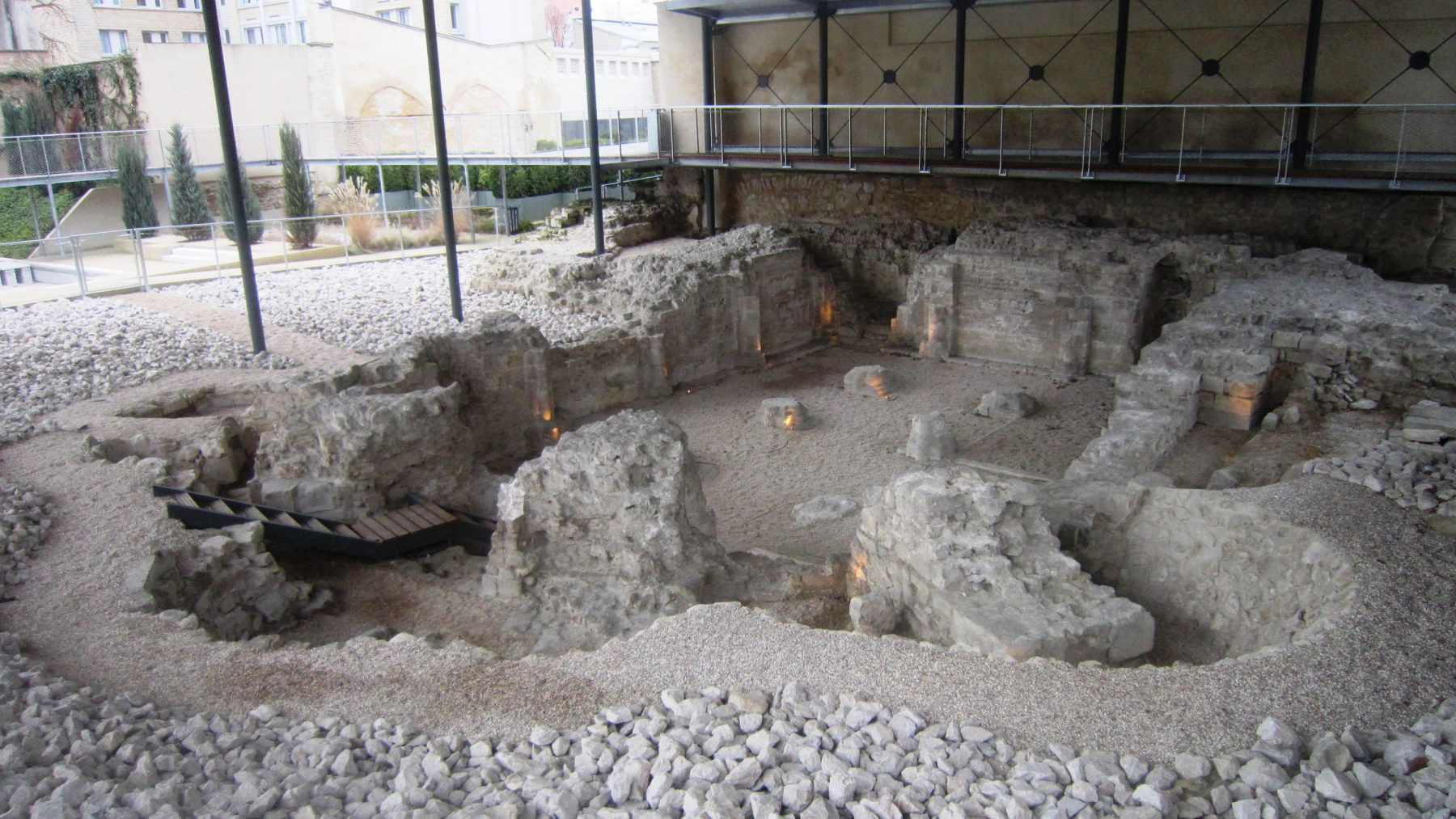
Like many French abbeys, Argenteuil’s monastery underwent significant changes after the French Revolution. Sold off as national property, much of it was dismantled. The stones were reused elsewhere, and over time, the buildings gradually vanished from the landscape.
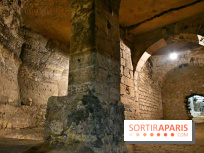
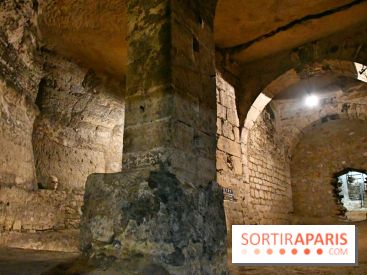
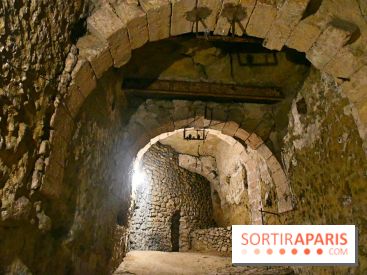
It wasn't until the late 1980s that the history of the site was revived. Between 1989 and 1994, archaeological excavations were carried out alongside urban development projects. These digs uncovered significant remnants of the old abbey, including its crypt. In 1996, the ruins were officially designated as historical monuments, ensuring their preservation for future generations.
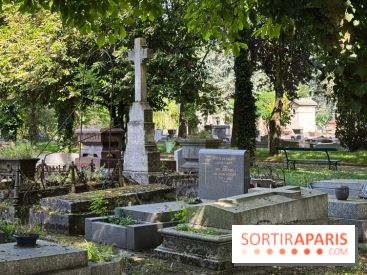
Since then, the city of Argenteuil has chosen not to conceal these remnants of the past. Instead, they have been incorporated into a restored archaeological garden open to visitors. The site has been secured to protect the medieval walls, which have been stabilized to ensure their preservation. Informative panels now help visitors understand the layout of the former Benedictine abbey. The outline of the cloister is marked on the ground, offering a visual connection to the lost architectural volumes.
What’s on display here isn’t a reconstructed abbey, but rather visible ruins integrated into a peaceful urban green space. This subtle yet educational presentation allows visitors to absorb the history of the site at their own pace.
This page may contain AI-assisted elements, more information here.
Location
L'Atelier, Abbaye gardens
19 Rue Notre Dame
95100 Argenteuil
Route planner
Official website
www.argenteuil.fr