Almost 20 meters beneath Denfert-Rochereau Square lies a place steeped in history. This former passive-defence shelter became, in August 1944, the headquarters of Colonel Rol-Tanguy during the Paris uprising. Long kept secret, this underground command post is today one of the most moving sites devoted to the Liberation of the capital.
For decades, this site remained off the public radar, tucked behind a thick armored door. It wasn’t until 2019, with the opening of the new Museum of the Liberation of Paris—Museum of General Leclerc—Jean Moulin, that this historic place became accessible to visitors.
The site's history begins in the late 1930s. Faced with rising international tensions, the City of Paris arranged for several passive-defense shelters to protect essential services in the event of bombing or chemical attack.
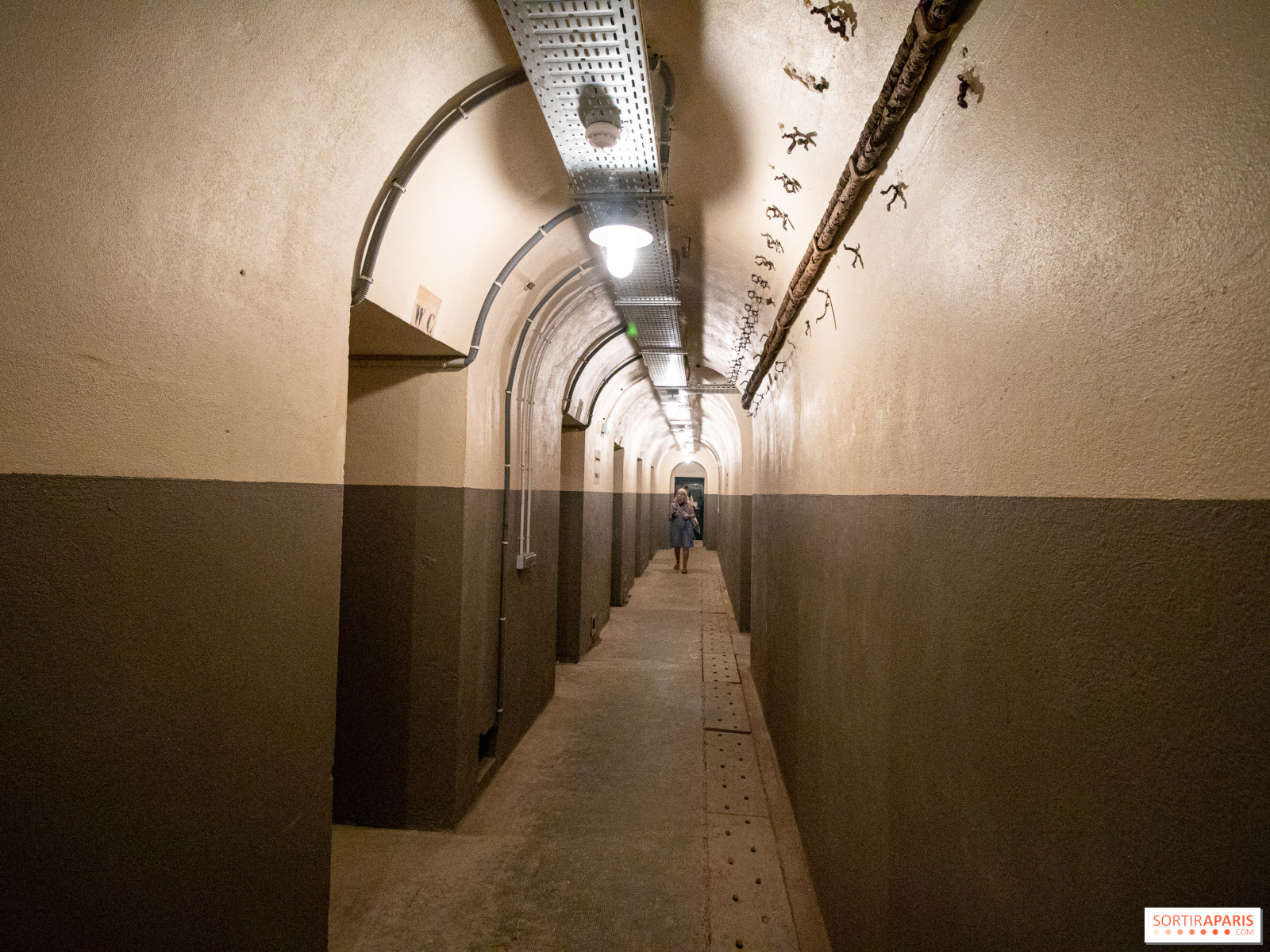
Under the west wing of Denfert-Rochereau square, a vast underground shelter of about 600 square meters was created, equipped with watertight doors, a ventilation system, generator sets, water tanks, restrooms, and dedicated spaces to keep municipal services running even in a crisis. Ironically, this shelter would never be used for the mission it was built for.
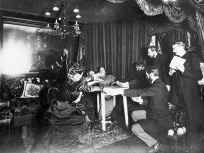
On August 20, 1944, as the uprising against the German occupier raged, Colonel Henri Rol-Tanguy, head of the French Forces of the Interior (FFI) for the Paris region, established his headquarters in this underground shelter. From this command post, the resistors coordinate the battles unfolding across the capital.
Orders were relayed to the various FFI groups through a telephone network linked to the water utility facilities and the sewers of Paris, far less vulnerable to interceptions. It is also from this command post that the operations backing the entry of General Leclerc's 2nd Armoured Division into Paris on August 24–25, 1944, are planned.
If this shelter is chosen, it is no accident. Located deep underground, it is hard to spot from the surface and offers several access options thanks to the old quarries and the underground infrastructures of the area. Its self-sufficient setup allows several dozen people to work and live underground for several days if needed.
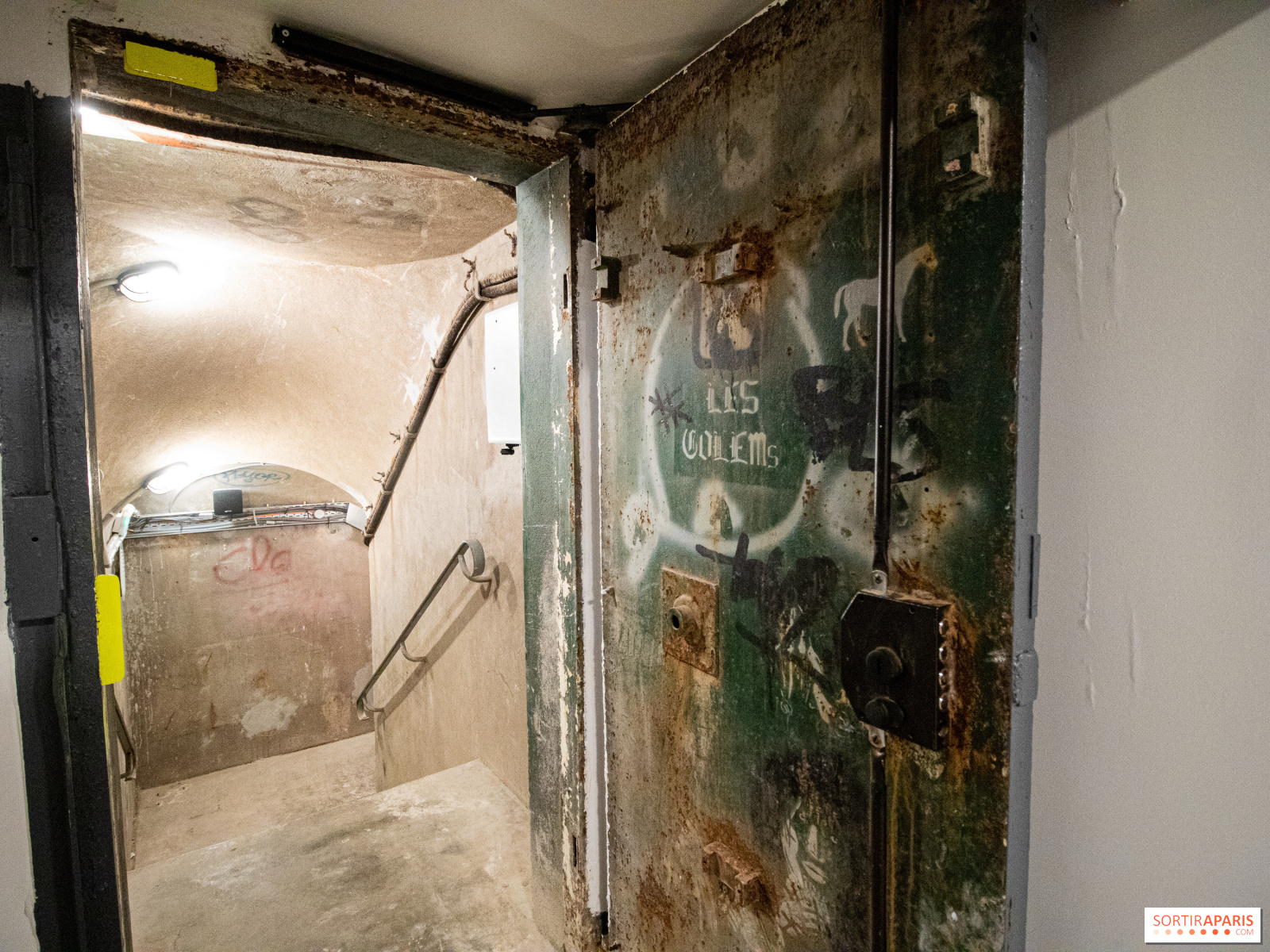
The premises include, notably, a communications room, offices, dormitories, a refectory, sanitary facilities, and several technical spaces designed to ensure the site's self-sufficiency. A formidable armored and airtight door could shield occupants from the effects of a gas attack, a threat taken very seriously at the time.
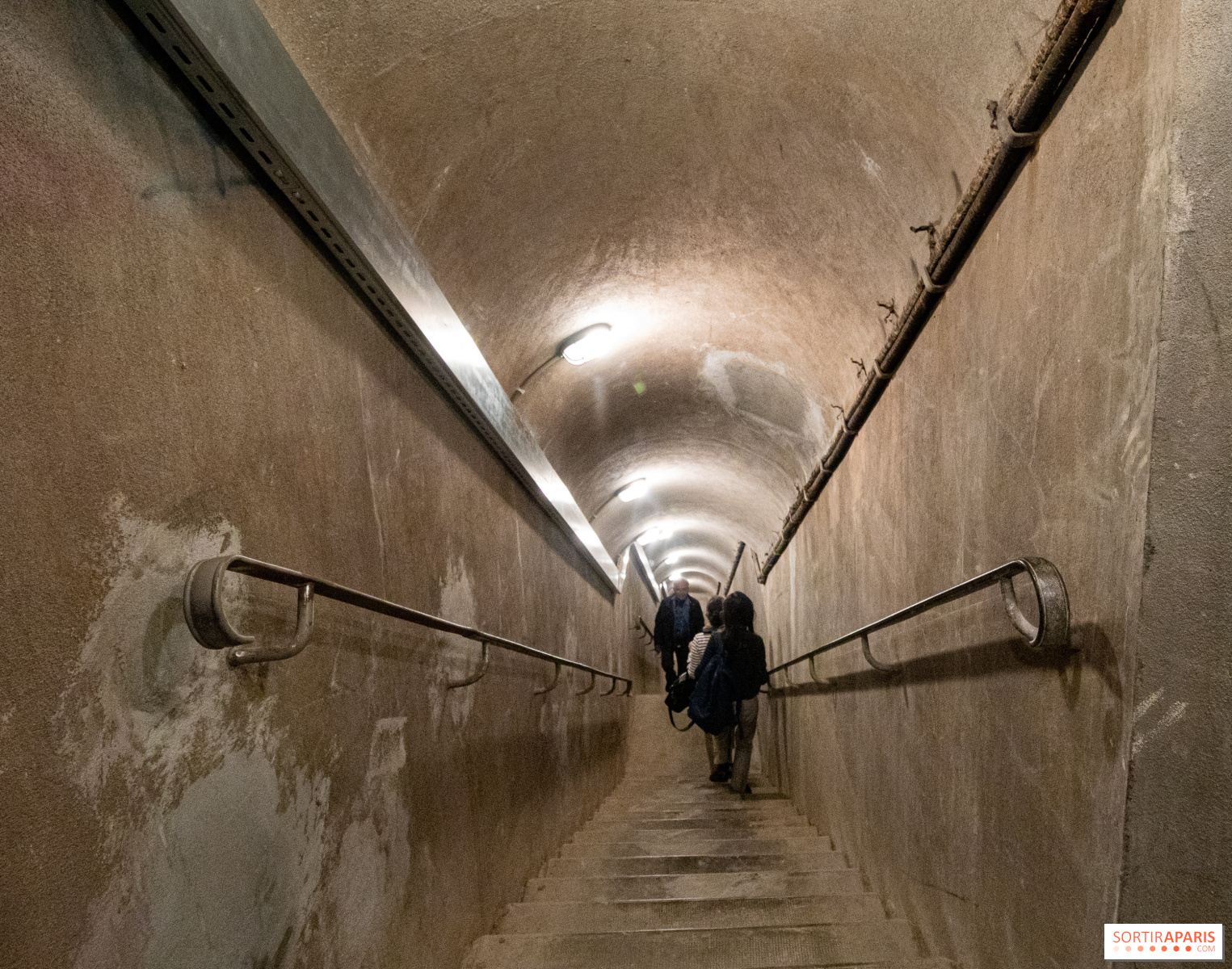
Unlike many bunkers that were altered over the decades, the Rol-Tanguy Command Post has retained much of its original character. Visitors can still today glimpse the cable routes, the generators, the ventilation systems, the cyclogenerator that refreshes the air during a power outage, as well as several World War II-era features.
This authenticity gives the site a particularly moving atmosphere. Recently, the museum has also unveiled a mixed-reality experience that lets visitors relive the days of August 1944 through immersive glasses. Virtually guided by a member of the FFI resistance, visitors discover how the command post operated during the uprising.
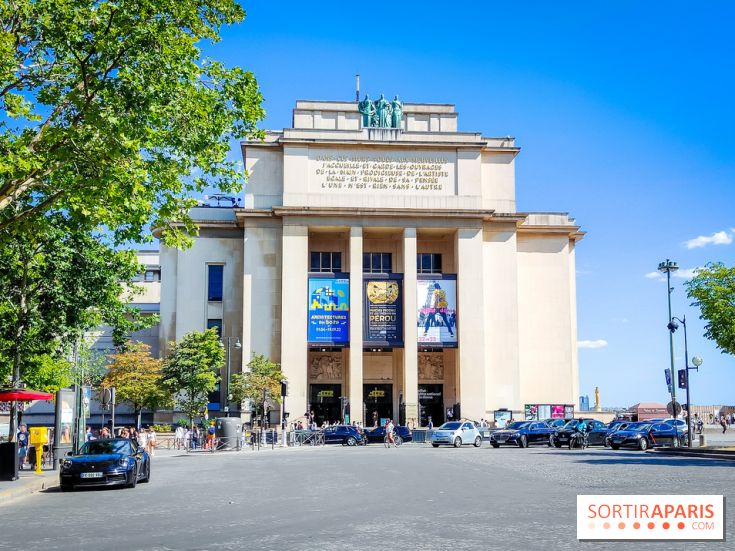
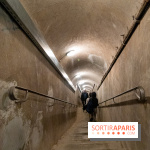
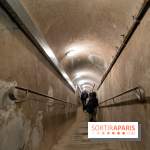
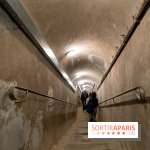
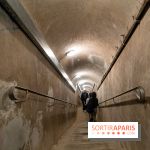
Yes, unlike many of Paris's historic underground sites, Colonel Rol-Tanguy’s command post is today open to the public. The visit takes place as part of the Museum of the Liberation of Paris – Museum of General Leclerc – Jean Moulin, located at Denfert-Rochereau square. To reach the bunker, you must descend more than 100 steps, the site lying about twenty meters underground. Because of this layout, it is not accessible to people with reduced mobility.
Two options are offered depending on the period: a self-guided tour that lets visitors explore the site in about half an hour, and the mixed-reality immersive tour mentioned above that plunges guests back into the atmosphere of the August 1944 uprising. These tours are free, but seats are very limited, so booking directly at the museum’s reception is usually necessary.
Visitors are also advised to check the official site for opening hours before heading over, as the command post may be temporarily closed for technical reasons or during special events!
World War II bunkers hidden beneath the streets of Paris
Are you ready to uncover what lies beneath your feet? Before World War II, numerous bunkers were built deep inside Paris and can still be visited today on special occasions. [Read more]
This test was conducted as part of a professional invitation. If your experience differs from ours, please let us know.
This page may contain AI-assisted elements, more information here.
Dates and Opening Time
Next days
Tuesday:
from 10:00 a.m. to 05:50 p.m.
Wednesday:
from 10:00 a.m. to 05:50 p.m.
Thursday:
from 10:00 a.m. to 05:50 p.m.
Friday:
from 10:00 a.m. to 05:50 p.m.
Saturday:
from 10:00 a.m. to 05:50 p.m.
Sunday:
from 10:00 a.m. to 05:50 p.m.
Location
museum of the Liberation of Paris
4 Avenue du Colonel Henri Rol-Tanguy
75014 Paris 14
Route planner
Access
RER B, metro line 4 or 6 "Denfert-Rochereau" station
Prices
Free
Official website
www.museeliberation-leclerc-moulin.paris.fr




















 World War II bunkers hidden beneath the streets of Paris