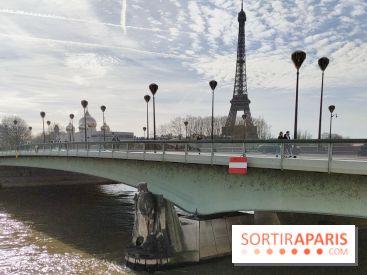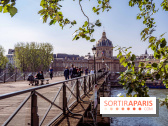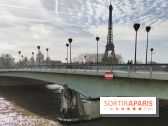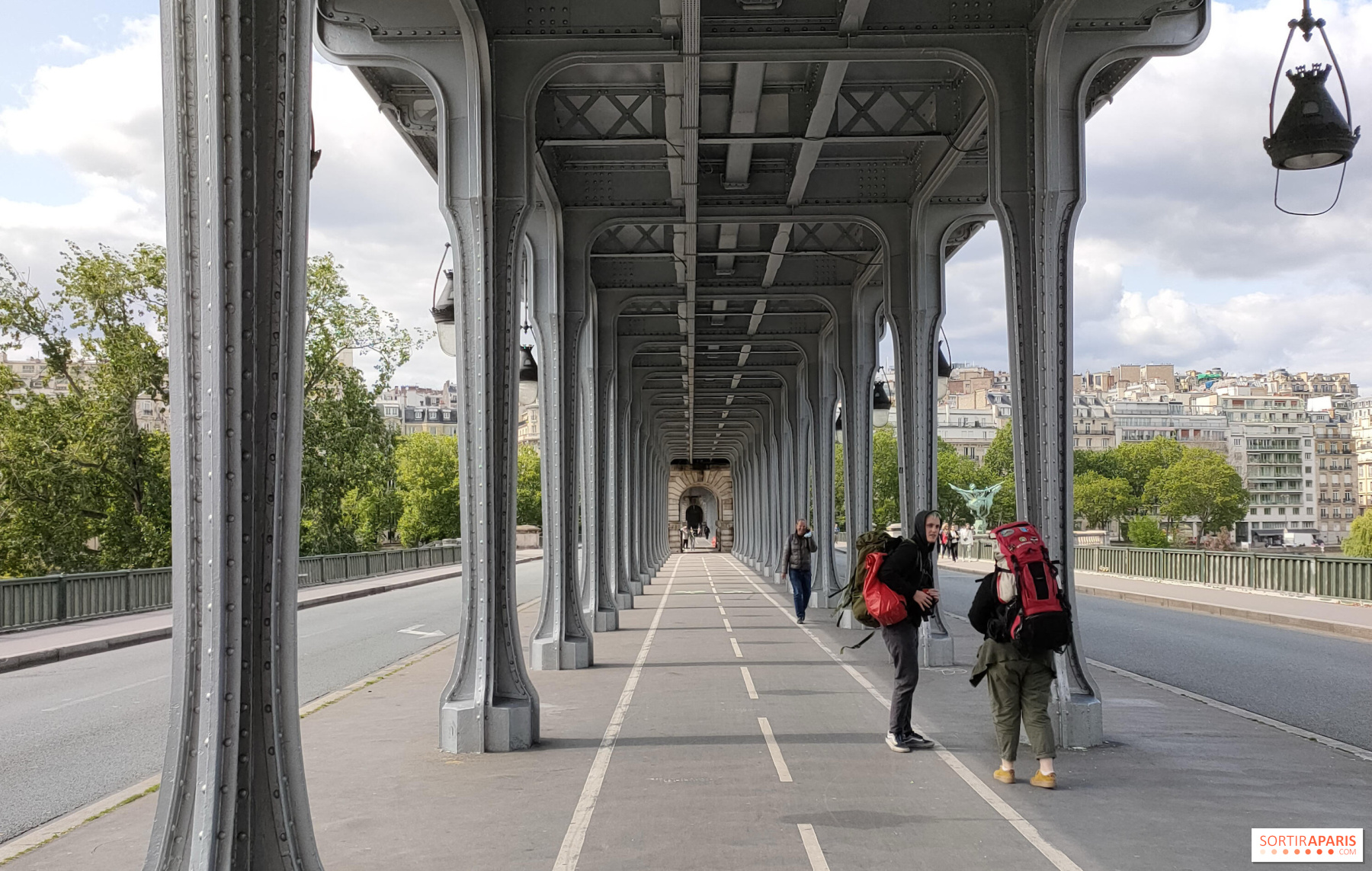
If you’ve ever seen a movie set in Paris, you’re likely to recognize the Bir-Hakeim Bridge. Christopher Nolan notably shot there for Inception, and you can see why: with its striking perspective of metallic columns under the subway viaduct and the Eiffel Tower looming in the background, this bridge offers a cinematic backdrop that cinema couldn’t ignore.
Her story begins with the Exposition universelle de 1878. A first pedestrian-only metal footbridge, named the passerelle de Passy, is installed to span the Seine. Originally temporary, it ends up remaining in place for several decades. But at the turn of the 20th century, Paris changes pace: the metro expands and the old footbridge is no longer enough. The construction of a nouvel ouvrage is then decided.
The bridge as we know it today was erected between 1903 and 1905, under the direction of engineer Louis Biette, with the architectural and decorative work entrusted to Jean-Camille Formigé. Its hallmark is immediately striking: the Passy Viaduct is conceived on two levels.
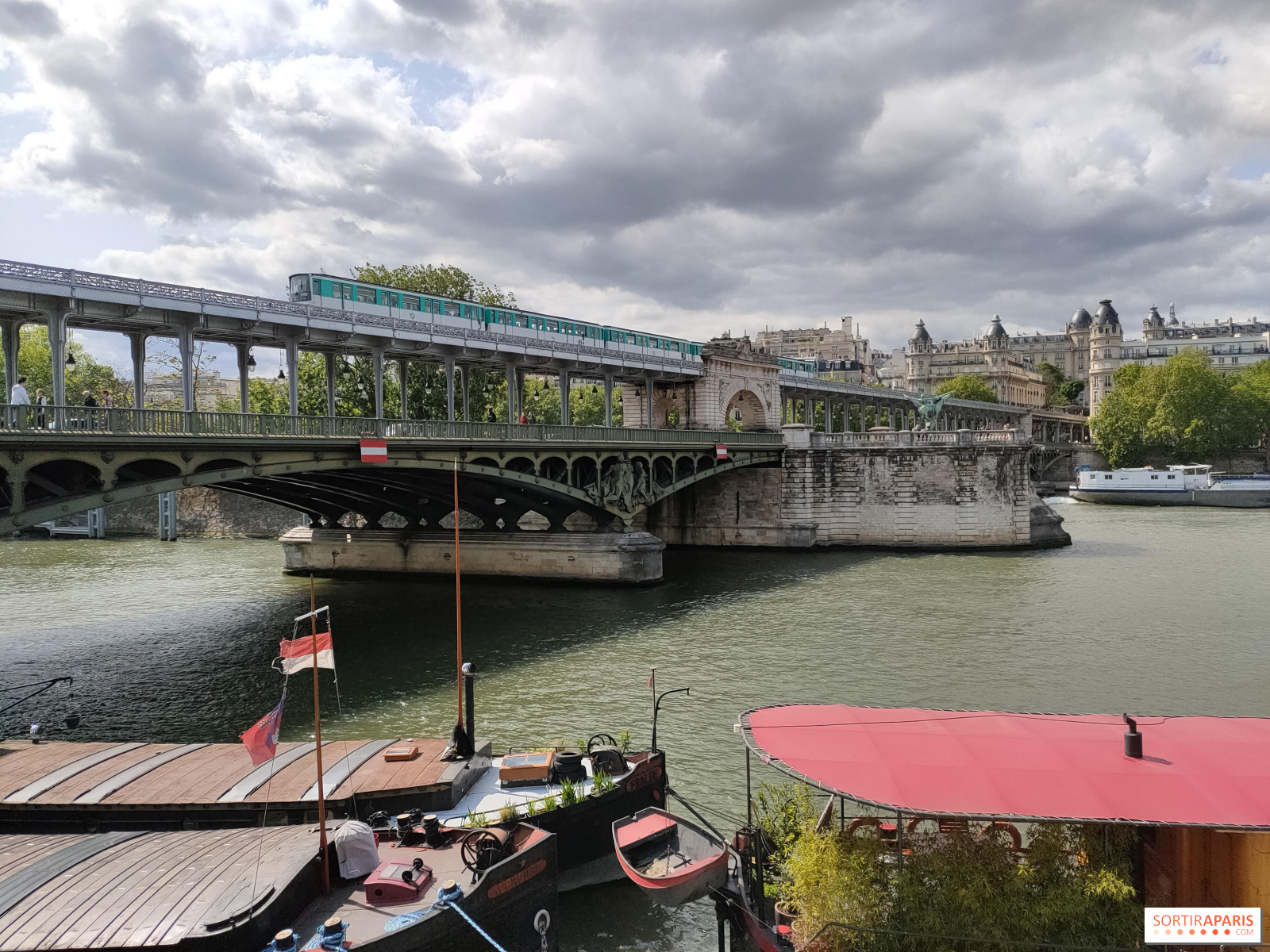
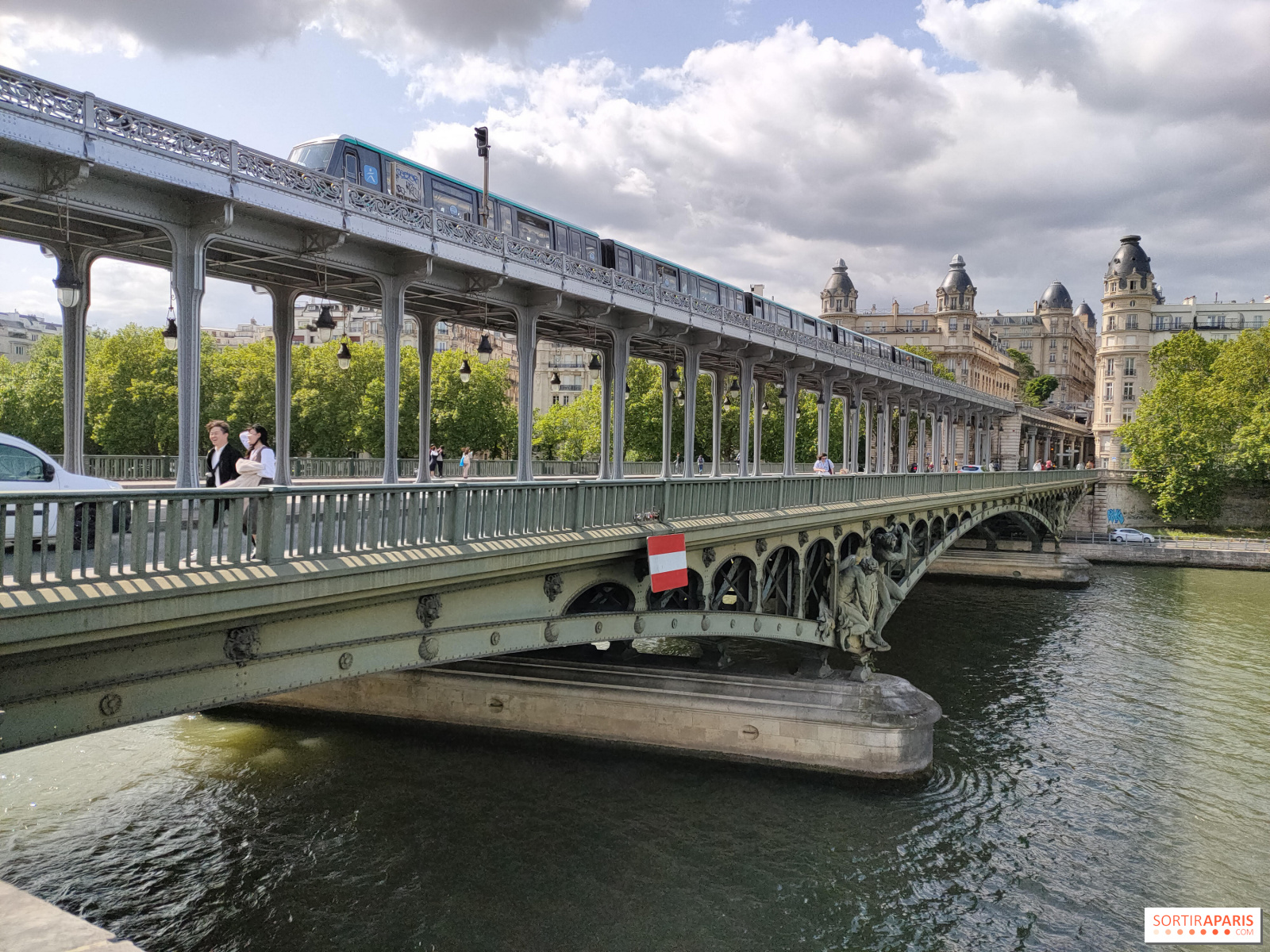
Below, pedestrians, cyclists and vehicles share the space, while overhead the metro cars glide by—today those of Line 6. In the middle, a covered pedestrian promenade runs beneath the viaduct, revealing that famous sequence of metal columns that has become one of the most photographed perspectives in Paris.
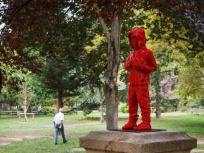
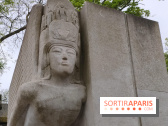
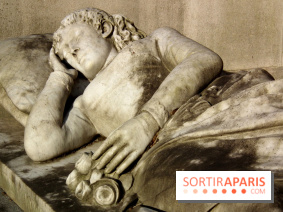
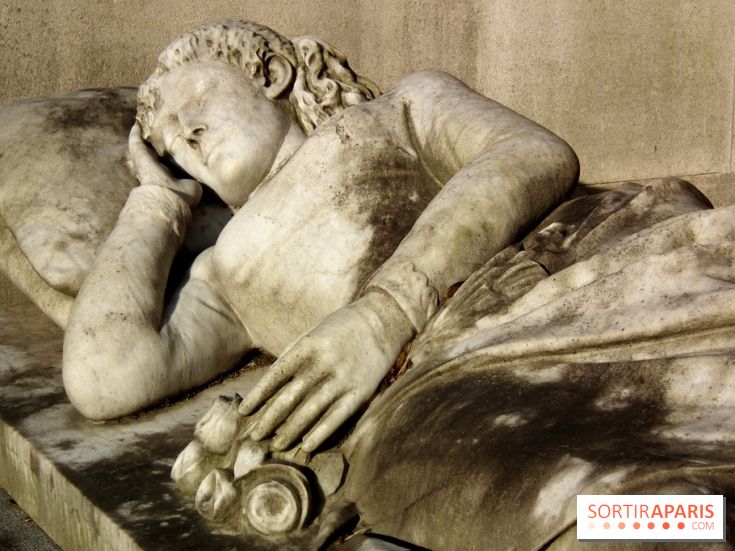
The decoration itself also invites the eyes to be lifted. On the piers lie the sculpted groups by Gustave Michel, depicting the Nauts and the riveters-forgers. Near the central arch, four large allegorical figures complete the ensemble: Science and Labor, crafted by Jules-Félix Coutan, and Electricity and Commerce, by Jean-Antoine Injalbert. The work thus blends technical prowess with monumental ornament, in the spirit of early 20th-century Paris.
Its name still tells a very different chapter of French history. For decades the structure was known as the Passy Viaduct. It was only in 1949 that it became the Bir-Hakeim Bridge, in homage to the Battle of Bir Hakeim, fought in Libya from May 27 to June 11, 1942. The Free French Forces under General Koenig held out there for several days against German-Italian troops, making this battle one of the symbolic episodes of Free France during the Second World War.
The Bir-Hakeim Bridge finally offers walkers a small detour: from its central esplanade, stairs lead directly to the l'Île aux Cygnes, this slender promenade nestled in the middle of the Seine. With its stunning view of the Eiffel Tower, the spot is ideal for watching Paris’s major public events unfold!
Paris's most beautiful bridges, wonders to discover along the Seine
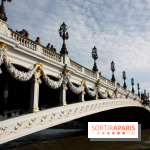
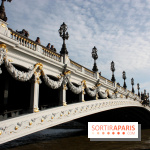
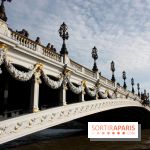
From Pont-Neuf to the Bir-Hakeim Bridge, via the utterly romantic Pont des Arts, discover the history of Paris’s most beautiful bridges. [Read more]
Dates and Opening Time
Next days
Tuesday:
from 12:00 a.m. to 11:59 p.m.
Wednesday:
from 12:00 a.m. to 11:59 p.m.
Thursday:
from 12:00 a.m. to 11:59 p.m.
Friday:
from 12:00 a.m. to 11:59 p.m.
Saturday:
from 12:00 a.m. to 11:59 p.m.
Sunday:
from 12:00 a.m. to 11:59 p.m.
Monday:
from 12:00 a.m. to 11:59 p.m.
Location
Bir-Hakeim bridge
Pont de Bir-Hakeim
75015 Paris 15
Route planner
Accessibility info













 Paris's most beautiful bridges, wonders to discover along the Seine