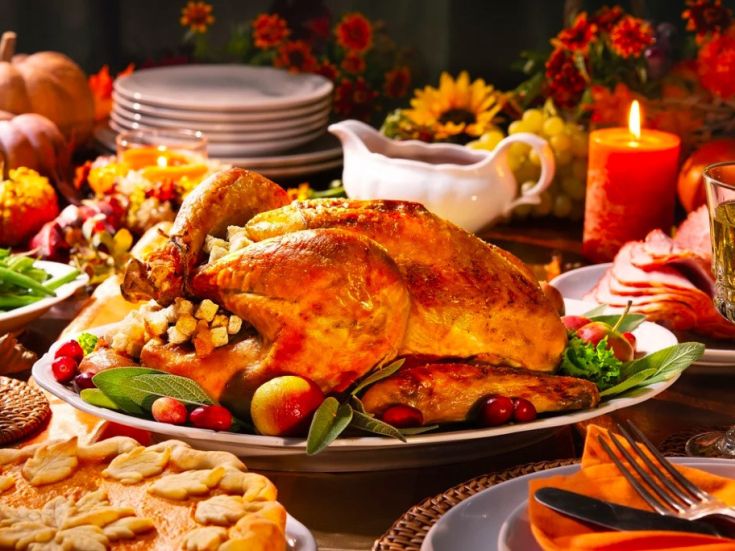
Celebrated each year on the fourth Thursday of November, Thanksgiving is one of the United States' major holidays. Its origins date back to the 17th century, when the first settlers arrived in North America. One of the earliest documented Thanksgiving celebrations took place in 1621 in Plymouth, Massachusetts.
Around a hundred English Protestants, commonly known as the Pilgrim Fathers, disembark from the Mayflower and establish the colony and the town of Plymouth. Yet the early days of this colonization are fraught, and about half of the newcomers perish from scurvy. In truth, the settlers owe their survival to Native Americans, especially the Wampanoag tribe, who teach them how to fish, hunt, and cultivate corn.
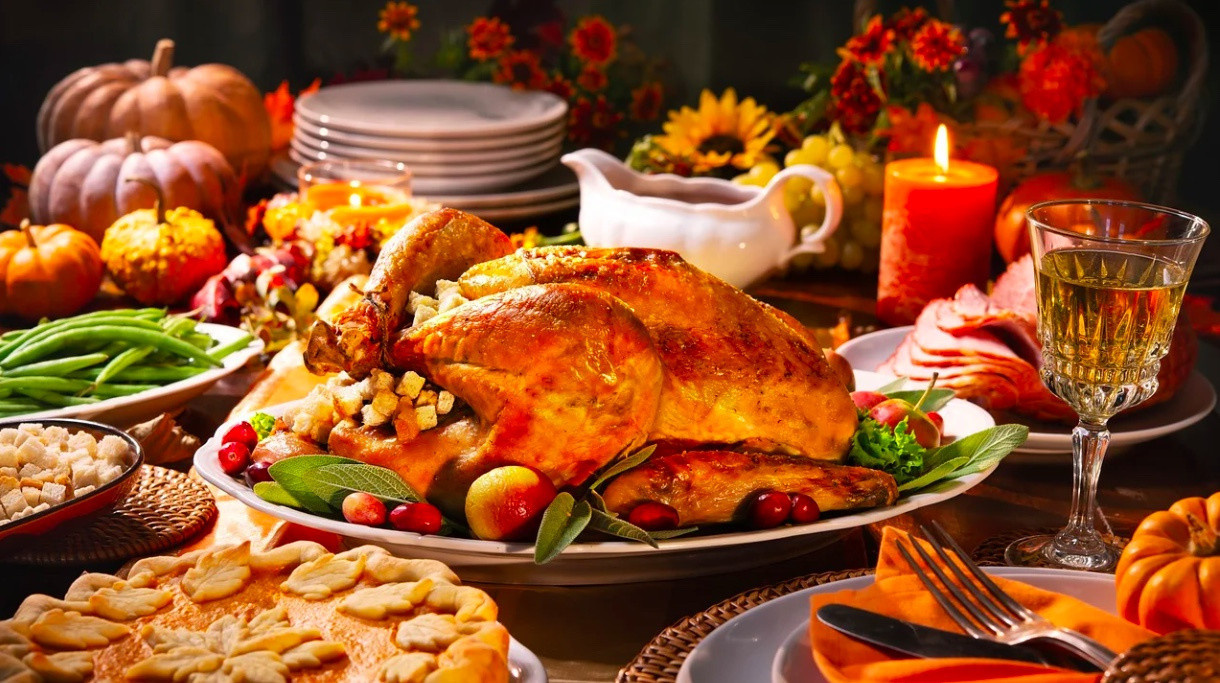
In the autumn of 1621, as the harvest was abundant, Governor William Bradford declared three days of Thanksgiving. Colonists and Indigenous peoples then shared an an opulent feast made of wild turkeys, venison and pigeons, regarded as the first Thanksgiving in history. The celebration has been repeated in the following years, up to today, though it is now secular.
Declared a national holiday, Thanksgiving is, for the Americans, a moment to thank God for the providential bounty of the New World and for the relative harmony with Indigenous peoples; even as many Indigenous groups denounce the massacres inflicted on their communities in the wake of the Pilgrim Fathers' arrival.
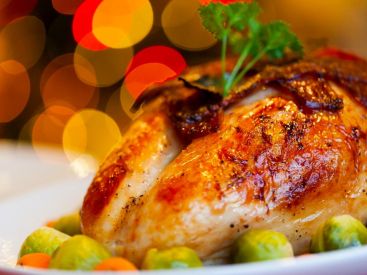
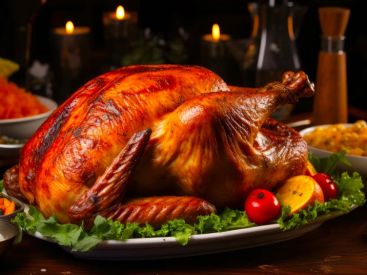
Nowadays, this gratitude holiday is an opportunity for families to gather around a hearty dinner and share a warm moment, grateful for the good things in life. But Thanksgiving also marks the start of the holiday season, with numerous parades marching through the streets and American football games broadcast on television. The following day, known as Black Friday, is also an opportunity to snap up great deals!