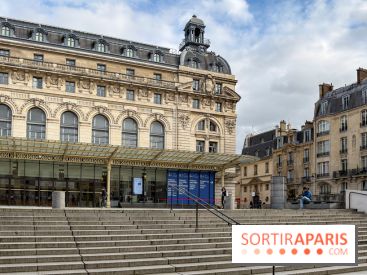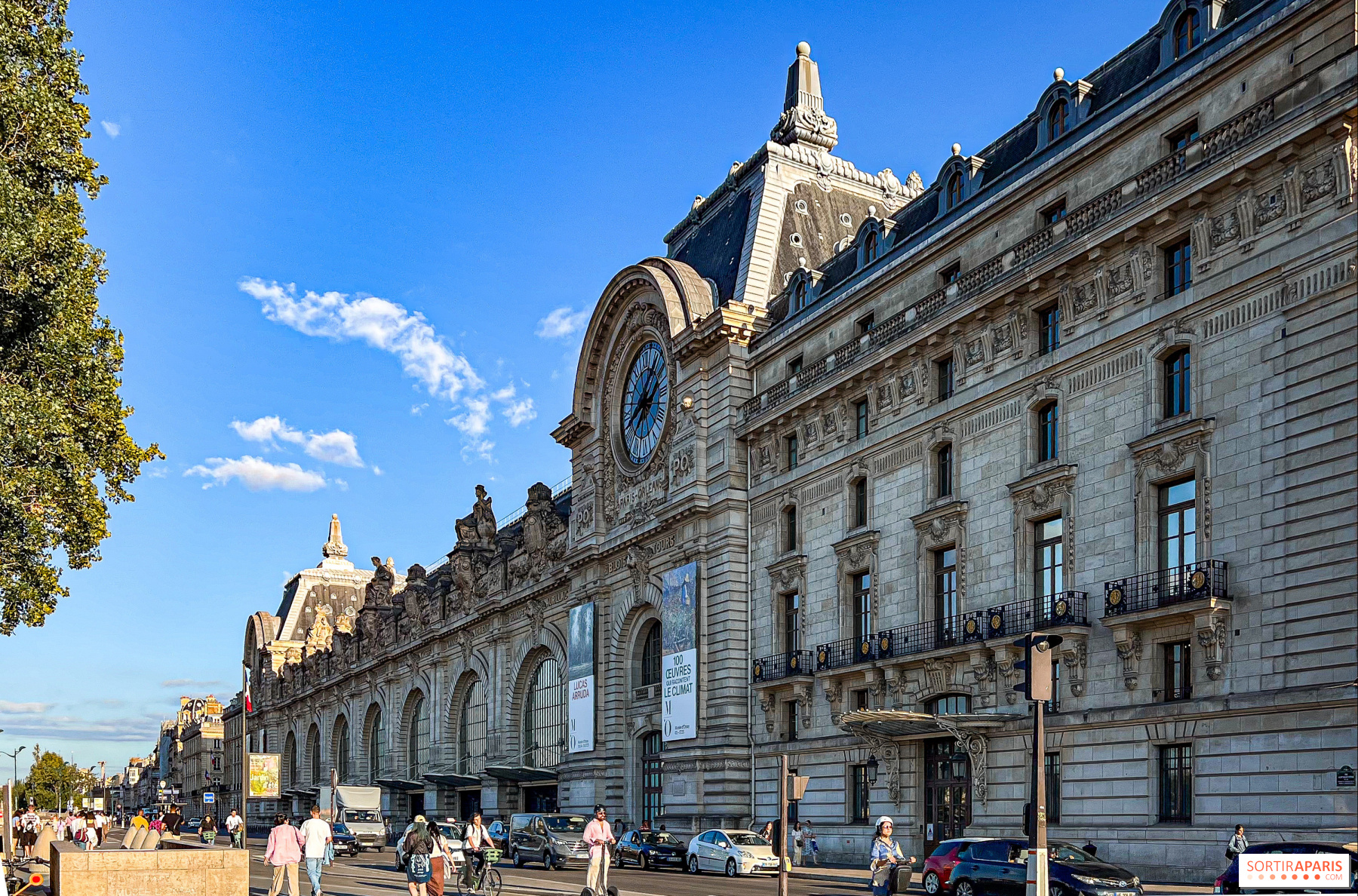
The Musée d’Orsay, located on Paris's Left Bank along the Seine, is one of the most visited museums in France. Each year, it attracts millions of art lovers eager to admire masterpieces by Monet, Degas, Van Gogh, and Gauguin. What many may not realize, however, is that this world-renowned cultural venue is housed within the walls of a historic former Parisian train station.
The current Musée d’Orsay building was actually constructed at the end of the 19th century. Originally, it served as the Orsay railway station, opening its doors in 1900 for the World’s Fair. The project was designed to better connect travelers from southwestern France to the heart of Paris.
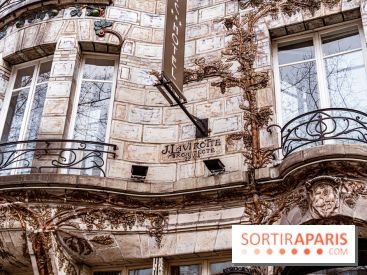
The architecture of the Orsay railway station, designed by Victor Laloux, blends a metal framework with a stone façade in Beaux-Arts style, ensuring it fits seamlessly with the neighboring buildings along the Quai d’Orsay. At the time, it was praised for its innovative, modern approach.
By the 1930s, trains started to evolve and lengthen, making the station platforms increasingly inadequate. Gradually, the station's rail operations declined and came to a halt. Converted into a warehouse and later used as a film set, the building remained largely unused for years. At one point, demolishing it was even considered.
In the 1970s, a new vision took shape: transforming the station into a museum. The goal was to establish a cultural space dedicated to 19th-century arts, filling the gap between the Louvre’s focus on classical art and the Centre Pompidou’s modern and contemporary collections.
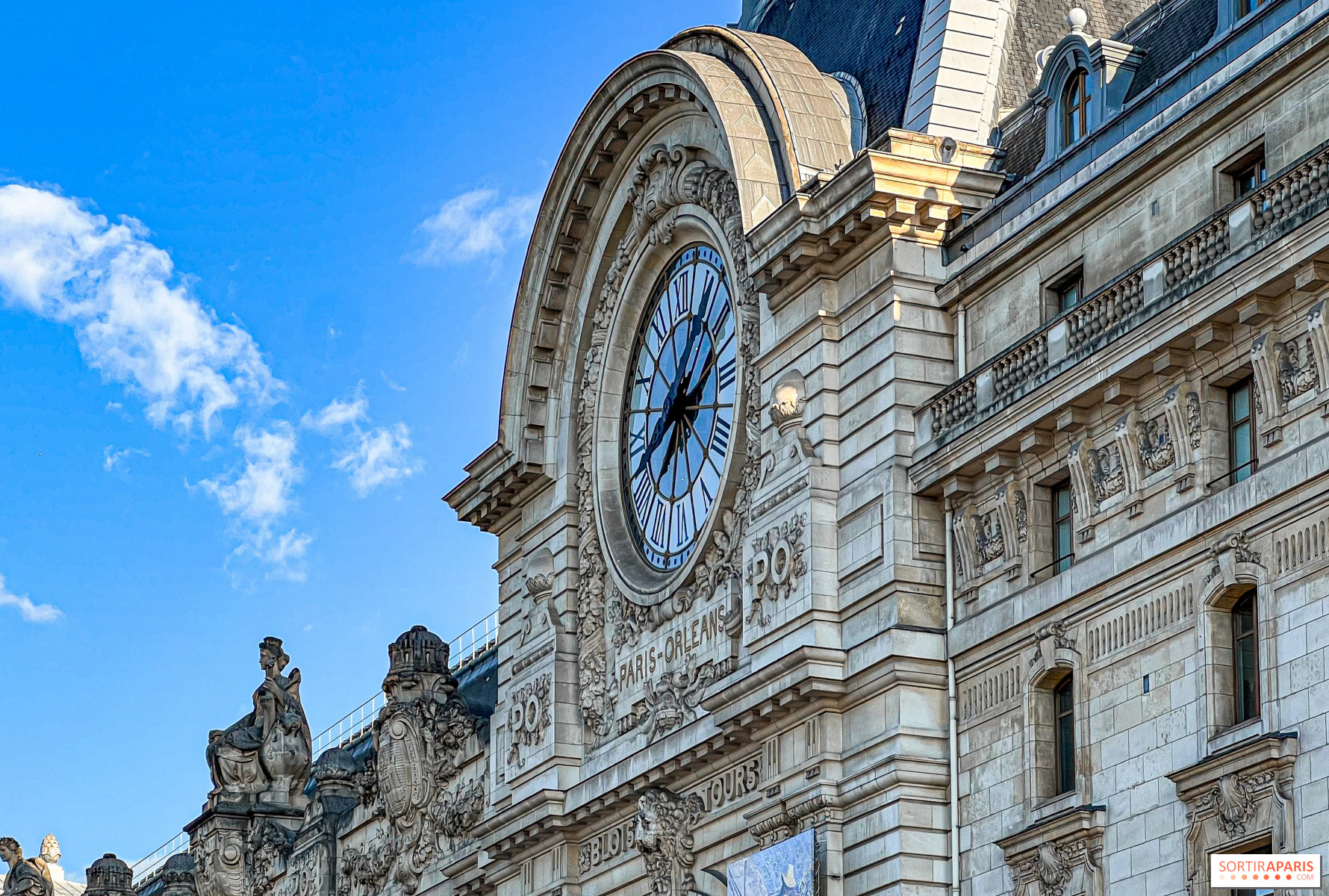
After years of renovation, the Museum of Orsay officially opened its doors in 1986. It preserves iconic features of its former life as a train station — including the stunning glass roof, massive clocks, and soaring nave — while carefully transforming them to welcome visitors and showcase art.
Today, the architecture of the Musée d'Orsay is an integral part of the visitor experience. Visitors can admire masterpieces of Impressionism bathed in natural light streaming through the building's original glass roof. The historic clocks, still in place, provide stunning panoramic views of the Seine and the right bank.
This successful transformation stands as a remarkable example of architectural adaptation. The museum preserves the memory of its railway history while showcasing the art of the 19th century.
This page may contain AI-assisted elements, more information here.
Location
Musée d'Orsay
62 rue de Lille
75007 Paris 7
Route planner
Accessibility info