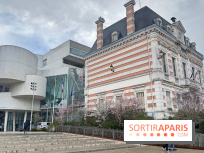
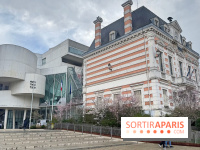
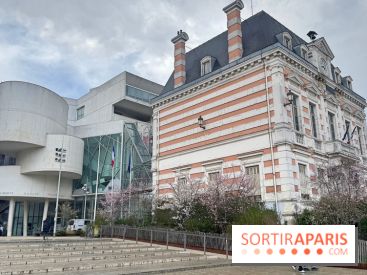
Why do so many town halls across Île-de-France often feature a small central tower, sometimes equipped with a clock, and frequently rise like a church steeple? This intriguing architectural feature isn't just a matter of aesthetic taste — it reveals something meaningful about how the Republic has become ingrained in the French landscape.
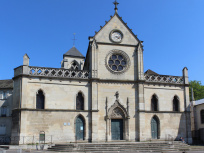
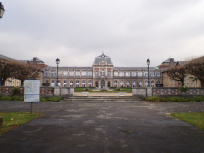
This iconic tower graces the facades of buildings such as the Paris Town Hall, as well as the town halls of Levallois, Vincennes, Pantin, and even Maisons-Laffitte. What unites them? Most of these structures date back to the late 19th or early 20th century, a period marked by extensive municipal development projects.
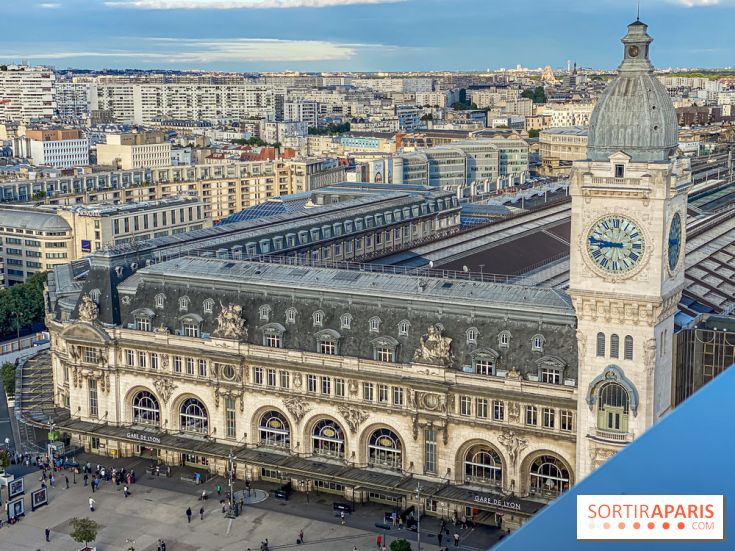
These towers often house a clock that can be seen from afar, at a time when watches were not yet common in everybody’s pocket. It was a way for the town hall to regulate the daily rhythm of residents’ lives, much like the church steeple did in the past. This was a clear sign of the growing power and influence of local government.
Additionally, these civic clock towers served to mark the hours, sound alerts, and even announce weddings. Some of these towers are still accessible today and were used as observatories or symbolic watchpoints.
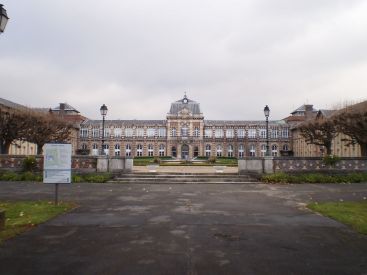
Shaped like a traditional church steeple but devoid of any religious connotation, this tower has become a symbol of republicanism. It signifies the town hall as a center of secular authority—a seat of decision-making, justice, and administration. Its height literally reflects a desire to elevate civil power within the urban landscape.
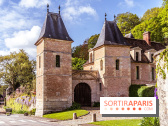
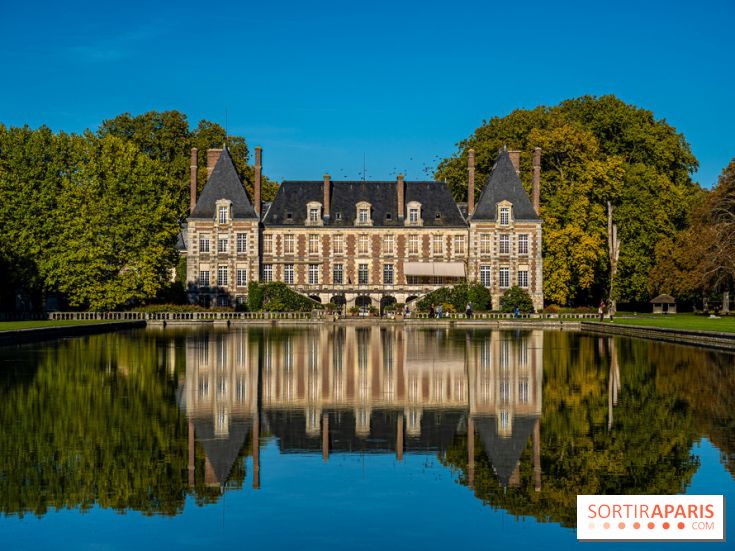
Architecturally, these towers reflect a very French trend from the late 19th century: the Neo-Renaissance style, often combined with Gothic or Louis XIII influences. Architects drew inspiration from castle architectures to lend the town halls a sense of grandeur and solemnity. Some even feature small corner turrets to emphasize this regal aspect.
The central tower, often topped with a belfry, a , or a lantern, also served to mark the location of the town hall within the dense urban landscape. It was a way of saying: "Here is the home of the people."
This page may contain AI-assisted elements, more information here.