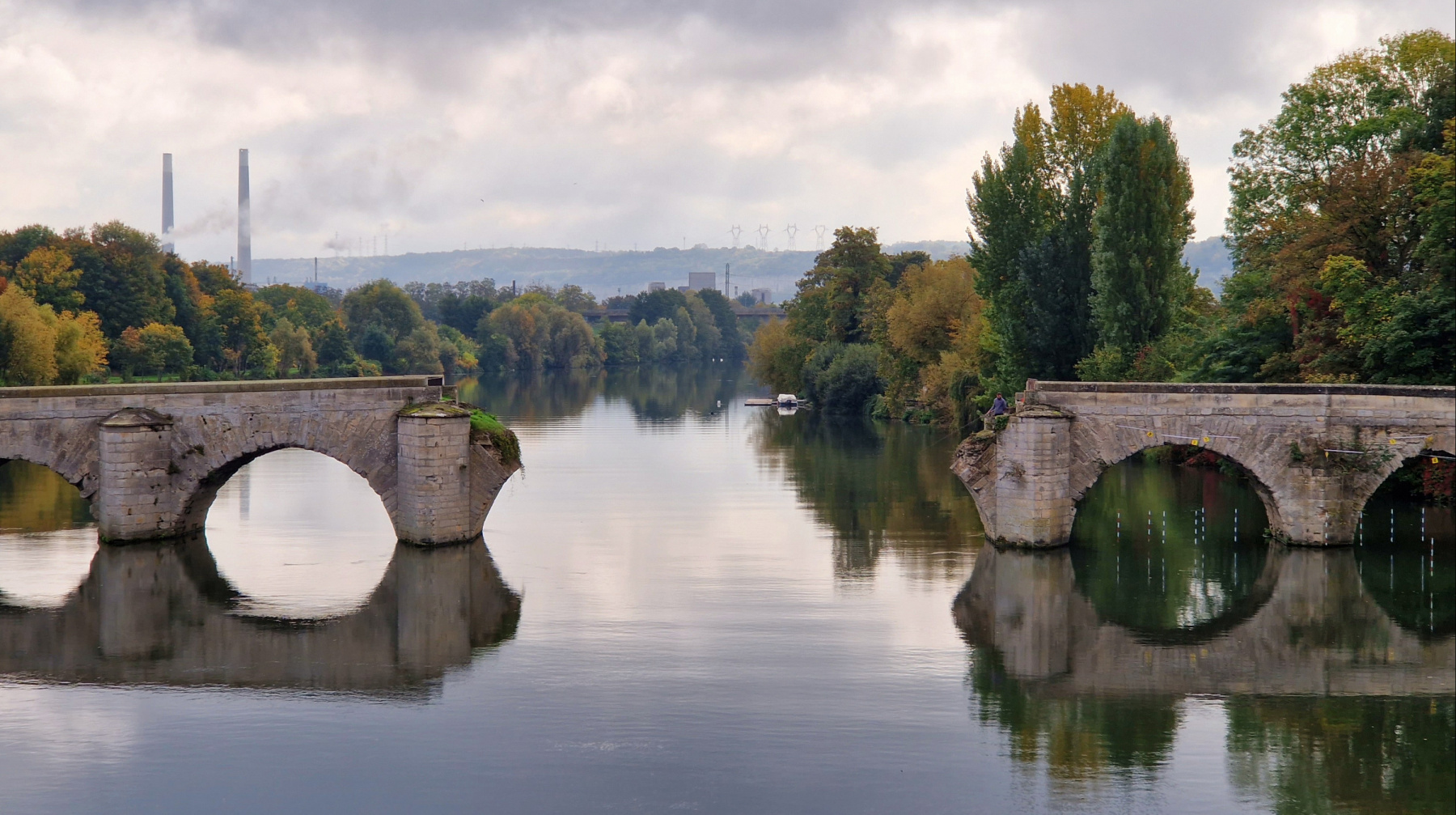
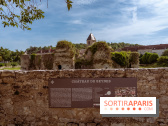
In Limay, facing Mantes-la-Jolie, the Old Bridge still stretches its stone arches across the Seine. Well… part of it, at least. Because the structure, built between the 12th and 13th centuries, is actually divided into two sections — and that’s what makes it truly fascinating. Erected in the Middle Ages, the Old Bridge of Limay once formed a crucial link between Normandy and Paris. In those days, controlling a bridge meant controlling trade, movement — and sometimes even armies.
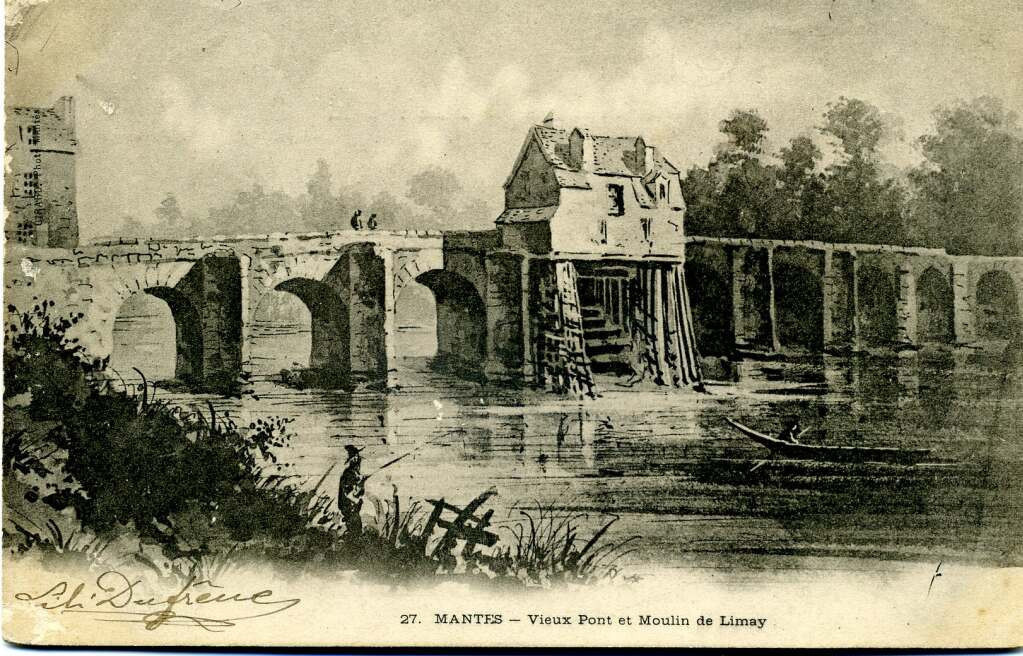
Built from stone, with arches resting on sturdy piers, it perfectly exemplifies medieval bridge architecture: sturdy, massive, designed to withstand the Seine’s floods and the frequent passage of carts. Several mills once lined its length, with the last one collapsing during a flood. The bridge also gained fame through the brush of painter Camille Corot: his work "The Bridge of Mantes" depicting it is now housed in the Louvre Museum.
The fate of Limay Old Bridge takes a dramatic turn in the 20th century, amidst World War II. In June 1940, as German troops rapidly close in on Paris, the French military makes the difficult decision to destroy several strategic structures to slow their advance. The Old Bridge of Limay is intentionally blown up. Several arches are dismantled to prevent the Germans from crossing the Seine. But the story doesn’t end there. In 1944, during Allied bombings targeting infrastructure used by the German forces, the area is hit once again. These additional damages further worsen the battered state of the already mutilated bridge.
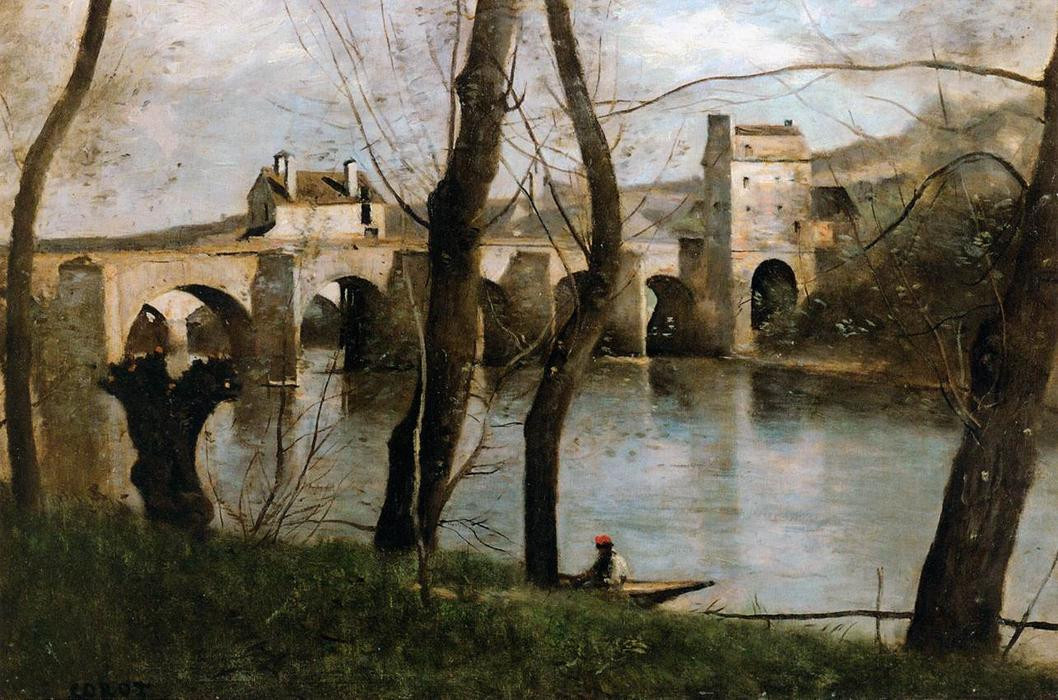
After the war, it was never rebuilt. Severely damaged and ill-suited to modern needs, it remained in this unusual state for several decades: cut off in the middle of the river, as if suspended in time. Today, the Old Bridge of Limay stands as one of the oldest surviving bridges in Île-de-France. And now, a modern footbridge has been added to facilitate this crossing once again.
This page may contain AI-assisted elements, more information here.