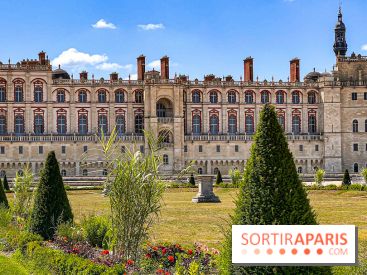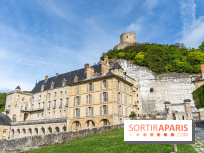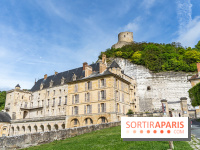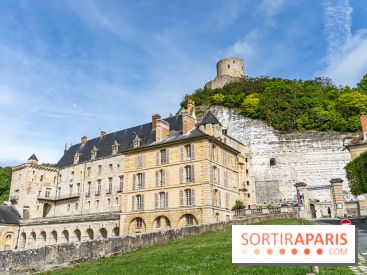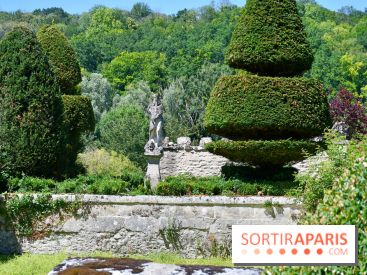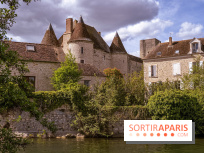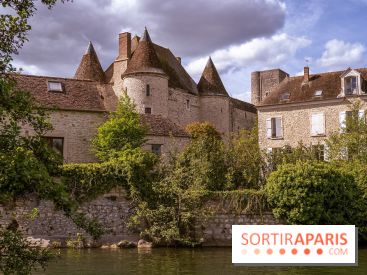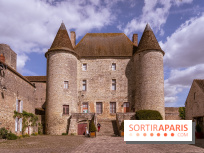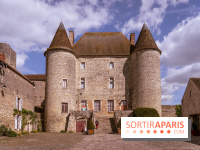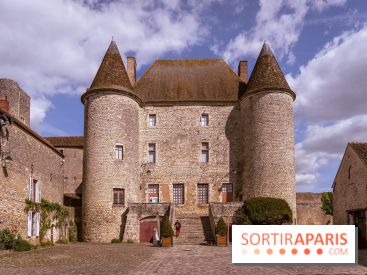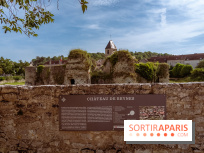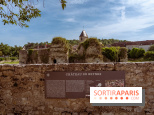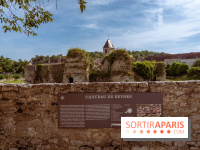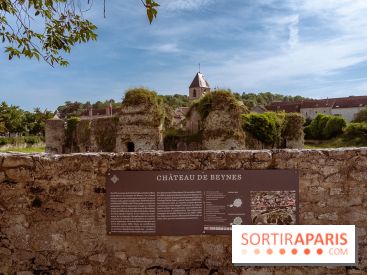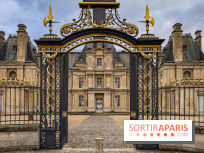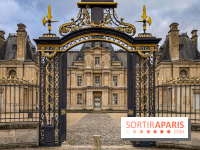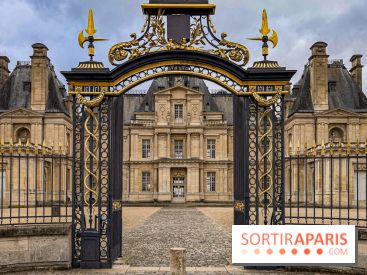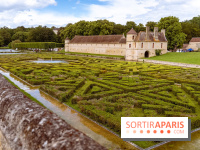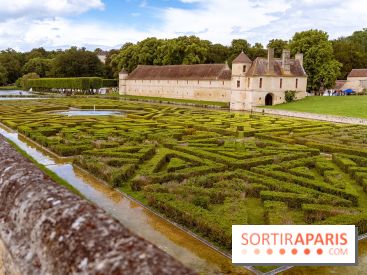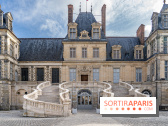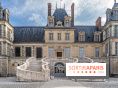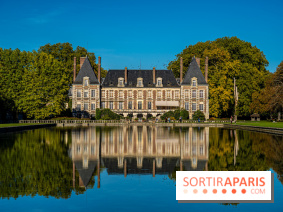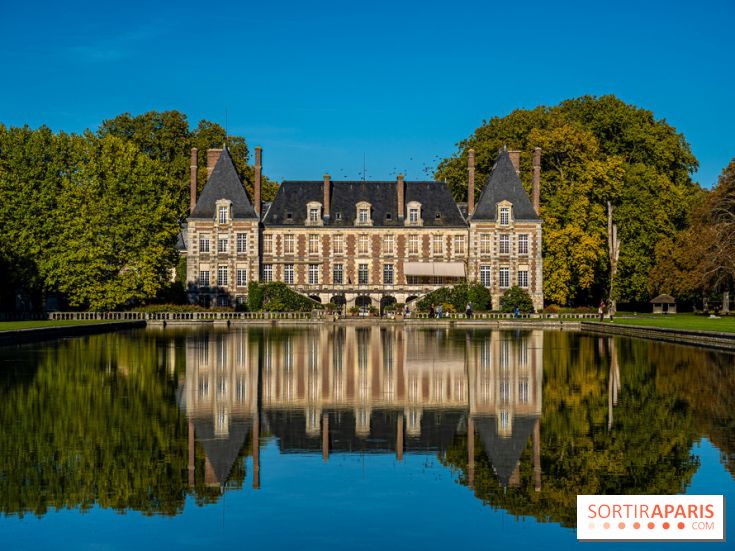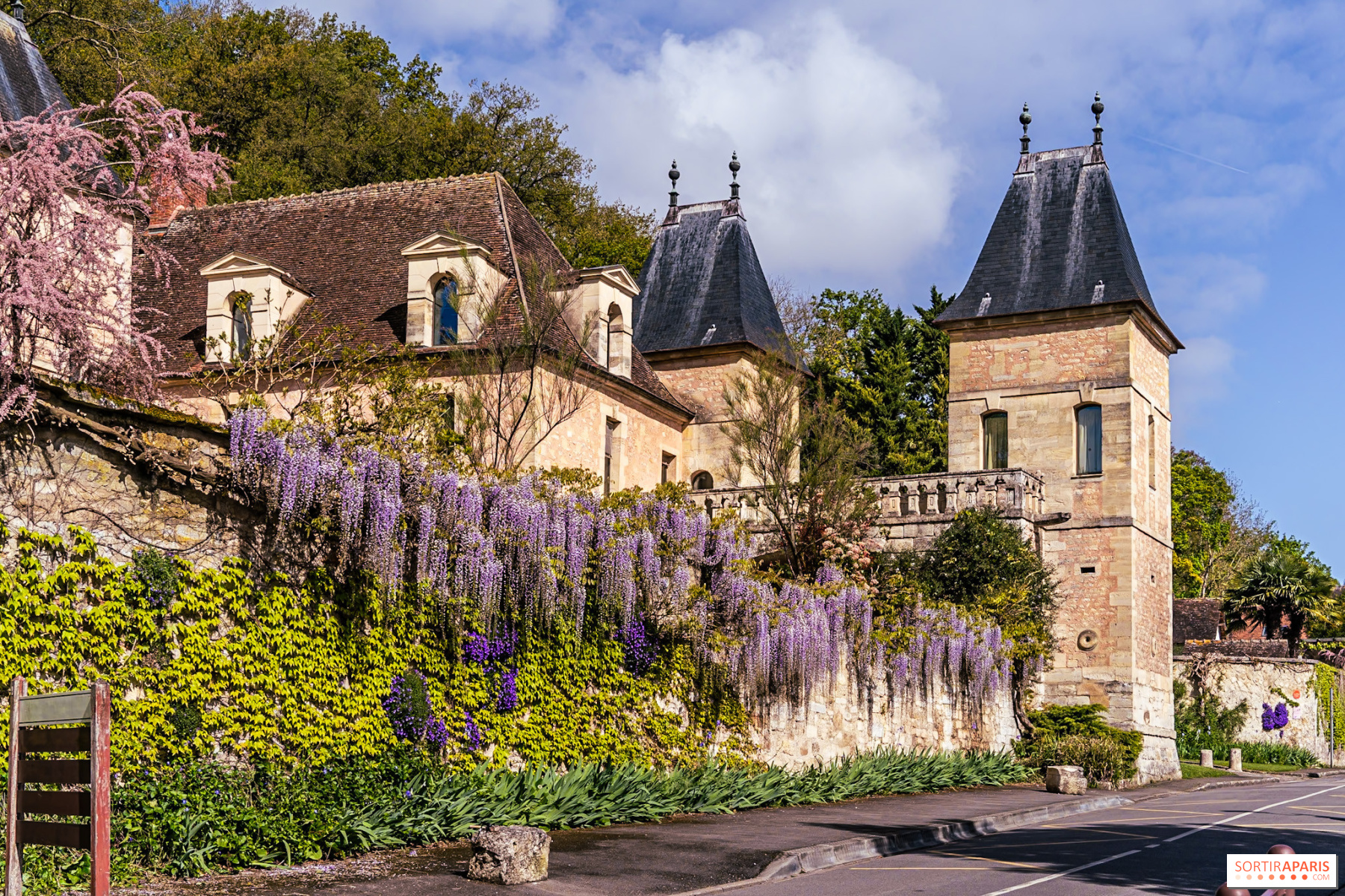
The Château de Médan is one of those places you stumble upon by chance and never forget. Perched on the hillside along the banks of the Seine, in the Yvelines (78), this former pavillon de chasse has logged more than ten centuries of history, drawing illustrious visitors — Renaissance poets, French kings, Nobel Prize in Literature laureates, and Impressionist painters. Listed on the Supplementary Inventory of Historic Monuments since 1926 and tagged Maison des Illustres by the Ministry of Culture since 2013, it opens its doors for guided tours conducted by its owners themselves.
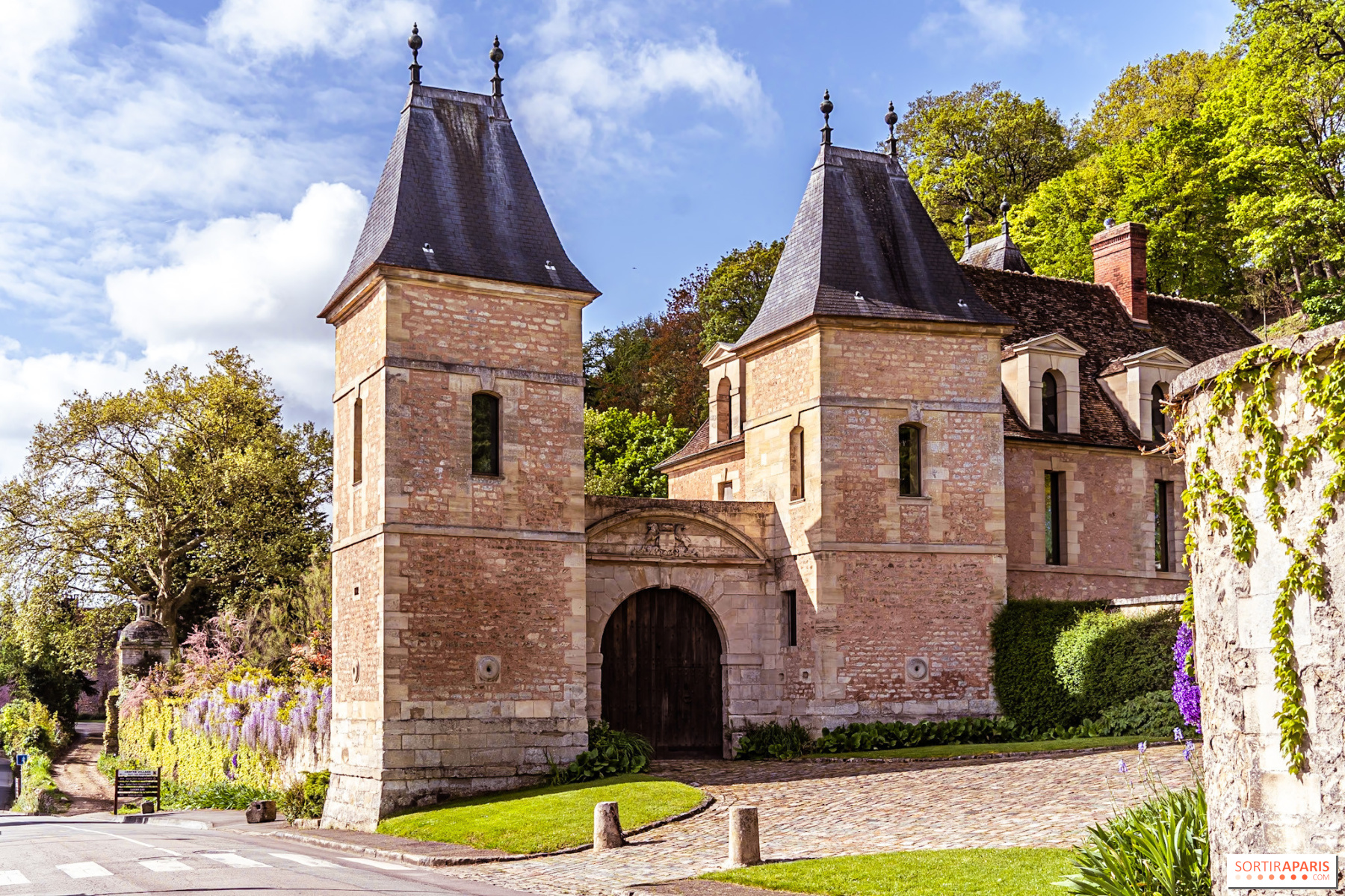
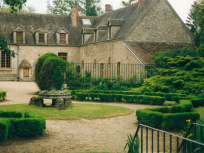
The site's history stretches back to the 9th century, making it one of the oldest landmarks in the region. The original structure serves as the foundation for a hunting pavilion at the end of the 15th century, after which the building is converted in the 16th century into a château for the Perdriel family. It is Pernette Perdriel’s marriage to Jean Brinon that ushers the estate into a new era: their son, Jean II Brinon, a generous patron and man of letters, turns it into a gathering place for the era’s brightest minds. Later, Jean Bourdin, chamberlain to Henri IV, adds the farm around 1635, while between 1750 and 1777 the Gilbert de Voisins family erects a long wing facing the valley, later rebuilt in 1873 by Baron de Dalmas. An accretion of architectural layers that remains perceptible to visitors today.
It is in the 15th century that the lands of Médan pass into the Brinon family. Jean II Brinon, educated in the belles lettres, hosts for his friends the fêtes and revelries of the Pléiade poets. Médan and Villennes thus become the setting for hunting parties where Ronsard, Jodelle, Dorat, du Bellay and many others gather. The hunt is often just a pretext: poetry flows freely in these evenings that mingle wit with the countryside. Ronsard composes several pieces at Médan in tribute to his host, including the poem Le Hous, à Jehan Brinon, written on site in 267 lines. Brinon’s generosity eventually bankrupts him, and he dies at just 36 in 1555, his poet friends paying him homage with a literary tomb preserved at the bibliothèque Mazarine in Paris. The château also keeps alive memories of King Henri IV and his loves with Gabrielle d’Estrées, who used to stay there and hunt in this idyllic setting overlooking the Seine.
Several centuries on, a very different kind of artist checks into Médan. Paul Cézanne, a childhood friend of Zola, made numerous stays with the writer from 1878 onward. Early each morning, he takes the boat named Nana across the Seine to set up his easel on the opposite bank, facing the castle. Beginning in 1879, he painted en plein air a watercolor now housed at the Kunsthaus Museum in Zurich, followed by an oil on canvas that later belonged to Paul Gauguin before finding a home at the Glasgow Art Gallery. In total, Cézanne would paint three works of the château, a fourth of the Médan countryside, and produce numerous drawings of the site. During the visit, large-format reproductions of these five Impressionist works painted in Médan are on display, the originals having long since left France. A way to recapture Cézanne’s gaze exactly where he once placed it.
Maurice Maeterlinck, Belgian poet and playwright, a leading light of the theatre’s Symbolist movement and Nobel Prize in Literature in 1911, bought the château in 1924 with his wife Renée Dahon. He lived there until 1939, when he went into exile in the United States for the duration of the war.
In Médan he wrote La Vie des Fourmis in 1930 and L'Araignée de verre in 1932, set against that wooded, hushed landscape that perfectly mirrors his world, haunted by nature and the mysteries of existence. He is also known for Pelléas et Mélisande, set to music by Claude Debussy, and for L'Oiseau bleu, The Blue Bird. Maeterlinck died in Nice in 1949, surrounded by honors, ennobled by King Albert I and an associate member of the Académie française. In 1962, the Countess Maeterlinck donated the castle to Henri Smadja.
This is an anecdote few visitors know before they arrive. Henri Smadja, an extraordinary figure—a physician and businessman—took the reins of the famed daily Combat in the 1960s, a paper born from a clandestine resistance sheet and made famous by Albert Camus. He then decided to move the newspaper's printing presses to the Château de Médan, after they had been based in Paris in the Marais district.
For eight years, the castle was transformed into a printing house. With Smadja’s sudden death on July 14, 1974, the venture ended abruptly, and the last issue of the daily appeared a few weeks later under a headline that has stayed in memory: Silence, we’re sinking! A chapter in the site’s history that the owners recount with great verve during the tours.
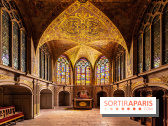
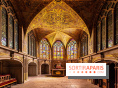
The visit, still personally led by Mrs. Aubin de Malicorne, invites you into several rooms that have been restored with taste and authenticity, where period furniture, archival documents, and reproductions of artworks bring five centuries of history to life. One room is entirely devoted to the castle’s restoration, with archival photographs that capture the scale of the work that has been completed.
We also encounter original issues of the newspaper Combat printed on site, alongside large-format reproductions of Cézanne’s canvases painted from the opposite bank of the Seine. At the end of the visit, the owners offer a refreshment in the wine cellar, with tea or an aperitif depending on the time, and a selection of souvenirs for sale: brochures, watercolor sketchbooks, history books, and castle honey produced on site. Note that photography is not allowed inside.
In 1977 the current owners, Mr. and Mrs. Aubin of Malicorne, acquired the castle at a public auction when it was little more than a half-ruin, after two enemy occupations, a fire in 1956, and three years of looting. A decade of restoration was required to restore its soul. Today they welcome visitors as a family, giving the tour a truly distinctive character, far from the usual tourist trails.
The private tours run once a month at 3:00 p.m., with prior registration by email or phone, payment by check or cash. In 2026, the upcoming dates are set for May 1, May 23, June 14, and June 27. On pricing, expect €10 for adults and €5 for children aged 12 to 18, with free admission for those under 12. This rate covers entry, the guided tour, and a final refreshment in the wine cellar.
Exceptional openings are planned as part of the Jardins Ouverts program on June 28, July 11-12, August 8-9 and August 22-23. During the Journées du Patrimoine on September 19-20, two time slots are offered at 10:30 a.m. and 3:00 p.m., priced at 12 € for adults, 7 € for ages 12 to 18, and free for children under 12. Groups of twelve can book year-round on a date to be agreed. All practical information and the complete 2026 calendar are available on the Château de Médan’s official site, rue Pierre Curie in Médan (78670).
Our verdict: A visit that will delight history and literature enthusiasts as much as families seeking a unique cultural outing in the Yvelines. The hosts’ personal welcome, as they themselves recount the high points of their journey, makes all the difference. You walk away with a head full of stories and, sometimes, a jar of honey from the château in hand.
Also worth discovering in the area:
Just a stone's throw from the castle, Doctor Fauvel's waterfall makes for a refreshing nature stroll on the heights of Médan.
In the same village, Maison Zola recalls that the author of Germinal was a frequent visitor to the Seine-side in Yvelines, and that Cézanne would come here to visit before setting out on his boat.
To end the day in style, the restaurant La Casa and its Sunday brunch offer a perfect excuse to extend the escape in the Yvelines.
This page may contain AI-assisted elements, more information here.
Location
Médan Castle
43 Rue Pierre Curie
78670 Medan
Route planner
Prices
Visite mensuelle: €5 - €10
Journées du Patrimoine: €7 - €12
Official website
chateau-de-medan.fr
Booking
chateau-de-medan.fr