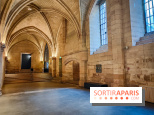
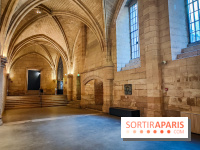
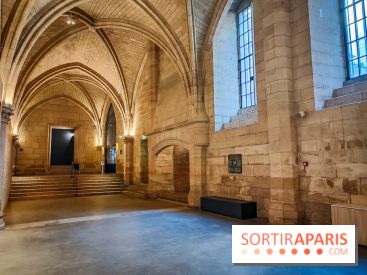
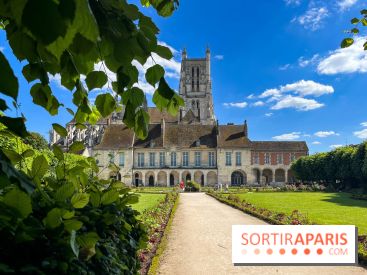
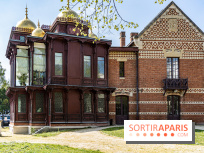
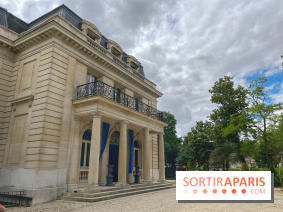
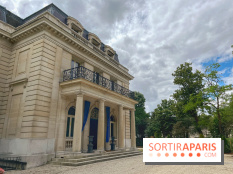
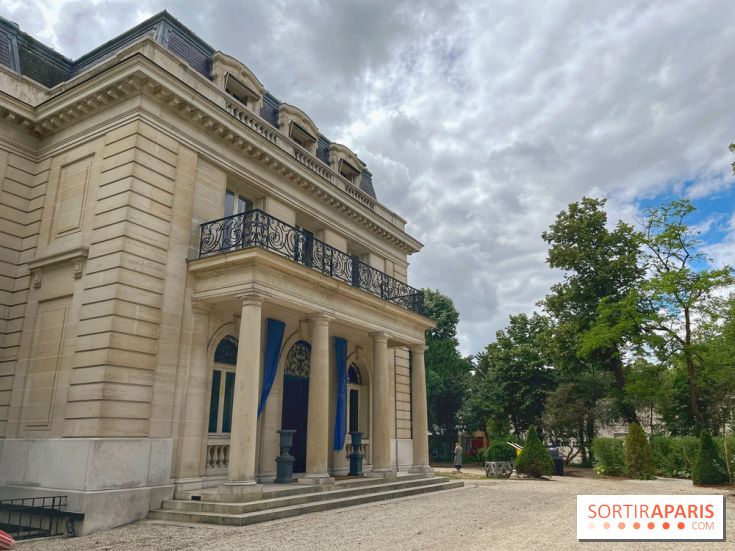
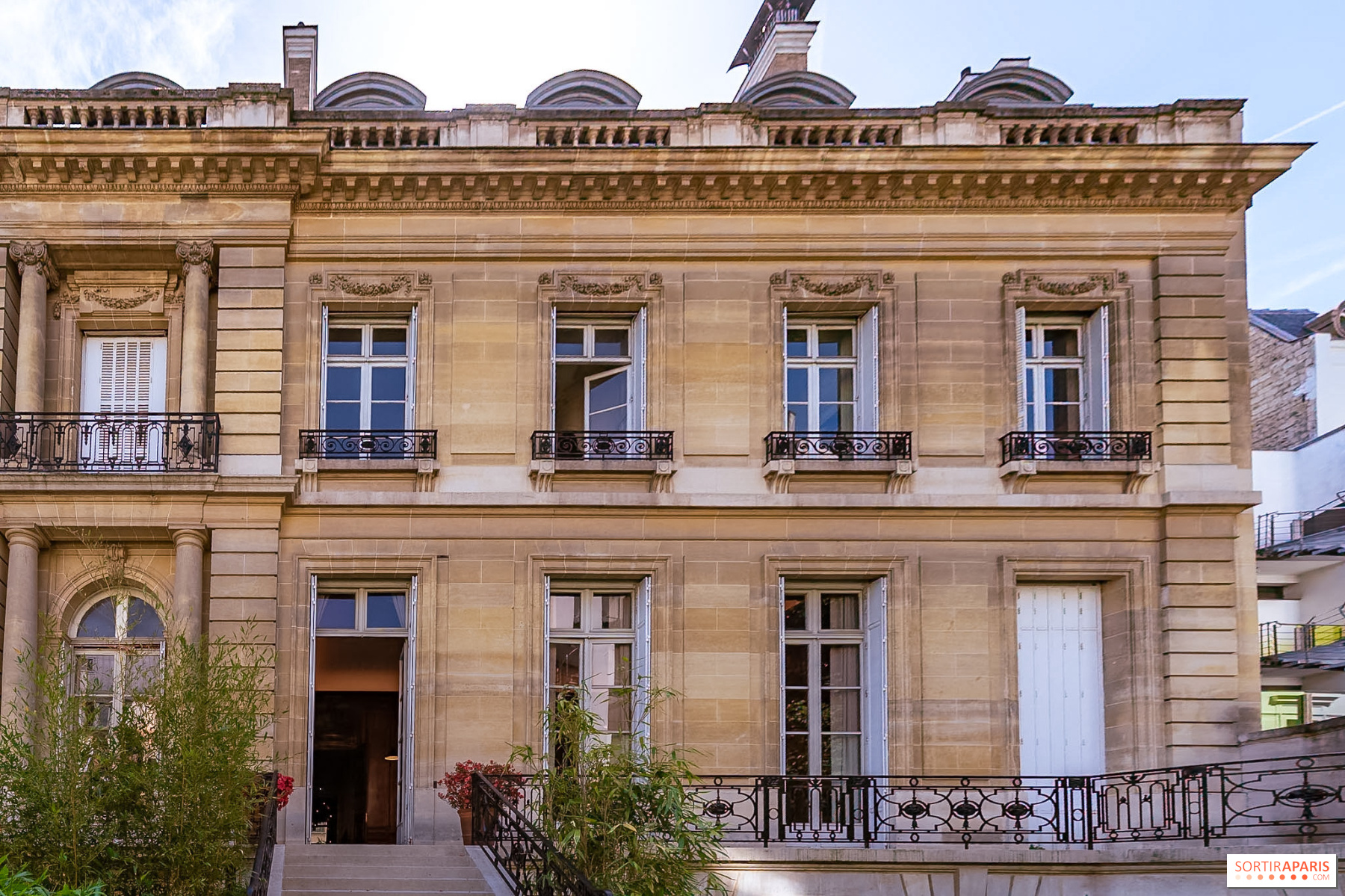
We set off to discover the Maison Guimet, and we’re pulling back the curtain on what lies behind the discreet façade of this private town house in the 16th arrondissement of Paris. Part of the Guimet Museum, the former Hôtel d’Heidelbach reopens its doors to the public on May 23, 2026, after several months of renovation work. Now renamed Maison Guimet, this discreet address on Avenue d’Iéna has been entirely reimagined by designer and interior architect Constance Guisset. It now showcases a collection of Chinese ceremonial furniture, a Japanese garden with its authentic tea pavilion, and a rich lineup centered on the arts of tea and Asian literature.
And as a smart option: the ticket at 18 euros includes the guided tour with a tea tasting, plus access to the Guimet Museum's entire collections and exhibitions. At only three euros more than admission to the museum alone, you might as well go for the full experience.
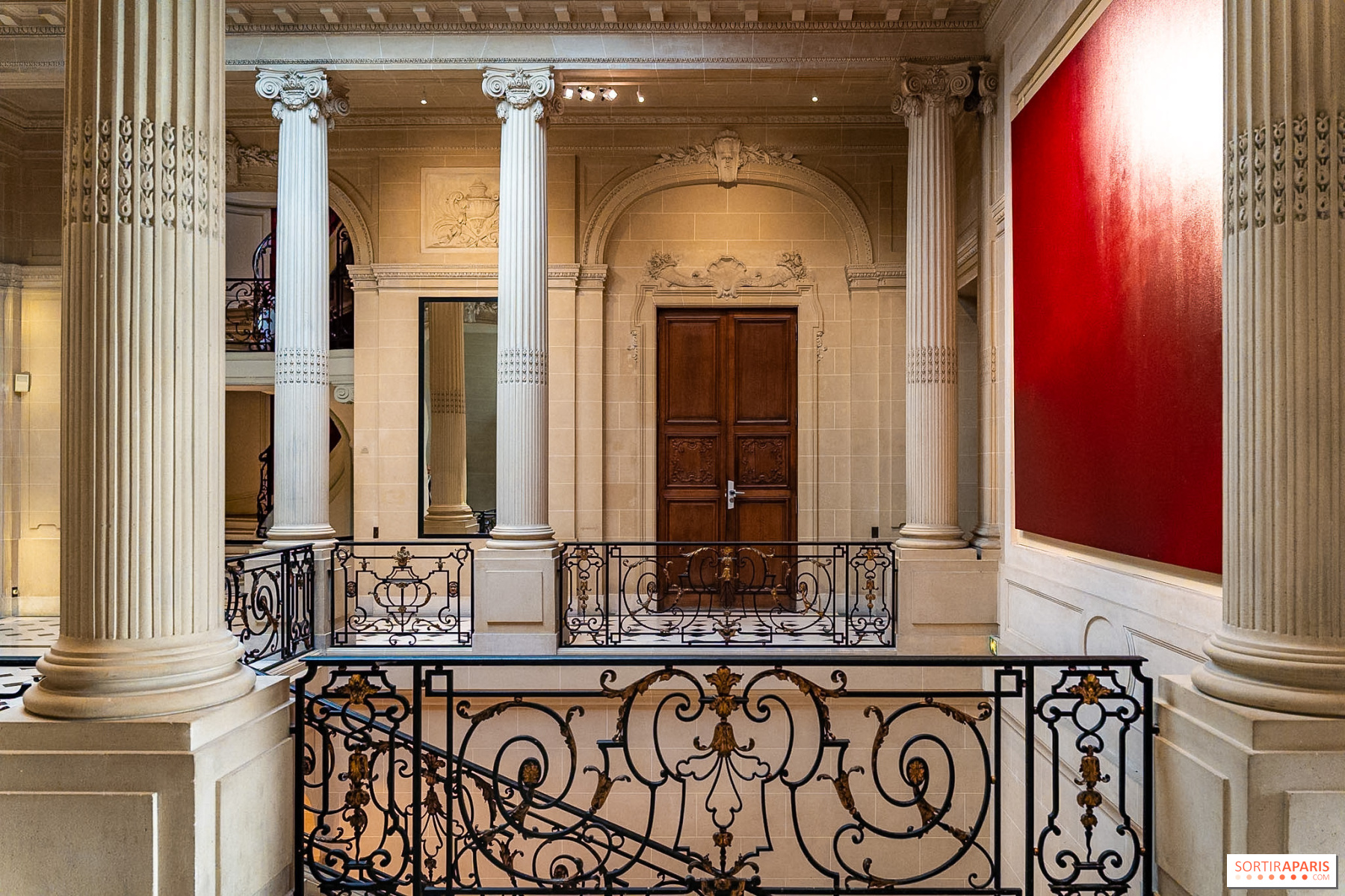
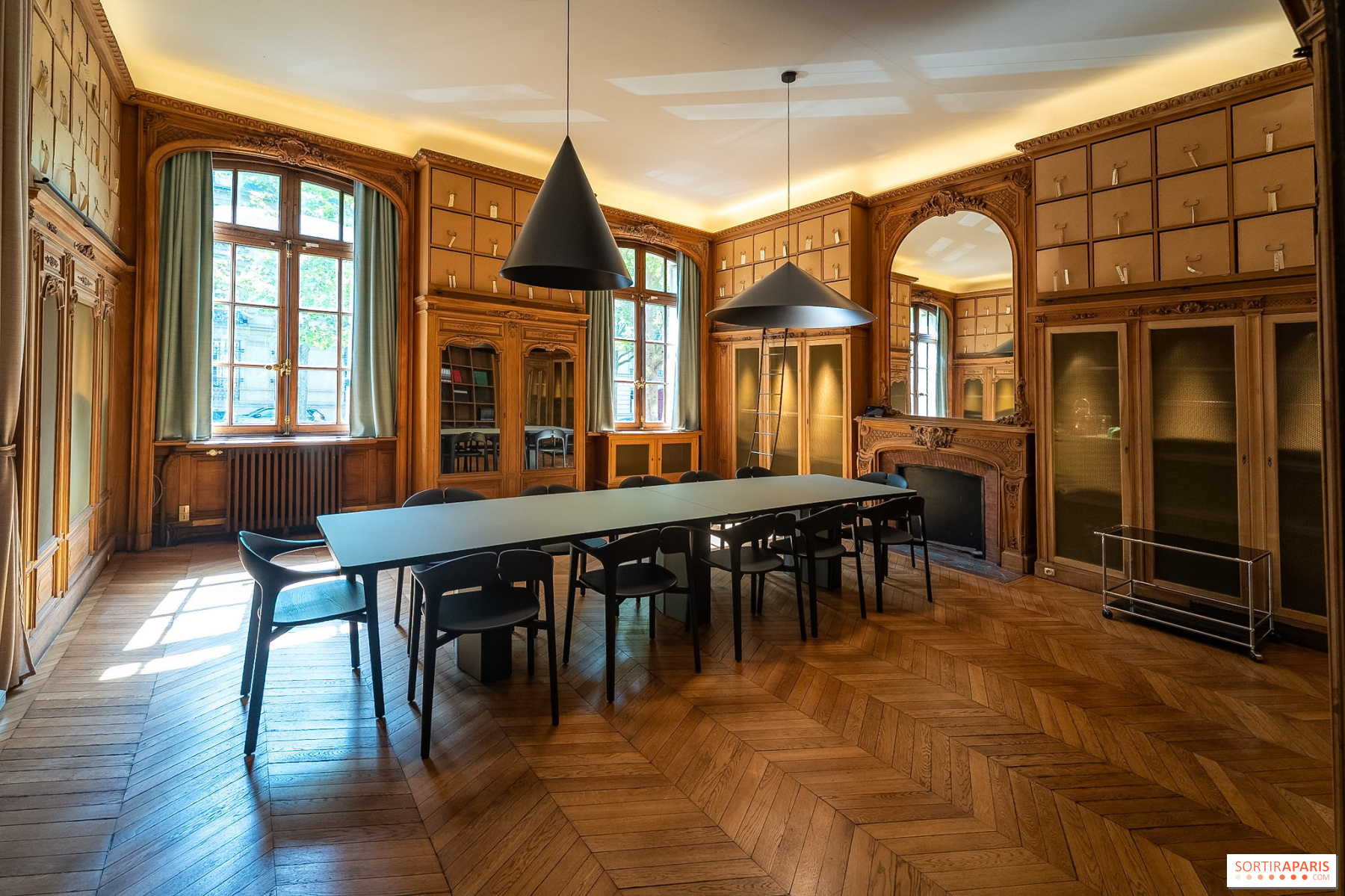
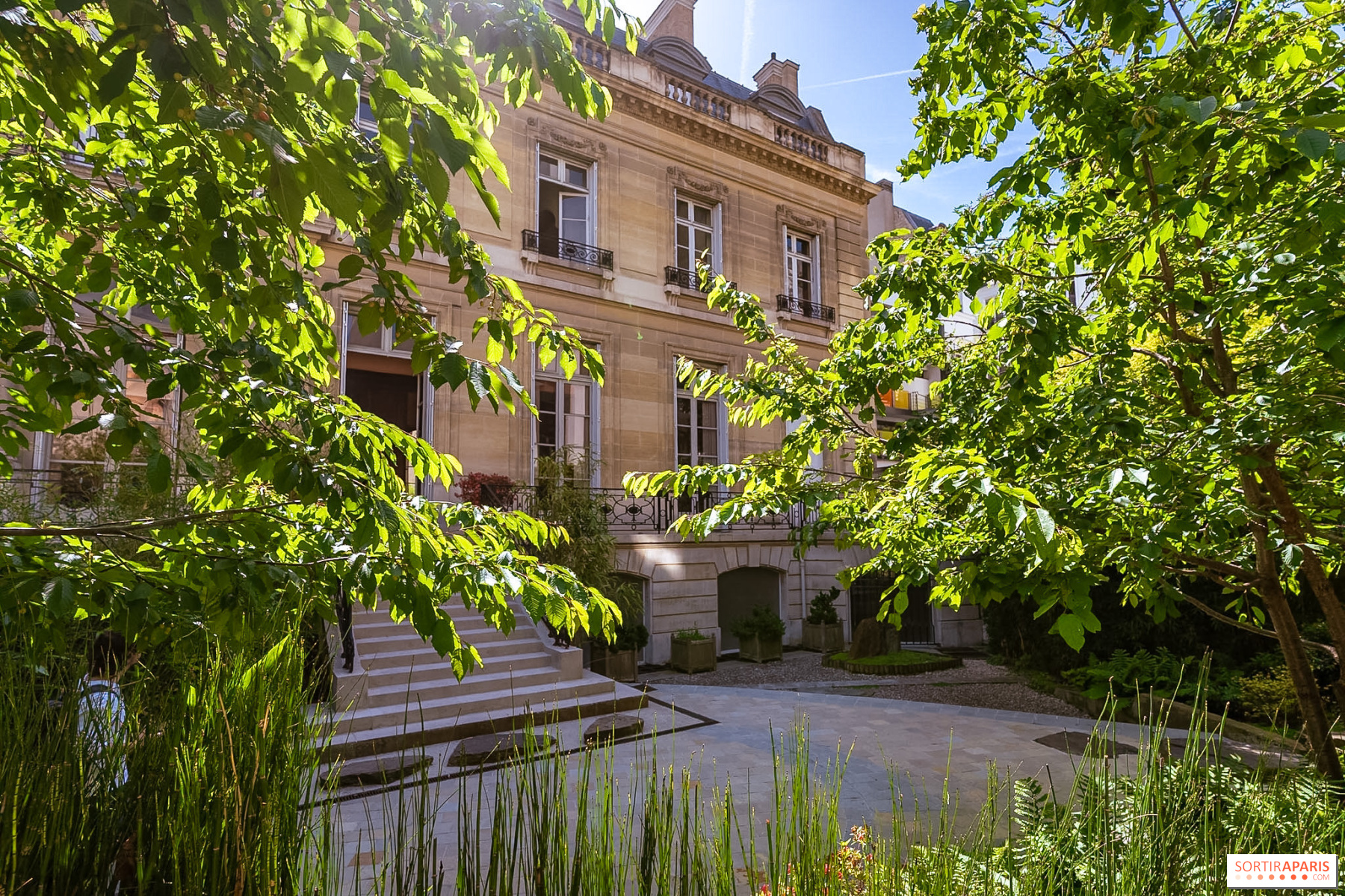
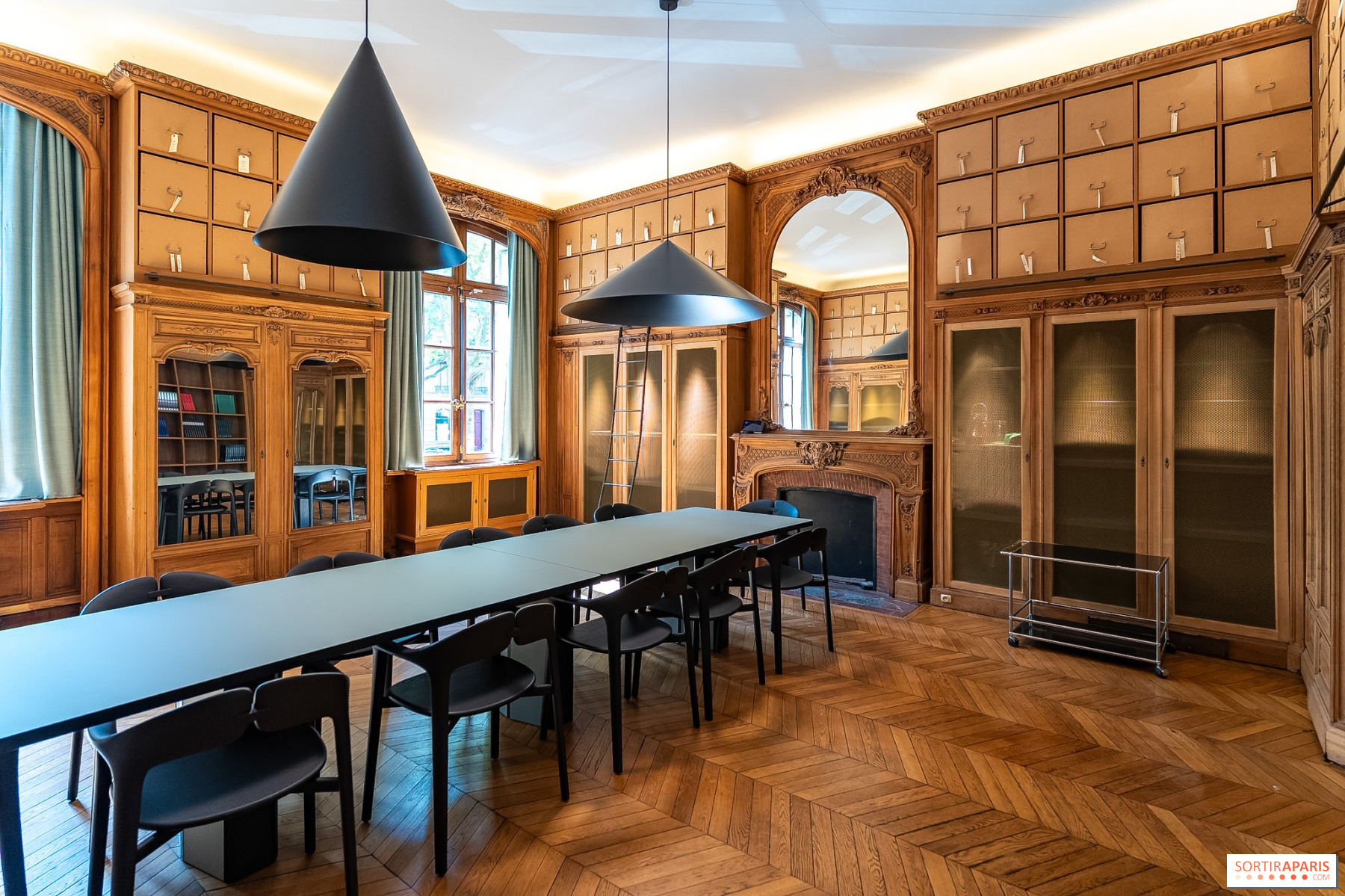
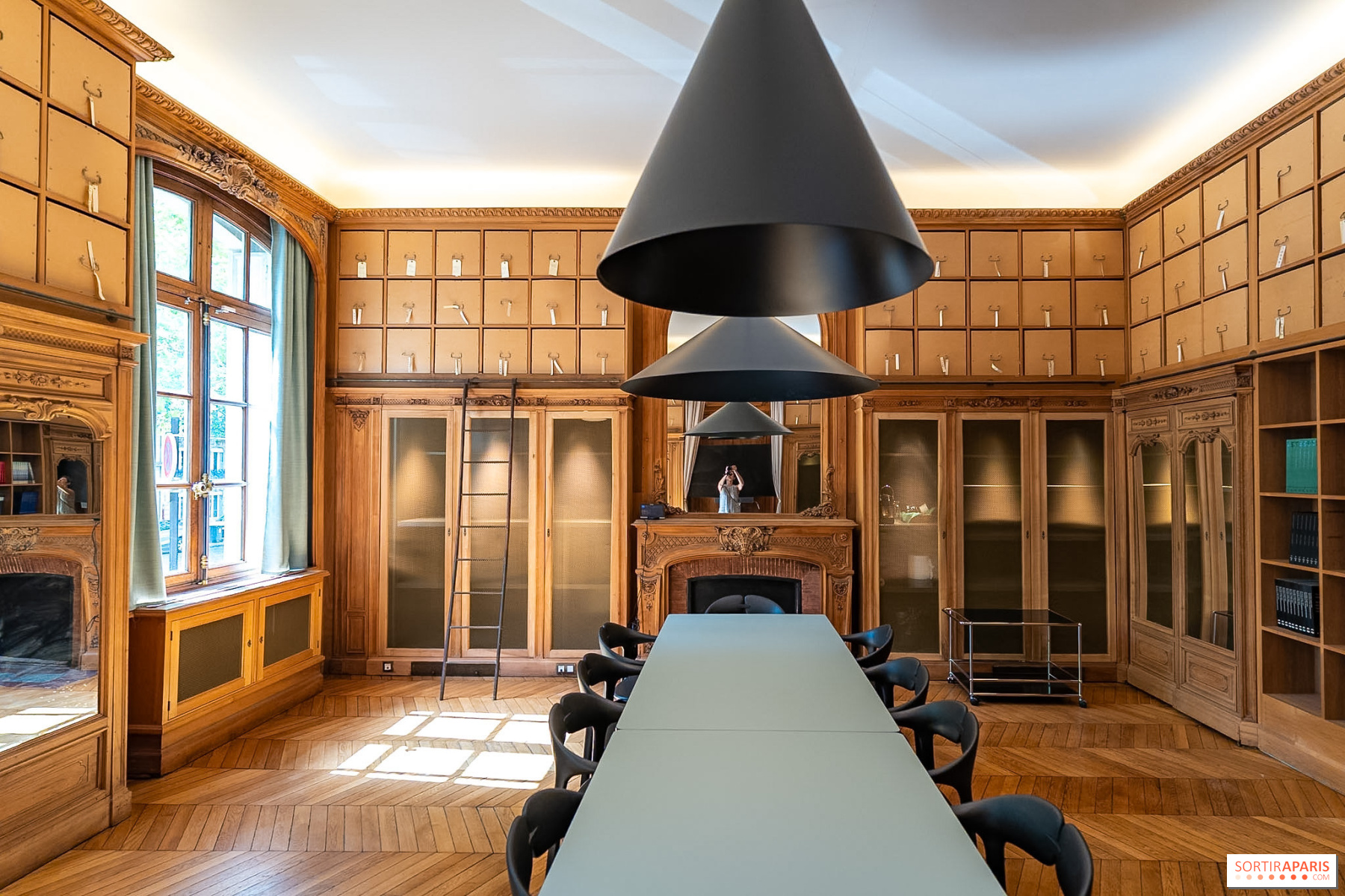
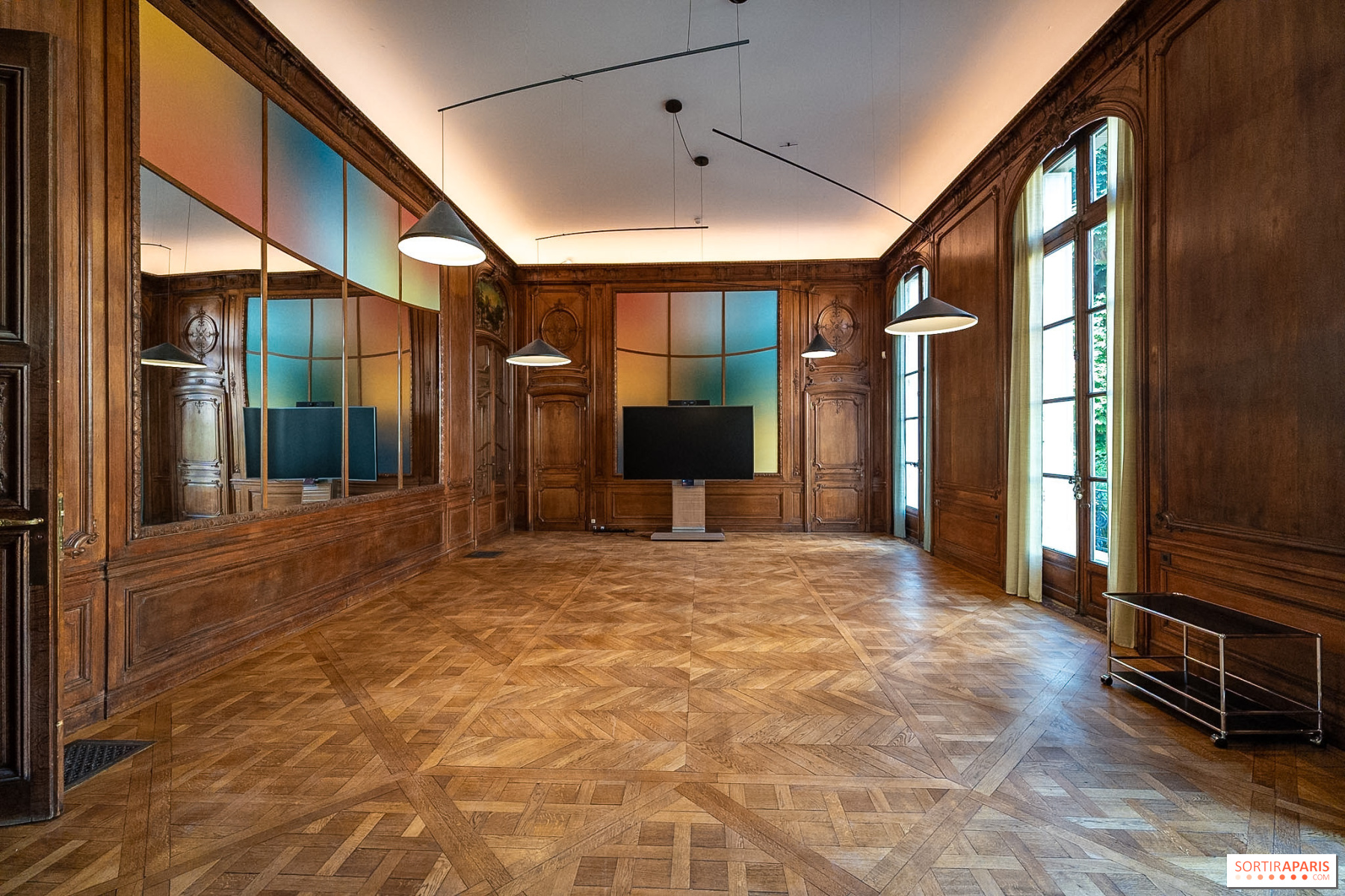
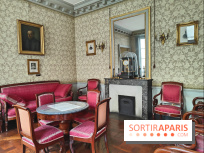
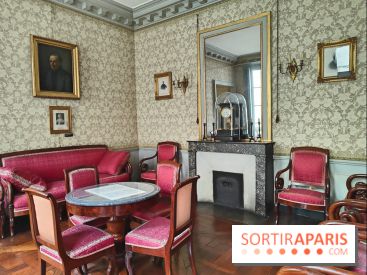
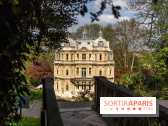
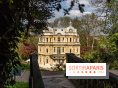
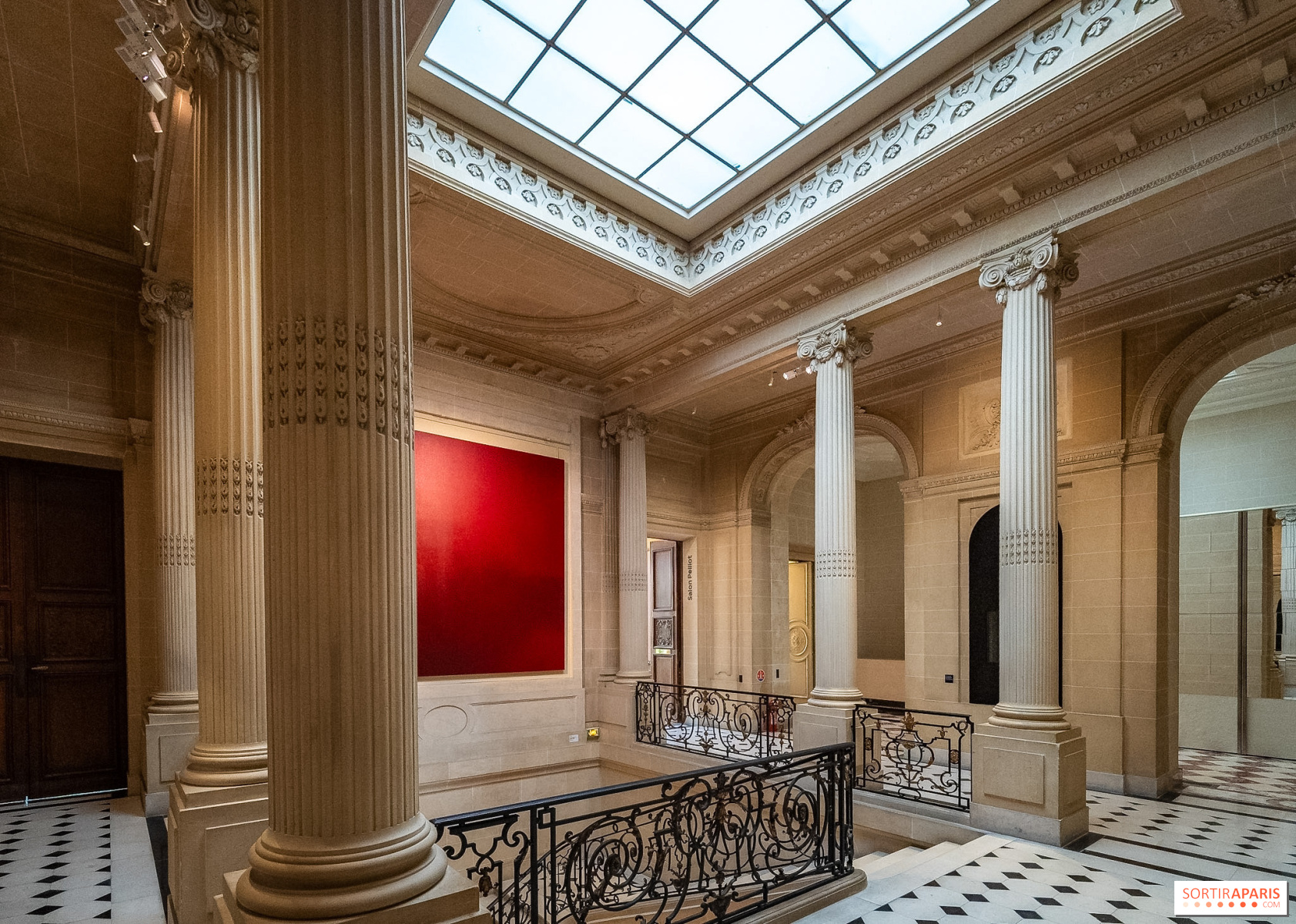
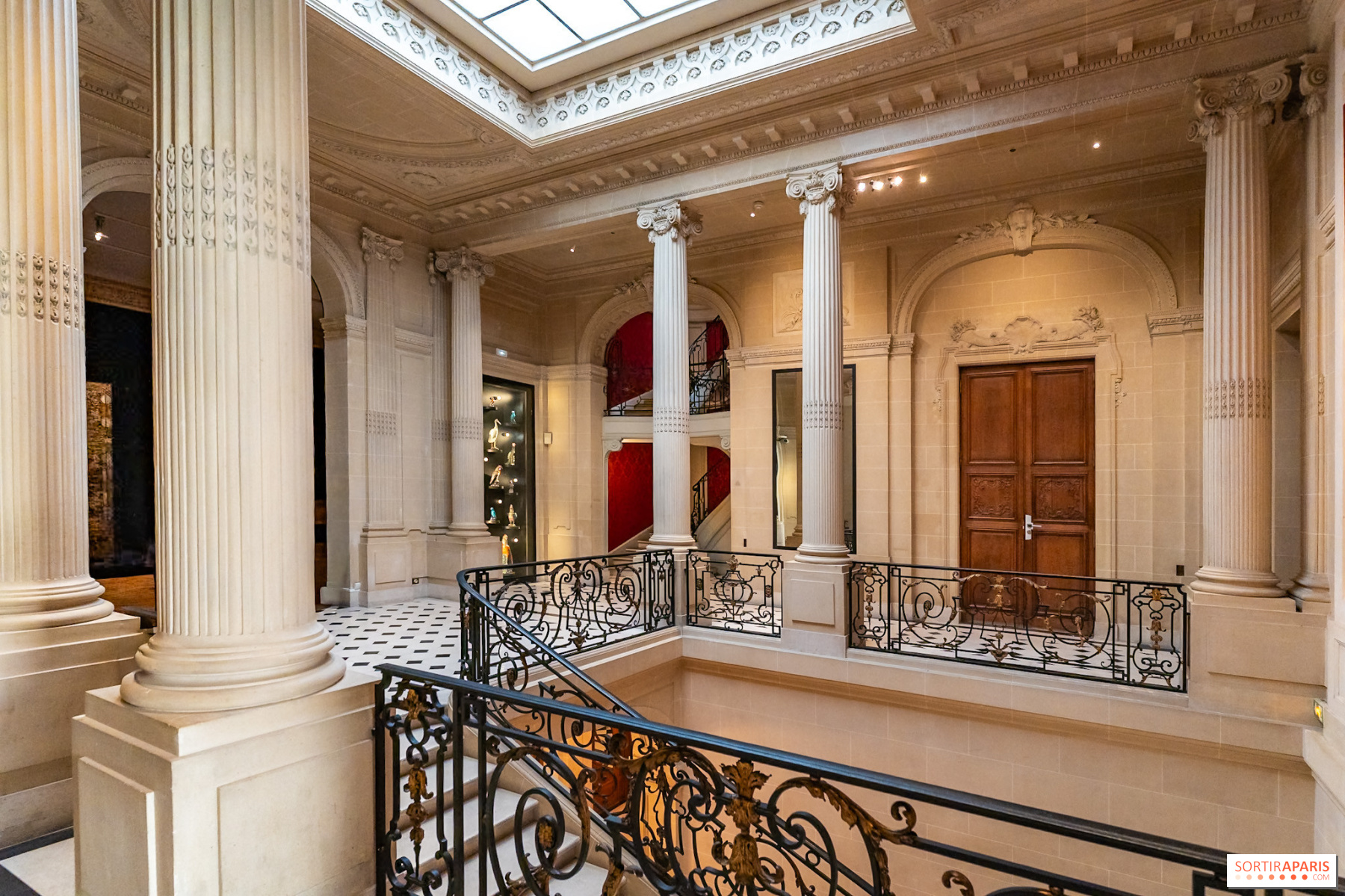
Former residence of two art enthusiasts, Alfred-Samuel d'Heidelbach and Julie Picard, the townhouse joined the Guimet Museum in 1991. Built in 1913, the building has preserved all the hallmarks of a Belle Époque Parisian townhouse: ceiling moldings, period woodwork, Hungarian-point parquet, marble fireplaces and tall small-paned windows. It is in this hushed setting, between Paris and Beijing, that one of the finest collections of Chinese ceremonial furniture accessible to the public in the capital unfolds. To rethink these spaces without betraying them, the Guimet Museum turned to designer and interior architect Constance Guisset, whose work is featured in the collections of the Centre Pompidou. Her approach: intervene with lightness, valorize the existing, and let the works speak.
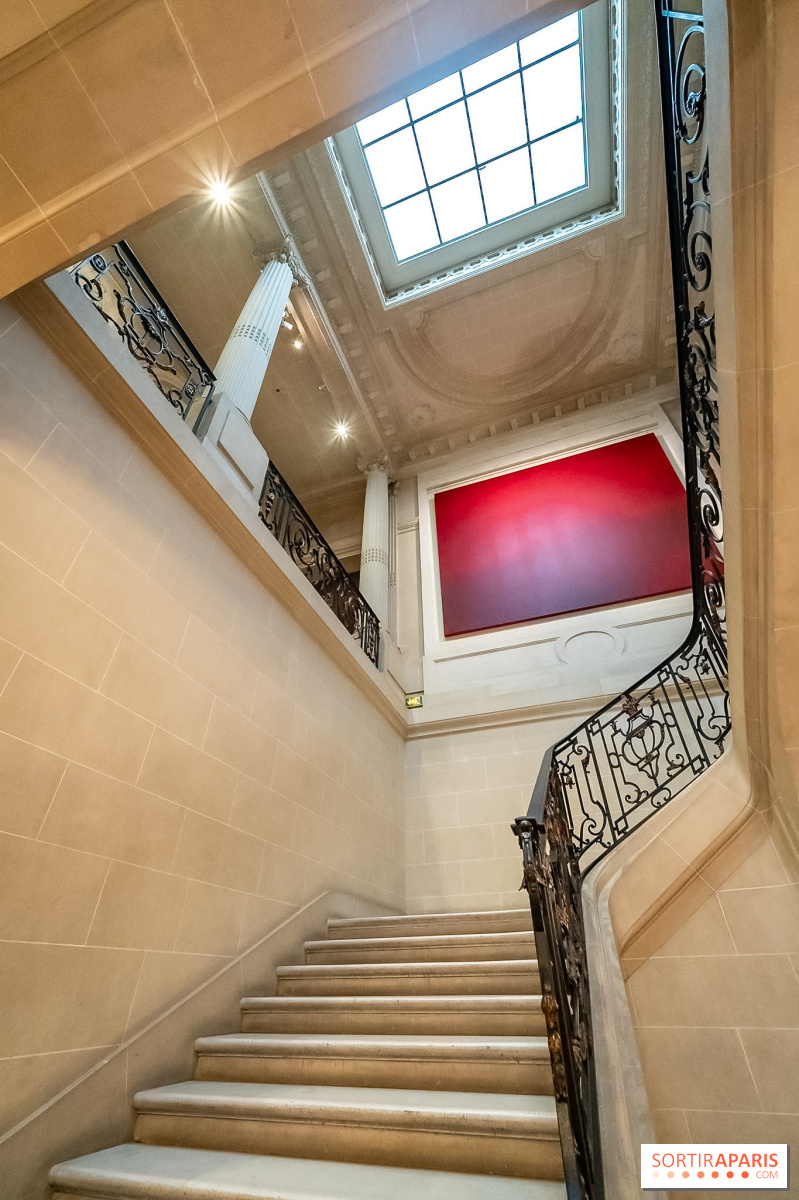
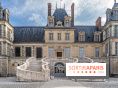
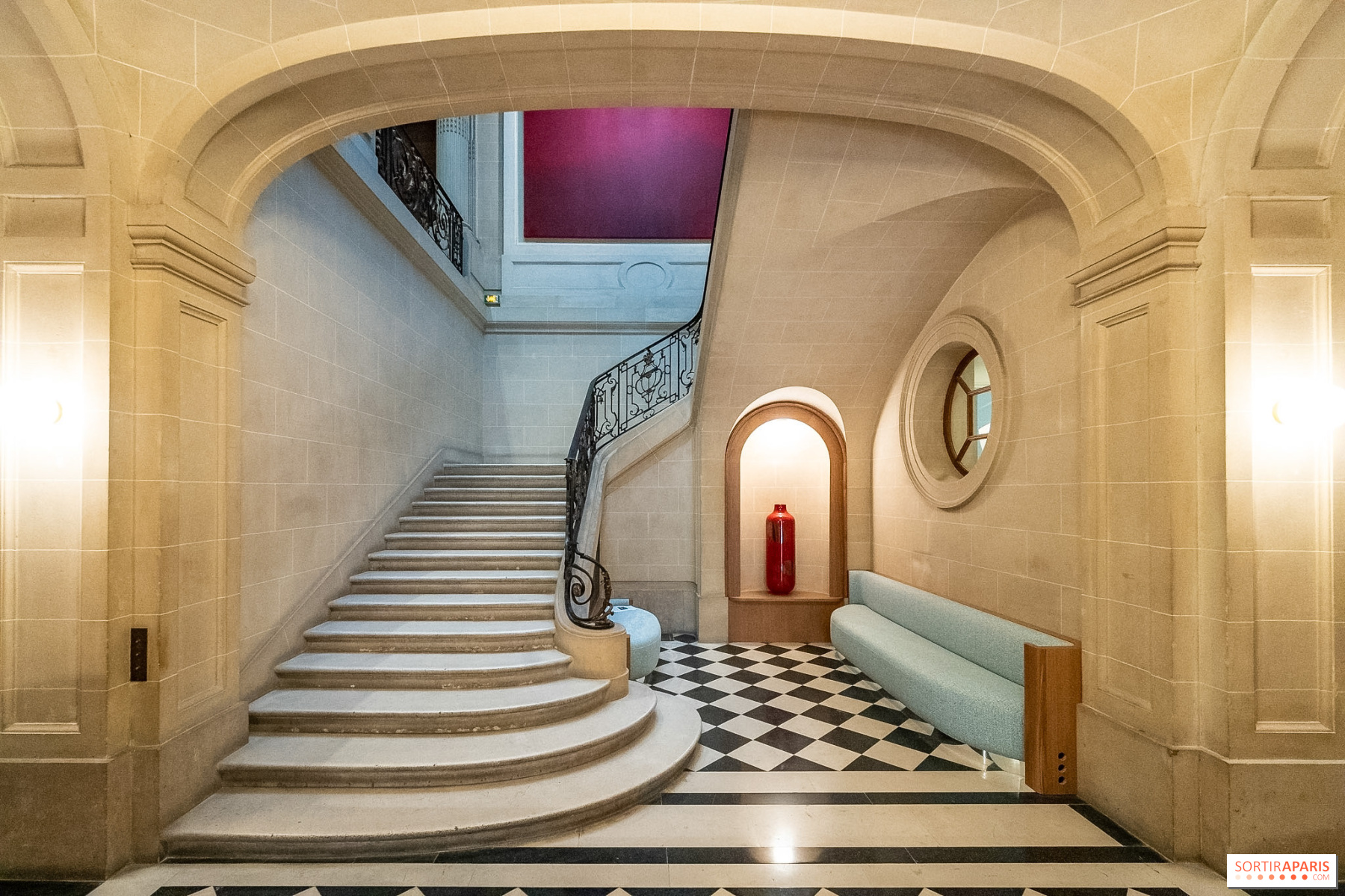
From the moment you step in, the tone is set. The carved wooden staircase, the patinated wall paneling, and the finely crafted moldings recall that you’re in a late–early 20th-century townhouse. Built-in benches beneath the stairs, discreet and well thought out, already invite you to slow down.
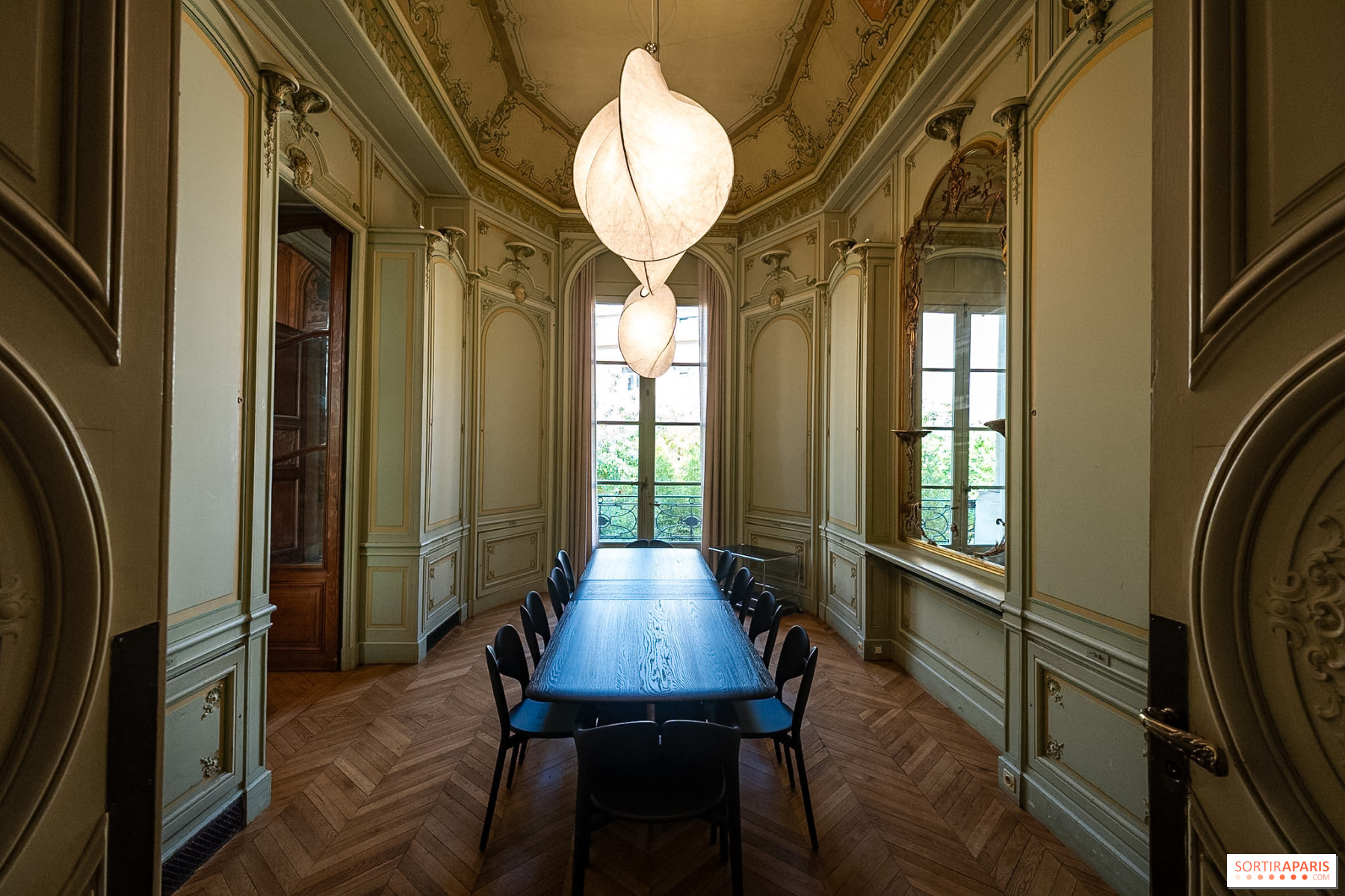
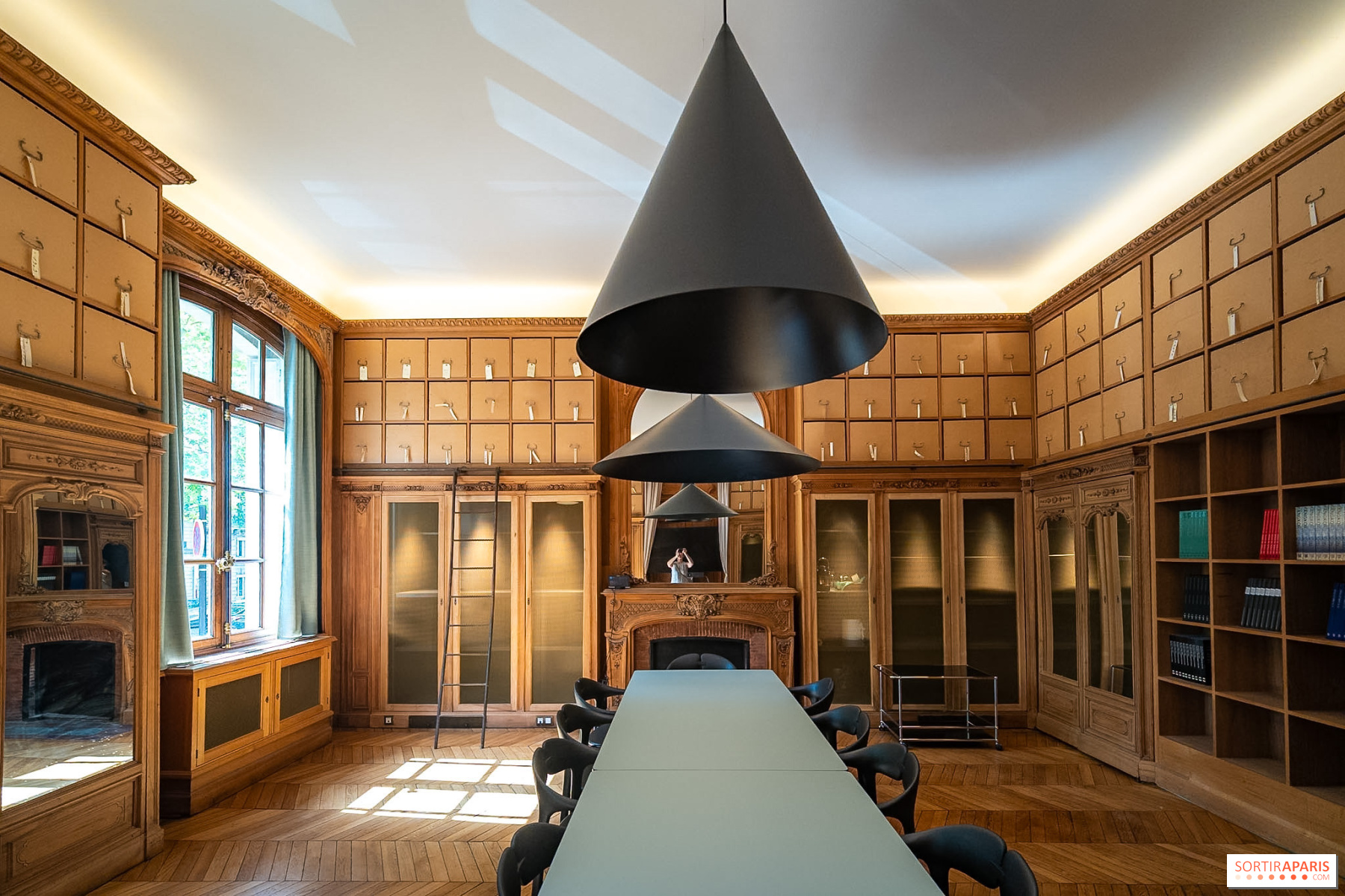
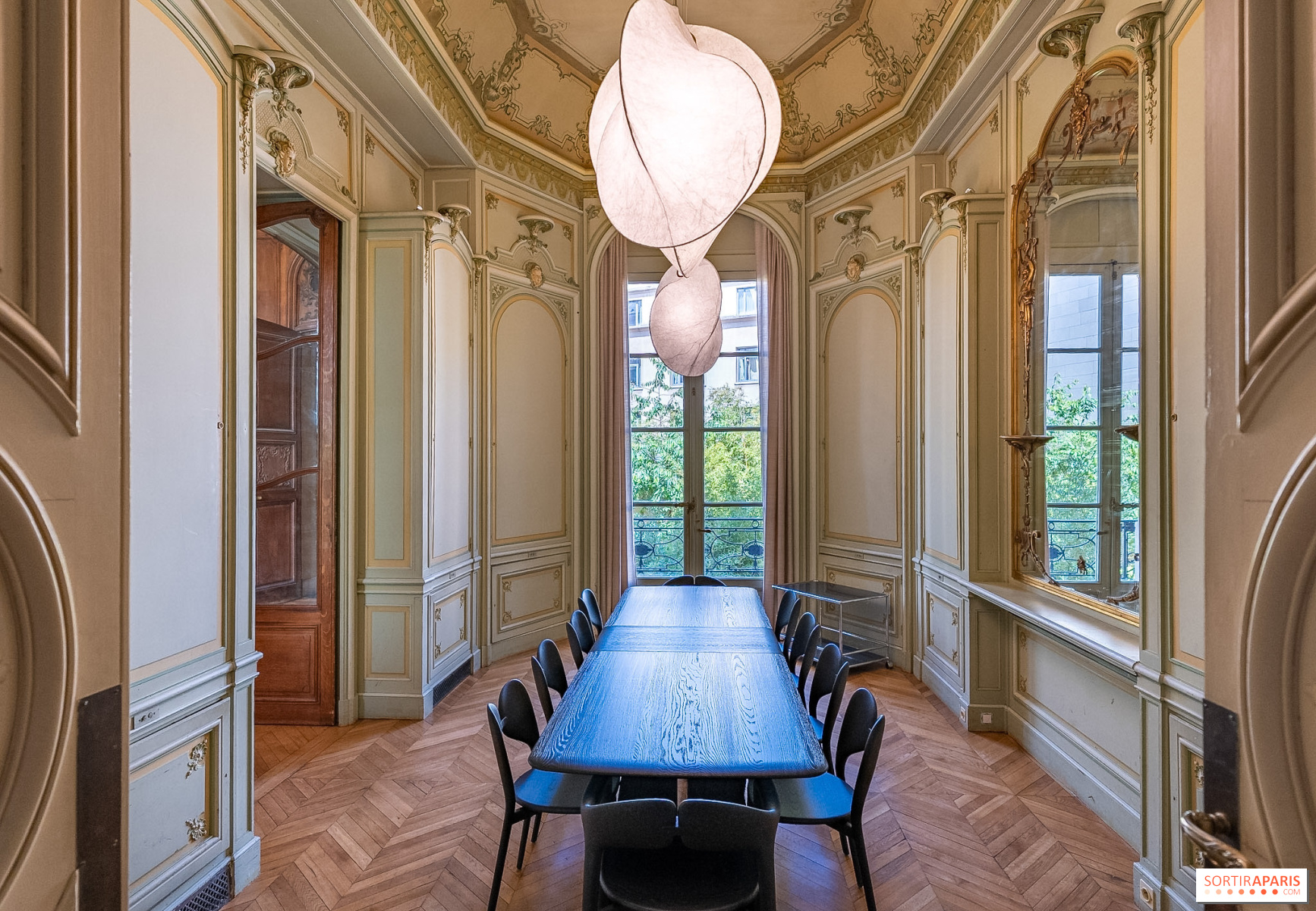
In the Monsieur Salon, the existing woodwork was retained and subtly highlighted, while bold, contemporary light fixtures and a custom meeting table by Atelier Emmaüs reshape the atmosphere without weighing it down.
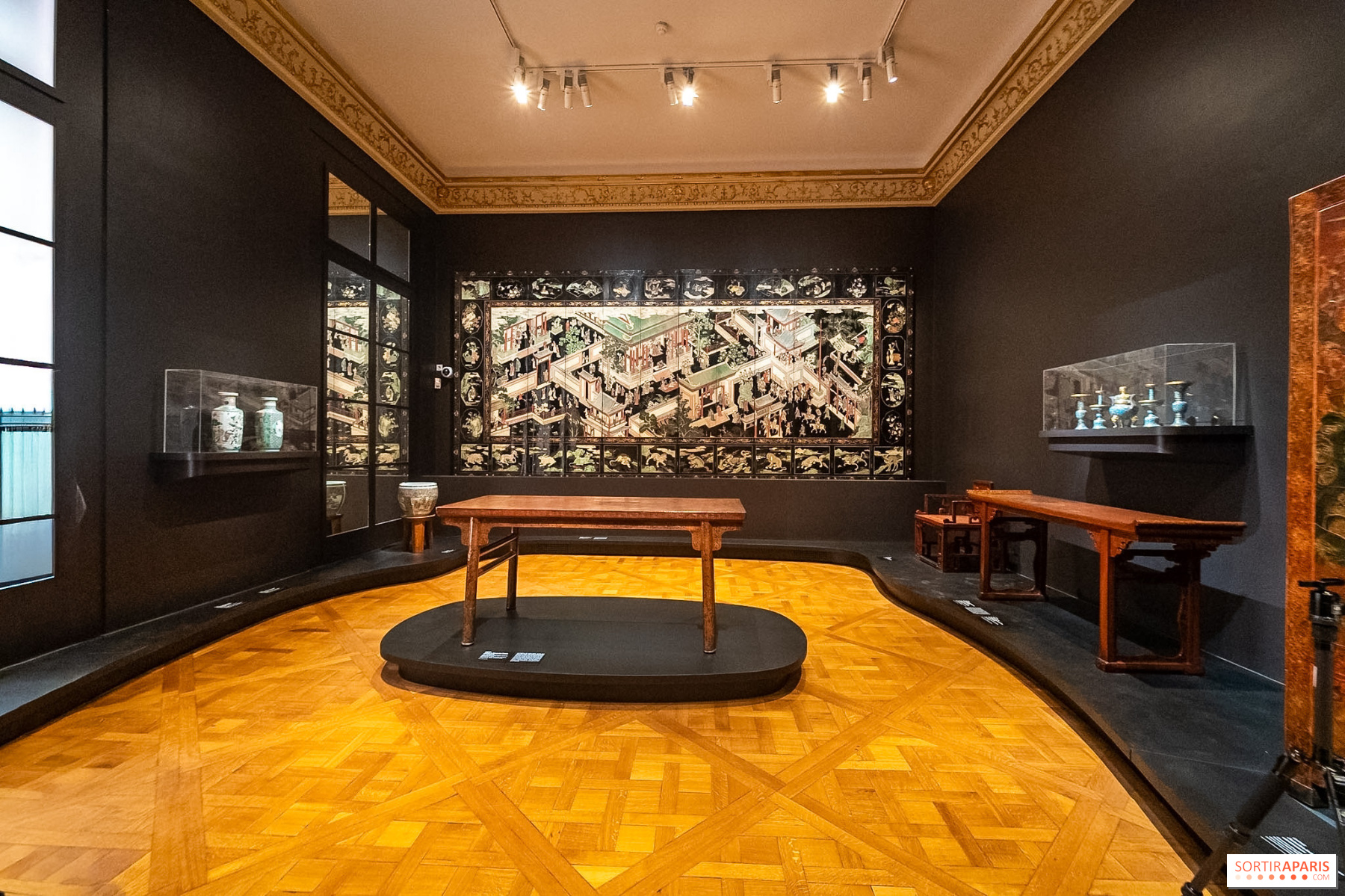
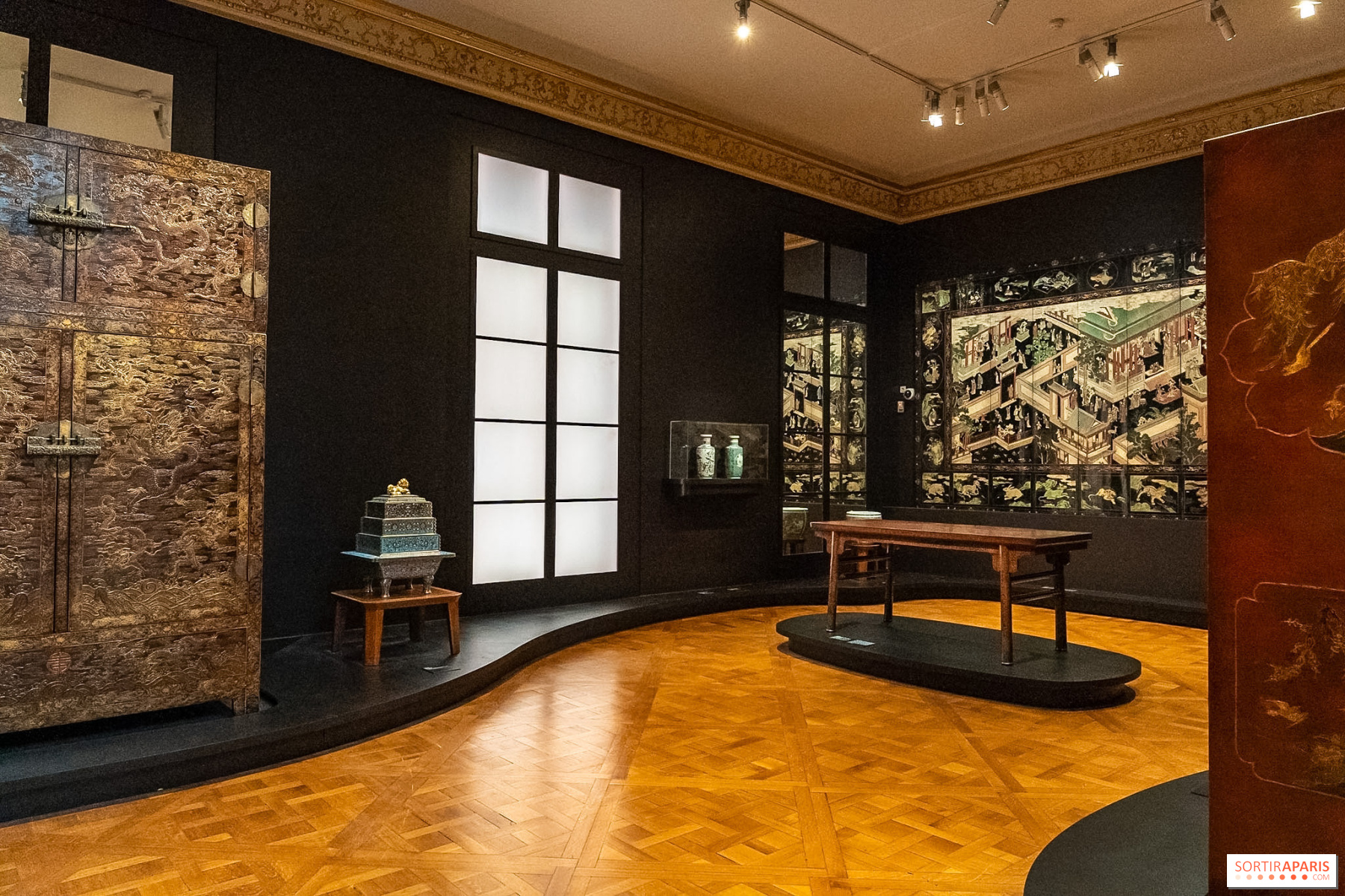
On the first floor, the works reveal their full scale. The Chinese lacquer screens are undoubtedly the most striking pieces in the collection. Some climb several meters high and spread scenes of astonishing precision: misty mountain landscapes, imperial court tableaux, blooming plum branches, golden cranes and carp that seem almost alive under the light. To showcase them, Constance Guisset has dressed the walls in a palette of blacks that creates a subtle rhythm and makes the intensity of the lacquers resonate. A trompe-l'œil window, marrying the original opening with backlit washi paper, delivers a remarkably natural impression of daylight. One could almost believe they’re stepping right into it.
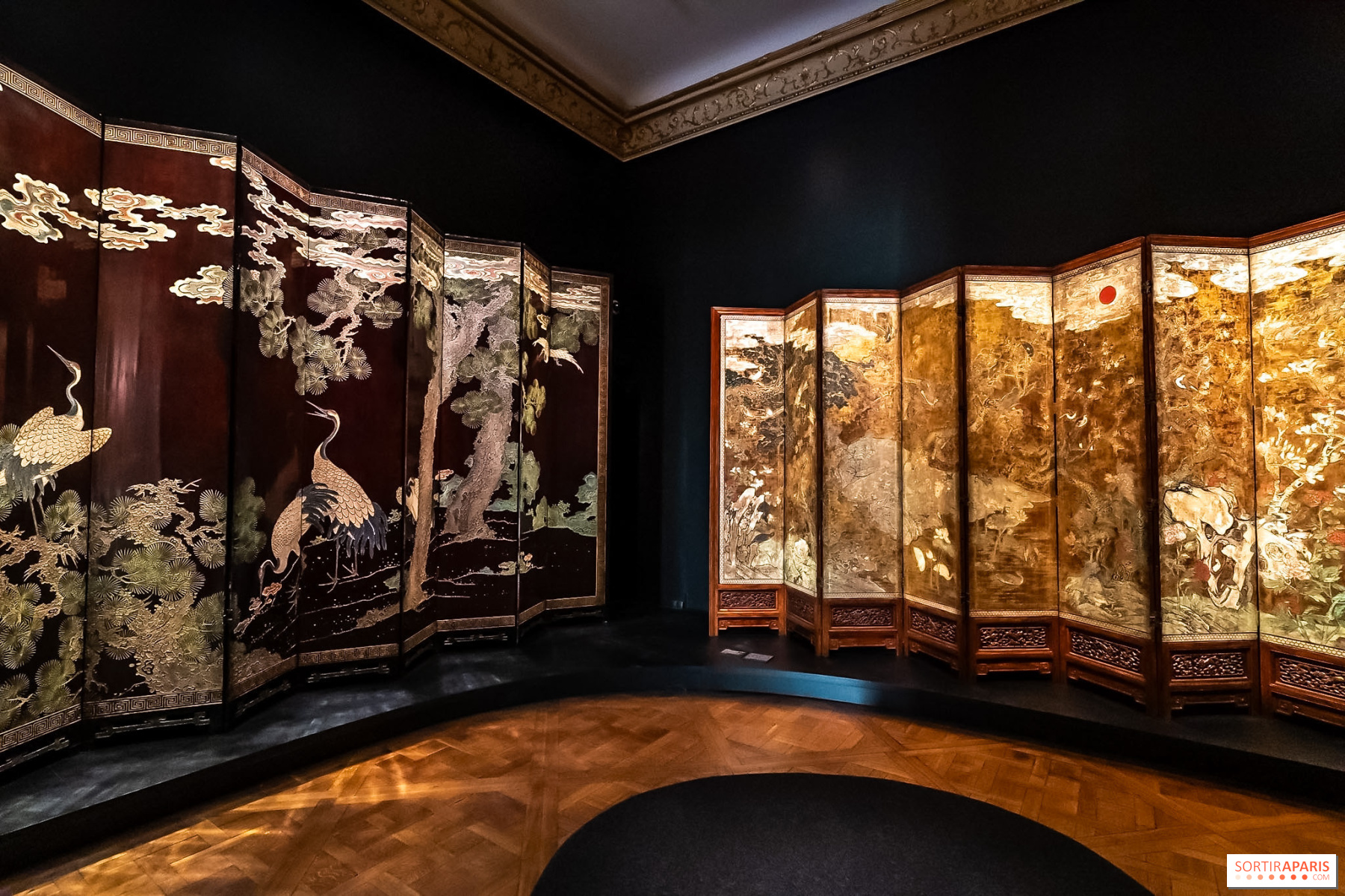
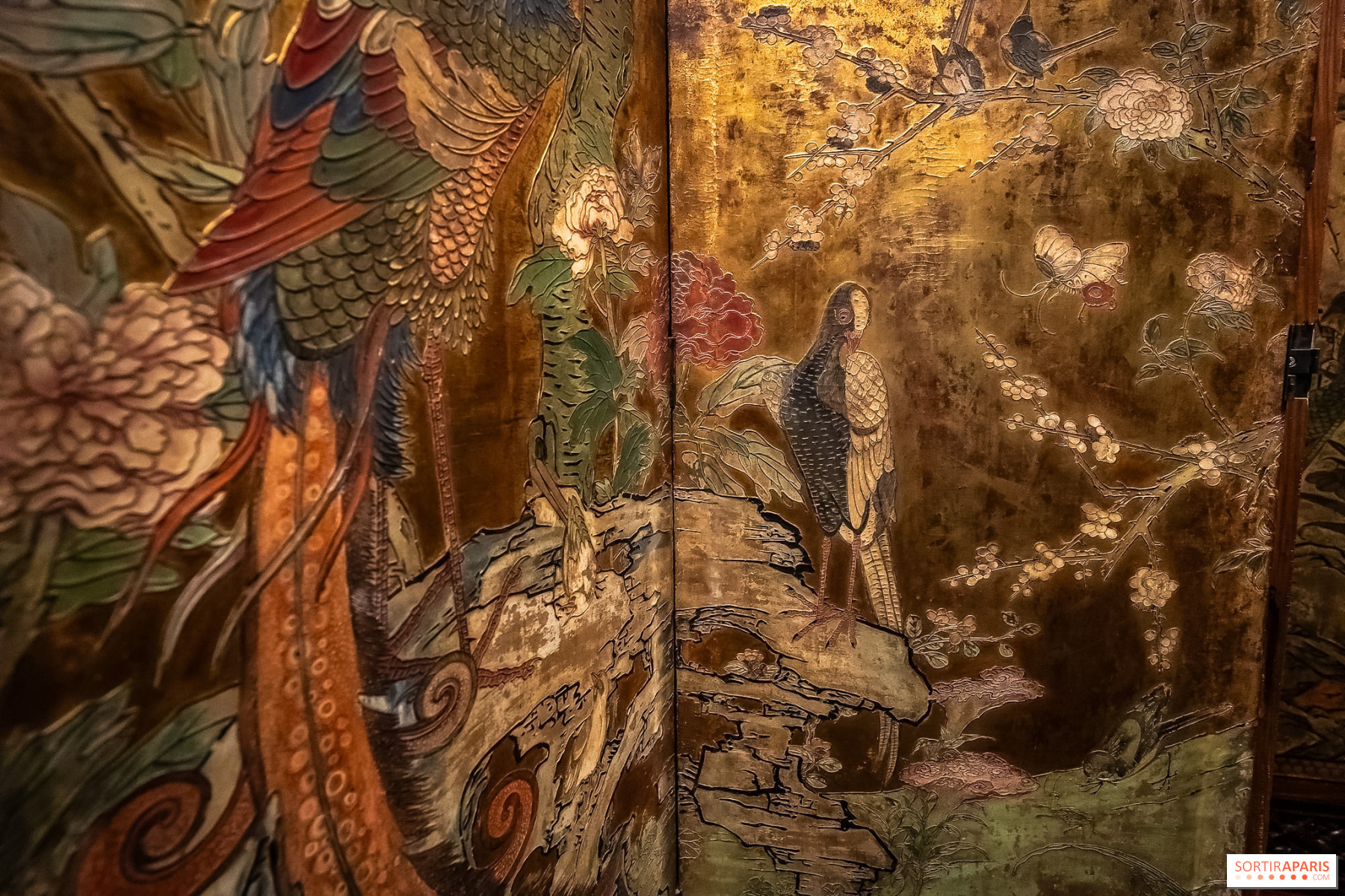
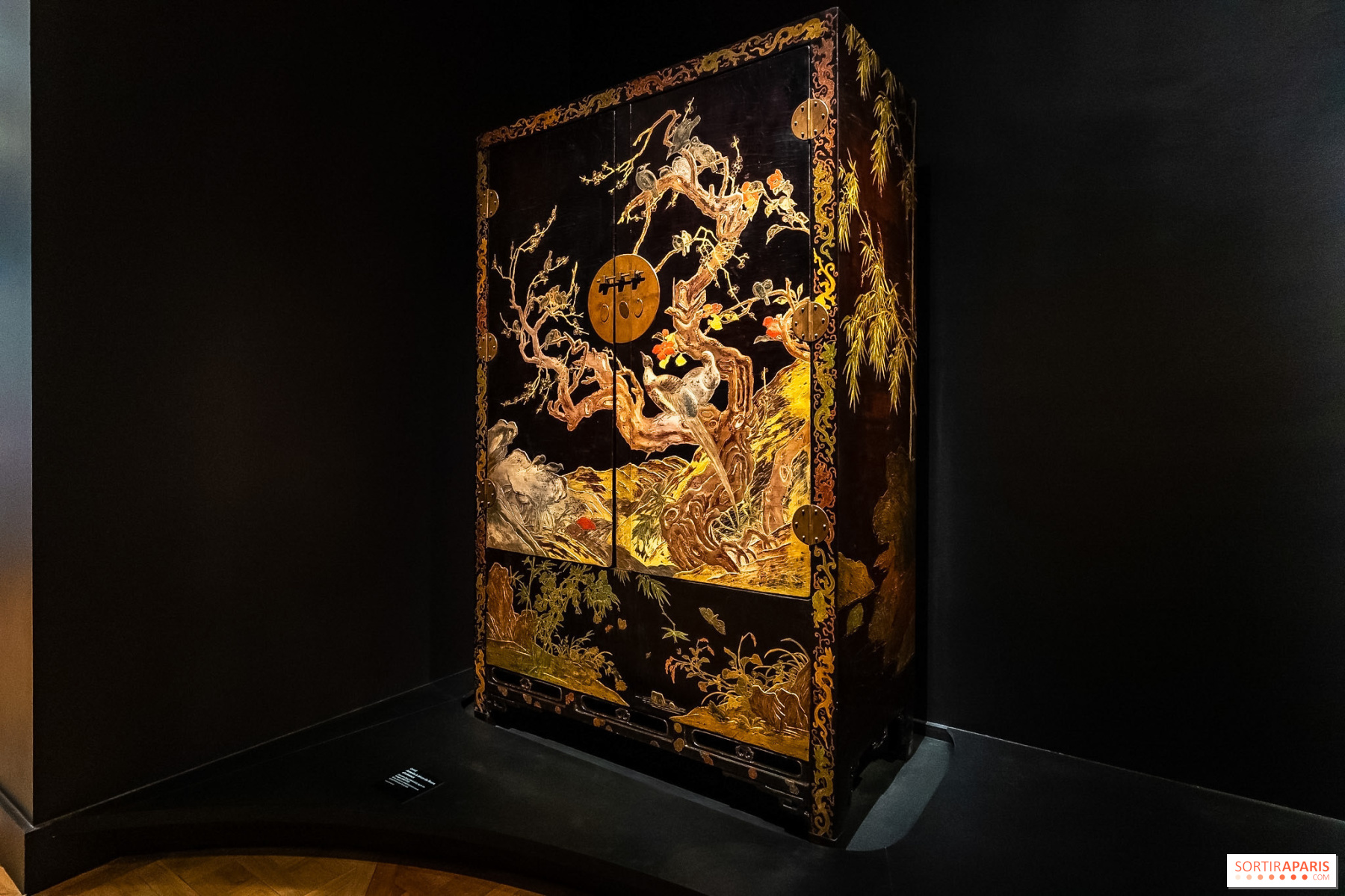
The armoires et cabinets d'apparat in black and gold lacquer, with fittings in gilded bronze, attest to imperial craftsmanship of remarkable sophistication. Their façades are adorned with relief motifs of dragons, phoenixes and clouds, executed with a level of precision that commands admiration.
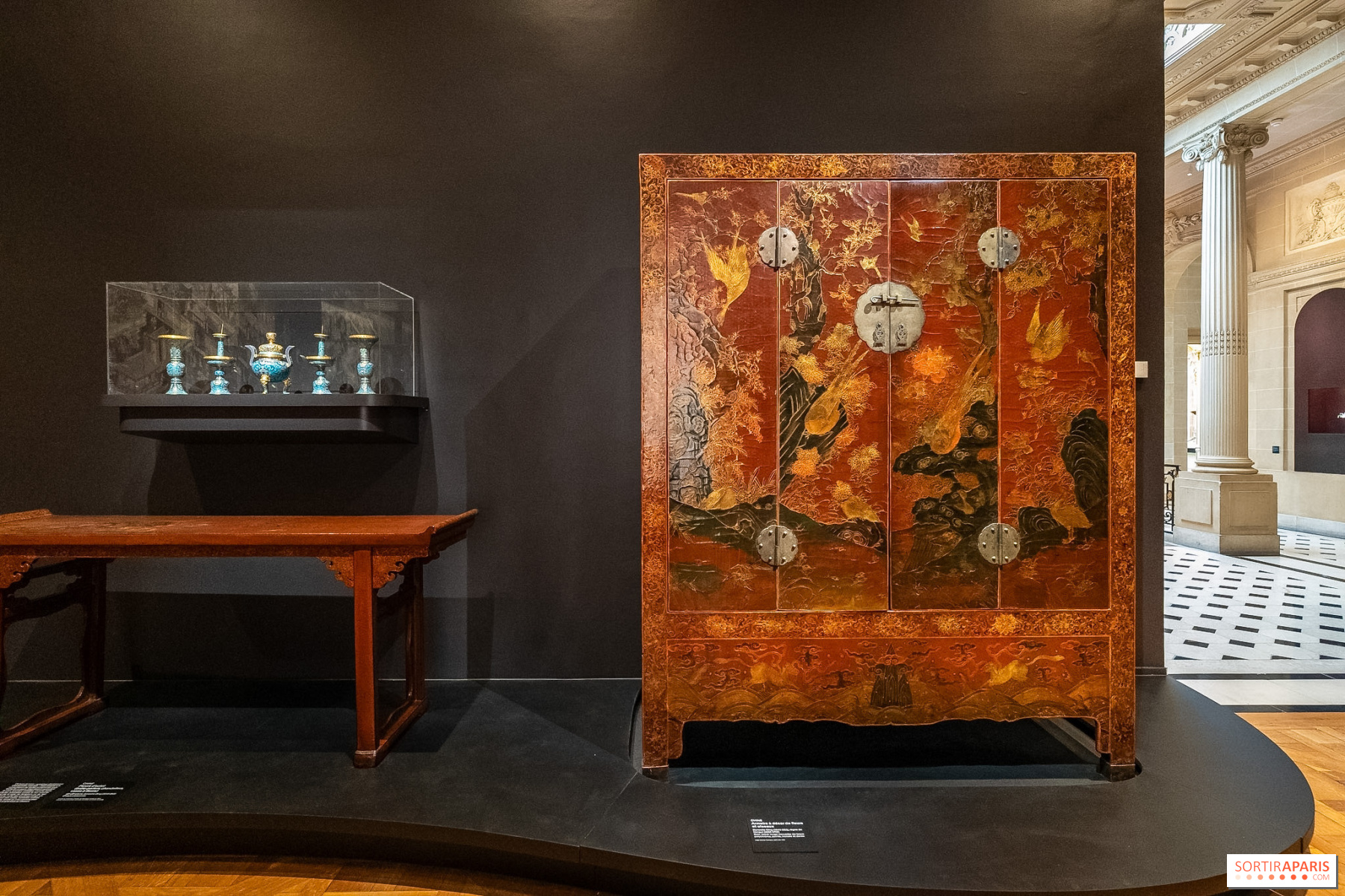
The porcelains and cloisonné-enamel perfume burners complete the ensemble with their intense colors—cobalt blue, oxblood red, celadon green—that contrast with the restrained woodwork surrounding them.
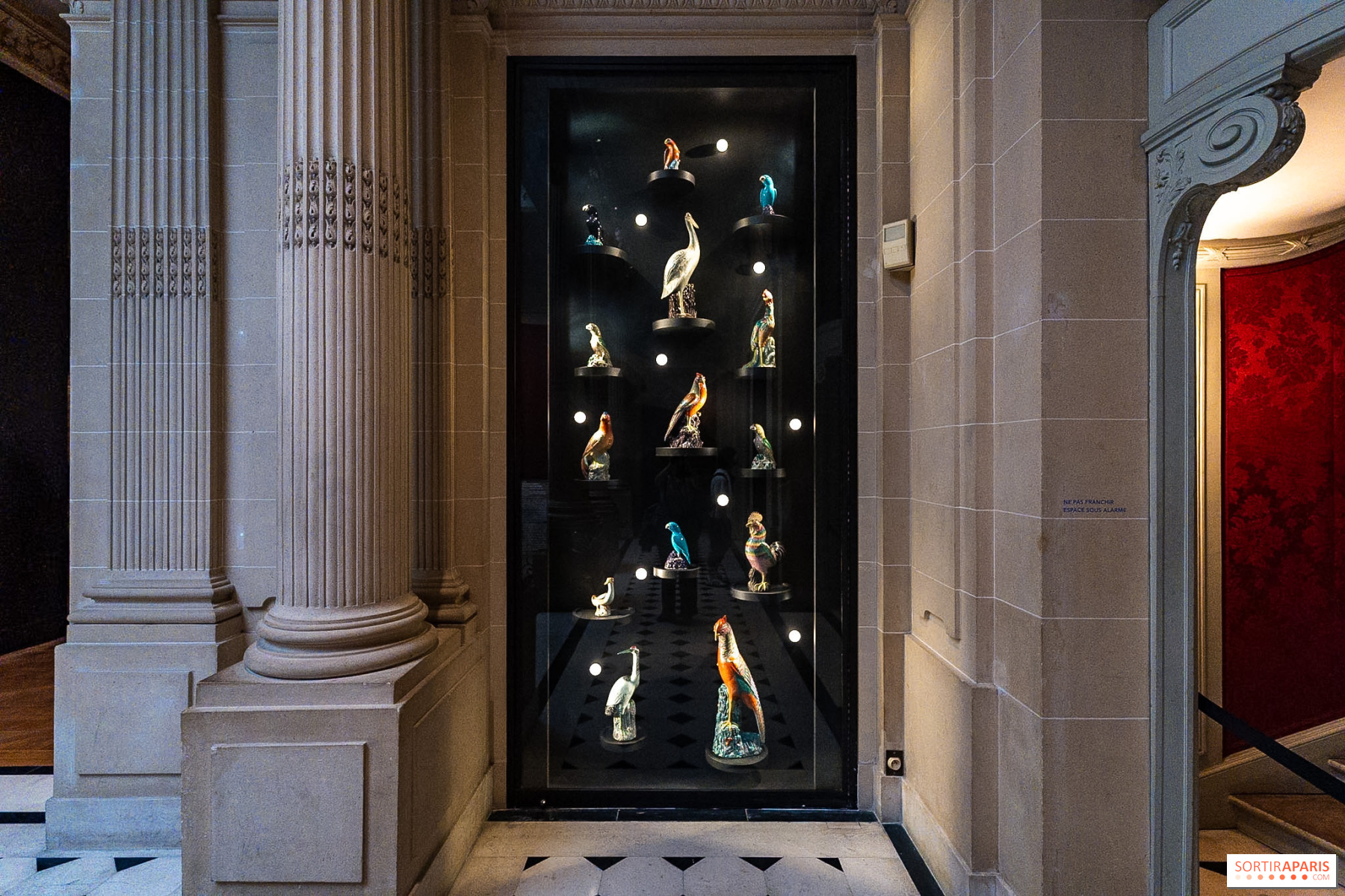
In the corridors, once cluttered, redesigned display cases showcase pieces you might almost miss: a precious bird-shaped brooch with intricately carved details of remarkable finesse, and a collection of ceramic birds arranged as if perched on branches, in a staging that is both poetic and natural. Modular mirrored furniture now adorns the walls, enhancing both circulation and acoustics.
The Green Salon impresses with its spectacular paper light fixtures, whose delicate lightness contrasts with the density of the surrounding collections.
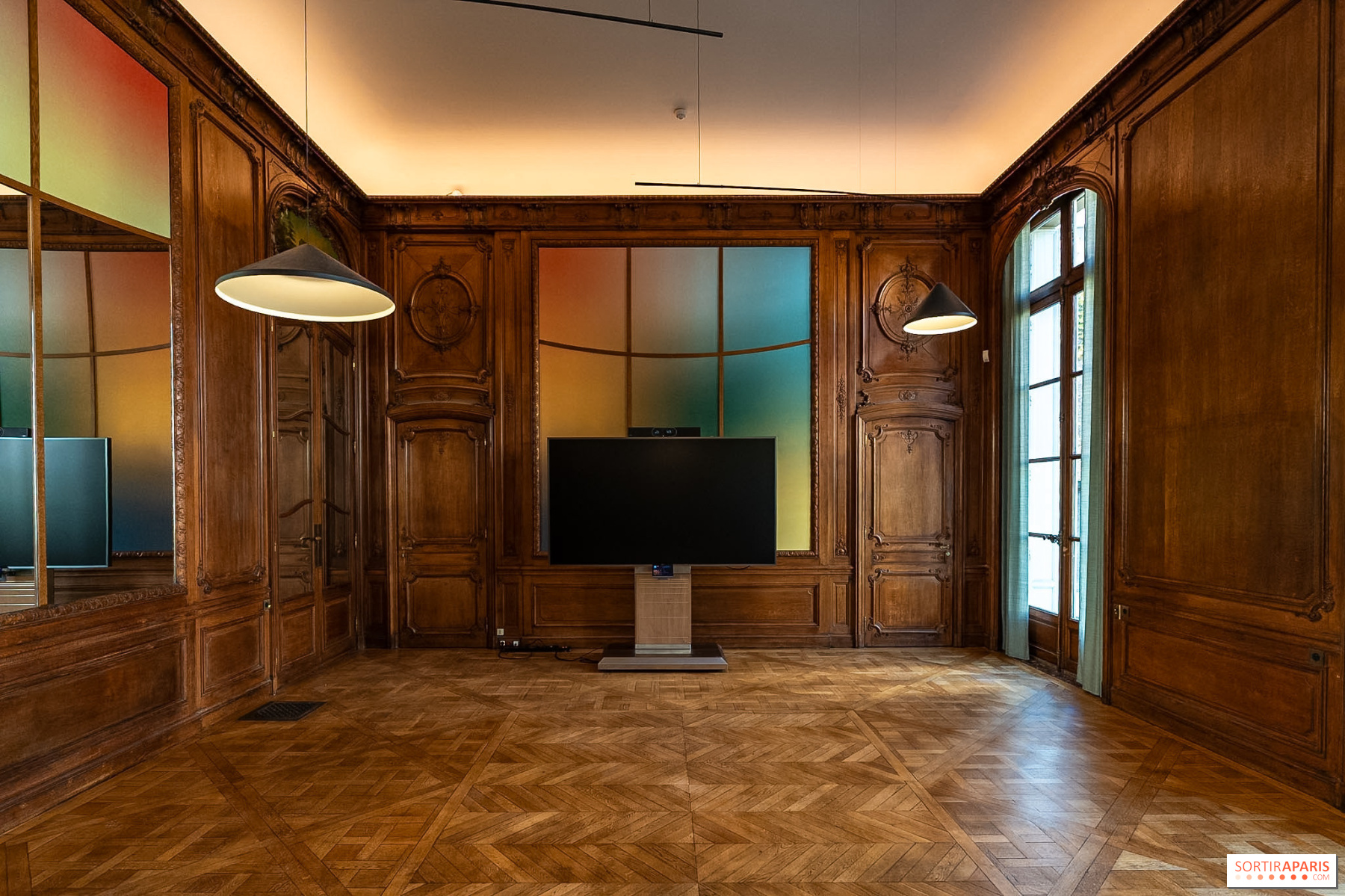
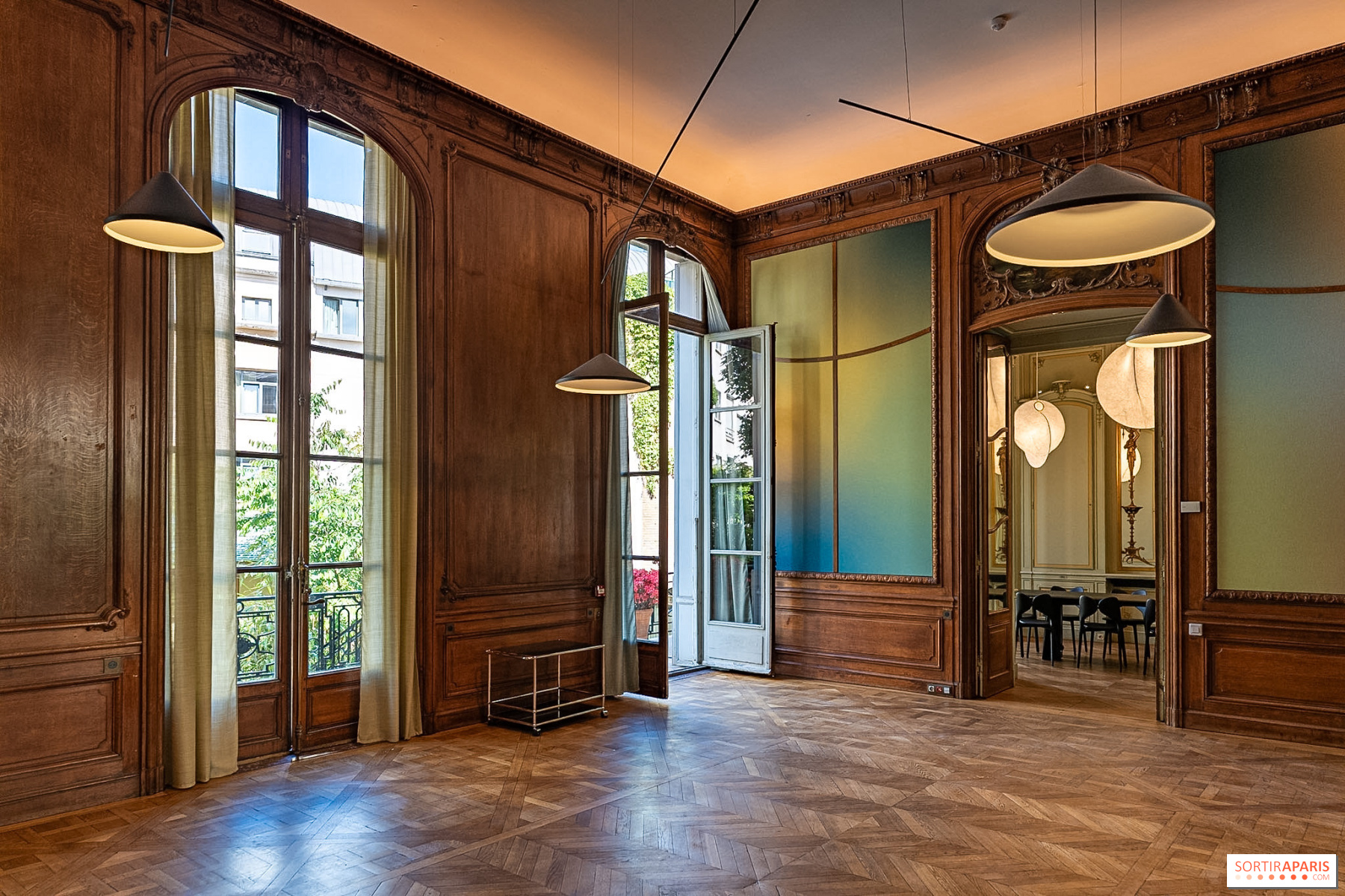
Finally, the Pelliot salon closes the route with elegance: the walls are clad in mirrors to flood the space with light and visually enlarge the room, while a gradated-hue textile installation designed by Constance Guisset, drawing on the chromatic palette of the works on display, warms the historic woodwork. The dialogue between the antique furniture and the contemporary interventions works really well.
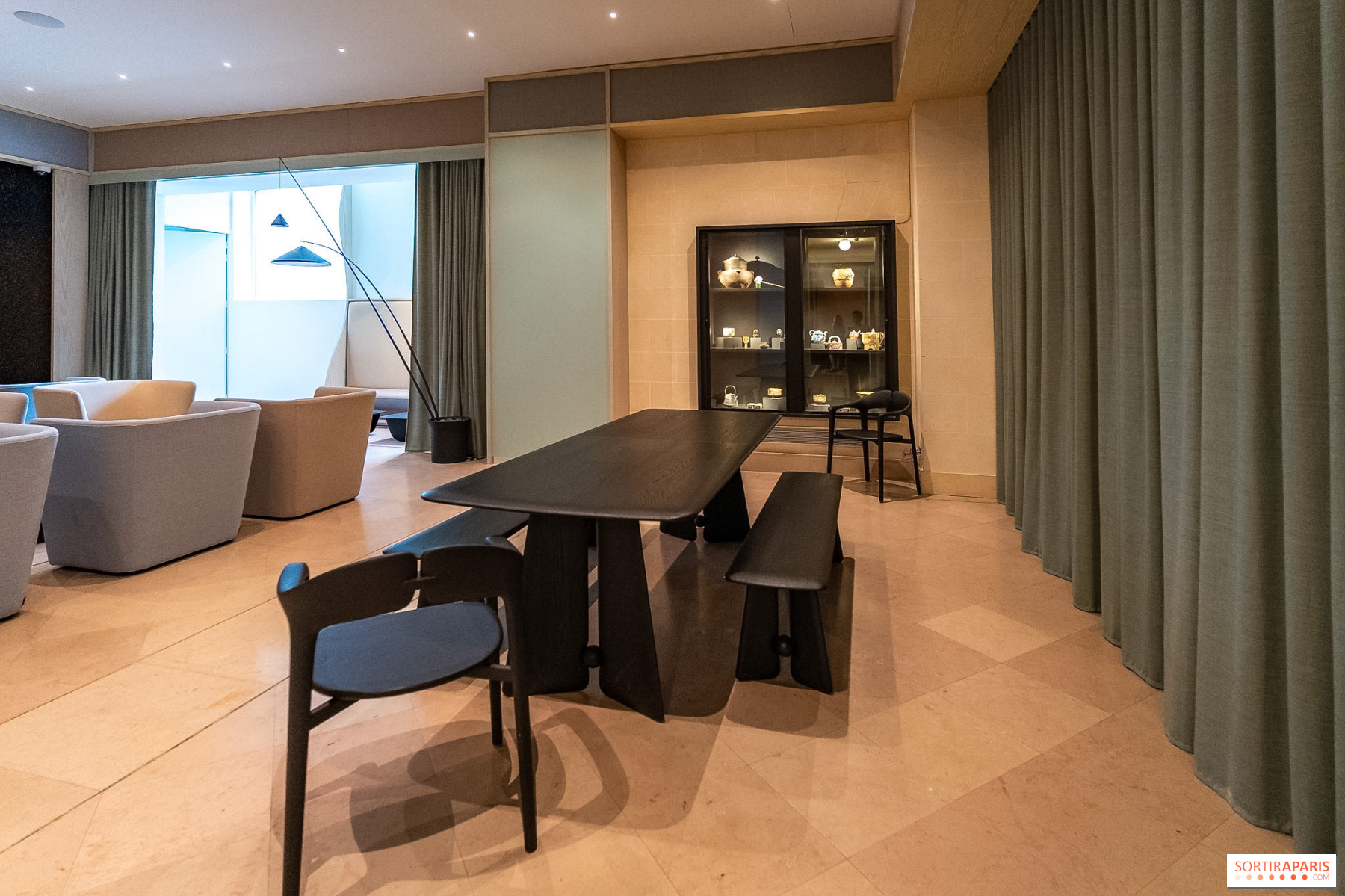
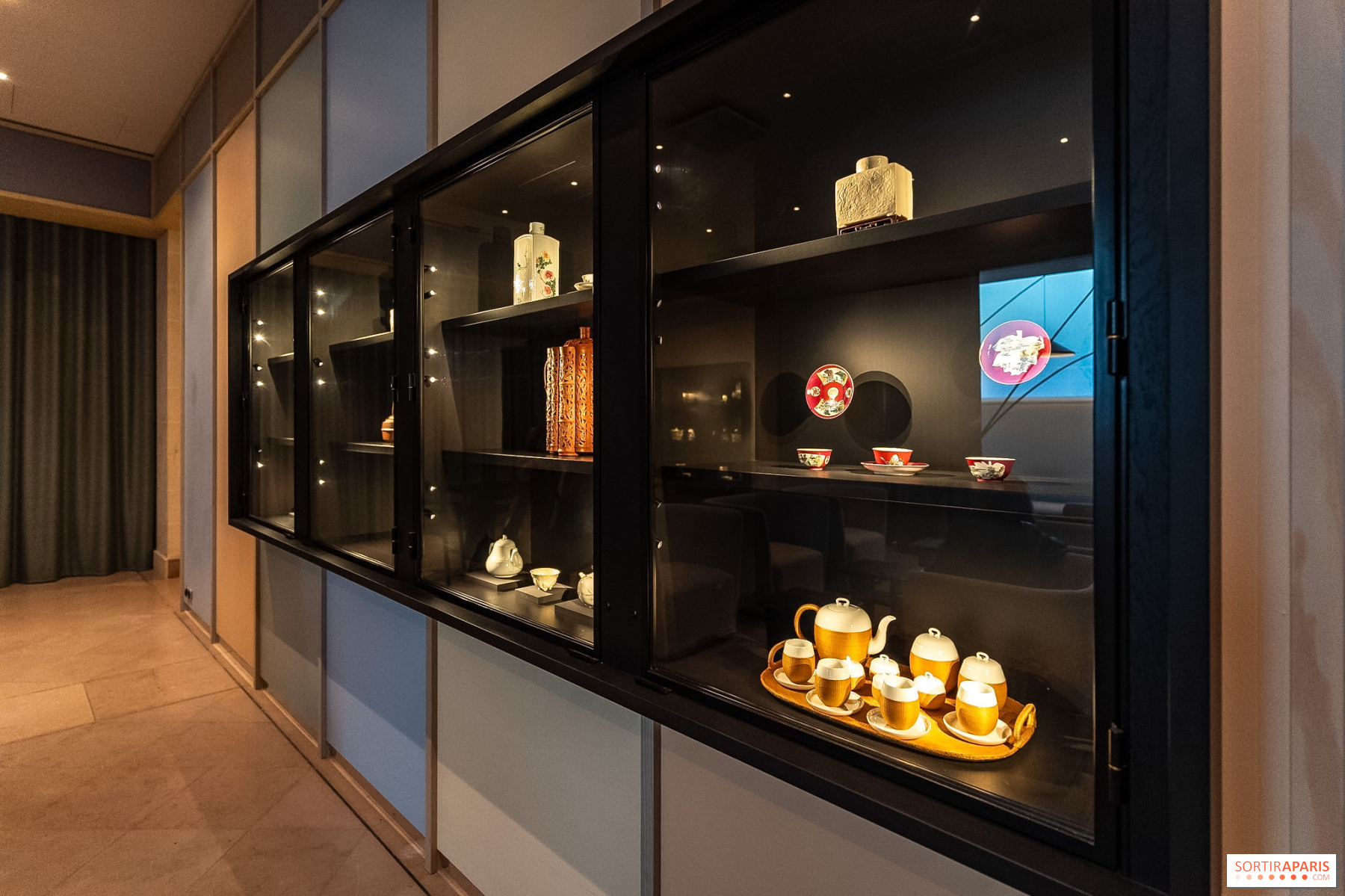
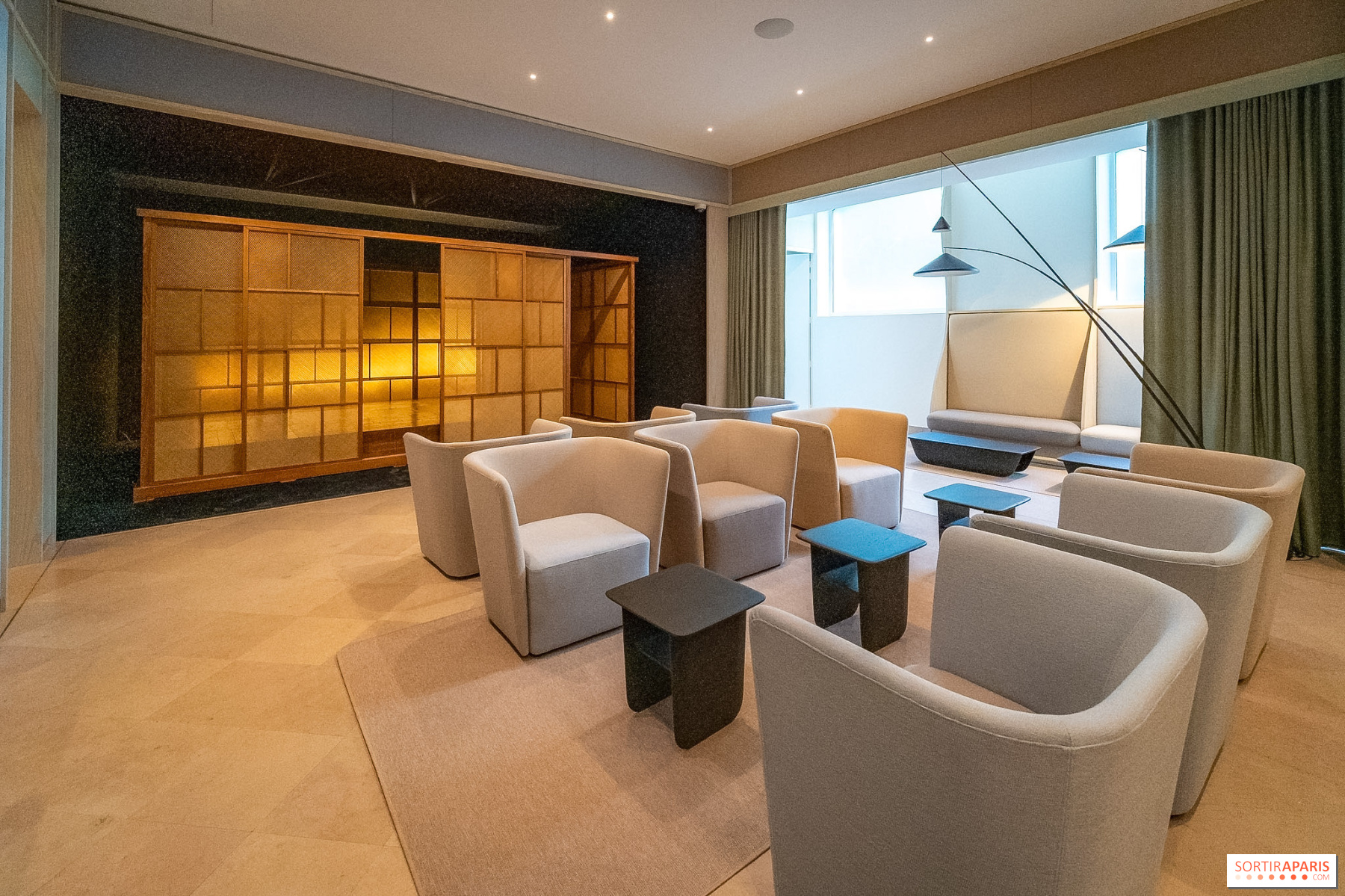
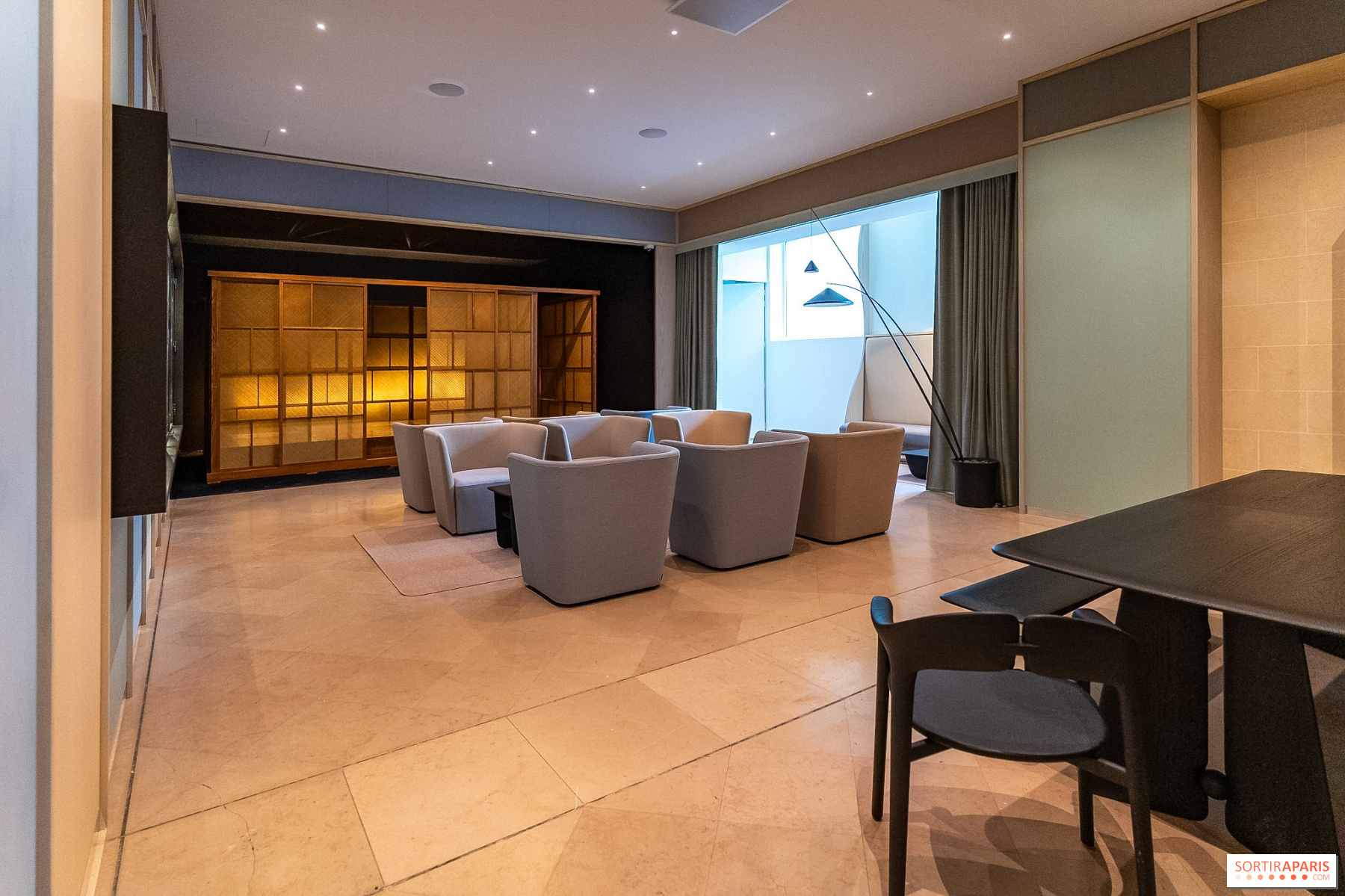
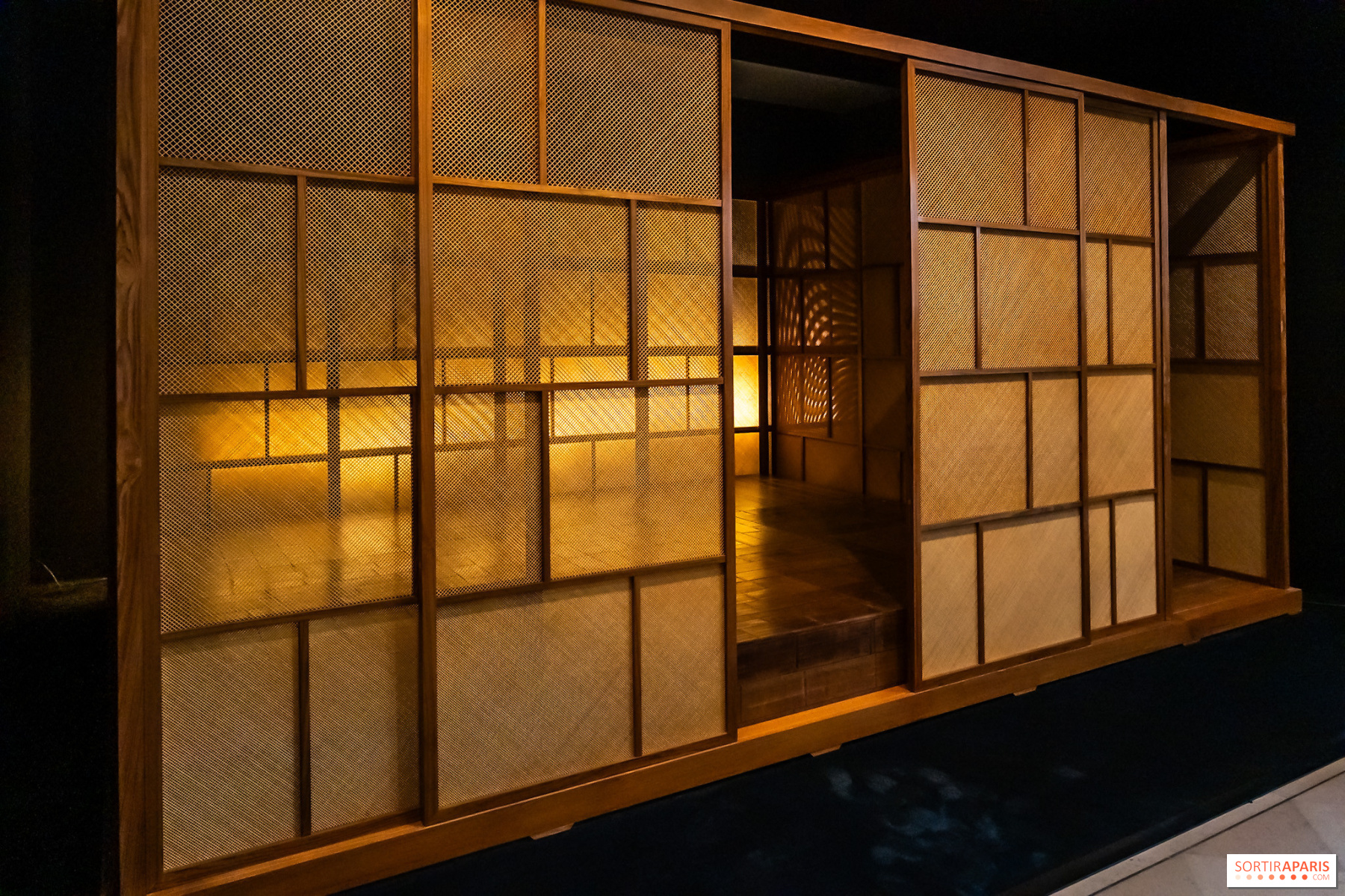
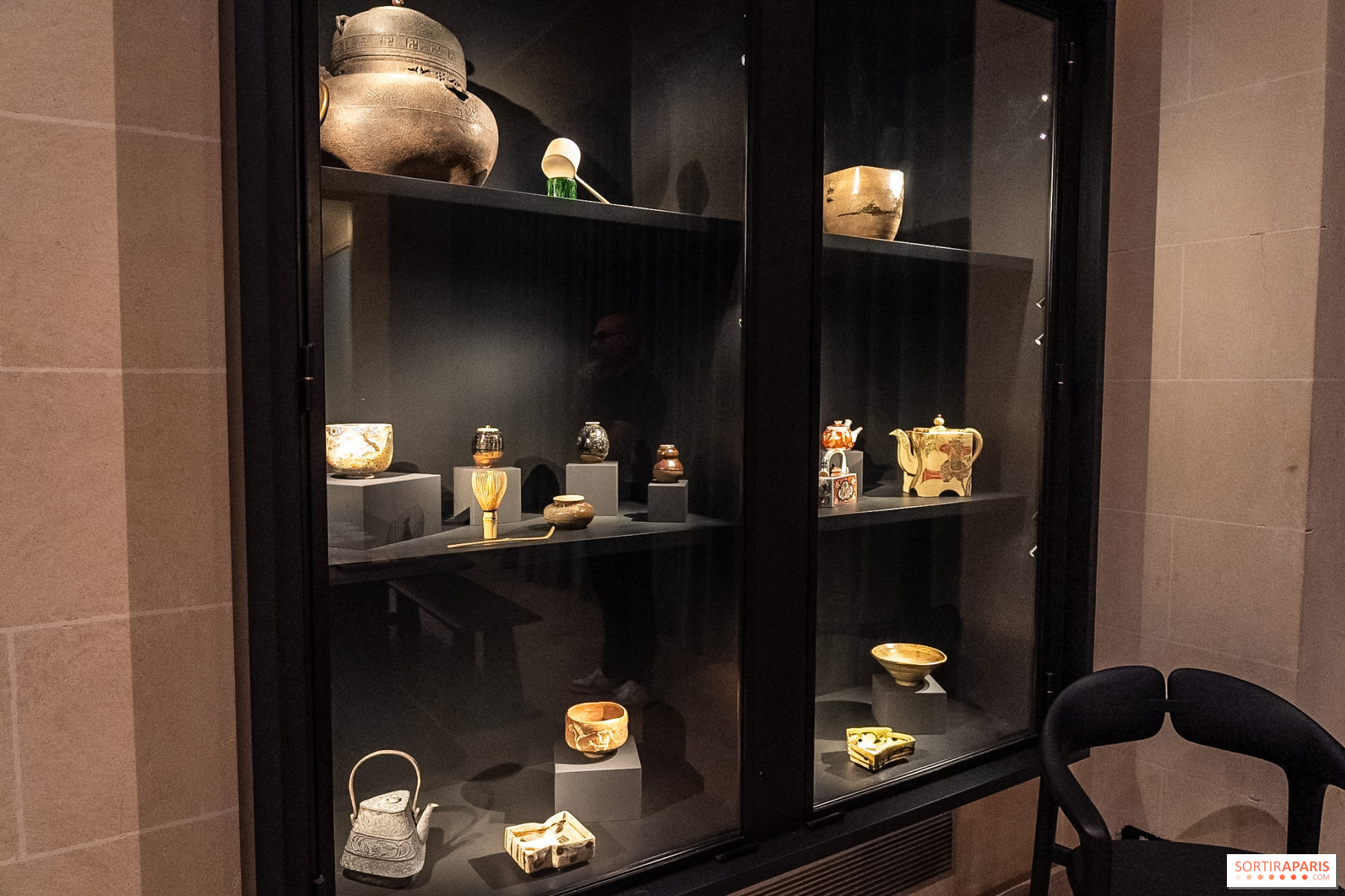
On the ground floor, beside the garden, an entire room is devoted to the art of tea, showcasing objects and ceramics tied to the rituals of China and Japan. Stoneware tea bowls, Yixing earthenware teapots, lacquered bamboo trays — each piece speaks of a specific gesture, a school, a period. The Shang Xia Tea Pavilion is presented here in all its refined simplicity, surrounded by display cases and complemented by pastel-toned, custom-made movable seating that invites visitors to linger and take it all in.
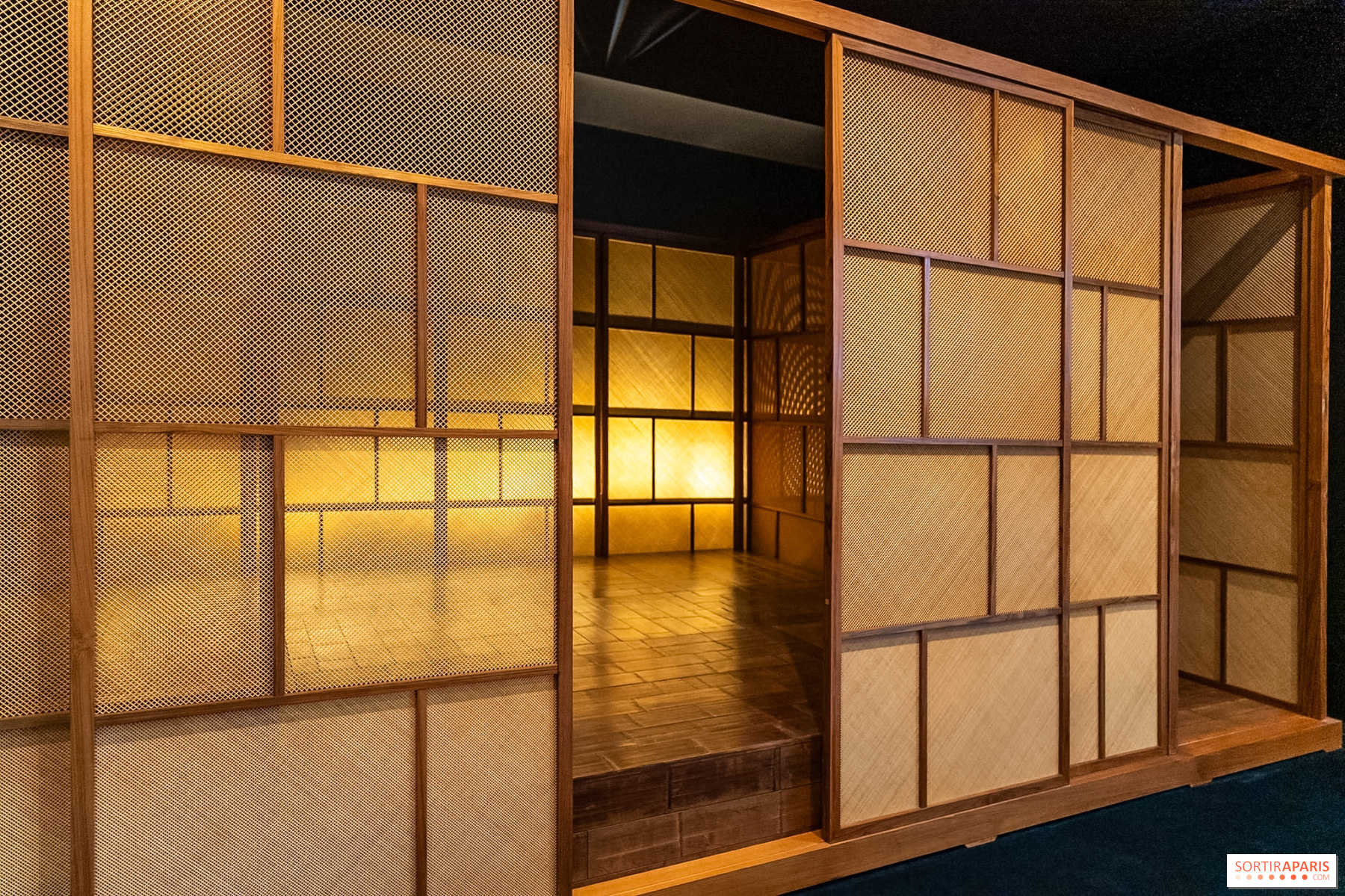
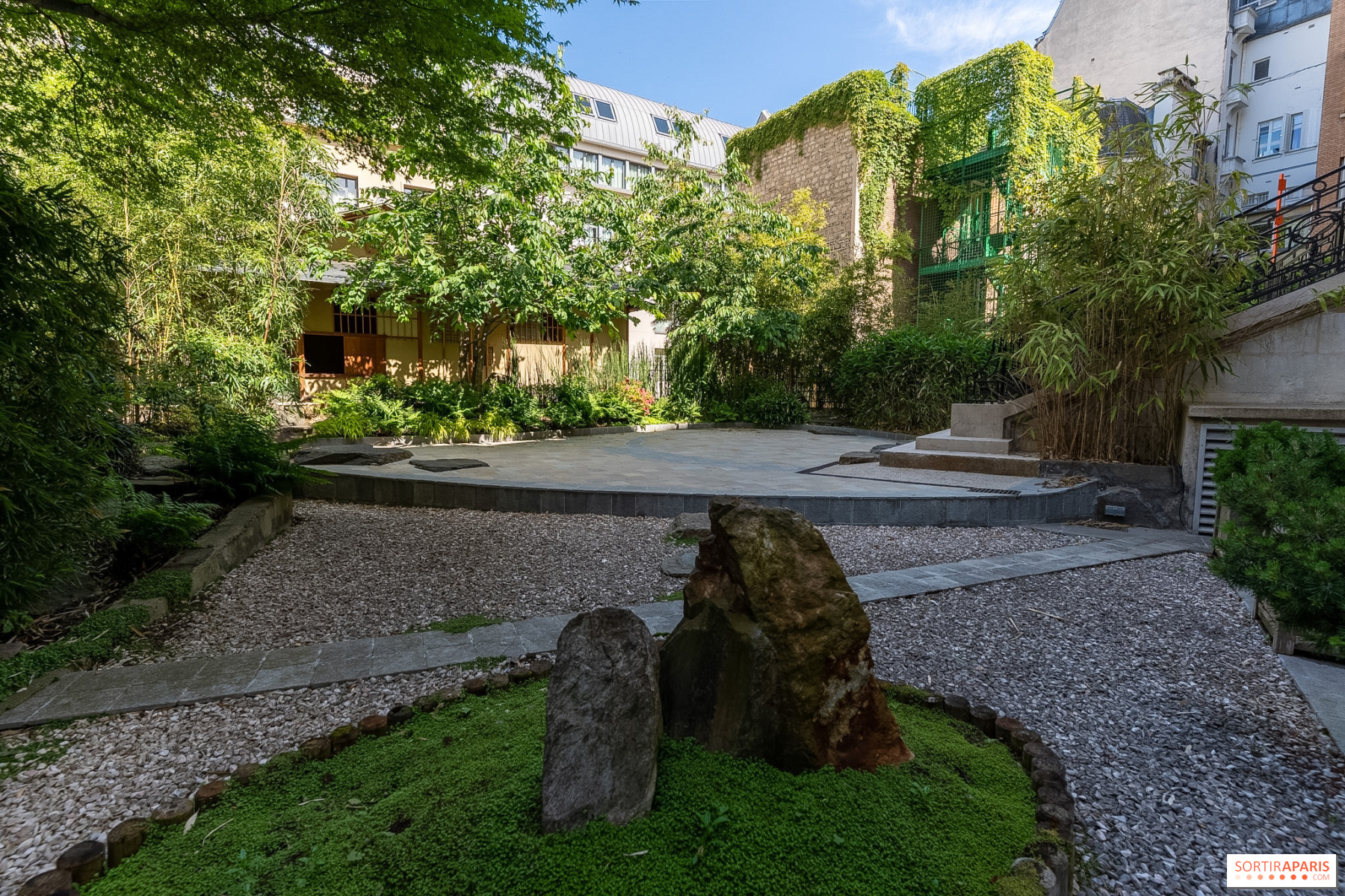
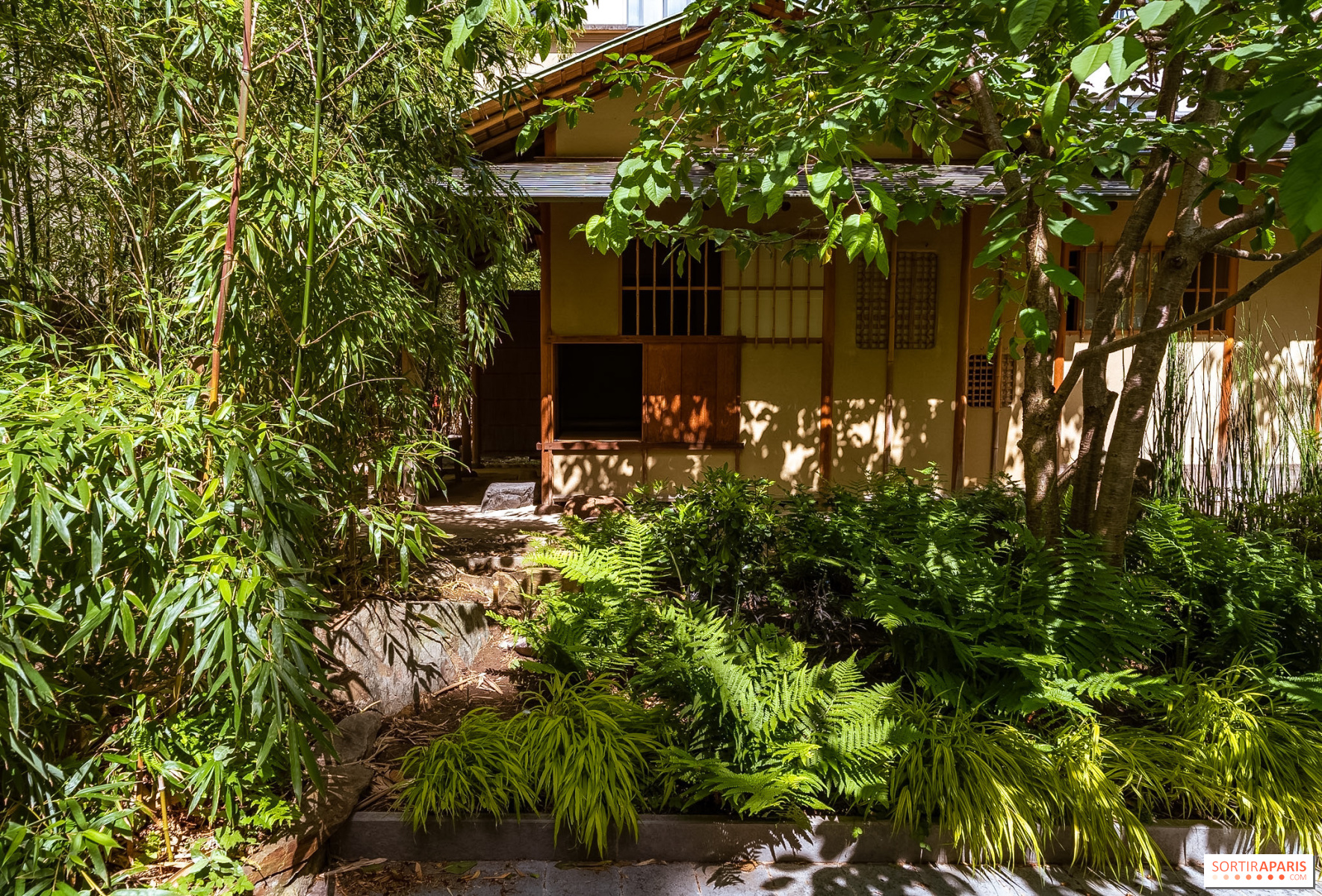
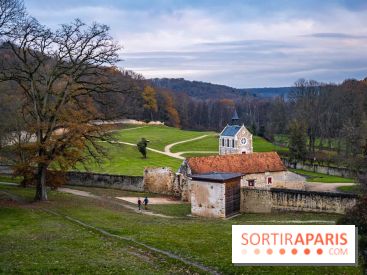
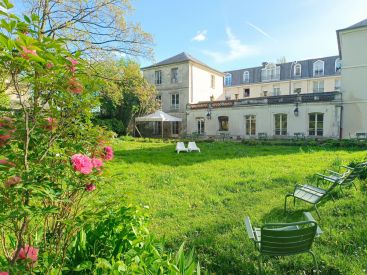
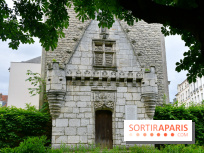
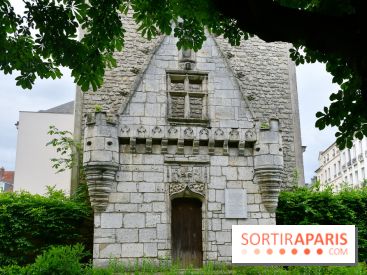
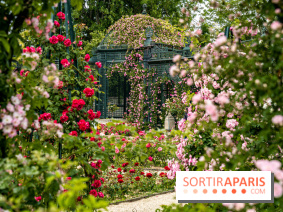
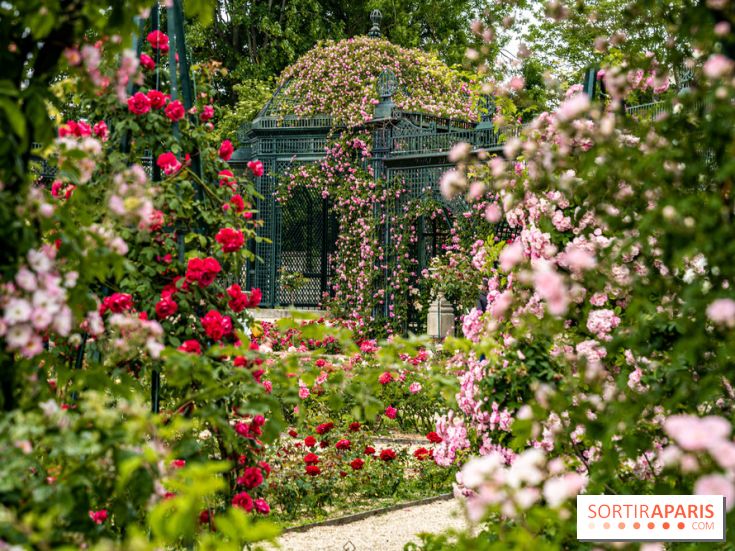
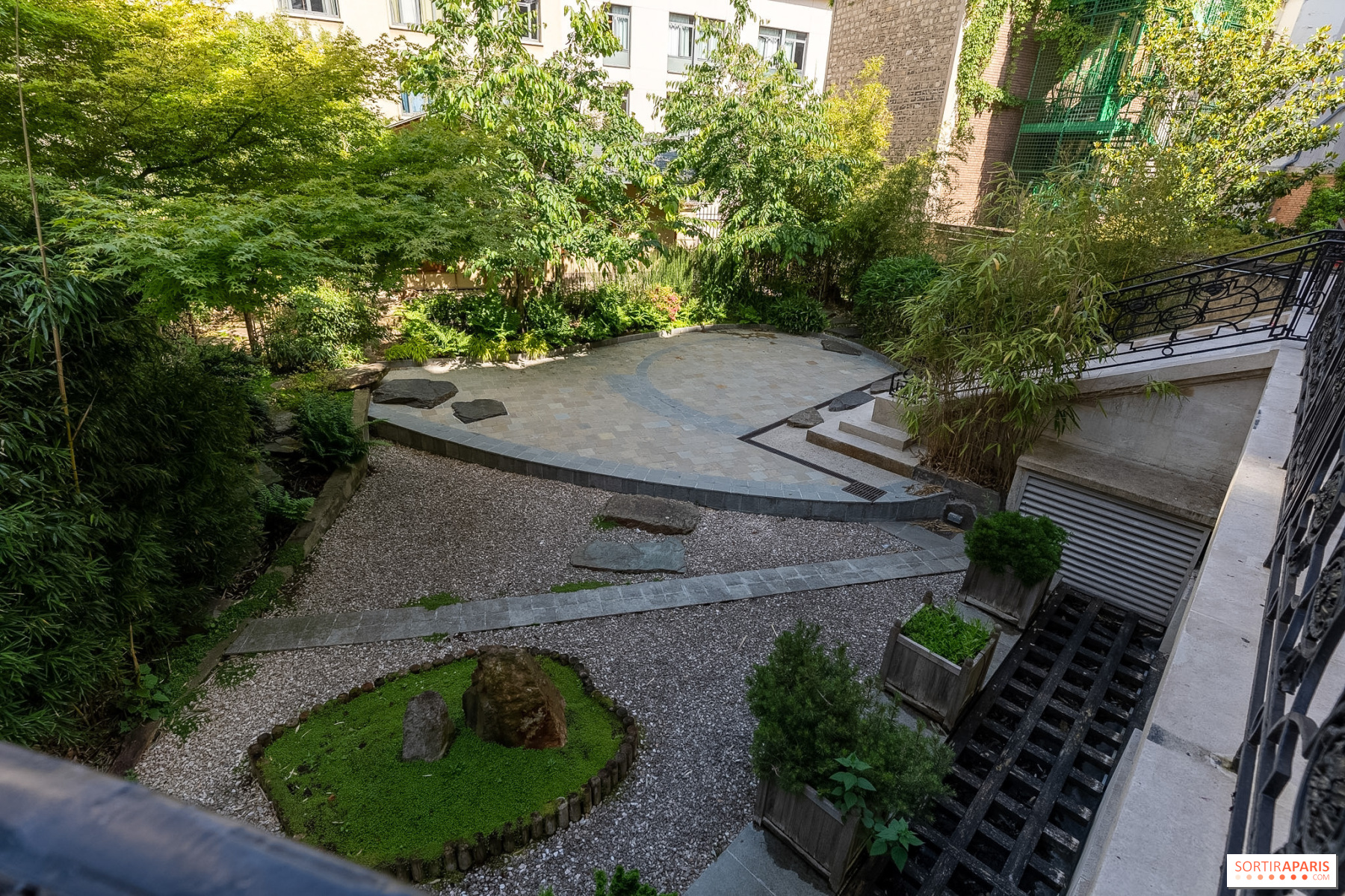
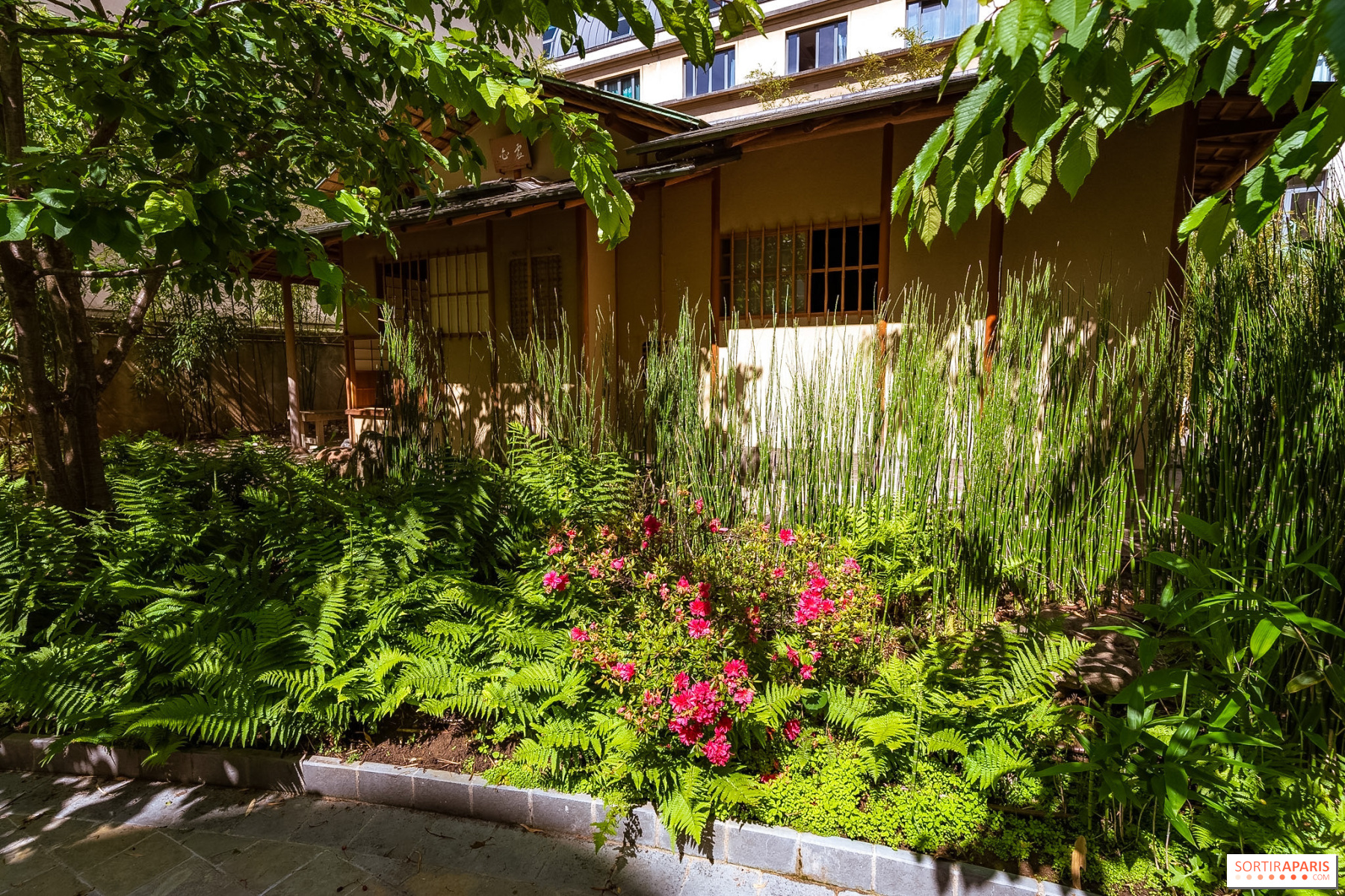
Perhaps the biggest surprise of the visit. When you step through the sliding glass door on the ground floor, you’re welcomed by a Japanese-inspired landscaped garden that feels from another world. A few steps and the noise of the Avenue d’Iéna falls away. In 2001, the Hôtel d’Heidelbach was enriched with a genuine tea pavilion, designed by architect Nakamura Masao and built by Japanese artisans under the direction of master carpenter Yamamoto Takaaki. The natural-wood framework, the washi paper screens, the proportions tuned for contemplation: everything here adheres to the standards of traditional Japanese architecture. It’s a rare space, probably unique in Paris. A place that exudes serenity—don’t miss a full tour.
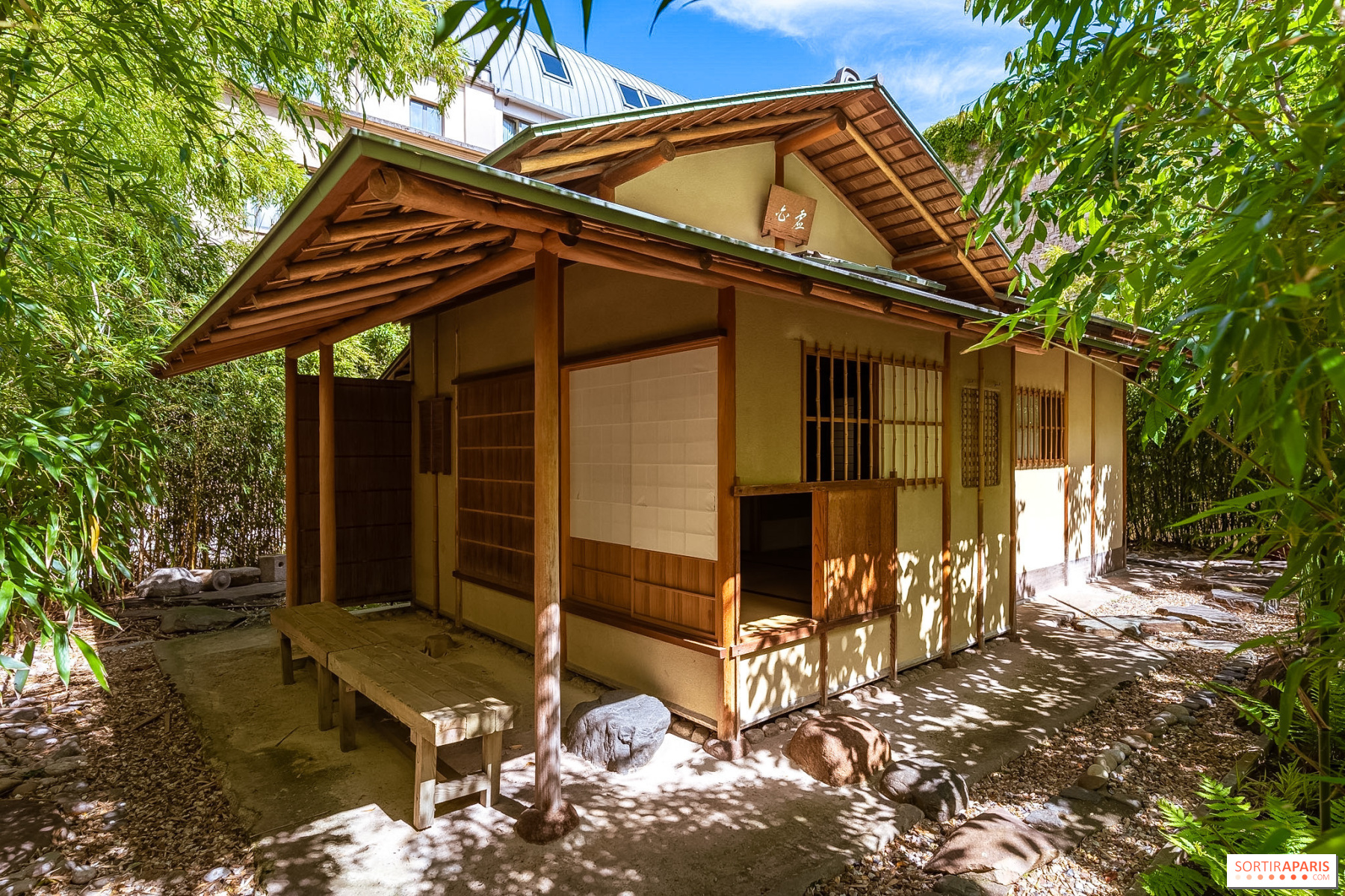
The discovery tour lets you explore the whole space, from the collection of Chinese ceremonial furniture to the Japanese garden and its pavilion, ending with a tea-tasting and introduction to the art of tea in Asia. The tours run on Thursdays, Saturdays and Sundays at 11:00, priced at €18. Booking is required on guimet.fr. This ticket also grants access to all permanent collections and temporary exhibitions of the Guimet Museum, Place d'Iéna, for just €3 more than the standard museum entry—a smart pick not to miss. For groups, slots are available on Thursdays at 14:30 upon request at resa@guimet.fr.
Beyond the visit, Maison Guimet offers programming built around the art of Japanese and Chinese tea. Japanese tea ceremonies take place in the garden pavilion, following the rites of the Omotesenke and Urasenke schools—two traditions whose practices differ mainly in how the utensils are chosen and used. Each session, about an hour long, includes a welcome from the tea master, a shared experience in the pavilion, a short documentary, and a discussion. The Urasenke school offers sessions on Saturdays May 30 and June 13 (at 2:00 PM, 2:30 PM and 3:00 PM), priced at 18 euros, booking required on guimet.fr. Attendees are advised to bring white socks and to wear comfortable, loose clothing to sit comfortably either kneeling or in a seated position.
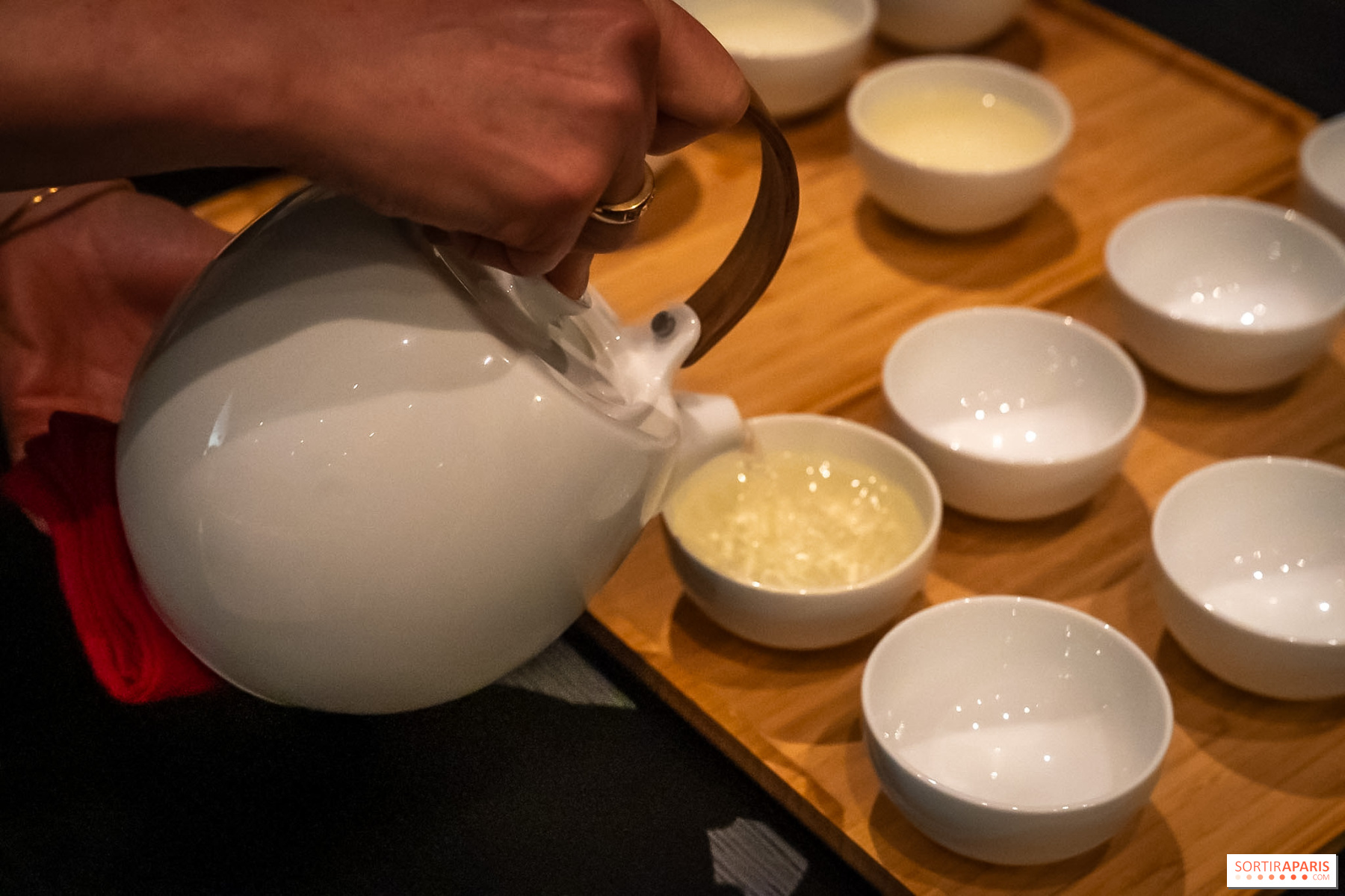
The Chinese tea art sessions (gong fu cha, literally “taking time for tea”) are led by Xin Zhao, a tea expert and co-founder of Goutte de Thé, featuring oolong or pu-erh teas sourced from producers in Yunnan, Guangdong, or Fujian. These sessions are conducted seated at a table and take place on Sundays—May 31, June 21, June 28, July 5 and July 12—and on Saturdays—July 4 and July 11 (at 3:00 PM and 4:00 PM)—also priced at 18 euros. Participants are advised not to wear perfume to preserve the tea’s aromatic perception.
But a quick heads-up to spare you the frustration: there are only a handful of spots and a limited number of sessions, and they sell out in an instant.
Finally, the cycle "Literary Routes of Tea", in partnership with Le Thé des écrivains, offers, on the last Friday of every month, a gathering around a work connected to Asia, featuring readings by a performer from the Cours Florent and a tasting. For example, this Friday, May 29, Pierre Cambon, former general curator of the Korean art department at the Guimet Museum, will present The Secret of the Tea Master by Kenichi Yamamoto, a historical novel that won the Naoki Prize in 2009, with palace intrigues and surprising Korean presences. On Friday, June 26, the honor goes to In Praise of Shadows by Junichiro Tanizaki, published in 1933, introduced by writer and translator Ryoko Sekiguchi in the Picquier edition under the title Ode to Shadow. All sessions are priced at €18, with reservations on guimet.fr.
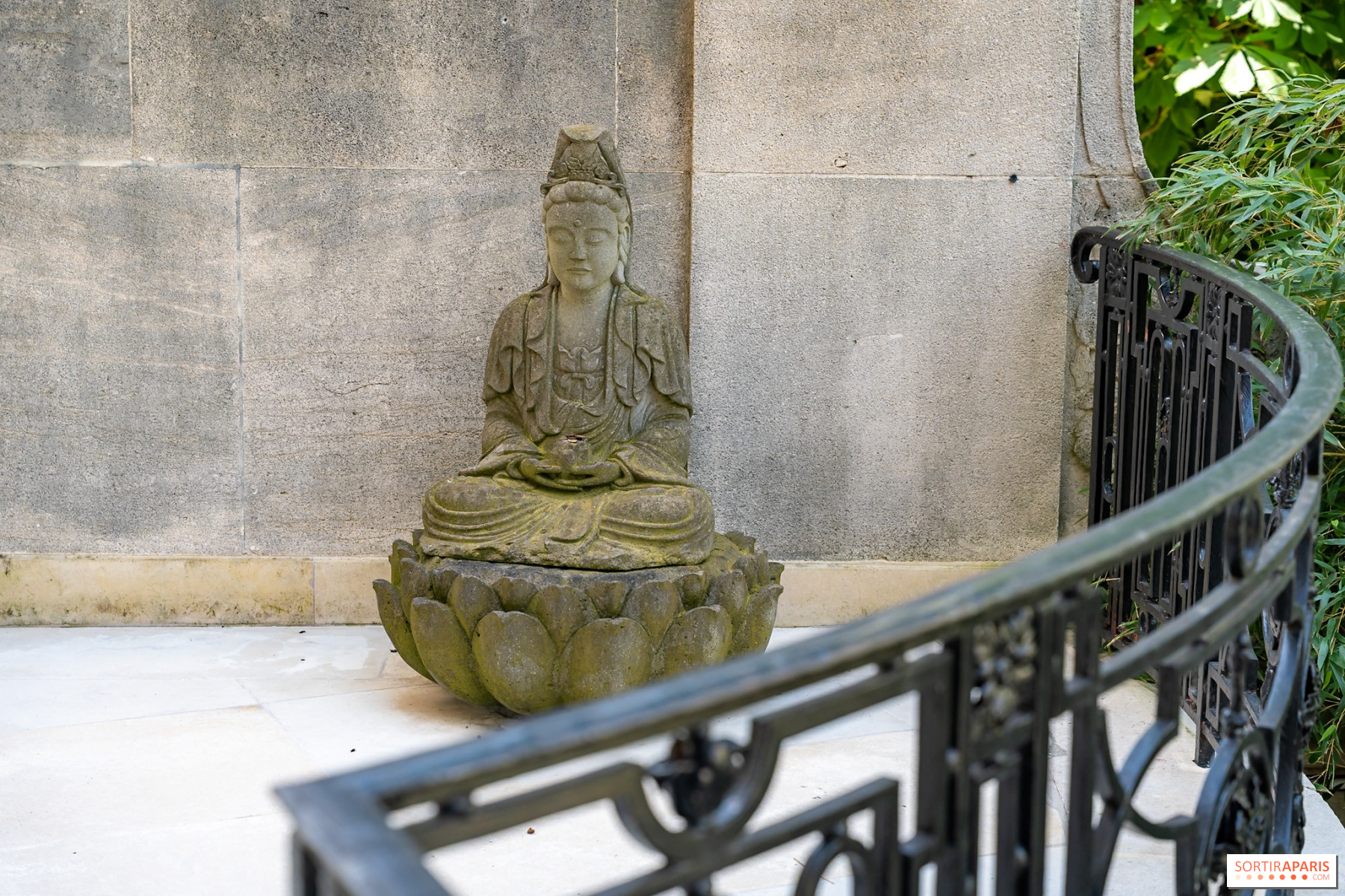
Our take: The Guimet House is the kind of address you almost want to keep to yourself—before you decide to tell the world about it. Between the splendor of the spaces and colonnades, staircases and lacquered screens, the richness of the imperial Chinese collections tucked away in a Belle Époque townhouse, and the unexpected serenity of the only Japanese garden in central Paris, the place invites a full sense of escape without leaving the city. The new scenography by Constance Guisset frames the works with discretion and intelligence, never once trying to steal the show.
Who is this tour for? For fans of Asia and heritage, of course, but also for those who appreciate places steeped in history and fine things treated with care. Note that the site is not accessible to people with reduced mobility.
To extend your stroll through the 16th arrondissement, the Guimet Museum is a stone's throw from Place d'Iéna, and the Palais de Chaillot is only a short walk away.
This test was conducted as part of a professional invitation. If your experience differs from ours, please let us know.
Dates and Opening Time
Next days
Saturday:
open
Sunday:
open
Thursday:
open
Location
House – Guimet – Heidelbach Hotel
19 Avenue d'Iéna
75116 Paris 16
Access
metro line 9 station Iena or Trocadero, line 6 station Trocadero or Boissière
Official website
www.guimet.fr