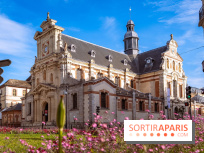
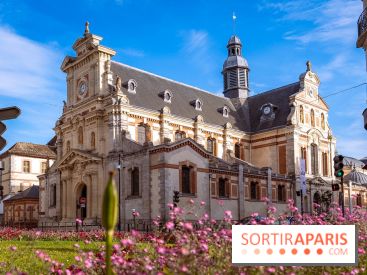
When you look up at some of Paris’s great monuments, you don’t always think of Seine-et-Marne. And yet, a portion of the scenery does come from there. The Château-Landon stone, also known as Château-Landon limestone or sometimes Souppes stone, is among those Île-de-France materials that underpinned the capital’s grand projects.
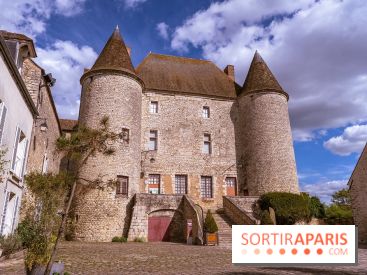
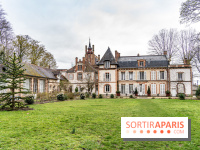
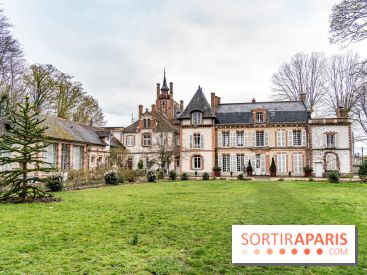
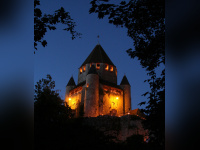
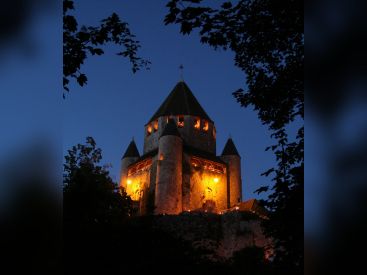
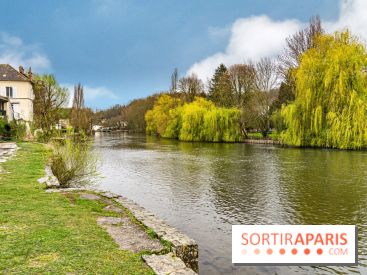
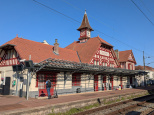
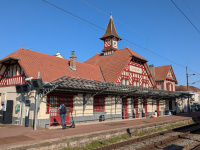
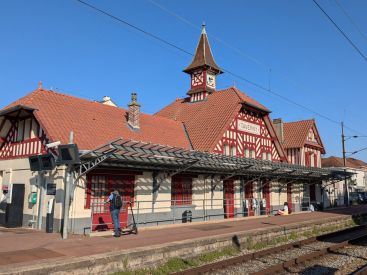
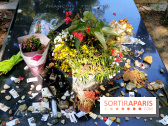
This medieval city, with its hanging gardens, is a true gem of Île-de-France's heritage.
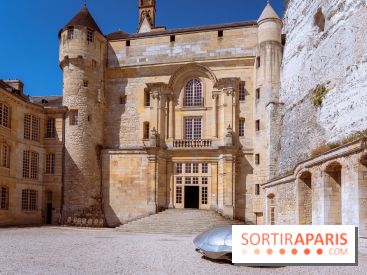
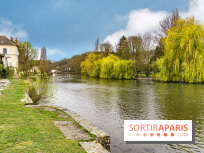
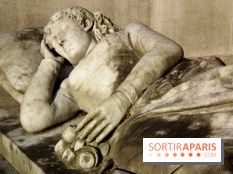
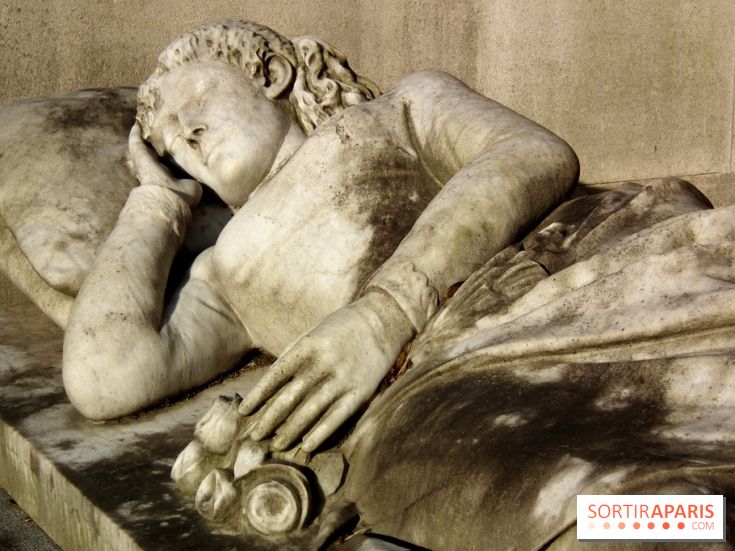
Perched atop its rocky outcrop, Château-Landon is a charming medieval town in Île-de-France. Its terraced gardens, narrow cobbled streets, and historic landmarks tell a centuries-old story, blending legendary tales with well-preserved heritage. [Read more]
Sourced in the south of Seine-et-Marne, around Château-Landon and Souppes-sur-Loing, this stone has been used notably for the Arc de Triomphe, the Sacré-Cœur de Montmartre, the paving of the Pantheon, La Sorbonne, and other major Parisian monuments of the 19th century. This limestone is therefore far from a mere local stone forgotten at the back of a quarry. It belongs to the material history of Paris: the kind that people walk on, photograph, and occasionally admire without ever knowing its origin.
The Pierre de Château-Landon is a lacustrine limestone, meaning it formed in an ancient lake environment. Geological sources place it in the Eocene, roughly 35 to 40 million years ago according to prevailing interpretations. It is described as a compact, hard, durable stone, originating from the Paris Basin.
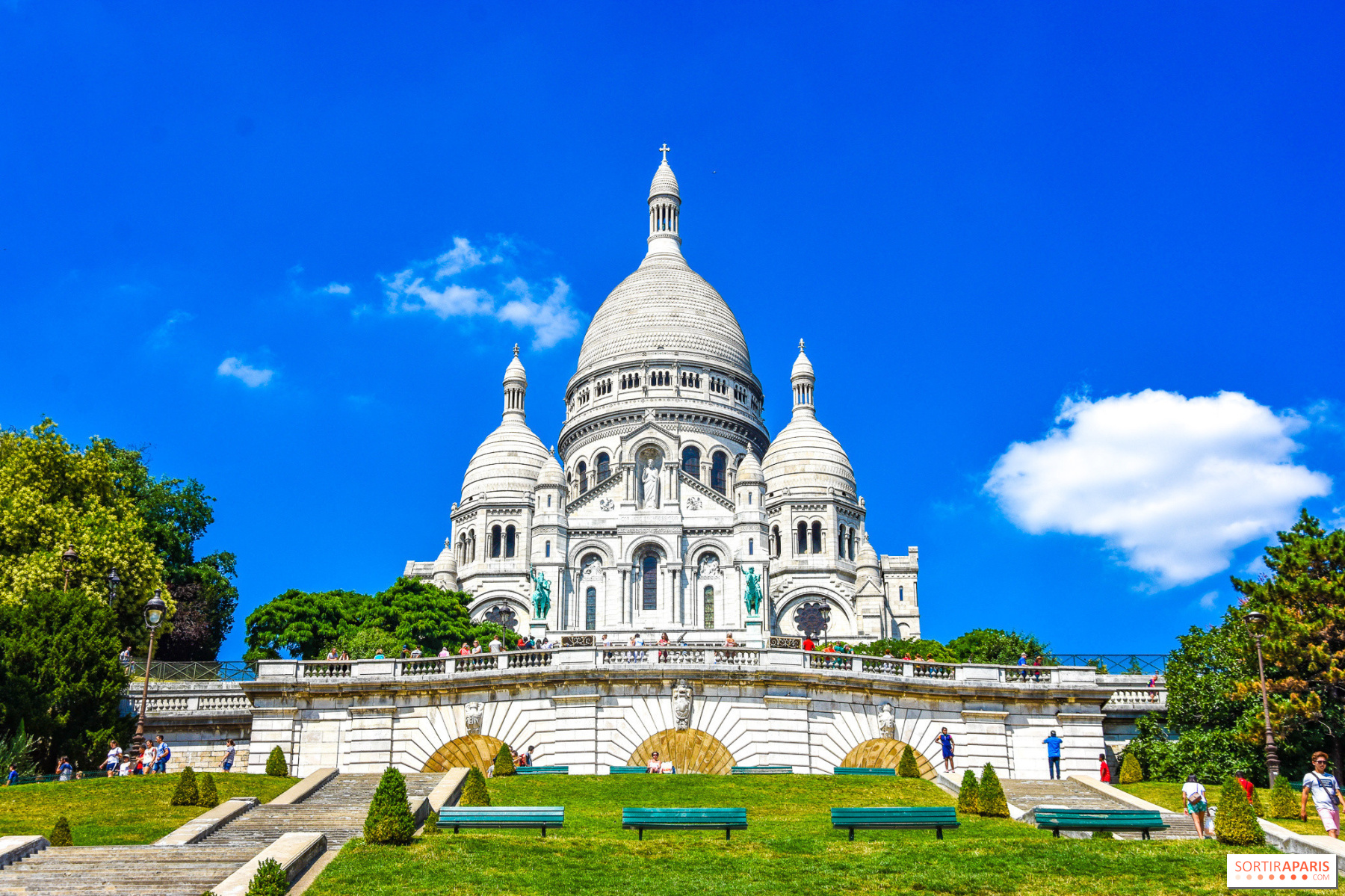
Its most distinctive feature is tied to its appearance. This stone tends to blanch at the touch of rainwater, thanks to the formation of a thin protective calcin layer. It’s this trait that partly explains the Basilica of the Sacré-Cœur’s bright, almost sparkling sheen, often cited as the clearest example of its use. In other words, when Paris gets dirty, this stone seems to take on a self-cleaning glow. Pretty handy, right?
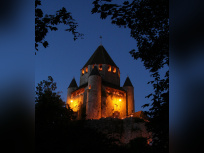
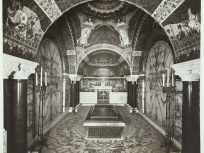
The Sacré-Coeur, the emblematic monument that dominates Paris from the top of the Butte-Montmartre, is distinguished by its astonishing architecture and dazzling white stones. And do you know the secret behind the Basilica's whiteness? [Read more]
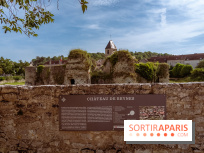
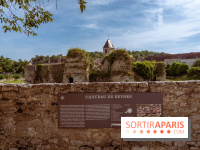
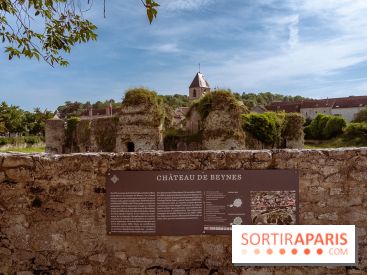
In Château-Landon, stone has long shaped the landscape as much as the local economy. The town, perched on a rocky spur overlooking the Fusain valley, still bears the marks of this ancient relationship with limestone: walls, buildings, reliefs, old quarrying activities. Château-Landon, once the capital of Gâtinais until 1404, would come to prominence in the 19th century for a stone extraction and shaping industry that supplied churches in the surrounding area and certain monuments in Paris.
Extraction later concentrated in the nearby area of Souppes-sur-Loing, where the stone is still tied to the local quarries. An old document would already attest to the use of this stone in Paris for the reconstruction of the Pont Notre-Dame around 1500. At the outset of the 19th century, a quarry at Château-Landon was even specifically designated for the construction of the Arc de Triomphe.
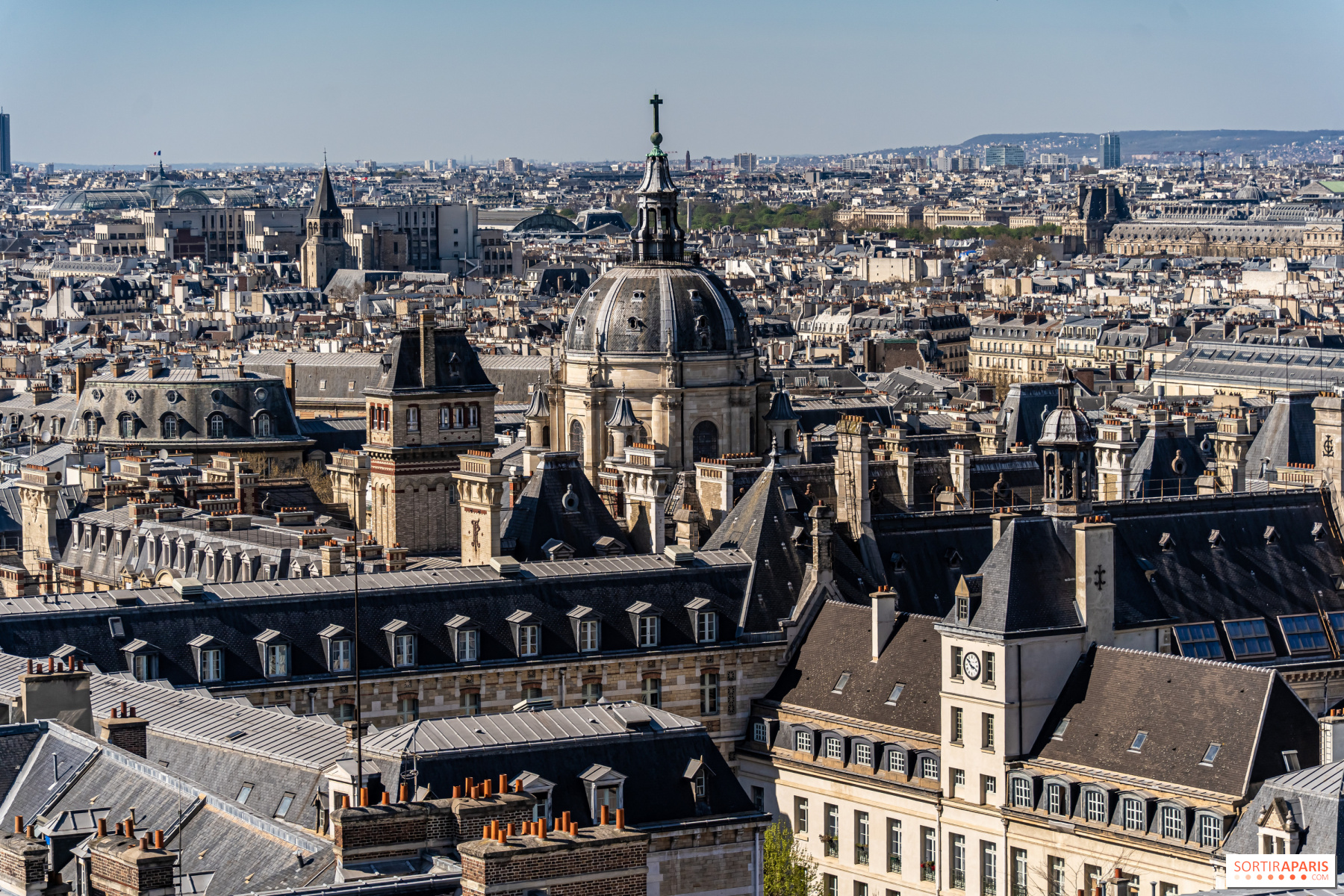
Among the monuments most often associated with the Château-Landon stone, the Arc de Triomphe comes in strong. Begun under Napoleon I in 1806, the monument is said to have benefited from this limestone renowned for its durability. The Sacré-Cœur, begun at the end of the 19th century on the Montmartre hill, remains, however, its most visible ambassador: its whiteness is directly linked to the properties of this stone coming from Seine-et-Marne.

At Château-Landon, the Maison de la Pierre tells the story of this limestone, from its geological formation to its extraction and shaping. The site helps visitors understand how a local stone could travel to the capital’s great projects and, without fanfare, become one of the emblematic materials of the Paris monumental.
This page may contain AI-assisted elements, more information here.
Location
Chateau-Landon
2 Place de l'Hôtel de ville
77570 Chateau Landon
Route planner












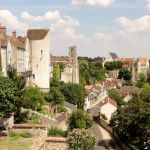 This medieval city, with its hanging gardens, is a true gem of Île-de-France's heritage.


 Did you know? Sacré-Coeur cleans itself! Here's the secret to its whiteness