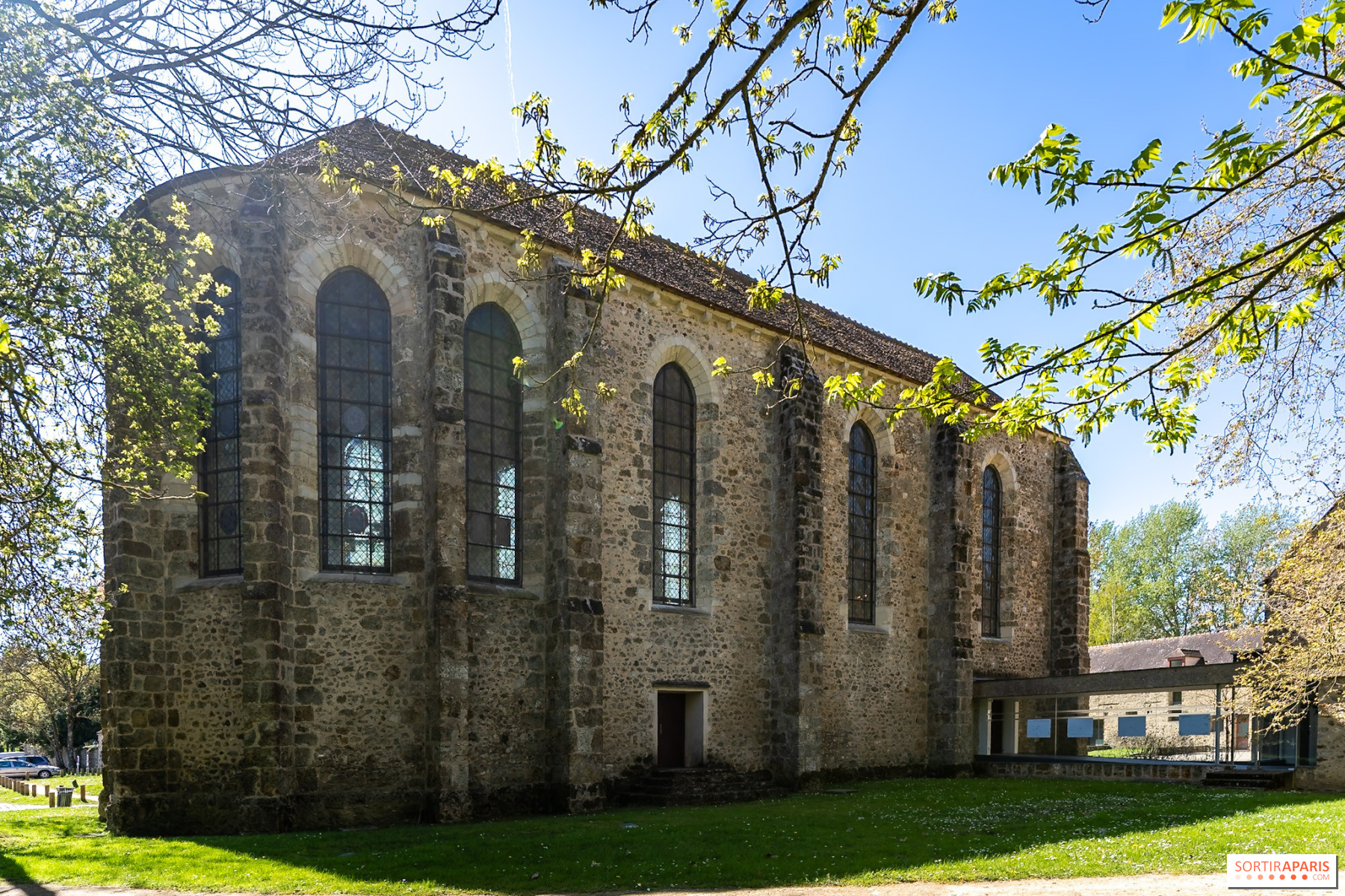
We imagine them in armor, guardians of hidden secrets and buried treasure. Yet the Templars left a tangible legacy in Île-de-France—stone walls, chapels, and commanderies that visitors can still explore today. Founded in 1119 in Jerusalem, the Order of the Temple set out to protect pilgrims in the Holy Land. It didn’t take long for these warrior-monks to weave a dense network of commanderies across Europe— fortified farms that financed their campaigns in the East. Île-de-France, smack at the heart of the French kingdom, became one of the movement’s nerve centers. Until Friday, October 13, 1307, when Philip the Fair ordered a mass arrest of the Templars, feeding the superstition surrounding that date, this network flourished and spread. So what remains today of this presence in the Paris region?
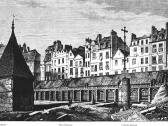
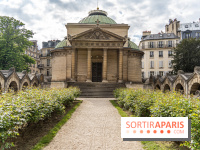
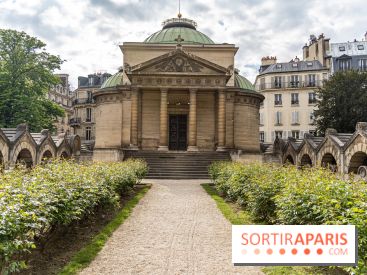
It is in Paris, in the city’s present-day 3rd arrondissement, that stood France’s most powerful commandery. The Temple House, begun in 1170 on a vast tract at the northern edge of the Marais, was a true urban fortress and the administrative and financial hub of the entire order in France. The Templars notably developed the bill of exchange, laying the groundwork for the modern banking system. After the order was dissolved in 1312, the site passed to the Knights Hospitaller of St. John, and later served as a prison during the Revolution—within its walls Louis XVI and his family were imprisoned before their execution. The Temple Tower, the last remnant of this ensemble, was finally razed by order of Napoleon I in 1808. Today not a single stone remains visible, and the Square du Temple now occupies the site of this former enclosure.
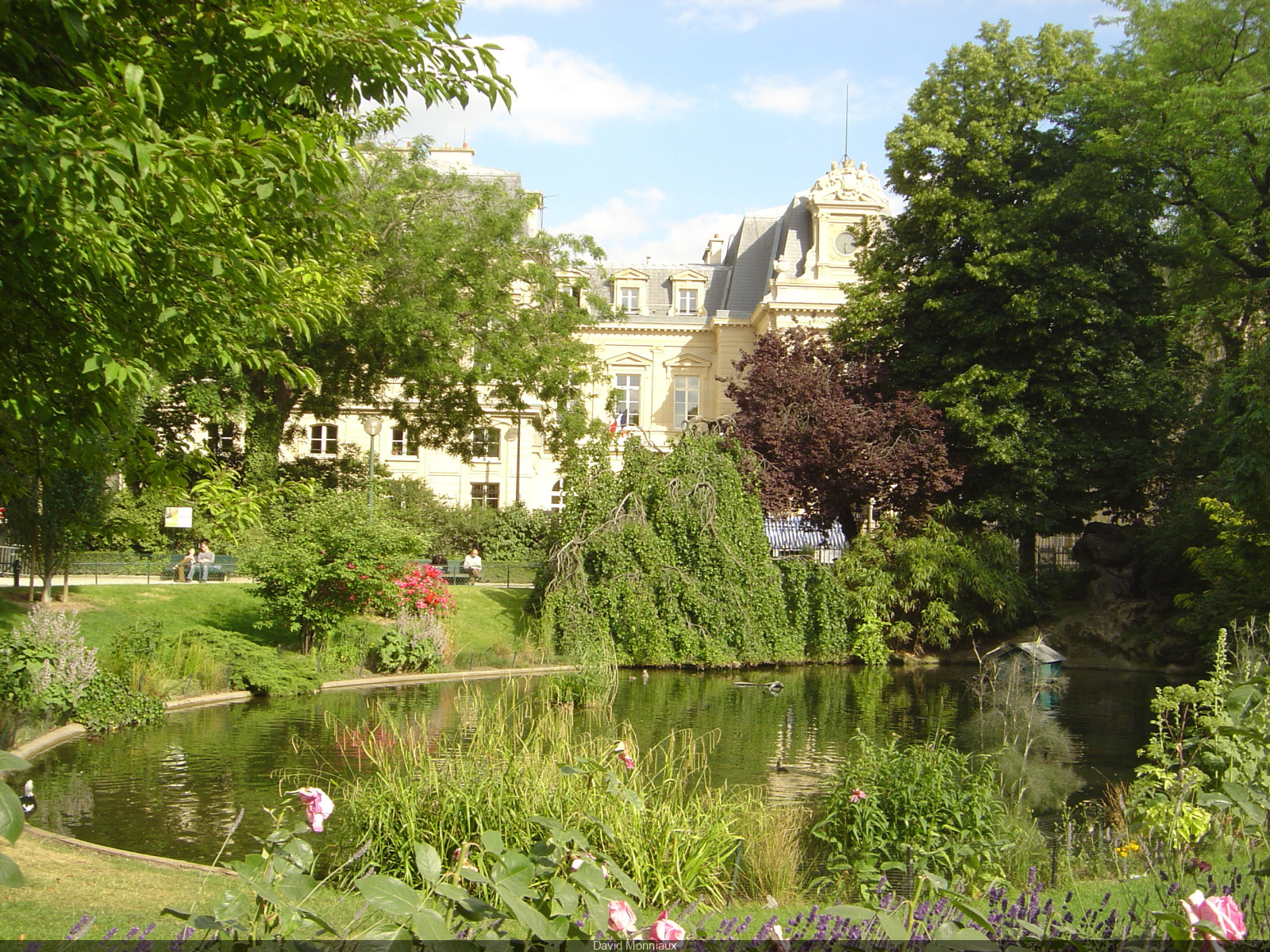
Yet the district still keeps the memory of its former inhabitants. The streets of the Temple, Vieille-du-Temple, des Fontaines-du-Temple, and the Boulevard du Temple still bear their names, to the point that locals often refer to the area spanning the 3rd, 4th, and 11th arrondissements as the Temple quarter. Even better, this historic enclosure hides some of old Paris’s most overlooked treasures: Paris’s oldest house, the courtyards of grand townhouses, the Marché des Enfants Rouges, the Carreau du Temple, the cordyard enclosure, and old artisan neighborhoods. Guided tours of the former Enclos des Templiers are offered in the Marais, bringing this invisible yet fascinating heritage back to life—far from the usual Marais you might otherwise explore.
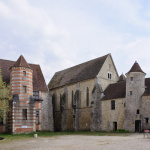
 The Templar Commandery of Coulommiers (77): the best-preserved north of the Loire
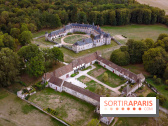
Just an hour from Paris, in the heart of the Brie countryside, the Templar Commandery of Coulommiers is arguably the region’s most complete and accessible Templar site. Founded in 1173, it centers on a spacious rectangular courtyard that unfolds the Grange aux Dîmes, a dovecote, the commander's residence, and the Sainte-Anne Chapel, adorned with 13th‑century wall paintings. The site also includes a 4,000 m² medieval garden, redesigned since 2019 to highlight medieval plants and their properties. Classified as a historic monument since 1994, the commandery is open from March to October, on Wednesdays and Fridays from 2:00 PM to 5:00 PM, and on weekends from 11:00 AM to 5:00 PM. It sits on Avenue Foch in Coulommiers, accessible from Paris via Transilien line P. [Read more]
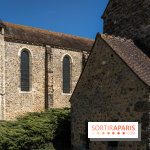
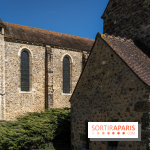
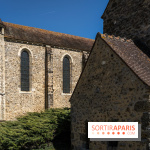
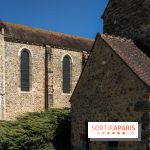 The Commandery of La Villedieu in Élancourt (78): reinvented as a digital city
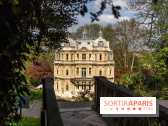
In the Yvelines, sixteen kilometers west of Versailles, the Commandery of the Templars of La Villedieu holds a delightful surprise. Founded between 1150 and 1180 by the monk-knights of the Order of the Temple, it was once the first milestone on the pilgrims' route to Chartres for those making their way to Saint-Jacques-de-Compostelle. Its chapel, built in meulière stone and listed as a historic monument since 1926, is the only one to have stood the test of time. Unveiled in its new life in September 2024 during the Heritage Days, it now houses the Comm@nderie, a digital city and innovative third place offering Micro-Folie, FabLab, educational robotics, a gaming room, and a digital escape game. The chapel is free to visit every Wednesday and Saturday from 2:00 p.m. to 5:00 p.m., excluding public holidays, from La Verrière station via buses 5131, 5132 or 5188. [Read more]
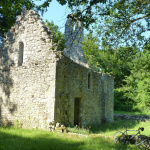
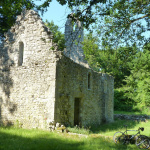
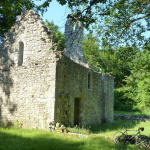
 The Fourches Chapel at Le Vaudoué (77): the oldest, at the heart of the forest
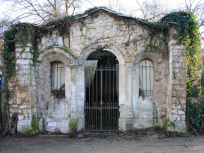
Nestled on the edge of the Fontainebleau forest, in the commune of Le Vaudoué, the Templar chapel of Fourches is the oldest Templar sanctuary preserved in Île-de-France. Dated to around 1150, this Saint-Blaise chapel was originally a leper hospital (maladrerie) founded by the Templars to house lepers, a disease brought from the East by the Crusaders. It features two rare architectural elements: projecting piscina basins and a so-called lepers’ counter. Mentioned in the Templar trial records, it has been abandoned since the Revolution and roofless since 1792, but was saved from destruction thanks to the tireless work of the CRDMA, a volunteer association from Saint-Mammès which has owned it since 2014. Listed as a historic monument since 1926, reaching it requires about a half-hour hike from the village of Le Vaudoué to reach the heart of the woods—a fitting reward for hikers and lovers of medieval heritage in Seine-et-Marne. [Read more]
Templar relics are not limited to these three sites. The Commanderie de Saint-Martin-des-Champs and the one in Chevru, both in Seine-et-Marne, are among the other well-known traces in the department. In Yvelines, several named places still carry evocative toponyms—Choisy-le-Temple, La Villedieu—testifying to a real presence, even though many of the buildings have disappeared. The Archives Nationales preserve period documents on the Templar trial, while the Musée de Cluny houses medieval collections that help shed light on the daily life of these monk-soldiers. For a more playful angle on the subject, the escape game Les Derniers Templiers au Donjon in Paris invites players to hunt for the Order’s treasure inside a recreated crypt. A quirky but genuinely engaging way to dive into a history that continues to fascinate and intrigue, eight centuries on.
This page may contain AI-assisted elements, more information here.
Dates and Opening Time
From April 8, 2026 to December 31, 2029
Location
Île-de-France
Recommended age
For all